
Why Aren't Bass Biting? The 8 Real Reasons Your Trip Is Not Producing
Share this article with every angler you know!
Why Aren't Bass Biting? The Eight Real Reasons Your Trip Is Not Producing
You just spent six hours on the water. You caught one small one. Or nothing.
The gas cost you thirty dollars. The day cost you a weekend morning. Your buddy who could not make it is going to ask how you did and you are going to have to explain that the trip was a bust. You have no idea why. The weather looked fine. The lake was where the good reports came from last week. You threw everything in your box.
Every angler has this trip. Some anglers have it twice a month. What most anglers do not have is a way to diagnose it.
This article is the diagnosis. Eight specific reasons bass stop biting, ordered by how commonly they are the actual cause. Each reason gets three things. What is happening biologically or tactically. How to identify it in the moment. And what to do differently next time.
Read it after your next bad trip. Or better, read it before your next trip and skip the bad one entirely.
Sign up to be notified of new bass fishing articles!
Bass Forecast Newsletters
Eight Real Reasons in Order of Frequency
These are ordered by how often each cause is the actual reason for a slow trip, based on observed pattern across a wide range of water types and seasons. Not every trip has a single cause. Sometimes two or three of these stack on the same day, which is why some slow days feel especially dead.
If you had a bad trip and want the fast diagnosis, walk through the list in order. The first cause that matches your conditions is probably the answer.
1. A Barometric Pressure Front Just Moved Through
The single most common cause of a slow trip in the last 48 hours.
What is happening. Bass are sensitive to barometric pressure changes in ways that most other fish are not. When pressure crashes ahead of a front or spikes after one, bass become inactive during the transition. They do not stop feeding permanently. They stop feeding until conditions stabilize.
Frame this as observed pattern. The exact mechanism is debated. Swim bladder theories are commonly cited but the biology is more complicated than swim bladder mechanics alone. What is not debated is the pattern itself. Fronts move through, the bite shuts down, conditions stabilize, and the bite returns.
How to identify it. Check the barometric trend for the last 24 to 48 hours on your local weather app. Rapid changes in either direction correlate with the shutdown pattern. Bluebird skies immediately after a strong front are a red flag. The weather looks perfect for fishing but the fish are still recovering from the transition.
What to do differently next time. Time trips around pressure stability rather than around the calendar. Stable pressure trending in either direction fishes better than a rapidly changing pressure. If a front is passing through the day of your trip, consider shifting the trip by 24 to 48 hours if you can.
2. Water Temperature Swung Too Fast in the Last 48 Hours
The second most common cause and often the one that stacks with a front.
What is happening. Bass are ectothermic. Their body temperature and metabolism track water temperature directly. Gradual water temperature shifts of one to two degrees per day are normal and do not disrupt feeding. Sudden shifts of five or more degrees in either direction can shut down the bite for 24 to 48 hours as fish adjust.
Cold fronts during summer drop surface temperatures quickly. Heat waves following cooler stretches climb temperatures quickly. Both produce the same pattern. Bass become inactive during the swing and take time to reset.
How to identify it. Check surface water temperature for your local lake or reservoir. Compare it to what it was 48 hours ago. Most modern fishing apps and lake mapping tools track this. If the water dropped or climbed more than five degrees, temperature swing is likely your answer.
What to do differently next time. Check water temperature stability before the trip, not just the current temperature. Stable water in the target range fishes well. Unstable water in the same range fishes poorly.
Check your local Bass Forecast ratings and intel report for your specific 10-day outlook, bite time windows, and bait recommendations tailored to your location.
3. You Are Fishing the Wrong Depth for the Season and Time of Day
The most common tactical error and often the actual cause when anglers blame weather or pressure.
What is happening. Bass do not stay in the same water column all day or all season. Summer offshore fish are not accessible with a shallow topwater. Winter deep fish are not accessible with a shoreline crankbait. Dawn shallow fish are gone by 10 AM in July heat. You can throw the perfect bait at empty water all day and never touch a fish.
How to identify it. Think about where fish should be holding given the season, water temperature, and time of day. If your presentation cannot reach that water, you are fishing empty water. A shore angler in July at noon with a topwater is fishing empty water. A boat angler in December in the back of a shallow cove is fishing empty water.
What to do differently next time. Match depth to conditions before matching bait to conditions. The right bait at the wrong depth catches nothing. If the pattern says fish are on offshore ledges at 15 to 20 feet, throwing a walking bait at the shoreline will not produce even if walking baits are the "hot" bait right now. Adjust the depth first, then adjust the bait to the depth.
4. The Water Is Muddy or Cleared Up Unexpectedly
Underdiagnosed cause of slow trips, especially in the days after significant rain events.
What is happening. Water clarity affects bait selection significantly. Bass in muddy water rely more on vibration, silhouette, and sound. Bass in clear water rely more on sight and natural presentations. When water clarity changes suddenly, the bait selection you were using last week may not match what the fish can actually detect this week.
Post-rain runoff can muddy a lake overnight. A cold front can clear a lake by killing off algae. Both changes shift what produces.
How to identify it. Look at the water when you launch. Compare it to how the water looked the last time you fished the lake. Significantly different clarity is a signal to adjust bait selection before you start blaming the fish.
What to do differently next time. Check post-rain conditions before committing to a trip. If a lake blew out overnight, wait 24 to 48 hours for the water to clear or fish a lake that did not get the rain. If the water cleared up significantly, downsize baits and shift to more natural colors and presentations.
5. The Lake Got Heavily Pressured This Weekend
The reason most anglers overlook because they think pressure only affects tournament water.
What is happening. Public water on Saturdays and Sundays sees hundreds of anglers throw thousands of baits at the same shorelines, docks, and offshore structure. Bass that have been peppered with lures for two days go negative for 24 to 48 hours after the pressure event. They still eat. They just eat different baits, in different water, at different times.
Fishing pressure is a real behavioral variable that stacks with the weather variables in the earlier reasons. A pressured lake on a stable weather day still fishes poorly for two days after a busy weekend.
How to identify it. Was your trip on a Sunday afternoon or Monday morning after a busy weekend? Was the weather perfect over the weekend and the parking lot full? Did you see boats everywhere on Saturday when you drove past the lake? Fishing pressure is your answer.
What to do differently next time. Fish Monday, Tuesday, or Wednesday when possible. Fish before dawn on weekends when other anglers are still in bed. Move to less pressured water. Downsize baits, slow presentations, and go finesse when the water has been hammered. A dropshot or a wacky-rigged worm on pressured water outfishes the reaction baits that killed the fish two days ago.
6. The Moon Phase and Solunar Timing Were Wrong for Your Window
Not everyone believes in solunar timing. The anglers who ignore it entirely miss real productive windows.
What is happening. Bass feeding activity clusters around specific windows tied to moon phase and solunar timing. Solunar major periods (typically two per day, each lasting about 90 minutes) and minor periods (typically two per day, each lasting about 45 minutes) are when feeding activity concentrates. Full moon and new moon phases shift overnight feeding activity, which can affect daytime feeding the following day.
Frame this as observed pattern rather than absolute rule. Weather can override solunar timing. But when other variables are stable, solunar windows produce more consistently than the hours between them.
How to identify it. Check solunar major and minor periods for the day you fished. If you fished the middle of the day between periods on a slow water body, you were casting during the natural lull. If you fished a solunar major and still got nothing, cross this off the list and move to the other causes.
What to do differently next time. Time trips around productive solunar windows when possible. Get on the water 15 minutes before a major period starts. Fish through the window and see what happens. Bass Forecast tracks solunar timing for your exact location.
7. You Fished the Wrong Bait for the Current Conditions
Not every angler wants to hear this one but sometimes the answer is bait selection.
What is happening. The bait that produced last week produced last week's conditions. Water temperature, clarity, sky conditions, and forage all change week to week. The productive bait changes with them. A bait that worked in stable pre-front conditions may not work in post-front bluebird sky. A frog that produced over matted vegetation in June may not produce over the same water in September when the mats break up.
How to identify it. Think about what fish are actually eating right now on your water. Shad, bluegill, crawfish, and frogs all peak at different times of the season. Bass follow the forage. If you are throwing a shad-pattern crankbait on a water that is currently full of bluegill schools, you are fishing the wrong bait even if the crankbait worked three weeks ago.
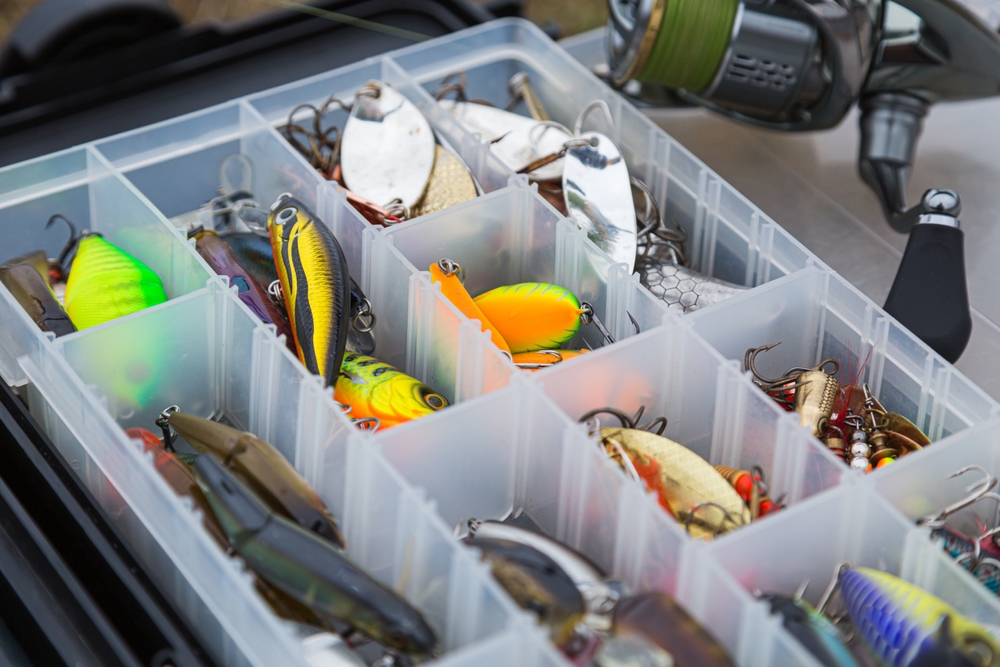
What to do differently next time. Check current bait patterns for your specific water before the trip. This is exactly what Bass Forecast's AI-powered bait recommendations solve. Enter your lake, and the app matches the top baits from 22 categories to the current weather, water temperature, and cover type on your water. Instead of guessing whether a topwater walking bait, a football jig, or a frog is the right choice, you get the specific recommendations for today's conditions. Match your bait to what is actually producing right now rather than what worked last time.
8. The Fish Are Still There, They Just Are Not Feeding
The honest reason most articles avoid because it does not sell tackle.
What is happening. Not every day is a feeding day. Some days bass suspend near structure and refuse everything you throw. It is not about bait, depth, or presentation. The fish are inactive. They will feed later. They will not feed while you are casting.
This is different from a shutdown caused by pressure fronts or temperature swings. Those causes have identifiable variables. A dead day happens without an obvious trigger and defies pattern-changing efforts.
How to identify it. Multiple anglers on the same water report the same slow results across different techniques and locations. Electronics show fish present but suspended and unresponsive. No amount of depth, bait, or presentation change produces bites. The fish are there. They just are not eating.
What to do differently next time. Know when to accept the diagnosis and go home. A dead day is a dead day. Better to conserve energy and gas for the next trip than to grind through six more hours of casting to empty water. Some of the best anglers in the sport pack it in early on dead days rather than fight through them.
How to Tell If a Slow Day Is Fixable
Some slow days can be turned around by changing depth, bait, speed, or location. Some cannot. The framework for deciding when to persist and when to pack up.
Change depth first. If you have been fishing the same water column for two hours without a bite, change depth before you change anything else. Move from shoreline to offshore. From shallow to deep. From surface to bottom. Depth changes solve more slow days than bait changes do.
Change speed and presentation second. If depth changes did not produce, slow down your presentation. Bass on a slow day want a bait in their face longer than usual. A drop shot fished dead still. A worm crawled slowly across the bottom. A jig sitting on structure with occasional twitches. Slow down.
Change water third. If depth and speed changes did not produce, move to different water. A different arm of the lake. A different cove. A different structure type. Sometimes the specific water you are fishing is empty even when the lake overall holds fish.
Go home fourth. If depth, speed, and water changes did not produce, accept the diagnosis. The day is not fixable. Save the energy and gas for the next trip when conditions might actually cooperate.
How to Prevent Bad Trips Before They Happen
The eight reasons above are diagnostics for a trip you have already committed to. The better approach is preventing the bad trip before you leave the house.
Check barometric pressure trends. Look at what pressure has been doing for the last 48 hours and what it is projected to do for the next 24. Stable pressure trends fish well. Rapidly changing pressure does not.
Check water temperature stability. Compare current water temperature to what it was 48 hours ago. Gradual is fine. Sudden is not.
Check recent weather patterns. A cold front three days ago probably still affects the fish. A stable stretch of weather predicts a productive trip.
Check fishing pressure indicators. Was the weekend busy on your target water? Consider a Tuesday trip instead. Or move to a less pressured lake.
Check moon phase and solunar timing. Line up your trip window with a major solunar period when possible.
Every one of these variables is trackable before you commit to the trip. The anglers who consistently catch fish are not luckier than everyone else. They just check the variables before they leave.
Angler-Type Breakdown
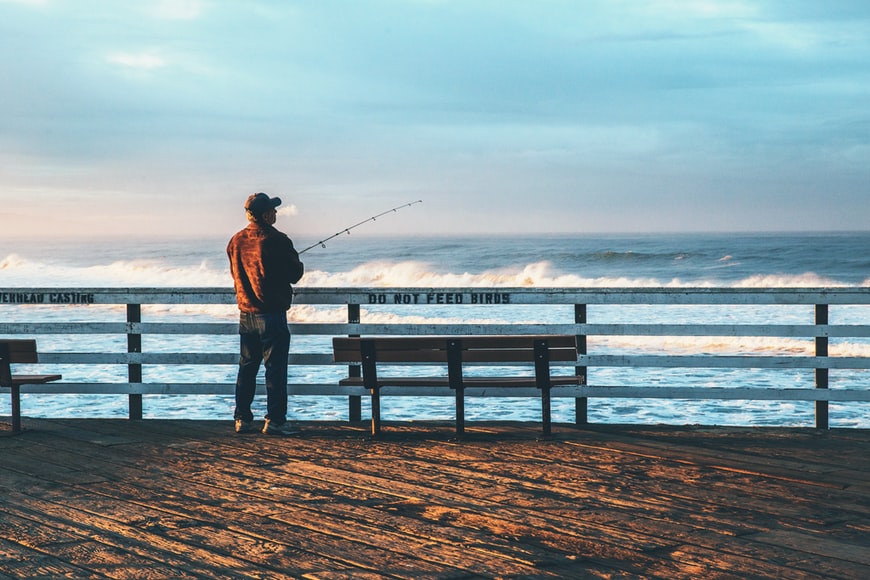
Bank Anglers
Bad trips hit bank anglers harder because you cannot easily relocate to different water once you commit to a bank. When conditions shut down the bite, your options are limited. The eight reasons framework helps bank anglers identify why the current spot is not producing and decide whether to walk to a different bank on the same water or come back another day.
The single most impactful adjustment for bank anglers is depth. Move from a shoreline spot to a bank that offers deeper water access. Bridge pilings, riprap extending into channels, and bluff banks with immediate depth access are the bank spots that fish through conditions that shut down shallow-water banks.
Kayak Anglers
Kayaks offer relocation flexibility but limited range. The most common bad-trip cause for kayak anglers is fishing pressure on public water where boats have hammered the same fish all weekend. Move to less-pressured water types. Backwaters, coves, and creek arms that boat anglers avoid due to trolling motor noise or navigation constraints often hold fish that pressured main-lake water does not.
Boat Anglers
Boats offer the most flexibility for salvaging a slow trip. Change depth by moving offshore. Change water by running to a different arm of the lake. Change conditions by targeting shaded coves during heat or wind-protected water during a front. Boat anglers who accept the diagnosis and act on it can often turn slow trips into productive ones that bank and kayak anglers cannot.
Frequently Asked Questions (FAQs)
Why aren't bass biting today?
Eight common causes exist for a slow bass fishing day. Recent barometric pressure change. Sudden water temperature swing. Wrong depth for the current pattern. Unexpected water clarity change. Recent heavy fishing pressure on your water. Unfavorable moon phase or solunar timing. Wrong bait for current conditions. Or the fish are simply having an inactive feeding day. Identify which cause applies to your current trip and adjust or accept the diagnosis.
Why did the bass stop biting suddenly?
The most common cause of a sudden mid-trip shutdown is a pressure change or a fishing pressure event. A boat working the same water aggressively for an hour can turn off a productive stretch of shoreline. Local weather changes can shift barometric pressure enough to affect the bite within a single morning. Watch for both.
How long does it take for bass to start biting again after a cold front?
Typically 24 to 48 hours after the front passes and conditions stabilize. Bass need time to reset after significant barometric shifts. Some anglers report 72-hour recovery periods after severe fronts. Water temperature also affects recovery time. Warmer stable water recovers faster than colder unstable water.
Do bass stop biting when it is too hot?
Bass do not stop biting in heat but their productive windows compress significantly. Above 85-degree water temperatures, dawn and dusk become the primary surface windows with night fishing increasingly productive. Midday production shifts almost entirely to deep structure and shaded shallow cover. The bite is still there. You have to fish the right time and the right depth.
Do bass bite on windy days?
Yes, and wind often improves the bite. Wind creates surface texture that helps bass ambush prey, drives baitfish into windblown shorelines, and adds oxygen to shallow water. Sustained wind above 15 miles per hour makes boat and kayak fishing dangerous but the fishing itself is often better in wind than in dead calm.
How can I tell if the fish are just not biting or if I am doing something wrong?
Check with other anglers on the same water. If multiple anglers report slow fishing across different techniques and locations, the day is genuinely slow. If other anglers are catching fish and you are not, something specific to your presentation, location, or timing is the issue. Adjust what you are doing before you blame the fish.
What time of day are bass most likely to bite?
Dawn and dusk in most conditions. First 45 minutes of light and last 45 minutes before dark are typically the most productive windows across the calendar. Season, weather, and moon phase all shift these windows. During peak summer heat, night fishing extends the productive window significantly. Bass Forecast tracks solunar timing and conditions for your specific location.
Do bass stop biting during a full moon?
Not exactly. Full moon nights extend feeding into overnight hours, which can affect daytime feeding activity the following day. Bass that fed heavily under a full moon often show reduced daytime activity the next day. Solunar major and minor periods are the more reliable predictor than moon phase alone.
Why aren't fish biting even though the weather is perfect?
The most common answer is that the perfect weather followed a front, and the fish are still recovering from the pressure change. Bluebird skies immediately after a cold front look great for fishing but produce poorly. Give the fish 24 to 48 hours after the front passes before you expect the bite to return.
Should I keep fishing or go home when nothing is biting?
Change depth first. Change presentation speed second. Change water third. If none of those adjustments produce bites, accept that the day is not fixable and go home. Not every trip is meant to produce. Better to save the energy for the next trip when conditions might actually cooperate.
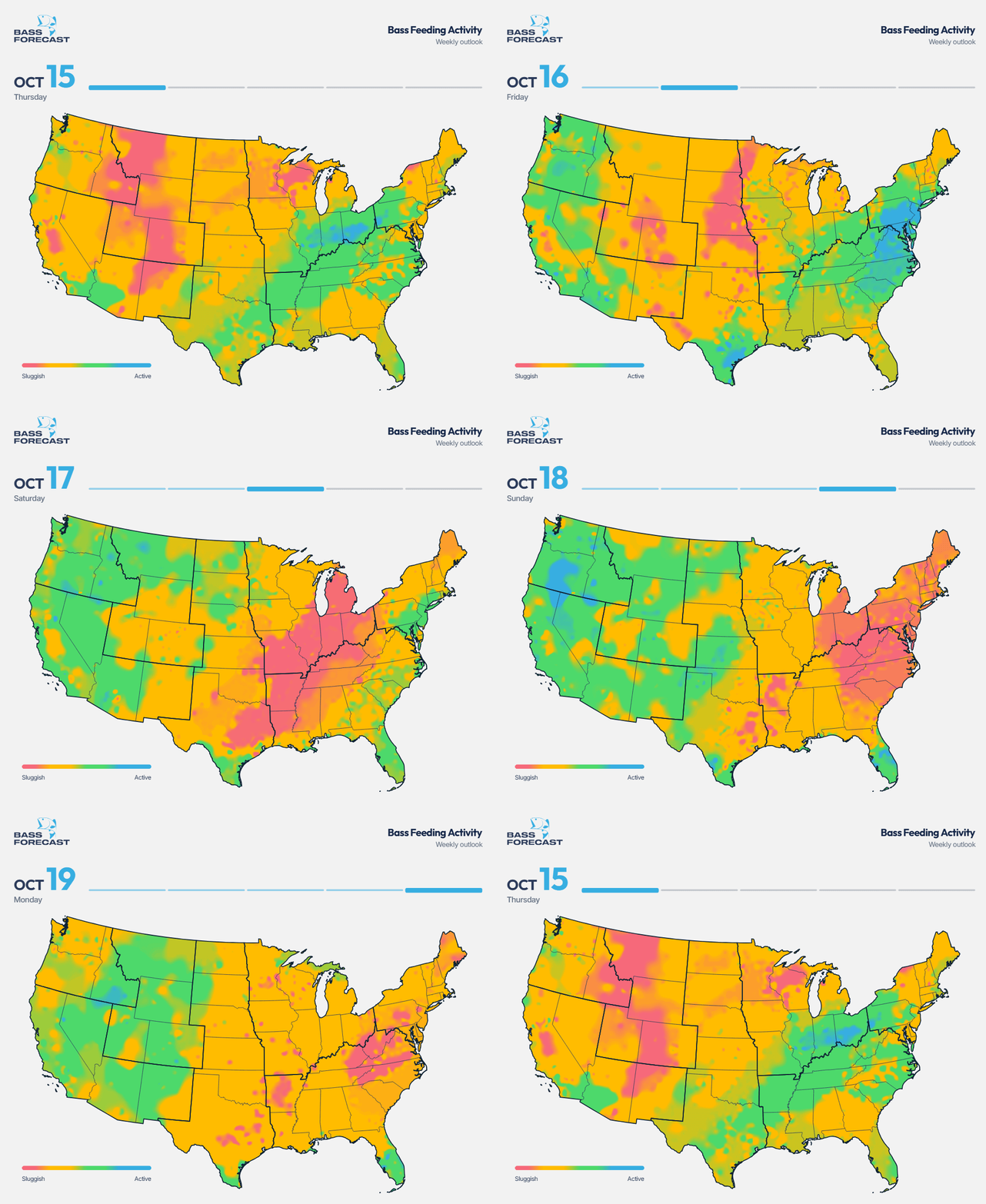
Use the Bass Forecast App or Web App to know when the bass are biting.
Bass Forecast tracks the variables that cause bad trips. Barometric pressure trends. Water temperature stability. Moon phase. Solunar timing. Current conditions for your exact location. Check tomorrow's forecast before you commit to the trip. Waste less time on bad days. Fish more of the productive windows.
Download Bass Forecast or use the Web App to fish smarter and skip the trips that were never going to produce.

-1739275914.jpg)
.jpg)
.jpg)
.png)
.png)