
Fall Jig Fishing for Bass: The Five-Style Playbook
Share this article with every angler you know!
Nothing catches a big fall bass like a jig.
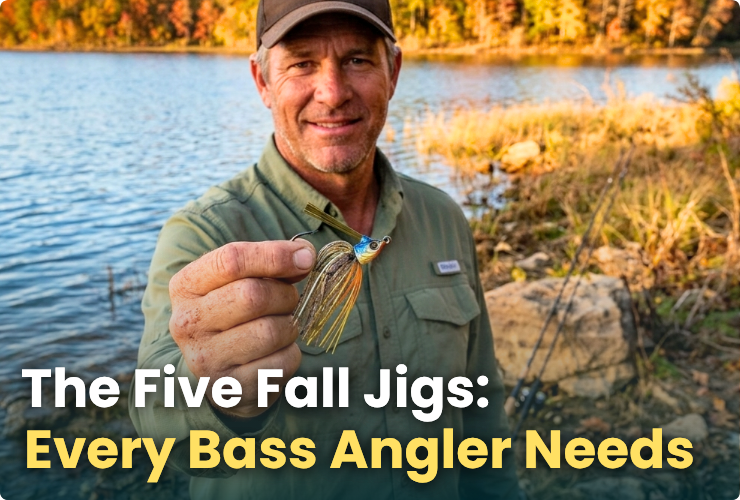
That is not marketing copy. It is a real pattern. Football jigs on offshore rock produce staging bass before shad migration hits. Flipping jigs in shallow cover pull post-front fish out of hiding when nothing else moves them. Swim jigs on grass edges outfish chatterbaits on pressured water when the fish have seen too many bladed baits. Finesse jigs on the coldest fall water put fish in the boat when every reaction bait has failed.
If you fish bass in fall and you have one jig style tied on all season, you are leaving fish behind.
This article covers the five jig styles that produce in fall, when to throw each one, how to rig them, what to trailer them with, and where to look for the water they produce on. No science overreach. No filler. Just what actually catches fish through October and November.
Sign up to be notified of new bass fishing articles!
Get the Bass Fishing Playbook Every Week
The Five Jig Styles and When to Throw Each
1. Football Jig
Where it produces. Offshore structure. Rock. Hard bottom. Ledges. Points. Anywhere with a defined bottom composition change and enough depth to hold pre-migration or post-migration bass.
When to throw it. Pre-migration staging period through active migration. Football jigs are at highest reliability from mid-September through late October across most of the country. Southern reservoirs extend the window into November.
How to fish it. Drag along the bottom with slow steady pressure. Let it pause on structure edges. Hop it over specific rocks. The trailer is doing the work while the head keeps contact with the bottom.
Products worth naming. Dirty Jigs Casting Jig with football head, Strike King Denny Brauer Structure Jig, Buckeye Mop Jig for slower fall presentations, Nichols Lures Football Jig. 3/8 ounce for most applications. 1/2 ounce for windy conditions or deeper water.
Trailers. Netbait Paca Chunk in green pumpkin or black neon. Strike King Rage Craw for aggressive action. Zoom Big Salty Chunk for methodical drag. Match the trailer color to the head color and the water clarity.
2. Flipping and Pitching Jig
Where it produces. Cover. Docks. Laydowns. Matted vegetation. Wood piles. Any structure that holds bass tight to specific targets.
When to throw it. Post-front conditions. Post-migration when bass concentrate in backwater cover. Peak flipping season runs from early October through late November as bass push tighter to cover with cooling water.
How to fish it. Pitch or flip to specific targets. Let it fall on a controlled slack line. Watch the line for the tick that signals a bite on the fall. Work the target methodically before moving.
Products worth naming. Strike King Hack Attack Heavy Cover Jig, Dirty Jigs Compact Pitchin Jig, Missile Jigs Mini Flip Jig, Booyah Boo Jig. 1/2 ounce standard. 3/4 ounce for heavy cover or matted vegetation.
Trailers. Zoom Super Chunk in black-blue or green pumpkin. Netbait Paca Chunk for compact profile. Strike King Rage Menace for aggressive action in stained water.
Check out these flipping and pitching jigs
3. Swim Jig
Where it produces. Grass edges. Sparse vegetation. Open water flats with scattered cover. Anywhere bass are chasing shad and other baitfish along cover.
When to throw it. Peak fall swim jig window runs late September through early November. Overcast conditions extend the productive window through midday.
How to fish it. Steady retrieve along cover. Vary speed based on activity level. Rip through emerging grass to trigger reaction strikes. The swim jig fills the gap between chatterbait (louder, more disturbance) and finesse presentations (smaller, more subtle).
Products worth naming. Strike King KVD Finesse Swim Jig, Dirty Jigs No Jack Swim Jig, Booyah Baby Boo Jig for compact swimming profile, Z-Man CrossEyeZ Swim Jig. 3/8 ounce standard. 1/2 ounce for wind or deeper grass.
Trailers. Zoom Swimming Fluke or Fluke Jr. Yamamoto Zako in shad patterns. Keitech Fat Impact 3.3 for larger profile and more thump.
4. Finesse Jig
Where it produces. Pressured water. Clear water. Tough conditions. Post-front bluebird days. Anywhere bass have seen too many baits or conditions have shut down the reaction bite.
When to throw it. All of fall on pressured lakes. Peak finesse jig window runs when water temperatures drop below 55 degrees on most waters and bass demand slower more subtle presentations.
How to fish it. Slow drag. Long pauses. Subtle rod tip work. Finesse jigs are patience baits. The angler who works one spot thoroughly with a finesse jig outfishes the angler who covers water with reaction baits on tough days.
Products worth naming. Dirty Jigs Finesse Football Jig, Missile Jigs Ike's Micro Jig, Strike King Bitsy Bug Jig, Nichols Lures Little Big Jig. 1/4 ounce standard. 3/16 ounce for shallow finesse applications.
Trailers. Zoom Baby Craw. Yamamoto Double Tail Skirted Grub. Berkley PowerBait Chigger Craw in smaller sizes.
5. Grass Jig
Where it produces. Heavy matted vegetation. Hydrilla mats. Milfoil beds. Dense grass systems where standard jigs snag and hang up.
When to throw it. Peak grass jig season runs through October on southern grass lakes. Northern waters see the window compress earlier as vegetation dies back.
How to fish it. Punch through the mat with a heavy weight. Let it fall through the vegetation. Work it in place through the hole it created. Multiple casts to the same target often produce multiple fish because different bass hold at different positions within the cover.
Products worth naming. Dirty Jigs Compact Pitchin Jig with grass guard, Strike King Hack Attack Grass Jig, Booyah Boo Jig with heavy weedguard, Buckeye Grass Jig. 3/4 ounce or 1 ounce for punching. 1/2 ounce for lighter grass applications.
Trailers. Zoom Z-Craw for punching. NetBait Paca Craw. Strike King Rage Bug for compact profile through vegetation.
Setup and Rigging for Catching Bass
Getting the equipment right matters more with jigs than with most other techniques. Wrong tackle produces missed bites and lost fish.
Rods. Medium-heavy 7 foot to 7 foot 6 inch for football jig and swim jig. Heavy 7 foot 3 inch to 7 foot 11 inch for flipping and grass jig applications. Medium 7 foot spinning setup for finesse jig on light line.
Line. 15 to 20 pound fluorocarbon for football jig and swim jig. 20 to 25 pound fluorocarbon or 50 to 65 pound braid for flipping and grass jig. 10 to 12 pound fluorocarbon or 10 pound braid with 8 pound fluoro leader for finesse jig.
Weights. Match the weight to the depth, wind, and cover. Standard 3/8 ounce football jig, 1/2 ounce flipping jig, 3/8 ounce swim jig, 1/4 ounce finesse jig, 3/4 to 1 ounce grass jig for most applications.
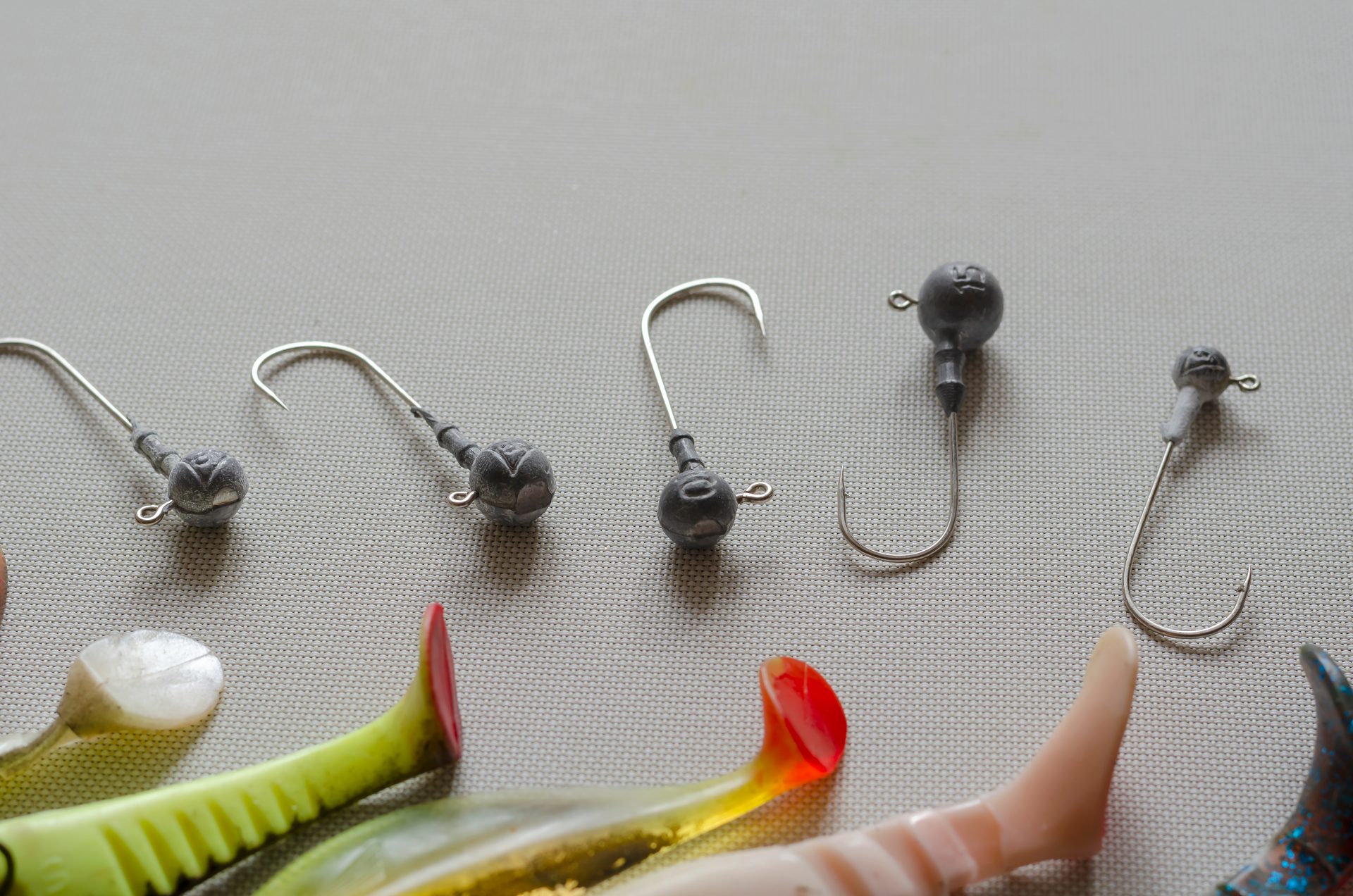
Hooks. Every quality jig comes with a hook selected by the manufacturer for the specific application. Do not modify the hook unless you have a specific reason. Sharpen it before use.
Trailer selection. The trailer changes the bait's profile, action, and fall speed. Bulky trailers slow the fall and add resistance. Compact trailers speed the fall and reduce profile. Chunk-style trailers add methodical craw action. Grub-style trailers add tail movement and subtle vibration.
Reading Where to Throw a Jig in Fall for Bass Fishing
The right jig on the wrong water still catches nothing. Reading water is what separates jig anglers who consistently produce from anglers who just carry jigs.
Look for structure changes. Bottom composition changes. Depth changes. Cover changes. Bass position where structure creates ambush opportunities. Every bottom transition is a potential target.
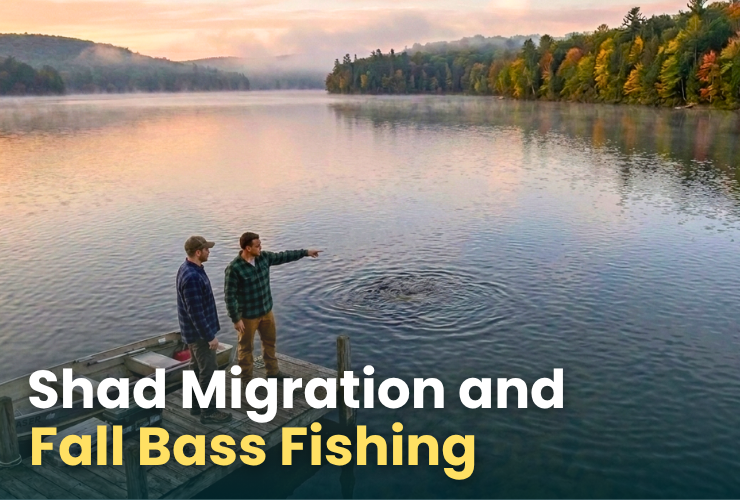
Follow the shad. In fall, shad migration pulls bass to specific water. Where shad concentrate, bass follow. Where bass follow, jigs produce. Bird activity, surface disturbance, and sonar signatures all indicate shad concentrations worth working with jigs.
Prioritize cover with depth access. Fall bass want structure and depth simultaneously. A dock with 3 feet of water under it produces poorly. A dock with 8 to 12 feet of water under it produces well. Look for cover that offers immediate depth escape.
Check the wind. Wind pushes shad and baitfish against windward structure. On windy fall days, prioritize the windward sides of points, grass edges, and cover.
Fish the transitions between water types. Where grass meets rock. Where wood meets clean bottom. Where deep meets shallow. Bass position at these transitions during fall.
Fall Jig Colors for Bass Fishing
Color selection matters less than most anglers think but matters more than most anglers who dismiss color think. Two rules cover most situations.
Match the forage. Green pumpkin, brown, and craw patterns produce when bass are eating crawfish and bottom-oriented forage. Shad and bluegill patterns produce when bass are eating baitfish. Watch what the fish are throwing up when you catch them for real-time forage confirmation.
Adjust for water clarity. Clear water rewards natural colors like green pumpkin, watermelon, and brown craw. Stained water rewards louder colors like black-blue, chartreuse, and orange-highlighted patterns. Dirty water rewards solid dark colors like black-blue or black-red that create silhouette.
Two dependable fall jig colors that work almost everywhere: green pumpkin for clear to moderately stained water, black-blue for stained to muddy water. Start with those unless local conditions suggest otherwise.
Common Fall Jig Bass Fishing Mistakes
Anglers who struggle with jigs usually make one of five specific mistakes.
Fishing too fast. Jigs are patience baits. Slow down. Let the trailer work. Pause on structure. The angler who fishes 10 casts in an hour with proper cadence catches more than the angler who makes 100 casts with poor cadence.
Wrong weight for the conditions. Too light and the jig hangs in the current or blows in the wind. Too heavy and the fall is unnaturally fast. Match the weight to the specific conditions on your water that day.
Missing the tick. Jig bites often come on the fall and feel like a subtle tick or a line jump. Watch the line. Set on any unusual movement. Reactive line watching produces more hookups than aggressive rod work.
Wrong trailer. A trailer that does not match the intended action or profile kills a jig's effectiveness. Match the trailer to the technique. Football jig gets a chunk. Swim jig gets a swimming trailer. Flipping jig gets a compact or aggressive craw.
Not fishing the right water. Jigs produce on structure and cover. Fishing them across open water without targets is wasted effort. Every jig cast should have a specific target or a specific piece of structure in mind.
Regional Notes across the United States
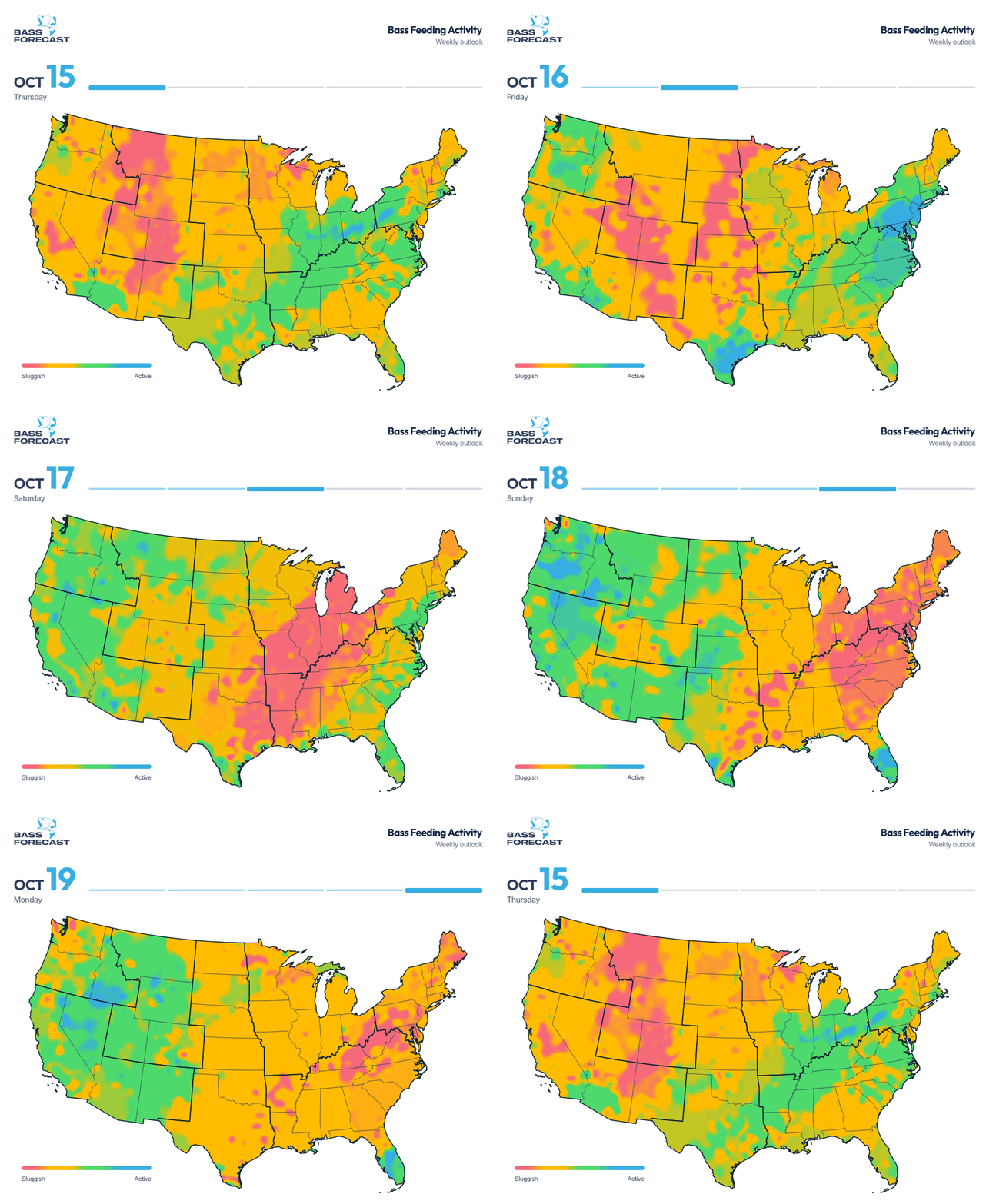
Peak fall jig windows by region for the next 8 weeks.
Southeast: Football jigs on offshore ledges through October. Flipping jigs on grass and cover through November. Warm water extends every fall jig application longer than most regions.
Southwest: Peak fall football jig window on Texas and Oklahoma reservoirs runs late October through late November. Flipping jigs produce on shallow cover as bass push into backwater feeding zones.
Mid-South: Tennessee River grass jig fishing peaks through October. Football jigs on offshore ledges produce simultaneously. Two-technique lake type.
Mid-Atlantic and Ozarks: Peak football jig window on Ozark reservoirs runs through mid-November. Susquehanna and other river systems fish jigs well through October.
Great Lakes and Upper Midwest: Peak finesse jig window arrives as water temperatures drop into the 50s. Football jigs produce on rocky offshore structure for smallmouth through late October.
Northeast: Peak jig window compressed into October and early November. Finesse jigs produce as water cools. Football jigs on rocky smallmouth structure.
West and Pacific Northwest: California reservoirs fish jigs deep through fall. Football jigs on offshore structure produce at 20 to 30 feet on clear-water reservoirs.
Rocky Mountains: Elevation-dependent. Lower elevation lakes fish jigs through October. Higher elevations transition to winter patterns earlier.
BEFORE YOU TIE ON A JIG
Common Questions About Fall Jig Fishing (FAQ's)
What is the best jig for fall bass fishing?Depends on where you are fishing. Football jig for offshore rock and structure. Flipping jig for cover and matted vegetation. Swim jig for grass edges and moving fish. Finesse jig for pressured or tough conditions. Grass jig for heavy matted cover. The best jig is the one that matches the water you are fishing.
What color jig works best in fall?
Green pumpkin for clear to moderately stained water when bass are eating crawfish. Black-blue for stained to muddy water. Shad patterns for waters where bass are keying on baitfish. Two colors cover most situations: green pumpkin and black-blue.
What size jig for fall bass?
3/8 ounce for most football jig and swim jig applications. 1/2 ounce for standard flipping. 3/4 to 1 ounce for punching matted vegetation. 1/4 ounce for finesse presentations. Adjust based on depth, wind, and cover density on your specific water.
When is the best time to fish a jig in fall?
Fall jig fishing produces across the entire October and November window on most waters. Football jigs peak during pre-migration staging periods. Flipping jigs peak during post-front conditions. Swim jigs peak during active migration when bass are chasing shad. Finesse jigs peak on the coldest fall days when reaction baits have failed.
What trailer should I use on a fall jig?
Chunk-style trailers for football jigs. Swimming trailers for swim jigs. Compact or aggressive craws for flipping jigs. Small craws or grubs for finesse jigs. Match the trailer to the technique and the water clarity.
Should I fish a jig on the bottom or swim it?
Depends on the jig style. Football jigs drag on the bottom. Flipping jigs fall through the water column and work in the strike zone. Swim jigs swim through cover at various depths. Finesse jigs drag slowly on the bottom. Grass jigs punch through cover to the bottom. Each style has a specific presentation.
Can I catch bass on a jig in cold water?
Yes. Finesse jigs and football jigs produce in cold water when reaction baits fail. Slow the presentation significantly. Downsize the profile. Fish deeper structure and cover. Cold water jig fishing produces some of the biggest bass of the year on pressured water.
How do I know when a bass bites a jig?
Watch the line. Jig bites often come on the fall and feel like a tick, a jump, or a subtle change in line tension. Sensitive rods and quality fluorocarbon transmit the bite. Set the hook on any unusual movement rather than waiting for a definitive pull.
What is the difference between a football jig and a flipping jig?
Football jigs have a wide flat head designed to drag along the bottom without hanging up on rock. Flipping jigs have a compact head designed to slip through cover and fall on a controlled line. Football jigs are structure-focused. Flipping jigs are cover-focused.
Do I need a special rod for jig fishing?
Medium-heavy 7 foot rod handles most football jig and swim jig applications. Heavy 7 foot 3 inch rod handles flipping jig and grass jig. Medium 7 foot spinning setup handles finesse jig on light line. Quality tackle matters more than brand for jig fishing.
Use the Bass Forecast App and Web App to catch Bass
The Bass Forecast app is currently recommending jigs across the top of the bait rotation for most user locations. That is not coincidence. Fall conditions favor jig presentations, and the app tracks the specific variables (water temperature, barometric pressure, wind, solunar timing) that identify when jig fishing will produce on your water.
Open your Bass Forecast app and check whether you are running jigs this fall, check the app before your next trip. If a jig style is showing up in the top 5 for your location, that is your starting point.
.png)
.png)
.png)