
The First Cold Front of Fall: How to Fish Through the Shutdown
Share this article with every angler you know!
The First Cold Front of Fall: How to Fish Through the Shutdown and When It Turns Back On
Fishing was great all week.
You caught fish Wednesday. Your buddy killed them Thursday. The reports on your local forum were solid all the way through Friday afternoon. You planned the Saturday trip around all of it.
Then the front rolled through Friday night. Saturday morning the sky is bluebird clear. The wind is dead. The temperature dropped 20 degrees overnight. You launch at 6 AM into water that fished like a giveaway three days ago and now feels completely empty. Six hours later you have caught two fish and both were dinks. Your buddy who fished the same lake Thursday killed them.
The front killed the bite.
Cold fronts are the single most predictable disruption in bass fishing. They happen every fall. They shut down the bite. They also produce some of the best feeding windows of the year right before they arrive. Understanding how to read them separates anglers who consistently catch fish through the fall from anglers who show up on the wrong day and blame the fish.
This article covers what a cold front actually does to bass behavior, how to identify the pre-front feeding window that produces some of the best fishing of the year, what tactics still produce during the shutdown, when the bite comes back, and how to time your future trips around fronts instead of fighting through them.
What a Cold Front Actually Does to Bass Behavior
Frame this section with observed pattern language. Cold front effects on bass are consistent across regions and lake types even though the exact biological mechanism remains debated. The pattern is real. The reasons behind it are the interesting question.
The Three Phases of a Cold Front
A cold front is not a single event. It has three distinct phases and each affects bass differently.
Pre-front. Barometric pressure falls. Wind picks up from a southerly direction on most systems. Clouds build. Water temperature stays relatively stable. Bass typically feed aggressively during this phase, often producing some of the best fishing of the year.
Front passage. Pressure bottoms out and begins climbing. Wind shifts, typically clocking around to the north or northwest. Rain, thunderstorms, or dramatic weather often accompany the passage. Fishing during the actual passage is unpredictable and often unproductive.
Post-front. Pressure climbs rapidly. Sky clears to bluebird conditions. Wind drops or shifts to the north. Temperatures drop significantly. Bass shut down feeding activity for 24 to 72 hours depending on the front severity.
Why Pre-Front Is Often the Best Fishing of the Week
Bass feed aggressively before cold fronts. The behavior is well documented across regions and species. The specific biological trigger is debated but multiple theories overlap. Barometric pressure changes may trigger metabolic responses that increase feeding activity. Approaching weather may push baitfish into more predictable patterns that concentrate feeding opportunities. Instinctive feeding behavior before extended low-activity periods may drive the response.
Whatever the mechanism, the pattern is real. Anglers who fish the day before a cold front arrives often experience the best single day of their week or month. If you can identify approaching fronts and get on the water 12 to 24 hours before they arrive, you set up for the strongest possible fishing window.
Why Post-Front Shuts Down the Bite
Post-front conditions combine multiple factors that reduce bass feeding activity. Rapid barometric pressure changes. Water temperature drops. High-pressure bluebird sky conditions that make bass more sensitive to overhead activity. Reduced cloud cover that changes bass positioning in the water column.
The swim bladder theory (that pressure changes affect the gas-filled swim bladder in ways that make bass uncomfortable) is commonly cited but not fully validated. Bass do not have simple physoclistous swim bladders like some other fish species, which complicates the theory. What is not debated is the pattern itself. Fronts pass through, the bite shuts down, conditions stabilize, and the bite returns.
How Long the Shutdown Typically Lasts
Post-front recovery time varies by front severity, season, and water conditions. Typical patterns:
24 hours for mild fronts on stable water bodies. Bass adjust quickly and normal feeding resumes.
48 hours for moderate fronts, which represents the most common recovery window. Most weekend fishermen who arrive Saturday morning after a Friday night front will not see full recovery until Sunday afternoon or Monday.
72 hours or longer for severe fronts with dramatic temperature drops. Some anglers report 4 to 5 day recovery periods after unusually severe fronts, particularly during transition seasons.
Water temperature stability matters. Warm stable water recovers faster than cold unstable water. Southern reservoirs often see faster recovery than northern lakes.
Reading the Front Before It Hits
The single most valuable cold front skill is reading approaching fronts and timing trips around them. Anglers who master this skill fish the productive pre-front windows and skip the dead post-front days.
Barometric Pressure Trends That Signal an Incoming Front
Falling barometric pressure is the primary signal. Pressure trending downward over 24 hours typically indicates an approaching front. Rapid pressure drops (more than 0.05 inches of mercury in 6 hours) suggest a significant front is approaching.
Watch your local weather app pressure reading. Most weather apps show a trend indicator. Falling pressure combined with building clouds and shifting winds means a front is on the way.
Weather Forecast Signals to Watch For
Multi-day forecasts show approaching fronts clearly. Look for these indicators.
A specific line on the radar showing a boundary between two air masses moving across the country toward your location. This is the front visualized.
A forecast showing temperature dropping significantly overnight followed by a rebound the next day. The overnight drop is the front passing.
Wind direction shifting predictably from south to north or southwest to northwest over 24 hours. This is the classic frontal passage wind pattern.
Weather app icons showing thunderstorms or heavy precipitation followed by clearing conditions. The precipitation is often the front itself.
Wind Direction Shifts That Predict Frontal Passage
Wind direction is one of the most reliable frontal indicators. On most cold fronts in the United States, wind builds from a southerly direction ahead of the front, shifts through the west during passage, and settles from the north or northwest after the front passes.
Anglers who track wind direction can identify approaching fronts 12 to 24 hours before they arrive just from the wind pattern. Southerly winds building through the day typically mean a front is approaching within 24 hours.
The 48-Hour Window Before the Front
The 48 hours before a cold front arrives typically represents the strongest fishing window of the entire multi-day weather cycle. Bass are actively feeding. Water conditions are stable. Weather is often ideal for fishing (mild temperatures, moderate wind, some cloud cover).
If you can identify this window and prioritize it over other fishing opportunities, you consistently fish the best conditions available.
Fishing the Pre-Front Feeding Window
This is the tactical opportunity most anglers miss because they focus on avoiding fronts rather than exploiting the pre-front feeding activity.
Why Bass Feed Aggressively Before Fronts
The specific trigger is debated but the pattern is consistent. Bass become more active, more aggressive, and more willing to commit to reaction baits during pre-front conditions. Schooling activity intensifies on reservoirs. Shallow bass become more accessible. Deep bass move up in the water column.
For anglers, pre-front conditions produce faster fishing across almost every water type. Baits that would need to be worked slowly during post-front conditions produce on aggressive retrieves during pre-front. Reaction baits dominate.
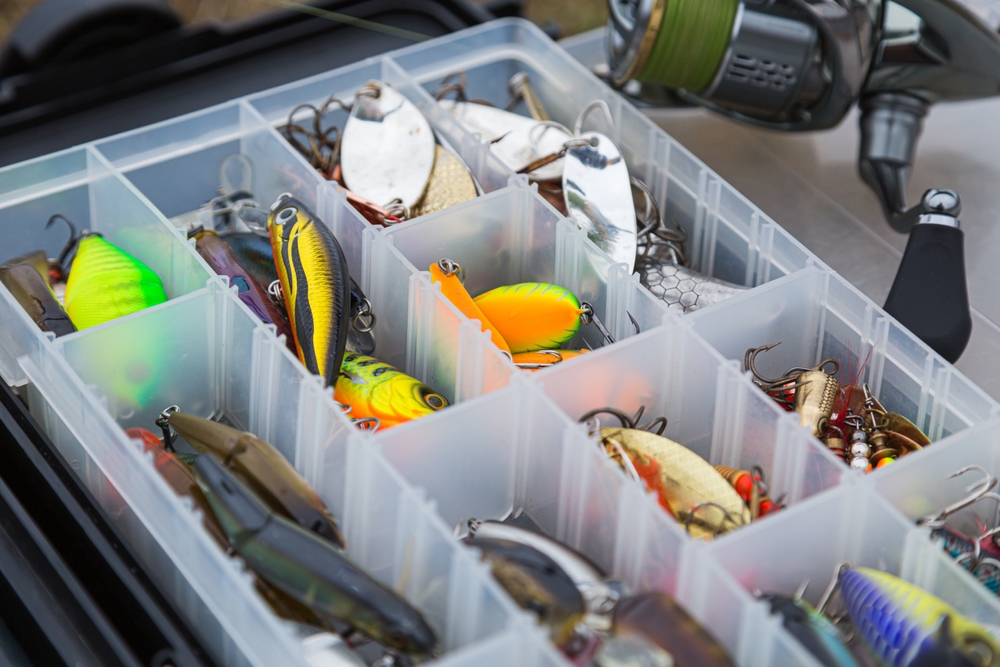
The Best Baits for Pre-Front Conditions
Reaction baits produce during pre-front feeding windows.
Z-Man ChatterBait Elite EVO HD in shad patterns for pre-front schooling activity and grass edges. Chatterbaits triggered by falling barometric pressure produce some of the best strikes of the year.
Strike King KVD 1.5 squarebill crankbait in sexy shad or chartreuse black back for pre-front shallow structure. Aggressive retrieves through cover trigger reaction bites from actively feeding bass.
Heddon Zara Spook in bone or chrome for pre-front topwater windows. Extended surface feeding activity often coincides with pre-front conditions.
Rat-L-Trap Original in Chrome Blue or Chrome Black for pre-front lipless crankbait patterns. Fast retrieves over structure trigger aggressive strikes.
How to Identify the Strongest Pre-Front Windows
Watch for these specific conditions.
Barometric pressure that has been trending down for 24 hours. Wind building from a southerly direction. Cloud cover building. Temperatures stable or trending down slightly. Multi-day forecast showing significant weather arriving in the next 24 to 48 hours.
When these conditions align, prioritize that fishing window over other opportunities that week. The pre-front bite can be dramatically better than what you would experience three days later.
When to Cancel Other Plans and Fish the Pre-Front
Serious anglers rearrange schedules for pre-front windows. If you have a fishing trip planned for Sunday but a front is forecast to arrive Saturday night, moving the trip to Friday or Saturday morning captures the pre-front window instead of the post-front shutdown.
The tradeoff between a productive pre-front Friday and an unproductive post-front Sunday is often 10x more fish caught. Worth the schedule adjustment if your calendar allows.
What to Do During the Post-Front Shutdown
The article's centerpiece. Most cold front content tells anglers to wait. This section covers what actually produces during the shutdown when you cannot wait.
Slow Down Every Presentation
Post-front bass require significantly slower presentations than pre-front bass. A reaction bait worked at pre-front speed catches nothing during post-front conditions. The same bait worked at half speed with longer pauses can still produce.
Slow down retrieves. Add longer pauses. Dead-stick more often. Give the bait extra time in the strike zone. Post-front bass are still there. They are just not chasing.
Downsize Baits and Go Finesse
Bait size matters during post-front conditions. Larger baits that produce pre-front often fail post-front. Downsize significantly.
A 3.5 inch worm produces where a 6 inch worm gets ignored. A 3 inch swimbait produces where a 5 inch swimbait catches nothing. A finesse jig produces where a full-size flipping jig fails.
Finesse tackle overall performs better during shutdown conditions. Lighter line, smaller hooks, more subtle presentations.
Target Specific Structure That Holds Fish During Fronts
Post-front bass position on specific structure types that provide overhead cover, thermal refuge, and safety from bluebird sky exposure. Focus on these structures during shutdown periods.
Overhead cover. Docks, laydowns, matted vegetation, and any structure that provides shade from the bluebird sky. Bass push tight to overhead cover and refuse to move for baits presented away from it.
Deeper structure than pre-front. Bass drop to depths that offer more stable conditions and less exposure. If you were catching fish at 8 feet pre-front, look at 12 to 18 feet post-front.
Isolated structure with immediate depth access. Small pieces of cover in deep water often hold post-front bass concentrated in surprisingly small areas.
Fish Deeper Than You Did Pre-Front
The depth shift is one of the most consistent post-front patterns. Bass that were in the top 6 feet of the water column pre-front push to 10 feet or deeper post-front. Bass on offshore ledges at 15 feet drop to 20 or 25 feet.
Adjust your presentation depth accordingly. A drop shot fished at the depth where bass are actually holding produces where a shallower presentation fails.
The Overhead Cover Pattern That Produces Post-Front
Docks, laydowns, and matted vegetation all provide the overhead cover that post-front bass want. Pitch or flip small finesse presentations tight to the cover. Let baits fall on a controlled slack line. Multiple presentations to the same target often produce bites that a single cast would not.
The presentation is slow, methodical, and patient. Not the aggressive covering water style that pre-front fishing rewards.
The Best Baits for Post-Front Conditions
Named products that produce during the shutdown when nothing else does.
Drop Shot Rigs
The premier post-front technique for finesse fishing at any depth.
Roboworm Straight Tail Worm in Morning Dawn, Aaron's Magic, or Oxblood Light. Six inch length nose-hooked on a size 1 or 1/0 Owner Mosquito Light hook. Tungsten drop shot weight in 1/8 to 3/8 ounce depending on depth and wind.
Yamamoto Shad Shape Worm as an alternative shape for post-front bass keyed on baitfish patterns.
Work the drop shot vertically over marked fish or drag it methodically along structure. Post-front bass often bite drop shots when they refuse everything else.
Ned Rigs
The everyman post-front bait. Simple, versatile, and produces when nothing else does.
Z-Man Finesse TRD in Green Pumpkin, Coppertreuse, or Bama Craw on a Z-Man ShroomZ jig head. Weight selection depends on depth. 1/6 to 1/4 ounce for most post-front applications.
Drag the Ned rig slowly with long pauses. The buoyant ElaZtech material stands the tail up off the bottom which triggers strikes from otherwise inactive bass.
Neko Rigs and Wacky-Rigged Senkos
For pockets and cover during post-front conditions.
Yamamoto Senko in 4 or 5 inch size for wacky rig applications. Green pumpkin, watermelon, or black-blue colors. The natural fall of a wacky-rigged Senko triggers bites from bass holding tight to cover.
Zoom Trick Worm for Neko rig applications with a small nail weight inserted in the head. The subtle action of a Neko rig produces on the most pressured post-front bass.
Small Jigs
Finesse jig applications for post-front bass on cover.
Dirty Jigs Finesse Football Jig in 1/4 to 3/8 ounce for rocky bottom structure.
Missile Jigs Ike's Micro Jig for pressured bass that reject larger presentations.
Strike King Bitsy Bug Jig for shallow finesse applications on docks and cover.
Dead-Sticking Soft Plastics on Shallow Cover
Sometimes the answer is not moving the bait at all. Pitch a Texas-rigged creature bait or wacky worm tight to cover and let it sit. Do not twitch. Do not hop. Just let it sit for 30 to 60 seconds.
Post-front bass on cover often will not chase or react to moving baits but will strike baits that sit still in their strike zone long enough to trigger a curiosity or aggression response.
When the Bite Turns Back On
Reading the end of the post-front shutdown is as important as reading the front itself. Anglers who identify when normal fishing resumes get on the water for the recovery window.
Barometric Pressure Stabilization Signals
Watch for pressure to stabilize after the post-front climb. The high-pressure peak typically lasts 24 to 48 hours. Once pressure begins slowly trending down or stabilizing at a moderate reading, recovery is underway.
Weather Pattern Recovery Indicators
Cloud cover returning. Wind shifting back to a variable or southerly direction. Temperatures stabilizing or beginning to warm. These indicators combined suggest the post-front shutdown is ending.
The 48 to 72 Hour Recovery Window
Recovery timing varies but typical windows are 48 hours for moderate fronts and 72 hours for severe fronts. Northern lakes typically recover slower than southern lakes. Cold water recovers slower than warm water.
Watch for the specific pattern of increasing bites over a 6 to 12 hour period as recovery happens. Recovery is not instant. It builds gradually as bass return to normal feeding behavior.
What to Expect During the Recovery Phase
Recovery fishing is often surprisingly good. Bass that have not eaten for 48 hours are hungry when they resume feeding. The recovery window can produce dense fishing action for 12 to 24 hours before normal patterns fully resume.
If you can time a trip for the recovery window, you often experience the second-best fishing of the multi-day cycle after the pre-front window itself.
Cold Fronts by Season and Their Different Effects
Fall cold fronts hit differently than spring or summer fronts. Understanding the seasonal variation helps you calibrate expectations.
Fall Cold Fronts
The fronts we are dealing with right now. Fall fronts typically produce 24 to 48 hour shutdowns with faster recovery than transition-season fronts. Bass are actively feeding to prepare for winter and recover from fronts faster than during other seasons. Fall fronts also trigger shad migration and can produce dramatic fishing shifts on reservoirs.
Winter Cold Fronts
Severe but predictable. Winter bass are already in low-metabolism states and cold fronts affect them less dramatically than transition-season fronts. Recovery is slower but the initial shutdown is often less severe. Southern anglers see more meaningful winter front effects than northern anglers whose lakes may already be iced.
Spring Cold Fronts
The biggest disruption of the year. Spring fronts hit during the spawn when bass are already in transition. Post-front shutdowns can extend 3 to 5 days and dramatically affect spawning behavior. Spring fronts also produce some of the strongest pre-front feeding windows because bass are in high-metabolism states.
Summer Cold Fronts
Welcome relief but disruptive. Summer cold fronts end heat waves and drop water temperatures into more comfortable ranges. The temperature drop itself is beneficial for fishing but the pressure change still produces a shutdown period. Recovery is typically fast because water conditions are improving.
How to Plan Trips Around Fronts
Practical section. Turn cold front knowledge into better trip planning.
Watch the 10-Day Forecast for Stable Weather Windows
Look for 3 to 5 day stretches of stable weather without significant fronts. These are the windows to prioritize for planned fishing trips. Extended stable weather produces the most consistent fishing across all seasons.
Prioritize the Day Before the Front Over the Day After
If a front is forecast for Friday night, Friday afternoon produces significantly better than Saturday or Sunday. Rearranging schedules to capture pre-front windows produces more fish than fighting through post-front conditions.
When to Cancel a Trip vs When to Push Through
Cancel post-front trips when possible. Push through pre-front trips even in bad weather. The bite justifies the discomfort.
If you cannot cancel a post-front trip, adjust expectations and tackle accordingly. Slow down. Downsize. Focus on structure. Accept that you will catch fewer fish than pre-front but you can still produce.
How Bass Forecast Tracks the Variables That Predict Productive Windows
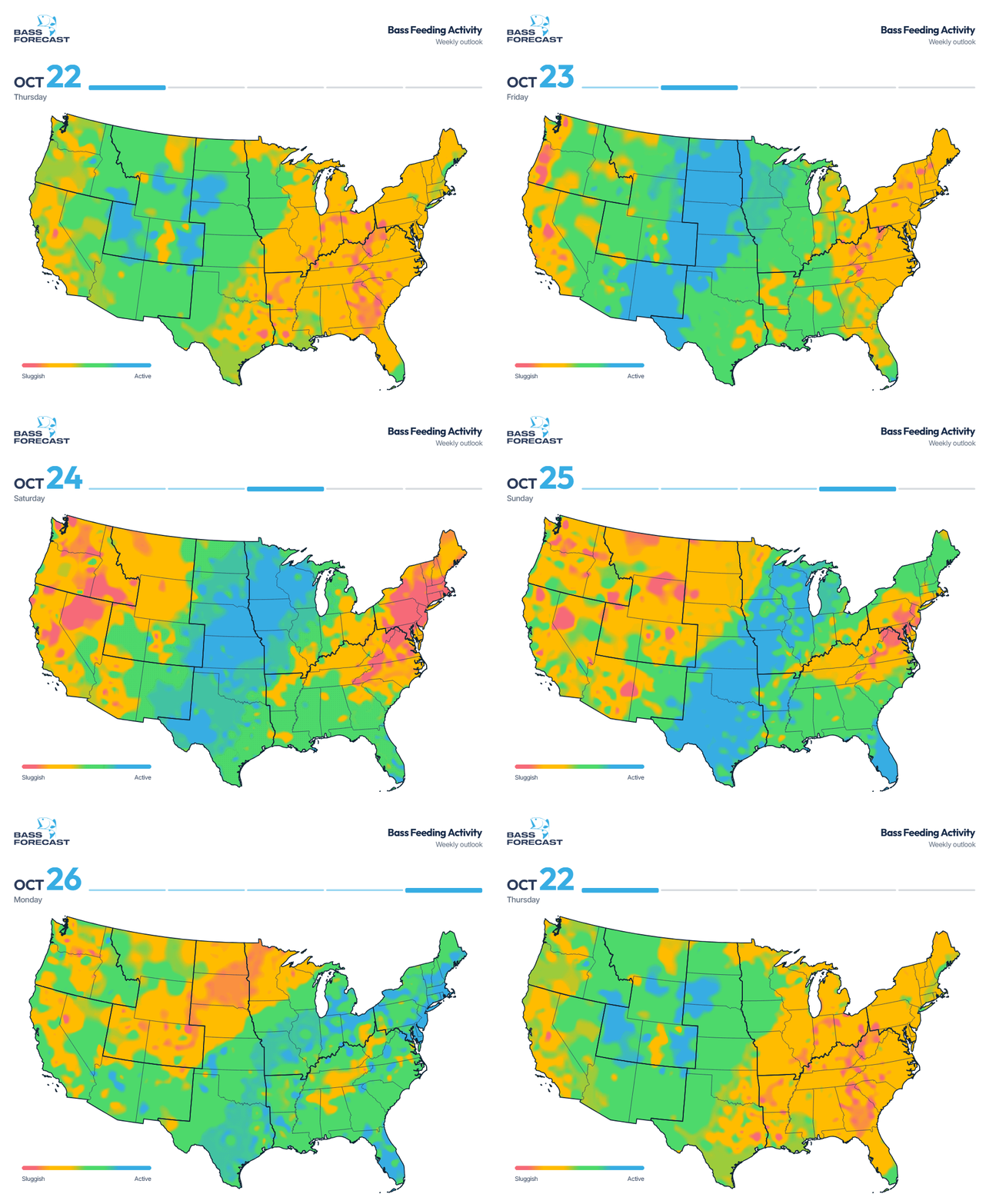
Barometric pressure trends. Weather patterns. Wind direction. Solunar timing. Water temperature stability. Bass Forecast tracks all of these variables for your specific location and translates them into daily fishing ratings that identify productive windows before you commit to a trip.
The 10-day outlook shows approaching fronts and identifies the specific days that will produce best around them. Instead of guessing when the pre-front window opens, get the specific answer for your water.
Angler-Type Breakdown
Bank Anglers
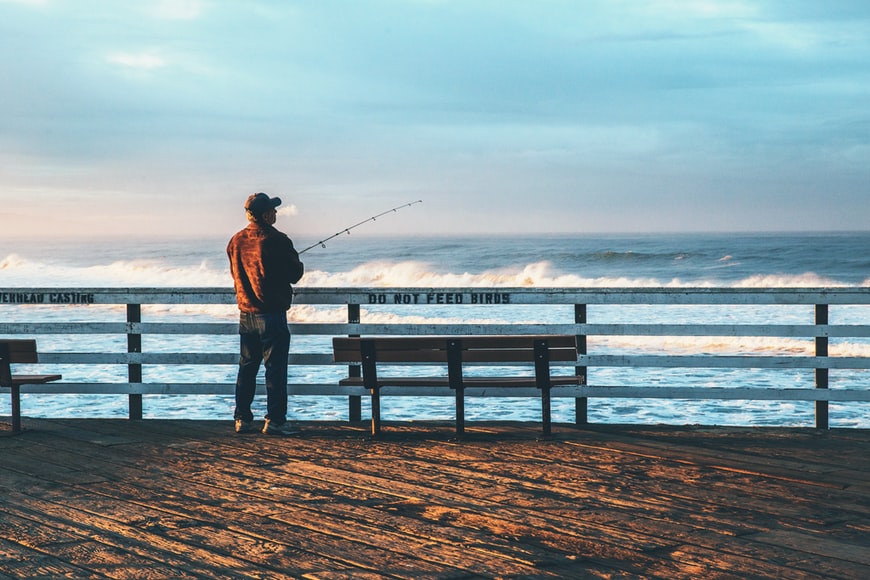
Cold fronts limit bank angler options because you cannot easily relocate to different water or different depths when conditions change. Focus on bank spots that offer deeper water access, overhead cover, and shaded structure during post-front shutdowns.
Bridge causeways, riprap extending into channels, bluff banks with immediate depth access, and marina walls all produce post-front from the bank when open shallow water is dead.
Kayak Anglers
Safety first. Cold front wind conditions can make kayak fishing dangerous. Check wind forecasts for the day of your trip and postpone if wind gusts exceed your comfort level. Sudden wind shifts during frontal passage are particularly dangerous.
During safe post-front conditions, kayaks offer the stealth advantage that helps produce pressured post-front bass. Backwater coves, protected pockets, and dock structure all fish well from kayaks after the wind drops.
Boat Anglers
Range advantage matters during post-front conditions. Boats can cover multiple structure types to find productive water when specific areas are dead. Electronics help identify post-front bass holding on specific structure that would be missed without them.
The boat angler who rotates through multiple locations searching for active fish outproduces the angler committed to a single spot during post-front conditions.
BEFORE THE FRONT ROLLS THROUGH
Common Questions About Cold Front Bass Fishing (FAQs)
How long after a cold front will bass start biting again?Typically 24 to 48 hours after the front passes and conditions stabilize. Bass need time to reset after significant barometric shifts. Some anglers report 72-hour recovery periods after severe fronts. Water temperature stability, cloud cover, and wind conditions all affect the recovery timeline. Warmer stable water recovers faster than colder unstable water.
What is the best bait to use after a cold front?
Finesse presentations dominate post-front fishing. Drop shot rigs with Roboworm Straight Tail worms. Ned rigs with Z-Man Finesse TRD. Wacky-rigged Yamamoto Senkos. Small finesse jigs. The pattern is slow presentations of downsized baits worked methodically. Aggressive reaction baits that worked before the front typically fail after it.
Do bass bite during a cold front?
Bass often feed aggressively immediately before a cold front arrives, then shut down significantly during and after the front passes. The pre-front feeding window can be some of the best fishing of the year. The post-front shutdown typically lasts 24 to 48 hours. Fishing during the front itself is unpredictable and often unproductive.
What is the best time to fish before a cold front?
The 24-hour window before a cold front arrives typically produces the strongest feeding activity. Bass sense the approaching pressure change and feed aggressively to prepare for the shutdown that follows. If you can time a trip for the day before an approaching front, it may be one of the most productive days of the year.
Why do bass stop biting after a cold front?
Multiple factors contribute to the post-front shutdown. Rapid barometric pressure changes affect bass behavior. Water temperature drops disrupt feeding patterns. Bluebird sky conditions that follow fronts push bass to specific structure. The exact biological mechanism is debated but the pattern is consistent across regions and lake types.
How do I fish through a cold front?
Slow down every presentation. Downsize baits and switch to finesse tackle. Target specific structure that holds fish during fronts, particularly overhead cover and deeper structure. Fish deeper than you did before the front. Accept that you will catch fewer fish than pre-front but you can still produce with the right approach.
Do cold fronts affect fishing more in fall or spring?
Spring cold fronts typically produce the most dramatic disruption because they hit during the spawn when bass are already in transition. Fall cold fronts produce shorter recovery times because bass are actively feeding heavily to prepare for winter. Winter cold fronts are severe but bass are already in a low-metabolism state so the effect is less dramatic than the season-change fronts.
How can I tell if a cold front is coming?
Watch barometric pressure trends over the 24 to 48 hours before your trip. Falling pressure typically indicates an approaching front. Weather app radar showing an incoming weather system. Wind direction shifts from typical patterns (particularly wind shifting to the north or northwest in fall). Cloud patterns building from a specific direction. Bass Forecast tracks these variables for your specific location.
Is fishing after a cold front worth it?
Yes, if you adjust your tactics to the post-front conditions. Fishing pressure is typically lower after fronts because many anglers skip the trip. Fish that do bite tend to be quality fish because the biggest bass adapt faster than smaller fish. The tradeoff is fewer bites for potentially higher quality if you fish through the shutdown correctly.
What is the difference between a warm front and a cold front for bass fishing?
Cold fronts produce the more dramatic shutdown because the temperature drop and pressure shift are more sudden. Warm fronts also affect bass behavior but the effect is more gradual and less severe. Both types of fronts create a pre-front feeding window and a post-front adjustment period, but cold fronts hit harder and require more tactical adjustment.
Use the Bass Forecast App and Web App to Catch Bass
Cold fronts are one of the most predictable variables in bass fishing. Bass Forecast tracks barometric pressure trends, weather patterns, and wind shifts for your exact location. Know when a front is approaching, when the pre-front feeding window opens, and when the post-front recovery is complete. Plan your trips around the productive windows instead of getting caught in the shutdown.
Bass Forecast also recommends baits from 22 categories based on current conditions, so as your water shifts through pre-front, post-front, and recovery phases you get the specific bait recommendations for what is actually producing.
Download Bass Forecast or use the Web App to fish smarter and skip the trips that were never going to produce.


.png)
.png)