
Fall Bass Fishing Patterns Explained: Where Bass Go and Why They Move
If most of your fishing experience has been during the prime season running from mid-spring to the end of summer, you’ve probably noticed how predictable and effective your tactics are. Once fall hits, those same strategies suddenly stop working.
That’s why a lot of casual anglers hang up their rods for the year. They think the fish have stopped being as active, and they move on to different hobbies.
Well, if that sounds like you, you’re missing out on some great fishing. It’s time to kick your experience in the sport into overdrive and learn how to fish the fall bite.
Today, we’re going to go over the fall bass fishing patterns that bass follow and why they do those things. We’ll also cover how to use this to your advantage on the water.
The Fall Turnover
This is the first time bass really change their patterns, and it’s when casual anglers and pros alike decide to put up their rods a lot of the time. The difference is that serious anglers usually pull them back out when the frustration subsides.
The fall turnover is when the cold fronts start moving in. You can see the signs of fall, such as falling leaves and dying grass, and nature starts naturally adjusting itself.
Those changes aren’t just in our world up here on the surface. They take place in the water column, too.
This period is crucial for fall bass fishing, and it’s called the turnover because shifting weather patterns cause different aspects of the water to flip. Oxygen levels change, food moves, and more.
The important thing to understand is that bass are heavily stressed during this period. It’s a lot like our atmosphere turning inside out annually. You wouldn’t feel too great, either.
As such, the bass tend to be very hard to catch.
The good part is that they usually go to shallow water. The shallower pools heat up faster as the sun comes out, and they tend to stay more stable as the rest of the water changes.
They’ll also follow plant life as certain plants die and other ones thrive. They still want to stay around greenery and out of the open.
You’ll also notice a lot of staining as plant life dies and bottom material shifts. The bass will try to stay out of that; they’ll hover around clear spots. This is where the water is more oxygenated and comfortable to swim in. So, if you look for those clearer spots, you can usually pinpoint their location with ease.
The difficult part is that they don’t want to bite as much. The stress gets to them, and your window to catch them is a lot shorter.
We recommend getting on the water right before the sun starts stretching over the lake and finding your key spots before those first rays of light hit.
The bass will get a bit more active as the surface heats up from that sunlight, and you’ll stand a good chance of catching something.
Another key point to consider is that finesse baits will work best. The bass aren’t as aggressive, and small, low-action, finesse baits tend to entice them more than your typical bass lures.
You might even want to consider downsizing your gear to light or ultralight equipment to toss super small baits like those from EuroTackle.
Beyond fishing the shallows and looking for clear water, you should also look for wind breaks, sudden drop-offs, and points. These are all prime spots during the turnover.
Unfortunately, even with these tips, this initial transition is difficult to be successful in. So, keep your expectations low and focus on learning as much as you can during this period. Dial yourself in for when the bite picks back up and appreciate every catch you get. Just don’t put your rod up.
It isn’t all bad news, though. This period does not last long. Depending on the size of the body of water and various other conditions, it can last from a day to a couple of weeks.
Early Fall Bass Fishing Patterns
Early fall bass fishing is a dream. The weather hasn’t gotten too harsh most of the time, and the bass enter a feeding frenzy. Like most animals, they know food is going to get scarce. So, they start snapping every bait fish they can to pack on pounds and survive the winter.
You get to take advantage of this to enjoy bite-after-bite fishing and extraordinary fights.
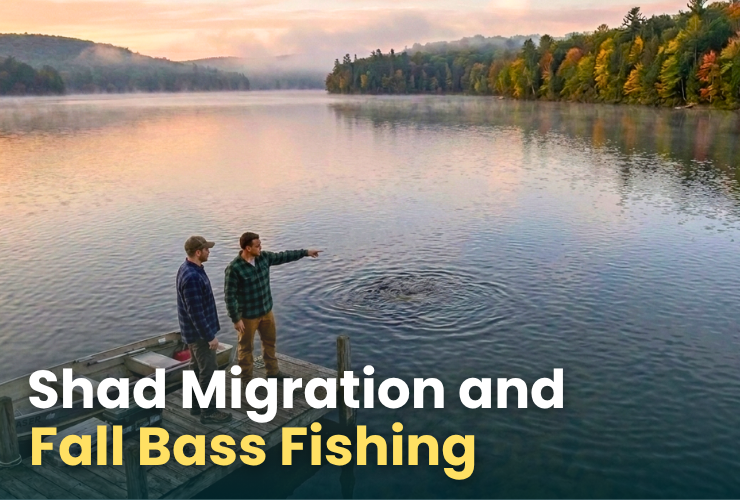
The bait fish run straight to the shallows to enjoy as much sunlight as they can. While the weather hasn’t gotten horrible yet, it is suddenly colder, and the bait fish will use every daylight hour to stay warm. The bass follow because of their feeding frenzy.
So, you’ll find the bass chasing down bluegill along the bank line, snapping them up at points that break up the current, and hiding just across a sudden drop-off to ambush stragglers.
Some bass suspend during this period while they recoup from the turnover, but you can reliably find them in shallow water.
During the first few rays of sunlight and the last few rays of sunlight for the day, the bass will attack topwater lures.
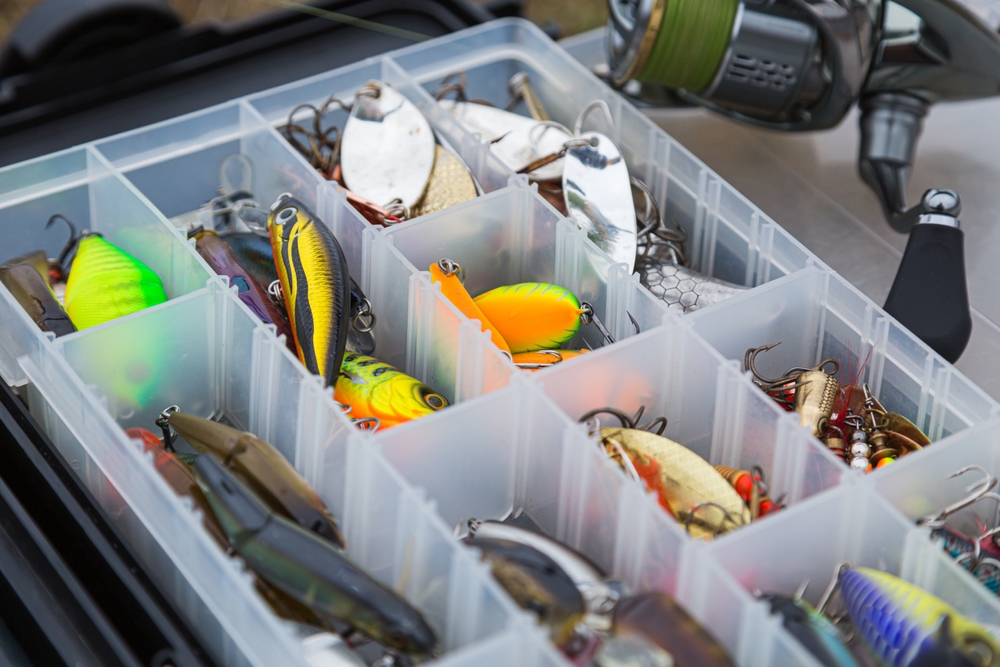
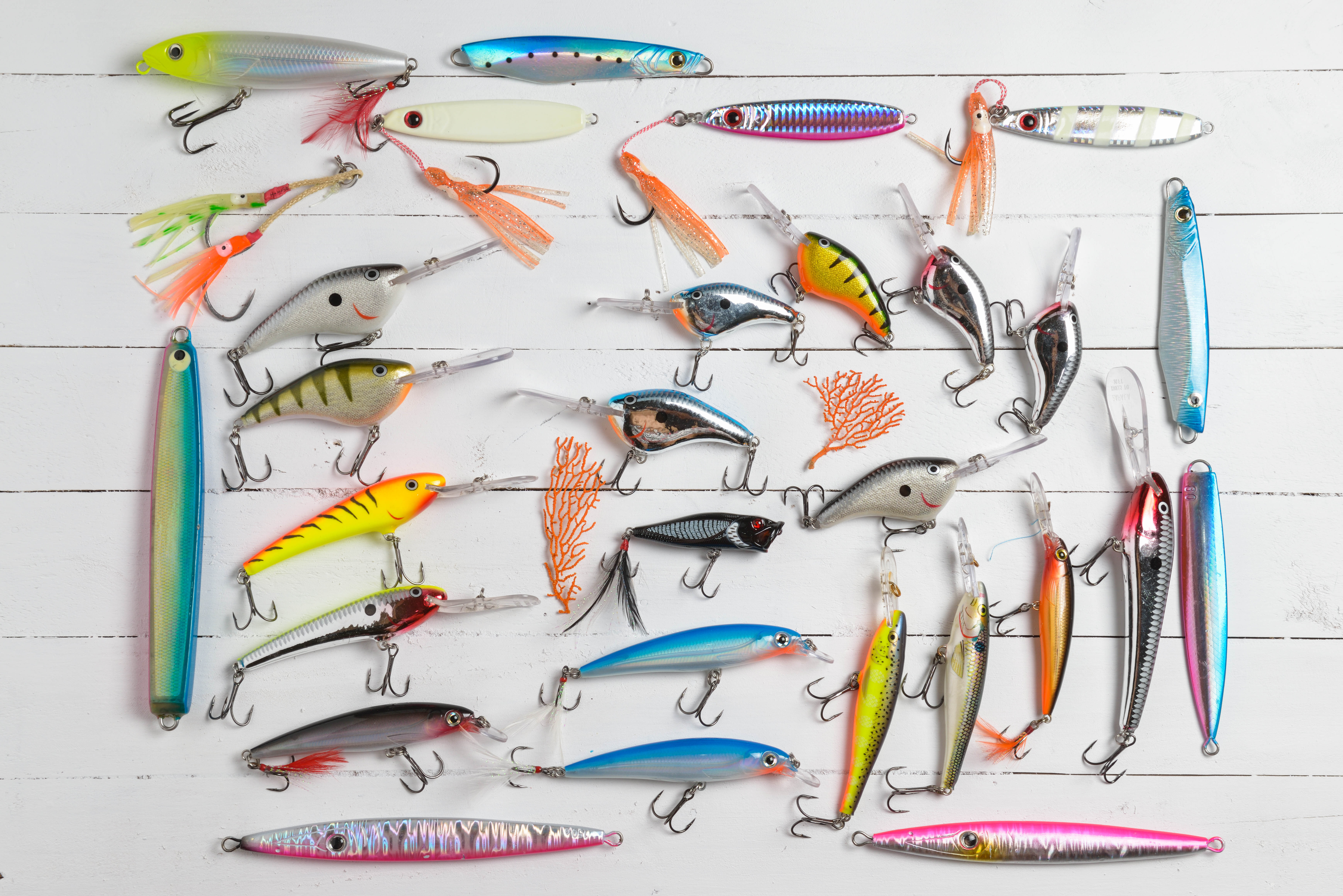
Your favorite topwater frogs, the legendary Whopper Plopper, and various prop baits are all great options.
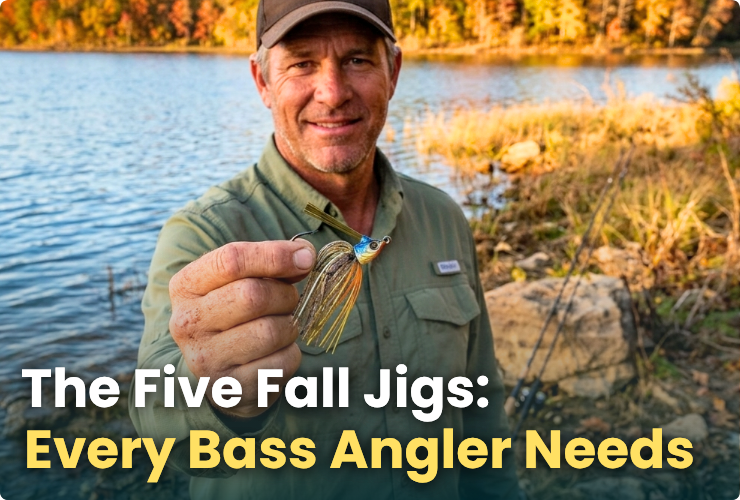
The rest of the time, you can reliably catch aggressive bass on spinner baits, cranks, and jigs.
One thing you’ll likely want to change is your lure color. The fall season triggers color changes in practically everything, and your go-to summer lures aren’t likely to be as effective. Red, brown, and blue/black combos are all popular choices.
In any case, this is some of the best fishing you can get in the fall, and it starts right after the turnover.
Late Fall Bass Patterns
The patterns we highlighted earlier tend to stick around for a while. The bass are primarily focused on getting lots of food and preparing for winter. So, don’t expect major behavioral patterns to shift.
Shallow water and transitional spots are going to be your best options, and you might even want to branch out into creeks and streams instead of the main lake body.
However, late fall is when you’ll start to notice some things.
The bass are still looking to pack on the pounds, but the temperatures are typically getting low enough that the bass are no longer in prime conditions. They slow down, become a lot more focused on getting warmth, and aren’t going to bite down on your lures nearly as often.
It’s not quite winter, but you start seeing more winter-like behavioral patterns out of the bass, especially if you live in an area that has more dramatic seasonal shifts, such as the Midwest.
The water might get much colder than what some people consider normal for fall, and it’s ultimately the water temperature that impacts things. Not the official dates for seasonal changes.
When the temps do start to get too low, the bass will start to move to the deeper parts of the water when there isn’t any sunlight, because that water takes longer to cool back down than surface water does.
When the sun does reach out over the water, the bass will move up toward the shallows to soak up that light and regulate their temperature. It’s usually easiest to catch bass during that period when they’re warming up.
If there are any heat sources in the water, such as manmade features like pumps, the bass might school up around those spots.
Luckily, this part of the season isn’t quite wintery yet, and you get plenty of sunlight hours to target them in. They’re also still fueling up for winter. So, they’re not as stubborn as they will be in January and February when they barely want to move.
Key Points to Consider About Fall Fishing
Outside of knowing their patterns and when to target them, there are other key points you need to know about fishing for bass in the fall.
1: Bass are At Their Prime Size
This is one of the biggest reasons not to give up like so many other anglers do when the turnover hits. Fall is when the bass are going to be the heaviest, especially after a few weeks into the start of fall.
They’re feeding rapidly in the shallows to make sure they’re ready for winter, and all that extra weight counts toward being your personal best.
Also, while that initial transition is tough, the bite normalizes shortly after. So, there are plenty of bites to get.
2: Red Lures Excel
The food chain changes a bit in the fall. While bluegill and shad are still major parts of a bass’s diet, crawfish are at their peak.
This is the perfect time to bust out those orangish-red lures, and if they mimic a craw’s shape and action, that’s even better.
This is particularly useful in streams and creeks where craws tend to hang around, and a lot of bass move to those shallow creeks and streams specifically to enjoy a crawfish feast.
3: You’re Going to Enjoy More Space
One really good thing about fall fishing is that most of the casual anglers pack up during the turnover. They’re going to switch to enjoying football season, hunting season, and other opportunities. So, dedicated anglers have a much less stressful time on the water.
Choosing a finesse presentation is still useful if the conditions are right, but this is the perfect time to bust out the larger baits that tend to be less effective during high-pressure fishing periods.
The bass are looking for big meals to pack on pounds, they’re aggressive enough to actually fight for a larger target, and you’re not dealing with a worn-out bass population that’s afraid to bite since most casual anglers are already off the water.
It’s not as dead and lonely as winter is, because other dedicated anglers will be out there, but you at least have many fewer people to deal with, and the bass respond to that by being less finicky.
4: Fish Smaller Water Bodies During Turnover
The turnover is one of the most difficult periods to fish, but it’s not the same length for every body of water.
In fact, you can go to a simple park pond one day, see all the signs of a turnover, and the next day it’s fine. In comparison, if you have a large reservoir you fish at locally, it might take a week or two before things normalize.
Sometimes, it might be a better idea to fish a smaller body of water for a week or two during the transition period. They turn over faster, and you don’t get skunked as much.
With that being said, there’s a lot to learn by challenging yourself, and we’re convinced that any angler who can consistently bring in catches during the turnover can fish year-round with great results.
Don’t Miss the Fall Bite: Follow the Bass
Fall might be when most anglers decide to put their rods away, but that’s a huge mistake. While the initial transition can be very difficult, fall provides some of the best perks for anglers.
The bass are feeding like crazy to fatten up for winter. That means they’re very aggressive and likely to give you back-to-back bites, and they’re the heaviest they’re going to be all year. So, it’s a great time to get your personal best without having to look for one-of-a-kind lunkers in the dead of winter.
Not to mention, you get to enjoy the peace that comes from wide-open lakes barely anyone is using. The boat docks are usually a lot easier to get in and out of, and bank anglers will typically have access to far more spots.
All you have to do is follow the bass. Usually, that’s going to mean finding them around the shallows and areas that aren’t messy from the turnover.
Don't give up this fall. Use these tips to target your new personal best.
Plan Your Fall Bite the Smart Way
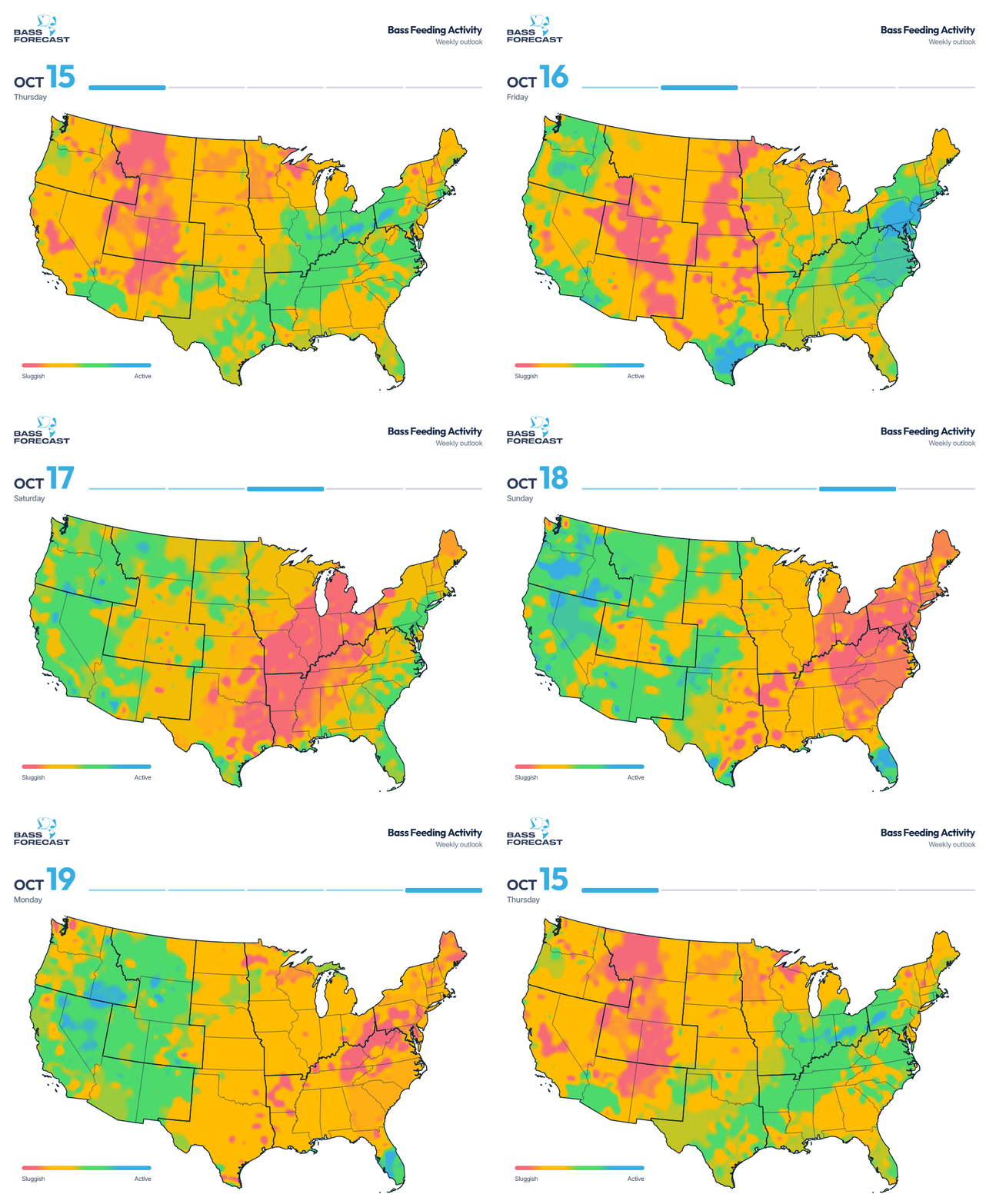
If you want to stay ahead of changing fall bass fishing patterns and know exactly when the bite is heating up, the right tools make all the difference.
Track conditions, plan smarter, and maximize every trip by staying one step ahead of the bass.
For the best results, download the Bass Forecast app and take the guesswork out of your fall fishing!


.png)
.png)