
Shad Migration and Fall Bass Fishing: Why the Baitfish Are Moving and How to Follow Them
Share this article with every angler you know!
Shad Migration and Fall Bass Fishing: Why the Baitfish Are Moving and How to Follow Them
You launch on your home lake in late September or early October.
The offshore ledge that produced consistently through August is empty. The grass edge that produced last weekend is not producing this weekend. The dock stretches that worked all summer feel dead. The lake is fishing like a different body of water than it did two weeks ago. Your fishing buddies are reporting the same thing and none of them agree on where the fish went.
Fall bass do not disappear. They follow shad.
Shad migration is the single biggest biological driver of fall bass behavior on reservoirs and larger natural lakes. Once you understand where the shad are moving on your water, you understand where the bass are going. Every fall pattern that felt random makes sense. Every empty summer spot has an explanation. Every productive fall spot has a reason.
This article covers what shad migration actually is, the two species that matter for bass fishing, how bass respond through three distinct phases of the migration, what baits produce at each phase, and how to read the migration on your specific lake right now.
If your fall bass fishing has felt inconsistent and you have not connected it to shad movement, this is the article that changes that.
Sign up to be notified of new bass fishing articles!
Get the Bass Fishing Playbook Every Week
What Shad Migration Actually Is
Frame this section with observed pattern language. Shad migration is a seasonal movement pattern that varies by species, region, and specific lake conditions. What we cover here is the pattern that produces consistently across most shad-dominated waters.
The Two Shad Species That Matter for Bass Fishing
Threadfin shad and gizzard shad are the two species that drive fall bass behavior on most American reservoirs and larger natural lakes. Both species migrate in fall but they migrate differently and matter differently for bass fishing.
Some regions have alewife, blueback herring, or other forage species that behave similarly. The framework in this article applies to any migrating forage species, though the specific timing and behavior varies by region.
Why Shad Move in Fall
Two biological drivers push shad from open water summer holding areas toward creek arms and shallower feeding zones in fall.
Thermal tolerance. As surface water temperatures drop, shad move to water depths and locations that maintain their preferred temperature range. Different shad species have different thermal tolerances, which drives different migration timing.
Food availability. Shad feed on plankton, algae, and organic matter that concentrates in specific water types as fall progresses. The migration follows the food. Creek arms and backwater areas that offer wind-protected water, nutrient inflow from tributaries, and warmer daytime temperatures become the fall shad concentration zones.
Bass follow this movement because it concentrates their primary food source in predictable water.
The Specific Triggers That Start the Migration
Multiple factors trigger the migration. No single trigger produces the movement in isolation.
Surface water temperature dropping consistently below 70 to 75 degrees is the primary signal on most reservoirs. The threshold varies by region and lake type. Northern lakes may see migration begin at 70 degrees. Southern lakes may not see migration until surface temperatures drop below 68 degrees.
Weather patterns matter. The first significant cool front of fall often triggers dramatic movement even if surface temperatures have not fully dropped. Sustained overnight cooling that pushes water temperatures down 5 or more degrees over a week produces stronger migration behavior than the same temperature reached gradually.
Shortening day length plays a supporting role by triggering hormonal changes in shad that align with the temperature-driven movement.
How the Migration Develops Across Weeks
Migration is not a single event. It develops across 4 to 6 weeks on most lakes as different shad populations respond to changing conditions at different rates.
The first shad schools begin moving during the first significant cool-down. Additional schools follow as conditions stabilize. Peak migration activity typically lasts 2 to 3 weeks in the middle of the window. Trailing shad continue moving into late fall.
Bass fishing follows this same arc. Early migration produces scattered activity as bass respond to the first moving schools. Peak migration produces the most concentrated fishing of the year as bass and shad concentrate in the same water. Post-migration produces the largest individual bass as the biggest fish settle into feeding patterns near abundant shad populations.
The Two Shad Species and How They Differ
Not all shad are the same. Understanding the difference between threadfin and gizzard shad matters for bait selection and reading water on your specific lake.
Threadfin Shad
Smaller species that averages 3 to 5 inches. More thermally sensitive than gizzard shad. Threadfin populations die off when water temperatures drop below 40 degrees, which limits their range to reservoirs and lakes that maintain warmer winter water or receive annual restocking.
Threadfin shad migration is more dramatic than gizzard migration. The temperature sensitivity forces threadfin schools into specific thermal refuge water types quickly as fall progresses. Bass keyed on threadfin follow tighter migration patterns than bass keyed on gizzard.
Lakes that hold significant threadfin populations produce concentrated fall bass fishing during the migration window because the bait and the bass compress into predictable water simultaneously.
Gizzard Shad
Larger species that grows up to 20 inches. More thermally tolerant than threadfin shad. Gizzard populations survive winter across a wider temperature range, which makes them the dominant forage species on many northern reservoirs and natural lakes.
Gizzard shad migration is less dramatic than threadfin migration. The larger size and better thermal tolerance means gizzard schools move more gradually and cover more diverse water types during fall. Bass keyed on gizzard follow looser migration patterns that produce good fishing across more water rather than concentrating extreme activity in specific zones.
Why the Difference Matters
Bait selection is affected. Threadfin-focused fisheries reward smaller shad-imitating baits in the 3 to 5 inch range. Gizzard-focused fisheries reward larger baits in the 5 to 8 inch range and can support very large swimbaits during peak fall feeding.
Reading water is affected. Threadfin migration produces concentrated activity in specific creek arms and backwater areas. Gizzard migration produces activity across wider water types including main lake points and larger flats.
Timing is affected. Threadfin migration completes faster because the temperature sensitivity forces rapid movement. Gizzard migration stretches longer because the fish can tolerate a wider temperature range during the transition.
How to Tell Which Species Dominates Your Lake
State fisheries department websites often list dominant forage species by lake. Local bait shops and guides know which species dominates the water they fish. Watching the size of shad on your local shad flip-and-die events tells you which species you have.
If your lake has both species, both migrate but on slightly different timelines. Threadfin move first. Gizzard follow. Understanding which species is currently active helps predict what phase of migration your lake is in.
How Bass Respond to Shad Migration
Bass do not migrate the same way shad do. Bass follow shad opportunistically, adjusting their positioning to intercept the movement rather than making their own biological journey.
The Pre-Migration Staging Pattern
Before the migration begins in earnest, bass position on offshore structure adjacent to the water shad will use during migration. Main lake points near creek arm openings. Offshore humps positioned between summer holding water and fall migration routes. Ledges near channel intersections that connect main lake to creek systems.
This staging pattern produces some of the best offshore fishing of the year. Bass are aggressively feeding to prepare for the migration follow, and their locations are more predictable than during peak summer because they are all positioning for the same event.
The Active Migration Pattern
Once shad begin moving in significant numbers, bass follow. Bass locations shift from offshore staging structure to intercept points along the migration routes. Creek mouths, secondary points inside creek arms, and shallow flats near creek openings all hold bass during the active migration window.
Active migration produces the fastest fishing of the fall for anglers who can find the migration corridors. Schools of bass follow schools of shad. Both concentrate in the same water. Reaction baits produce because bass are aggressively feeding.
The Post-Migration Feeding Pattern
Once bass complete the migration follow, they concentrate in the backwater feeding areas where shad have settled. Deep coves with adjacent wintering water. Creek arm pockets with cover and shad access. Backwater flats with rocky or wooded structure.
Post-migration produces the largest individual bass of the fall. The biggest fish claim the best feeding zones with the most concentrated shad populations. Anglers who find these zones catch personal-best fish with regularity.
The Turnover Chaos Period
On lakes deep enough to develop meaningful thermal stratification, turnover disrupts the migration pattern for 5 to 10 days when it occurs. Turnover happens when surface water cools enough to sink through the thermocline, which mixes the water column and disrupts oxygen distribution.
During turnover, bass become disoriented as oxygen levels shift throughout the water column and shad schools scatter. Some lakes fish poorly during specific weeks of the fall that align with turnover. Anglers who understand which lakes turn over and when can plan around the disruption.
Not every lake experiences dramatic turnover. Shallow reservoirs and current-influenced water bodies see less pronounced turnover than deep stratified lakes.

How to Read Shad Migration on Your Water
Reading the migration on your specific lake is the tactical skill that separates fall bass anglers who catch fish consistently from those who chase yesterday's pattern.
Water Temperature Signals
Track surface water temperature on your lake weekly. When surface temperatures drop below the 70 to 75 degree range and continue trending down, migration is likely beginning. When surface temperatures drop below 60 degrees, migration is typically well underway or completing depending on regional patterns.
Water temperature stability matters as much as absolute temperature. A stable trend downward produces predictable migration behavior. Rapid temperature swings from cold fronts produce erratic migration behavior that can compress or extend the window unpredictably.
Visual Signs of Shad Movement
Surface activity in new locations. Shad schools that surface in creek arms or coves where they were not surfacing in August indicate movement. Watch these areas at dawn and dusk when shad activity is highest.
Bird activity. Diving gulls, terns, and diving ducks all key on migrating shad. Concentrated bird activity over water typically means shad are being pushed up by predators below. Follow the birds.
Sonar signatures. Modern electronics show shad schools clearly. Marking large shad schools in areas that were not holding schools in summer indicates migration. Marking scattered small schools in areas that held large schools in summer indicates the population is moving out.
Bass Behavior Signals
Schooling intensification. Bass schooling activity typically intensifies during active migration windows as bass and shad concentrate in the same water. If schooling activity has picked up significantly on your lake, the migration is likely in the active phase.
Changing productive depths. Bass that were consistently on offshore ledges at 15 to 20 feet in summer suddenly producing at 5 to 8 feet in creek arms indicates active migration follow. The change happens fast when it happens.
Larger average size. As migration progresses toward the post-migration phase, average fish size often increases. Bigger bass claim the best feeding zones with the densest shad concentrations.
When to Check Different Water Types
Early in the migration window, focus on offshore structure and points near creek arm openings. Bass are staging.
During peak migration, check creek mouths, secondary points inside creek arms, and shallow flats near creek openings. Bass are following.
Late in the migration window, focus on backwater pockets, coves with deep water access, and cover-rich shallow flats. Bass have completed the follow.
The Three Phases of Shad Migration and Where Bass Are in Each
The article's centerpiece. Three distinct phases with three distinct bass locations and three distinct tactical approaches.
Phase 1: Pre-Migration Staging
Bass on offshore structure adjacent to shad movement routes. Main lake points, offshore humps, ledges near creek arm openings. Depth range typically 12 to 20 feet on most reservoirs.
Timing. Beginning when surface water temperatures start trending downward below 75 degrees. Lasts 1 to 3 weeks depending on weather stability.
Fishing pattern. Aggressive offshore reaction bite. Bass are feeding heavily to prepare for the migration follow. Offshore ledge and structure fishing is at highest reliability of the year.
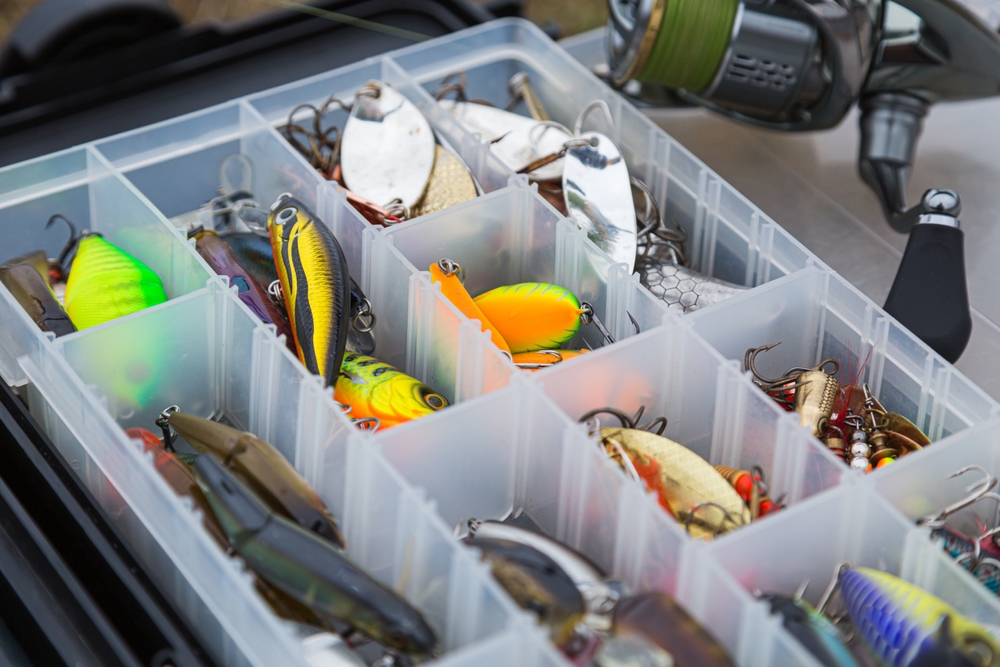
Top baits for Phase 1:
Z-Man ChatterBait Elite EVO HD in Shad Spawn or Sexy Shad for staging structure
Dirty Jigs Casting Jig with football head in green pumpkin or brown craw for offshore rock
Strike King 10XD deep crankbait in shad patterns for ledges
Phase 2: Active Migration
Bass following shad into shallower water and creek arms. Creek mouths, secondary points inside creek arms, shallow flats near creek openings. Depth range shifts to 5 to 12 feet on most reservoirs.
Timing. Beginning when shad schools begin significant movement, typically after the first significant cool front of fall. Lasts 2 to 3 weeks during the peak window.
Fishing pattern. Fast action reaction fishing. Schools of bass following schools of shad. Both concentrate in the same water. Cover water efficiently to find the moving schools.
Top baits for Phase 2:
Rat-L-Trap Original in Chrome Blue or Chrome Black for migrating shad schools
Heddon Zara Spook in bone for surface activity on shad schools
Keitech Fat Swing Impact 3.3 in Hot Minnow or Green Pumpkin Shad matched to shad size
LiveTarget Threadfin Shad Rattlebait in Silver Blue Shad for high-detail imitation
Phase 3: Post-Migration Feeding
Bass concentrated in backwater feeding areas with abundant shad. Deep coves with wintering water access, creek arm pockets with cover, backwater flats with rocky or wooded structure. Depth range varies but often includes shallow water bass that would not be shallow in summer.
Timing. Beginning as active migration completes. Lasts through late fall and into early winter depending on region.
Fishing pattern. Concentrated fish on cover. Bass are feeding heavily on abundant shad populations. This is the phase that produces the largest individual bass of the fall.
Top baits for Phase 3:
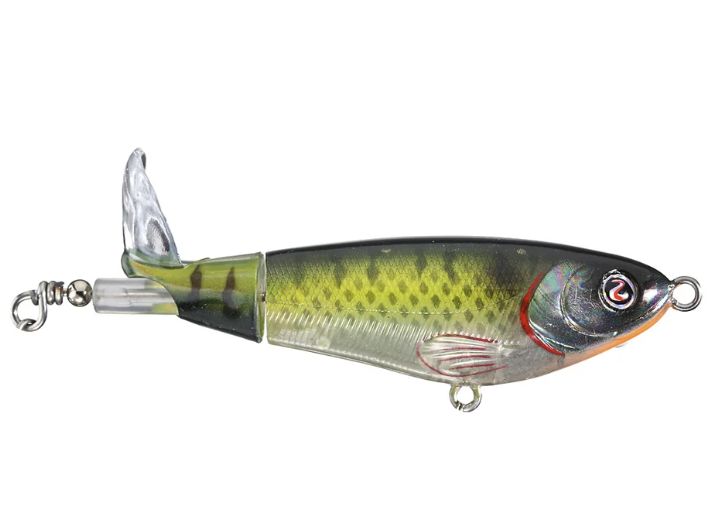
Booyah Pad Crasher for matted vegetation in backwater areas
Booyah Buzz for grass edges and cover
Z-Man ChatterBait Elite EVO HD in dirty shad or bluegill patterns
Dirty Jigs Casting Jig with skirted design for cover-oriented bass
Regional Shad Migration Timing
Regional breakdown with specific timing for 2026.
Northern Lakes and Great Lakes (MI, WI, MN, IA, NY, VT, NH, ME)
Migration typically begins late August to mid-September. Peak activity in late September through October. Post-migration extends through November on warmer lakes.
Great Lakes smallmouth waters see migration patterns as well, though the specific shad populations vary. Lake Erie sees dramatic emerald shiner and smelt migrations that drive smallmouth behavior similarly to reservoir shad migrations.
Mid-South and Ozark Reservoirs (TN, KY, NC, VA, MO, AR)
Migration typically begins mid to late September. Peak activity in mid-October through early November. Tennessee River reservoirs including Guntersville, Kentucky Lake, and Chickamauga produce peak fall bass fishing during the migration window.
Ozark reservoirs including Table Rock, Bull Shoals, and Beaver Lake see clear phased migration with concentrated post-migration fishing in creek arm pockets.
Southeast Reservoirs (FL, GA, AL, MS, SC, LA)
Migration typically begins late September to early October. Peak activity in late October through mid-November. Warmer water extends the migration window later into the calendar than northern regions.
Florida reservoirs see less dramatic migration patterns because warmer year-round water keeps shad populations more distributed. Georgia, Alabama, and Mississippi reservoirs see clearer migration behavior.
Southwest Reservoirs (TX, OK)
Migration typically begins early October. Peak activity in late October through late November. Extended warm water pushes the migration timing later than most regions.
Lake Fork, Sam Rayburn, Ray Roberts, and Lake Amistad all see significant shad migration during this window. Texas anglers who wait for the migration to hit their lakes get some of the best fishing of the year.
Western Reservoirs (CA, OR, WA, NV, AZ)
Elevation-dependent timing. Lower elevation reservoirs see migration begin in mid to late October. Higher elevation waters see earlier migration timing. California reservoirs including Clear Lake and Folsom produce significant fall shad migration bass fishing.
Pacific Northwest waters see different forage patterns with less pronounced shad migration but similar bass behavior in response to cool water and baitfish movement.
Why the Migration Matters for the Rest of Your Fall
Once bass complete the migration follow, they stay in the post-migration pattern through late fall and into early winter. Understanding the migration is understanding what happens for the next 8 to 12 weeks.
Post-Migration Bass Are the Fattest Bass of the Year
The biggest bass gorge on abundant shad populations in post-migration feeding zones. These fish are heavier per inch than at any other time of year. Bass that measured 20 inches and weighed 4 pounds in summer measure 20 inches and weigh 5 pounds in late fall.
If you want to catch your personal best bass, the post-migration window is often the highest-probability time of year.
Concentrated Fish Means Concentrated Fishing Opportunities
Bass that were spread across offshore structure in summer concentrate in specific backwater feeding zones during post-migration. Anglers who find the zones catch multiple bass from small areas.
The tradeoff is that finding the zones requires searching. Not every creek arm holds post-migration bass. Not every backwater cove has shad concentrated in it. Anglers who invest time in locating the productive zones outfish anglers who continue fishing summer patterns after the migration has completed.
Why Late Fall Often Produces the Largest Bass of the Year
Combination of concentrated location, heavy feeding, and reduced fishing pressure. Most anglers stop fishing consistently by late October or early November. The bass do not stop feeding. The largest bass in the system continue eating aggressively through late fall as they build reserves for winter.
Anglers who continue fishing through November and into early December often catch the biggest bass of their year during this window.
Bass Angler-Type Breakdown
Bank Anglers
Post-migration is prime time for bank anglers. Bass concentrated in backwater coves and creek arm pockets are often accessible from shore. Bridge causeways over creek arms. Rocky shoreline stretches with immediate depth access. Marina and dock areas that hold shad concentrations.
Bank anglers who identify the shad concentration zones on their local water can outfish boat anglers who continue chasing summer patterns after the migration.
Kayak Anglers
Backwater creek arms and pockets are perfect kayak water. The stealth advantage matters for post-migration fish that have been pressured all summer. Kayak anglers navigate the shallow cover-rich water that holds post-migration bass better than most boats.
Peak kayak season for reservoir fishing runs from active migration through post-migration. Prioritize kayak trips during this 6 to 8 week window.
Boat Anglers
Electronics-heavy pattern for finding migrating shad schools. Modern sonar identifies shad school locations and bass concentrations near them. Boat anglers with quality electronics locate the migration corridors and post-migration feeding zones efficiently.
Range is the boat advantage during active migration. Cover multiple creek arms on the same trip to identify which ones hold moving shad. Return to the productive ones through peak migration.
Frequently Asked Questions (FAQs)
BEFORE YOU CHASE THE FALL BITE
Common Questions About Shad Migration and Fall Bass Fishing
Why do bass follow shad in fall?
Shad are the primary forage for largemouth, smallmouth, and spotted bass on most reservoirs and larger natural lakes. In fall, cooling water temperatures push shad schools from open water summer holding areas toward creek arms and shallower feeding zones where they can find food and thermal comfort. Bass follow this movement because it concentrates their food source in predictable water. The migration is the single biggest biological driver of fall bass behavior.
When does shad migration start?
Shad migration timing varies by region and lake. In northern regions including the Great Lakes and Upper Midwest, migration typically begins in late August to mid-September. Mid-South and Ozark reservoirs typically see migration begin in mid to late September. Southern reservoirs see migration begin in late September through October. Peak migration activity typically lasts 4 to 6 weeks and produces some of the most concentrated bass fishing of the year.
What is the difference between threadfin shad and gizzard shad?
Threadfin shad are smaller (typically 3 to 5 inches), more thermally sensitive, and die when water temperatures drop below 40 degrees. Gizzard shad are larger (up to 20 inches), more thermally tolerant, and survive winter in most reservoirs. Both species migrate in fall but threadfin migration is more dramatic and concentrated. Understanding which species dominates your lake affects bait selection and reading migration timing.
How do I know if shad are migrating on my lake?
Watch for surface activity in areas that were not producing surface activity two weeks earlier. Look for diving gulls and bird activity over water. Check your sonar for shad schools in creek arms and backwater areas where they were not present in summer. Ask local anglers or bait shops about surface activity and bird movement. Bass Forecast tracks the water temperature trends that predict migration timing for your specific water.
Where do bass go when shad migrate?
Bass follow the shad through three predictable phases. Pre-migration, bass stage on offshore structure adjacent to shad movement routes. During active migration, bass track shad into shallower water and creek arms. Post-migration, bass concentrate in backwater feeding areas where shad have arrived in abundance. Understanding which phase your lake is in tells you where the bass are.
What baits work during shad migration?
Shad-imitating baits dominate. Chatterbaits, walking baits, lipless crankbaits, and small swimbaits in shad patterns all produce during migration windows. The specific bait depends on which migration phase your lake is in. Pre-migration favors offshore reaction baits. Active migration rewards reaction baits and topwater. Post-migration produces on baits worked around shallow cover and structure.
Why does my lake fish poorly during some fall weeks?
Some fall weeks coincide with turnover, which is a physical disruption of the lake's thermal stratification. During turnover, bass become disoriented as oxygen levels shift throughout the water column and shad schools scatter. Turnover typically lasts 5 to 10 days on affected lakes and coincides with dramatic drops in water temperature. Not every lake experiences dramatic turnover. Reservoirs and larger natural lakes see it most clearly.
Do all lakes have shad migration?
No. Small ponds without significant shad populations do not experience meaningful shad migration. Natural lakes with mixed forage bases have less pronounced migration than shad-dominated reservoirs. Reservoirs with heavy shad populations experience the most dramatic migration patterns. If your water is a small pond or natural lake with minnows and bluegill as primary forage, fall bass behavior is driven by different factors.
How long does shad migration last?
Peak migration typically lasts 4 to 6 weeks depending on water temperature stability and weather patterns. Cool consistent weather produces a rapid migration that concentrates fish quickly. Warm unstable weather stretches the migration over longer periods. Once bass complete the migration follow, they stay in post-migration patterns through late fall into early winter.
When is the best time to fish during shad migration?
Active migration windows produce the fastest fishing but require reading the lake correctly. Post-migration produces the largest individual bass as the biggest fish concentrate in shallow feeding areas with abundant shad. Weekend warriors should watch for the first significant cool-down that pushes their lake into active migration and prioritize trips during the 3-week window that follows.
What water temperature triggers shad migration?
Surface water temperatures dropping consistently below 70 to 75 degrees typically triggers the beginning of migration on most reservoirs. The specific threshold varies by region and lake type. The trend matters more than the absolute number. Water dropping from 78 to 72 over a week produces stronger migration behavior than water sitting stably at 72.
Use the Bass Forecast App and Web App
Shad migration timing depends on water temperature trends and weather patterns specific to your lake. Bass Forecast tracks water temperature, barometric pressure trends, wind patterns, and solunar timing for your exact location. Know when the migration is beginning on your water before it becomes obvious.
Bass Forecast also recommends baits from 22 categories based on current conditions, so as your lake shifts through the three migration phases you get the specific bait recommendations for what is actually producing.
Download Bass Forecast to plan smarter trips through the fall migration.





-1730906327.jpg)
.png)
.png)