
Fall Grass Bass Fishing: The Playbook for Peak Season Vegetation Bass
Share this article with every angler you know!
Why Fall Grass Fishing Is Different Than Summer Grass Fishing
Fall officially arrives tomorrow, September 22.
But if you fish a grass lake and you have not been on the water in the last two weeks, you have been missing some of the best fishing of the year. The equinox is the calendar marker. The fishing shift started earlier.
Fall grass fishing is not the same as summer grass fishing. Summer grass fishing rewards anglers who beat the heat, pick the right window, and know how to work through thick mats when the fish are locked into matted cover for thermal refuge. Fall grass fishing is different. Water temperatures are dropping. Shad are moving. Bass are following the shad into and out of the vegetation. The grass itself is changing as some plants begin to die back and expose fresh edges.
The bass that were locked into small pockets of mat cover in August are now roaming the grass edges. Bass that were spread across offshore ledges are pushing into creek arm grass where shad are concentrating. And the biggest bass on your lake are eating aggressively to build reserves before winter.
This article covers how fall grass fishing works, why the pattern peaks between mid-September and late October, what specific baits produce across every grass water type, and how to read the vegetation on your lake right now.
If you fish Guntersville, Kissimmee, Champlain, Sam Rayburn, Toledo Bend, Okeechobee, or any other grass lake in America, this is the article that changes your fall fishing.
Water Temperature Changes Everything
Summer grass fishing happens in water that pushes bass out of open areas and into thermal refuge. Bass hold in mat cover for the shade and cooler water underneath. Frog fishing over mats is the classic technique because it targets bass that are locked to specific cover.
Fall changes the water temperature equation. As surface temperatures drop from the 80s into the 70s and 60s, bass no longer need mat cover for thermal refuge. They still use grass but they use it differently. Grass becomes the ambush structure and the forage concentration zone rather than the thermal shelter.
The tactical implication is significant. Fall grass fishing rewards anglers who cover water rather than anglers who camp on specific mats. Bass are moving. Anglers who move with them catch fish. Anglers who fish yesterday's honey holes catch nothing.
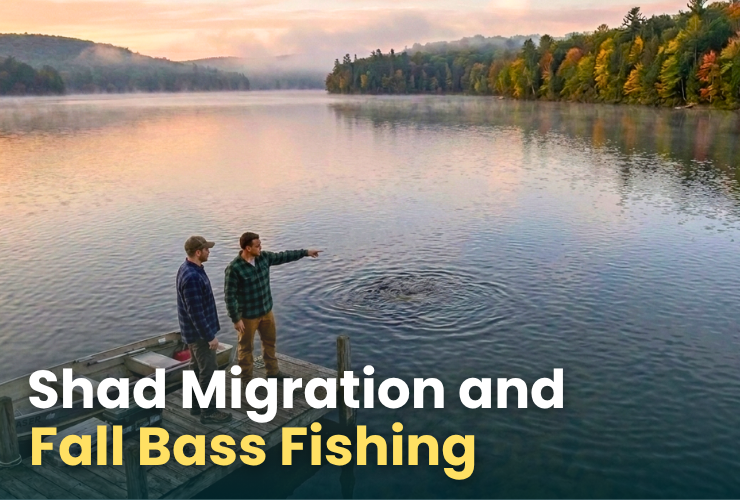
Shad Migration Pulls Bass Into Grass Systems
Shad populations move from open water summer holding areas toward creek arms and shallower feeding zones during fall. On grass lakes, that movement often pulls shad directly into grass edges and interior openings where the plants concentrate the food chain.
Bass follow. On a grass lake with active shad migration, the vegetation that held fish sporadically during summer becomes the primary fall bass zone. Every grass edge, hydrilla point, milfoil patch, and lily pad field can hold concentrated bass populations feeding on migrating shad schools.
For more on shad migration and how it drives fall bass behavior across every water type, read our shad migration anchor article. On grass lakes specifically, the migration produces the most concentrated fall fishing opportunity of the year.
Grass Composition Changes Through Fall
Not all grass survives fall equally. Understanding which vegetation is dying back on your lake and which is still viable determines where to fish.
Hydrilla holds up strongly through fall on most southern lakes. The plants stay green and continue producing oxygen and cover through October and into November. Fall hydrilla is often the most productive grass on southern reservoirs.
Milfoil tends to die back earlier in the fall. Northern milfoil beds may begin thinning in September. Southern milfoil holds longer. Watch for the specific stage of milfoil dieback on your lake to identify the strongest remaining beds.
Native aquatic plants including eelgrass, coontail, and pondweed have region-specific fall timing. Some fade fast. Others hold through freeze-over. Local knowledge matters here.
Emergent vegetation including pads, reeds, and cattails often produces late fall bass fishing as bass move tight to shoreline cover in the coldest water temperatures. Not the same pattern as submerged grass but part of the same fall grass system.
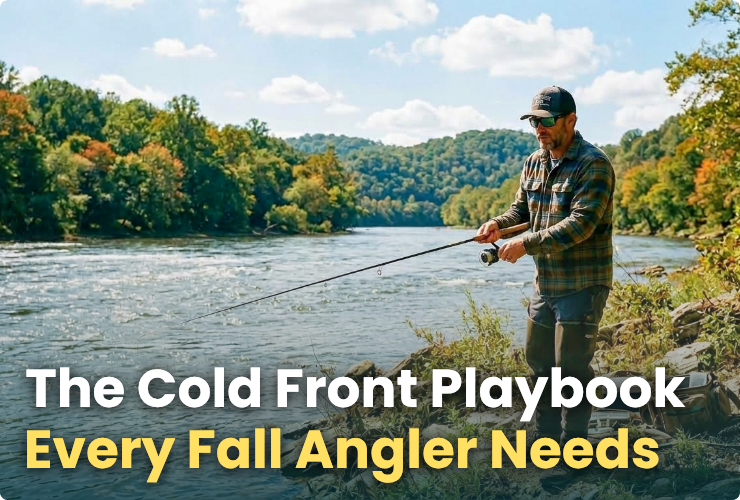
Cold Fronts Push Bass Deeper Into Cover
Fall cold fronts are a constant this time of year. Fronts push bass tight to the thickest and most protective cover available. On grass lakes, that means bass push deeper into matted vegetation, tighter to submerged wood inside grass systems, and further into interior grass channels than they were pre-front.
Post-front grass fishing requires different tactics than pre-front grass fishing. Both are covered in the sections below.
Where Fall Bass Hold in Grass Systems
Fall grass fishing requires reading the specific water types within grass systems. Not all grass is equal. Some sections hold concentrated bass populations. Some sections are empty despite looking productive.
Outside Grass Edges
The line where grass meets deeper open water is the single most productive fall grass zone on most lakes. Bass position along the edge and ambush shad and baitfish moving from open water into the grass. Working the edge with a reaction bait like a chatterbait or swim jig covers water efficiently and finds the active fish.
The outside edge fishes best during the morning and evening feeding windows. Midday activity often shifts inside the grass or deeper along the edge depending on light and pressure conditions.
Interior Grass Openings and Channels
Openings inside grass systems concentrate bass and forage. A small opening surrounded by hydrilla or milfoil creates an ambush zone where bass can position on grass edges within the interior of a larger vegetation bed. These openings often produce concentrated bass populations that anglers miss because they focus on the outside edges.
Working interior openings requires precise casting. A pitching or flipping approach works well. Working the edges of the opening with a compact swim jig or wacky-rigged worm produces bites from bass that have retreated inside the vegetation.
Grass Points and Cuts
Where grass extends into open water as a point or where an open water cut extends into grass, both create structural anomalies that concentrate fish. Grass points position bass to ambush baitfish moving along the outside edge. Cuts create funneling zones where shad and bluegill get pushed into concentrated pockets.
Fish both slowly and methodically. Multiple casts to the same grass point or cut often produce multiple fish because different bass hold at different positions within the structure.
Matted Cover Over Deeper Water
Where matted vegetation extends over water 5 to 12 feet deep, the mats become fall holding zones for bass. The vegetation provides overhead cover. The deeper water provides thermal comfort and escape depth. Bass in this configuration are locked to specific mat pockets and require targeted presentations.
Punching heavy cover with a Texas-rigged creature bait or flipping a compact jig produces on matted cover during fall. The presentation is slow, methodical, and cover-focused rather than the water-covering approach that works on outside edges.
Grass Lines Adjacent to Creek Channels
Where grass beds run parallel to creek channels or channel swings, the combination of vegetation and depth creates prime fall bass zones. Bass use the grass for ambush and the adjacent depth for thermal comfort and shad movement corridors.
Working the grass edge along a channel with a chatterbait or lipless crankbait covers the highest-percentage water on the lake. This is often the pattern that produces the biggest bass of the fall.
The Best Baits for Fall Grass Bass Fishing
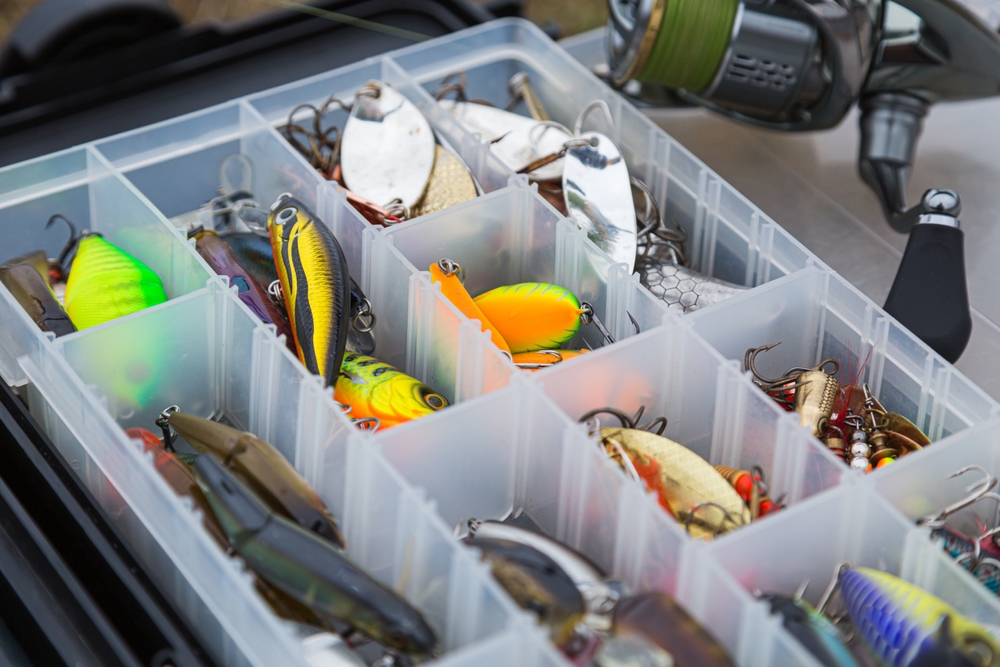
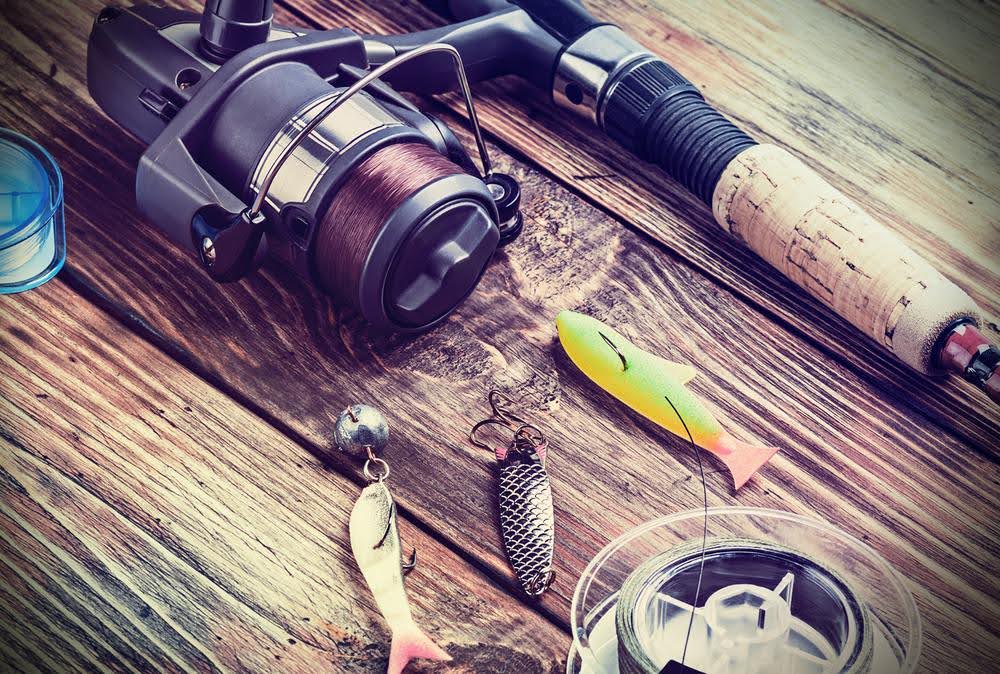
Named products across every category that produces on fall grass.
Chatterbaits and Bladed Jigs
The single most versatile fall grass bait. Chatterbaits produce on grass edges, through sparse vegetation, along mat cover edges, and through interior openings. Work them at multiple speeds and depths to find what the fish want on a given day.
Z-Man ChatterBait Elite EVO HD in shad patterns for open grass edges. Sexy Shad, Shad Spawn, or Silver Blue Shad. Standard 1/2 ounce for most applications. Steady retrieve with occasional rip pauses through cover.
Strike King Thunder Cricket as an alternative bladed jig with slightly different vibration characteristics. Chartreuse Shad or Purple Bluegill for stained water applications.
Trailer selection matters on chatterbaits. Zoom Swimming Fluke Jr, Yamamoto Zako, or Keitech Fat Impact 3.3 all pair well with chatterbaits on fall grass.
Hollow Body Frogs
The classic mat and pad bait continues to produce through fall on lakes where matted vegetation persists. Fall frog fishing peaks on southern lakes with hydrilla mats and northern lakes with pad fields.
Booyah Pad Crasher in black or bullfrog for standard mat presentations. Cast beyond the target mat, work the frog across the surface with a walking cadence, and pause over any open holes or edges.
SPRO Bronzeye Frog 65 for aggressive walking action on lighter mats and grass edges.
Snag Proof Ish's Phat Frog for slop and heavy cover applications where the frog needs to plow through vegetation.
Fall frog fishing works both walking mats and holes. Walk the frog until you hit an opening, then pause it in the opening for 3 to 5 seconds. Multiple bites happen on the pause after the walk.
Swim Jigs
Swim jigs are the most underrated fall grass bait. They cover water like chatterbaits but with a more natural profile that produces on pressured bass that have seen too many bladed baits.
Strike King KVD Finesse Swim Jig in Blue Gizzard Shad or Green Pumpkin Shad for open grass edges. Standard 3/8 ounce for most applications.
Dirty Jigs No Jack Swim Jig in shad or bluegill patterns for pressured water.
Pair swim jigs with a soft plastic trailer. Zoom Swimming Fluke, Yamamoto Zako, or a paddle tail swimbait like the Keitech Fat Impact 3.3. The trailer profile changes the bait's overall size and helps you match what the bass are feeding on.
Lipless Crankbaits
Fall lipless crankbait fishing peaks on grass lakes where hydrilla is starting to thin or die back. Rip a lipless through emerging grass edges to trigger reaction strikes from bass following shad schools.
Rat-L-Trap Original in Chrome Blue or Chrome Black for classic shad imitations on grass edges.
LiveTarget Threadfin Shad Rattlebait in Silver Blue Shad for high-detail imitation in clear water.
Strike King Red Eye Shad in Sexy Shad or Silver Sexy Shad for versatile fall grass applications.
The lipless technique on grass is specific. Cast across the grass edge, retrieve until the bait hits the top of the grass, then rip it free with a sharp rod snap. The rip strike is what triggers reaction bites from bass following the retrieve.
Buzzbaits
Fall buzzbait fishing peaks in September and October on grass lakes across most of the country. Buzzbaits produce during morning and evening windows and continue through midday on overcast days.
Booyah Buzz in Snow White Shad or Chartreuse Shad for standard buzzbait applications. Standard 1/4 ounce or 3/8 ounce depending on cover density.
Bill Lewis Buzz Bomb as an alternative with slightly different blade characteristics.
Menendez Buzzbait for high-quality construction and specific cover applications.
Work buzzbaits along grass edges, over open water pockets in grass systems, and through emergent vegetation edges. The steady buzz cadence draws bass out of grass to strike.
Weightless Soft Plastics
For pressured bass and specific matting patterns, weightless soft plastics can produce when reaction baits fail.
Yamamoto Senko in 5 inch length. Green pumpkin, watermelon red, or black-blue. Wacky-rigged or Texas-rigged weightless. Pitch into grass openings and let the natural fall trigger bites.
Zoom Fluke in Pearl or Watermelon Pearl for a subtle jerkbait action across grass edges. Twitch and pause cadence.
Toads and Buzz Frogs
Between hollow body frogs and buzzbaits, soft plastic toads with paddle tails or Sputterbuzz-style baits produce on fall grass edges and mats.
Zoom Horny Toad in Green Pumpkin or Watermelon Red on a 5/0 EWG hook. Steady retrieve with occasional pauses.
Stanley Ribbit as an alternative toad design with different action profile.
Regional Fall Grass Fishing Right Now
Regional breakdown for late September 2026.
Southeast (Florida, Georgia, Alabama, Mississippi, Louisiana)
Peak hydrilla season. Water temperatures in the mid to upper 70s across most reservoirs. Frog fishing, chatterbait fishing, and swim jig fishing all producing on Guntersville, Kissimmee, Toledo Bend, Sam Rayburn, and Okeechobee.
Guntersville is at absolute peak grass fishing right now. Hydrilla mats holding concentrated bass populations. Frog bite in the morning, chatterbait through the day, and jerkbait for slow midday windows. This is the region and time of year that grass anglers travel across the country to experience.
Southwest (Texas, Oklahoma, Arkansas)
Fall grass patterns developing across Texas hill country reservoirs and Oklahoma lakes. Sam Rayburn hydrilla producing. Ray Roberts and Lake Fork grass fishing improving as water temperatures drop. Lake Amistad grass beds along creek arms hold concentrated bass.
Watch for the first significant cool front to push bass tight to grass on Southwest reservoirs. Post-front grass fishing on Rayburn and Fork is particularly productive.
Mid-South (Tennessee, North Carolina, Virginia, Kentucky)
Tennessee River grass at peak fall reliability. Chickamauga, Kentucky Lake, and Guntersville all producing across multiple grass techniques. Chatterbait bite on grass edges. Frog bite on remaining mat cover. Swim jig producing in openings and along channels.
Tennessee River reservoirs are the strongest fall grass fisheries in the Mid-South and among the strongest in the country. Prioritize trips here through mid-October.
Mid-Atlantic and Ozarks (Missouri, Illinois, Indiana, Ohio, Maryland, Pennsylvania)
Natural lake grass beds producing across Wisconsin, Minnesota, and Illinois waters. Fall pad edges and outside weed lines on natural lakes concentrate bass as water temperatures drop. Ozark reservoir grass is limited but where it exists (specific coves and creek arms) it produces well right now.
Mid-Atlantic natural lake grass fishing peaks in October before cold fronts thin the vegetation.
Great Lakes and Upper Midwest (Michigan, Wisconsin, Minnesota, Iowa, New York)
Northern natural lake grass at peak fall reliability. Outside weed edges and pad fields concentrate largemouth. Frog fishing on remaining pad cover. Chatterbait and swim jig on outside grass edges. Rapala DT-10 producing on transition zones between grass and open water.
Great Lakes tributary systems and connected lakes offer grass fishing on protected coves and backwater areas.
Northeast and New England (New York, Pennsylvania, New Jersey, Connecticut, Massachusetts, Vermont, New Hampshire, Maine)
Lake Champlain grass patterns still producing before fall cools significantly. Northeast natural lakes with grass beds fishing well through early October. Watch for the peak fall transition window in the next 2 to 3 weeks.
West and Pacific Northwest (California, Oregon, Washington)
California Delta grass fishing at peak. Frog bite on mats. Chatterbait along outside edges. Clear Lake and Delta systems producing across every grass technique. Pacific Northwest waters with grass concentrations produce late fall largemouth as water temperatures drop.
Rocky Mountains (Colorado, Utah, Wyoming, Montana, Idaho)
Grass fishing limited by lake types across most Rocky Mountain waters. Where grass exists (specific reservoirs with vegetation), fall patterns produce reliably through October before winter shuts down the pattern.
Reading Fall Grass on Your Lake This Week
The tactical framework for identifying where to fish grass this weekend.
Watch the Shad
Shad concentrations tell you where to fish grass. Where shad are pushing into grass edges, bass are following. Where shad have moved out of a grass area, bass have often moved with them.
Look for surface activity on grass edges. Diving gulls and bird activity over grass. Sonar signatures showing shad schools near vegetation. All indicate active feeding zones.
Check the Water Clarity
Fall water clarity varies by lake. Some lakes stay clear through fall. Others get stained or muddy as fall rains bring runoff and thermal turnover mixes bottom sediment.
Clear water rewards finesse presentations and natural colors. Stained water rewards louder baits and darker or brighter colors. Match your bait selection to what the fish can actually see.
Time the Weather
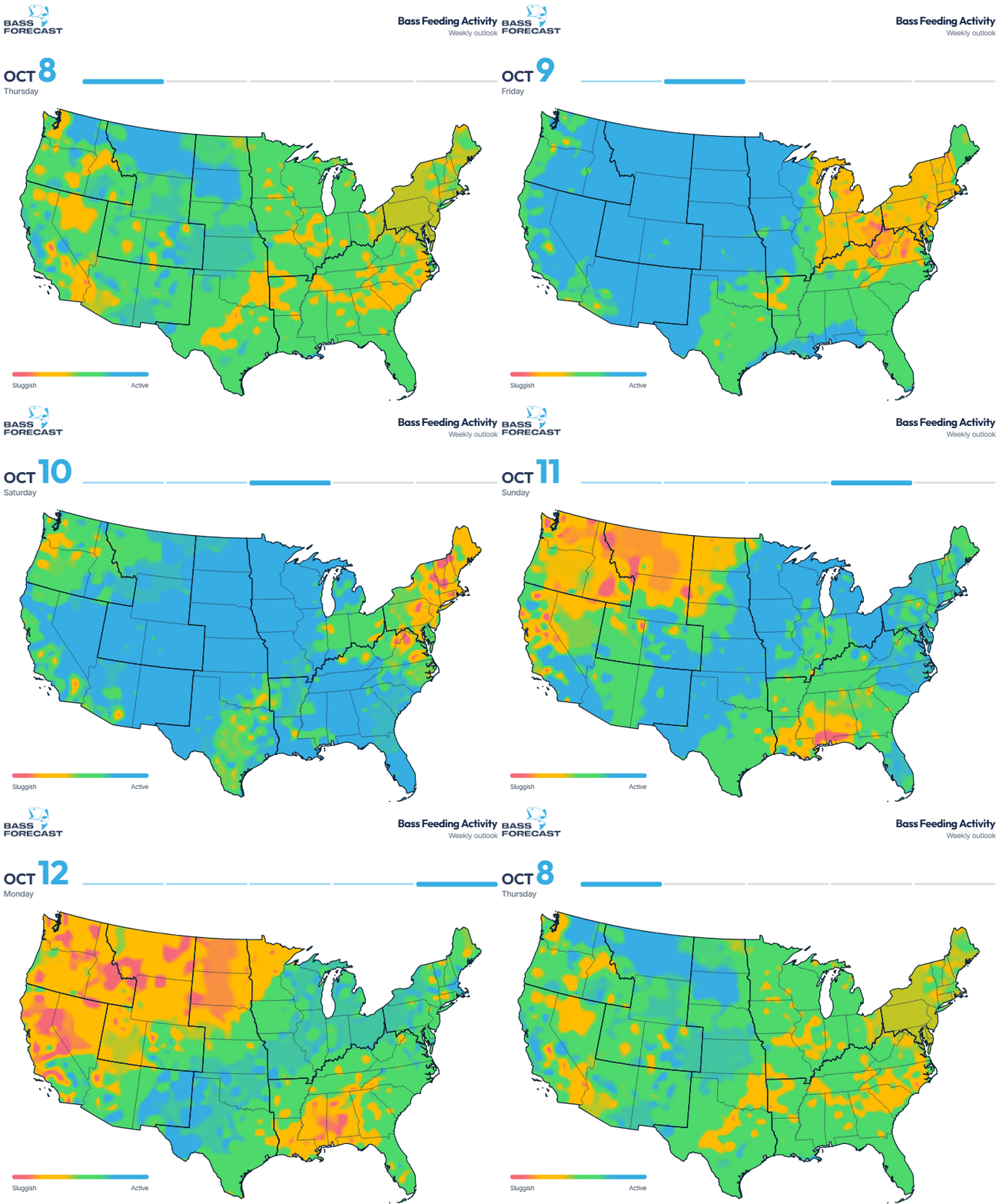
Pre-front conditions produce the strongest grass fishing. Post-front conditions push bass tighter to cover but with modified tactics. Bass Forecast tracks the barometric pressure trends that predict productive windows.
Prioritize the Windward Side
Wind pushes shad and baitfish against windward grass edges. On windy fall days, prioritize the grass edges that catch the wind. Bass position on the windward side and feed heavily on concentrated forage.
Follow the Sun Angle
Fall sun angles get lower earlier in the day. Overhead cover matters more in fall than summer because bass are shallower and more exposed to sky angle changes. Prioritize grass with overhead cover during midday windows.
Angler-Type Breakdown
Bank Anglers
Fall grass fishing is exceptional for bank anglers on grass lakes. Grass edges, pad fields, and shoreline vegetation are all accessible from shore. Bank spots that offer grass adjacent to depth access produce especially well.
Frog fishing from the bank works on pad fields and matted shorelines. Chatterbaits cast parallel to grass edges cover water efficiently. A wacky-rigged Senko pitched into grass openings produces on any grass lake accessible from shore.
Kayak Anglers
Peak kayak season for grass lakes. Kayaks navigate grass systems that boats cannot access without getting hung up. Backwater grass, protected coves, and interior openings all fish well from kayaks.
The stealth advantage matters on pressured grass water. Boats have already worked the outside edges by mid-fall. Kayaks that access the interior grass and backwater sections find fish that have been pushed off the main patterns.
Boat Anglers
Range advantage for covering multiple grass systems on the same trip. Cover outside edges with chatterbaits and swim jigs. Move to interior openings for pitching and flipping. Return to grass points and cuts during productive light windows.
Electronics help identify shad concentrations near grass which tells you where the active fish are holding.
BEFORE YOU HIT THE GRASS
Common Questions About Fall Grass Bass Fishing (FAQ's)
Frequently Asked Questions
When is fall grass fishing best?
Peak fall grass fishing runs from mid-September through late October across most of the country. Southern lakes including Guntersville, Kissimmee, and Okeechobee produce peak grass fishing during this window. Northern lakes see peak grass fishing slightly earlier in September before vegetation begins dying back. The specific window on your lake depends on water temperature stability and vegetation type.
What is the best bait for fall grass bass fishing?
Chatterbaits and bladed jigs are the most versatile fall grass bait. Z-Man ChatterBait Elite EVO HD in shad patterns produces across every grass water type. Hollow body frogs like the Booyah Pad Crasher produce on matted vegetation. Swim jigs like the Strike King KVD Finesse Swim Jig work as an alternative to chatterbaits on pressured water. Buzzbaits produce during morning and evening windows across grass edges.
Where do bass hold in grass in fall?
Outside grass edges where vegetation meets open water. Interior grass openings and channels. Grass points and cuts where vegetation extends into or is cut by open water. Matted cover over deeper water for post-front conditions. Grass lines adjacent to creek channels for prime fall zones. The specific location depends on your lake type and current conditions.
Does fall grass fishing work in every region?
Yes, on lakes that have significant vegetation. Southern reservoirs with hydrilla produce peak fall grass fishing. Northern natural lakes with pad fields and outside weed lines produce excellent fall grass action. Mid-South Tennessee River reservoirs produce reliably. Western reservoirs with grass concentrations including California Delta produce well. Regions with limited grass (Rocky Mountains and clear-water western reservoirs) see less grass fishing but where grass exists, it produces.
How does fall grass fishing differ from summer grass fishing?
Summer grass fishing targets bass locked into specific cover for thermal refuge. Fall grass fishing targets bass moving with shad and using vegetation as ambush structure. Summer rewards patient cover fishing. Fall rewards water-covering with reaction baits. Water temperature is the driver of the difference.
What water temperature is best for fall grass bass fishing?
Surface water temperatures in the 65 to 78 degree range produce peak fall grass activity. Below 60 degrees, activity slows and bass push deeper. Above 80 degrees, patterns still lean summer even though the calendar says fall. Track your specific lake temperature to know where you are on the seasonal arc.
Do bass eat shad in grass during fall?
Yes, extensively. Shad migration in fall pulls shad populations into grass edges and interior openings. Bass follow the shad and feed heavily on grass systems that concentrate the forage. Match your bait size and color to the shad on your specific water for best results.
What is the best time of day to fish fall grass?
Morning and evening windows produce peak surface activity on frog and buzzbait patterns. Midday windows shift to sub-surface presentations including chatterbaits, swim jigs, and lipless crankbaits. Overcast days extend the surface windows significantly. Bass Forecast tracks the daily conditions that predict which windows will produce on your water.
How do I fish grass after a cold front?
Post-front grass fishing requires slower presentations and tighter cover targeting. Downsize baits. Fish deeper into matted vegetation. Punch heavy cover with Texas-rigged creature baits. Slow down chatterbait retrieves significantly. Bass are still there but they push tight to cover and require patient presentations.
Can I use frogs on grass all fall?
Yes, until water temperatures drop into the low 50s. Fall frog fishing peaks in September and October on southern lakes and works into November on the coldest waters. Once water drops below 55 degrees, frog effectiveness declines significantly. Northern anglers may see the frog window close in early October. Southern anglers may fish frogs productively through Thanksgiving.
Use the Bass Forecast App and Web App
Fall grass fishing rewards anglers who read conditions correctly. Bass Forecast tracks water temperature, barometric pressure trends, wind direction, and solunar timing for your exact location. Know when the pre-front window opens and when post-front tactics become necessary.
Bass Forecast also recommends baits from 22 categories based on current conditions, including the chatterbait, swim jig, frog, and lipless crankbait categories that dominate fall grass fishing.
Download Bass Forecast or use the Web App to plan smarter trips through the fall grass window.

-1739275914.jpg)
.jpg)
.jpg)
.png)
.png)