
Bass Reaction Strikes Explained: What Actually Triggers Instinct Bites
Share this bass fishing article with every angler you know!
Anytime you watch or read something about bass fishing, it’s likely to mention reaction strikes at least a few times. Especially if the content is about tougher fishing periods with lethargic bass.
What are bass reaction strikes, though?
The team at Bass Forecast is going to answer this and explain how reaction strikes work, and why they are such an important part of the sport, to help you dial in your bass fishing technique.
Be notified of new bass fishing articles, tips and tricks!
Get the Bass Fishing Playbook Every Week
What is a Reaction Strike?
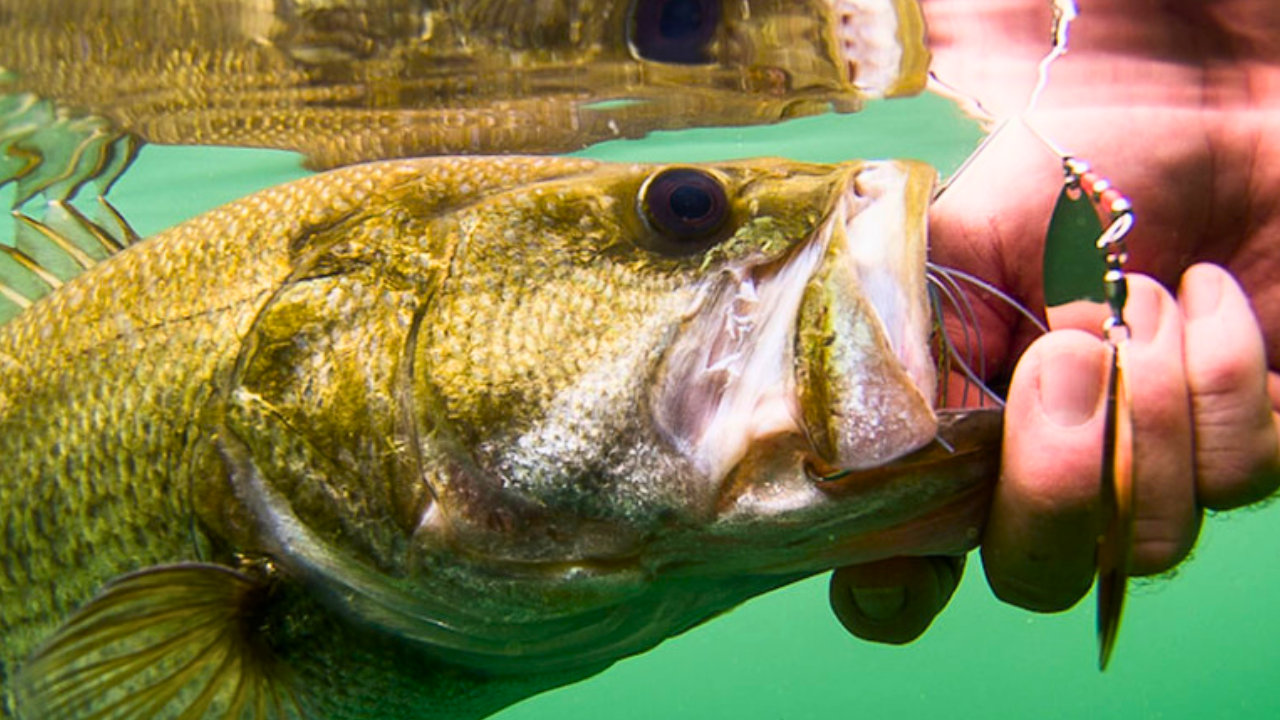
Reaction bites are a pretty straightforward concept. They’re what happens when a bass isn’t feeding or interested in food, but something has happened that has made the bass go on the attack. Essentially, rather than trying to trick the bass into thinking they’re getting a meal, you’re intentionally irritating it or making it feel threatened.
Why are Reaction Strikes Complex?
Although reaction strikes are simple in concept, it gets a lot more complicated when it’s time to actually force bass to do them. There are a variety of reasons for that.
First, a bass is most likely to bite when it’s actively seeking food. Reaction bites happen when a bass is more lethargic and trying to avoid action. You’re fighting against the natural desires of the bass, and that always makes things harder.
Then, there’s the fact that you’ll have to get your lure close to the bass to make it care about your lure at all. When a bass is hungry, your lure can land 10 feet away from a bass, and they’ll chase it halfway across the pond to try to get a meal.
When they don’t want a meal, they’ll completely ignore the lure unless you get so close that they can’t afford to ignore it. That requires you to know where the bass are, what’s going to irritate them, and, of course, how to get your lure into a very precise spot. All of those are more advanced angling skills.
How to Trigger Instinct Bites
It takes time, effort, and practice to trigger instinct bites consistently. It’s not just about finding the right lure. You have to fine-tune your approach to bass fishing, and you have to take a much more focused path. Just switching lures and casting around to decent spots isn’t going to cut it.
Luckily, if you know a few pointers, you can cut back on the time it takes to get good at it, and you won’t rely solely on luck.
Here are some of the key points you need to know.
1. Location Information is Crucial
Before you worry about lure choice or how to present your lure, you need to have a good understanding of how bass behave, where they go, and how you can improve your ability to find bass.
Since you have to get your lure right up in the bass’s personal space to stand a chance at irritating them, you have to know exactly where they are. You can technically cast into spots that are likely to hold bass and hope you pull your lure right by them, but there’s a lot of luck involved with that approach.
The trick to overcoming this challenge is gathering as much information as possible before you ever make your cast.
If you’re on a boat with sonar, or you have a tie-on sonar bobber for bank fishing, this is a lot easier. You can get real-time images beneath the surface, and you can get all the information you need to make a highly accurate cast.
If you don’t have access to that equipment, you’re not out of luck. You just have to put more effort into it.
The first thing you should do is look for the same spots you would at any other time. Points that break the current, coves, drop-offs, structures, shallow flats, and more are all great bass spots, depending on the weather and other basic water conditions.
If you can sight fish for bass, which involves trying to see the fish in clear water or their shadows as they move around near the surface, you can pinpoint them easily. Other signs, such as light ripples, bait fish schools moving sporadically away from an area, or even full-blown surface breaches, are all good things to look for.
Once you know where the bass are, provoking bass bites is a lot easier.
2. Lure Choice
Just like any other method in fishing, you can use a lot of different lures to get bass reaction strikes, and what the bass respond to really depends on the conditions and their mood. There is no surefire reaction bait that is going to work every time.
However, the general rule of thumb is that you want something that annoys them.
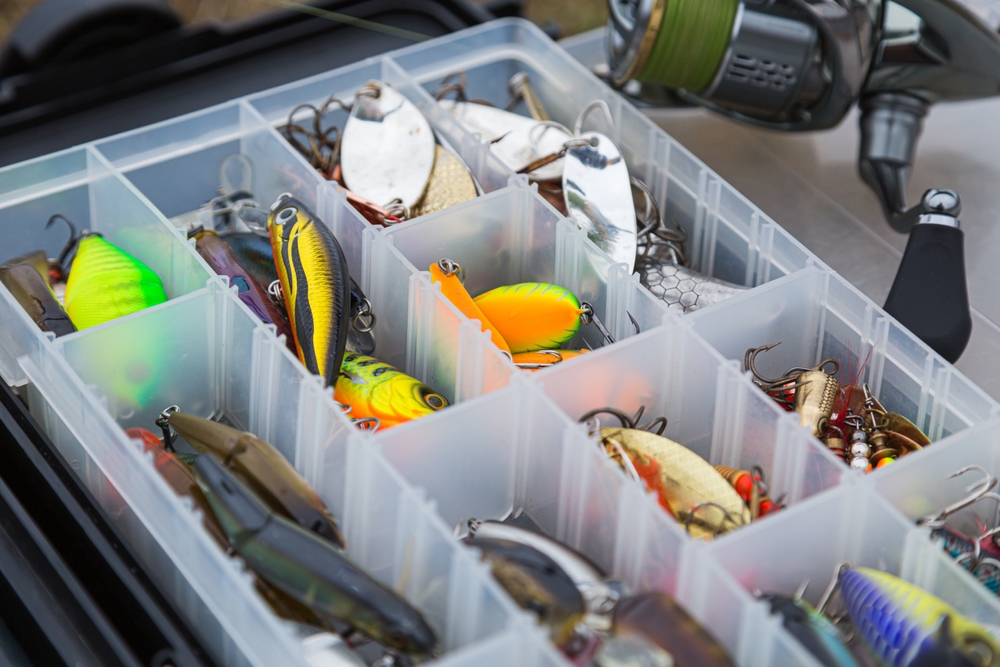
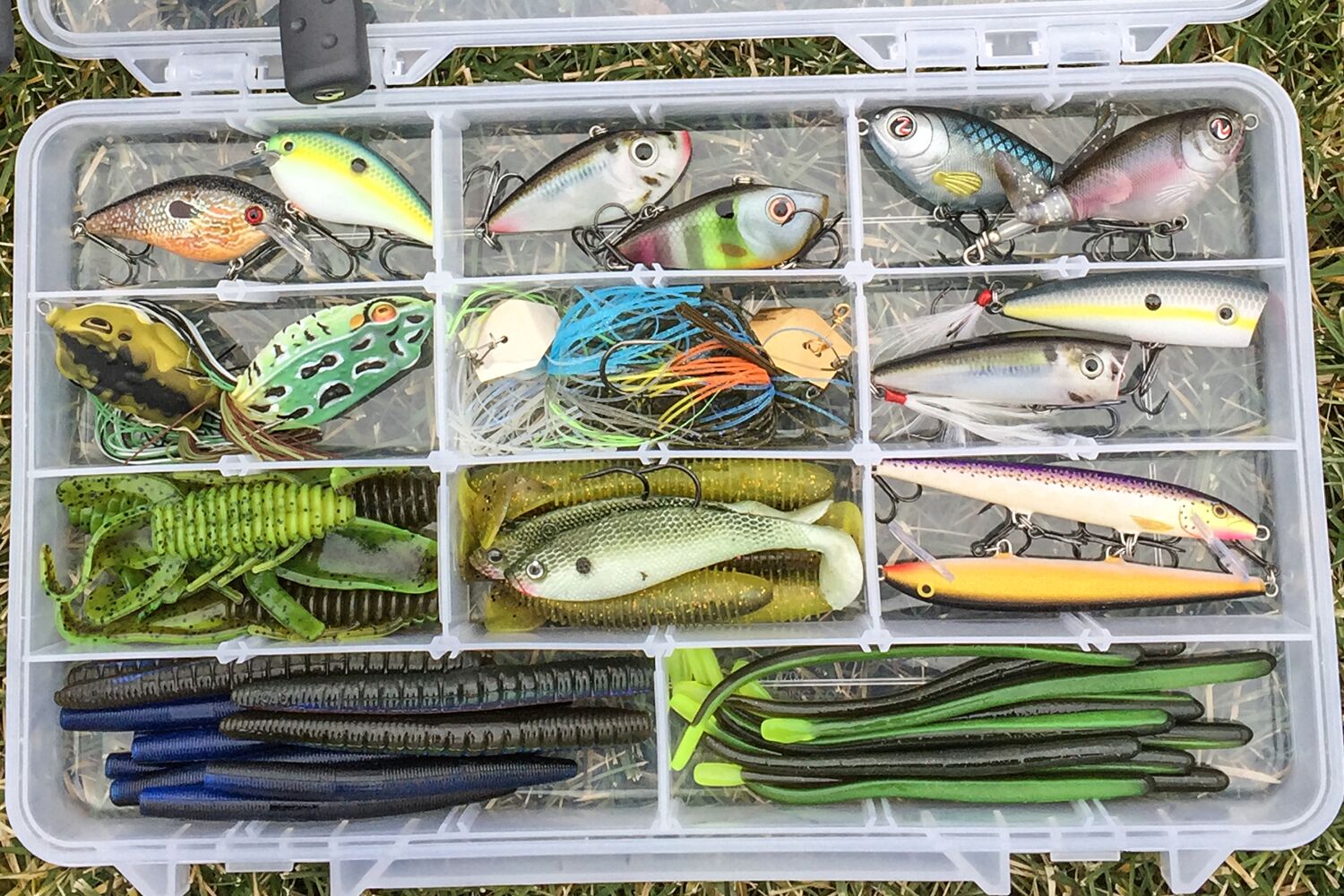
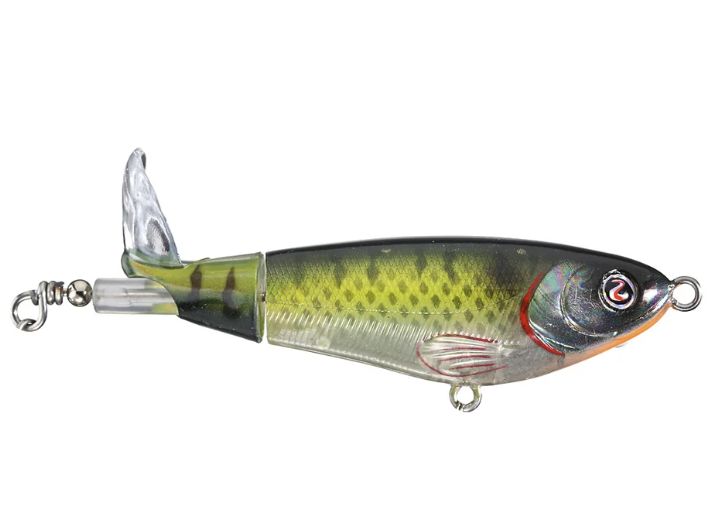
Crankbaits that rattle like crazy and bump against things are some of the best choices when you need a reaction bite. Not only are they simple to use, but they are also highly effective. As long as you get a noisy crankbait within a reasonable distance from a bass, you have a good chance of making that bass bite on pure instinct alone.
It’s not all about using the loudest and most erratic baits, though. Reaction bites can also be triggered with flashy lures such as highly polished spoons, persistent baits that resemble threats, such as Ned rigs on beds, or baits that move very suddenly, such as jerkbaits.
The good news is that conditions tend to dictate which type of lure is going to work best during any given time of year. So, if you know your lures and when they work best, you can usually bring one or two types of lures in a few colors each, and that’s all you need. If it’s prime season to toss a crankbait around, you usually won’t need to Ned rig a micro soft plastic or toss a spoon. It’s a great time to pack ultralight and stay on the move.

3. Understanding Why a Reaction Bite is Necessary
In the previous tip, we mentioned that the conditions impact what type of lure you want to use to get reaction bites. Well, a big part of that is understanding what conditions are impacting the bass and why they’re a bit more stubborn than usual in the first place.
The difference between the fall turnover and the spawn is a good example of this.
During the turnover, the bass have basically had their entire world flipped upside down. That’s why they don’t want to bite. They’re lazy, their body has gone through a lot, and they just want to relax until it’s over.
In comparison, the bass are actively defending their beds during the spawn. They’re far from lazy. They just aren’t willing to leave and roam away from their beds to grab a minnow, and they’ve already handled their food needs before the spawn started.
So, while a crankbait would be extremely effective during the turnover to knock against the cover a bass is using and really irritate the bass, it’s usually more effective to use a dropshot or Ned rig directly on the beds during a spawn.
Of course, there are a variety of situations beyond just the turnover and the spawn. Bass can get lethargic on super hot days, they stay lethargic throughout the winter, and even day-to-day weather patterns create different challenges.
We’ve covered these situations and conditions in a variety of other guides you can check out, and the most important point is understand what’s making the bass refuse to bite a meal presentation.
When you understand why the bass are being lethargic, you can tailor your approach to mess with their sensitivities and trigger their instincts.
Reaction Bites in Action
It’s one thing to know what triggers bass strikes, what types of lures you need, and how to approach the situation from a technical standpoint, but the on-the-water experience is where you really learn.
We’re going to break this down into how a reaction bite feels, troubleshooting problems that you might be having, and some ways that you can improve your skills as you put them to use on the water.
1. Reaction Bites Aren’t Always Violent
When you imagine irritating a bass until its instincts kick in and it attacks, you probably picture an extremely violent attack that’s pretty much impossible to miss.
That’s not the case. At least, it’s not always how it goes.
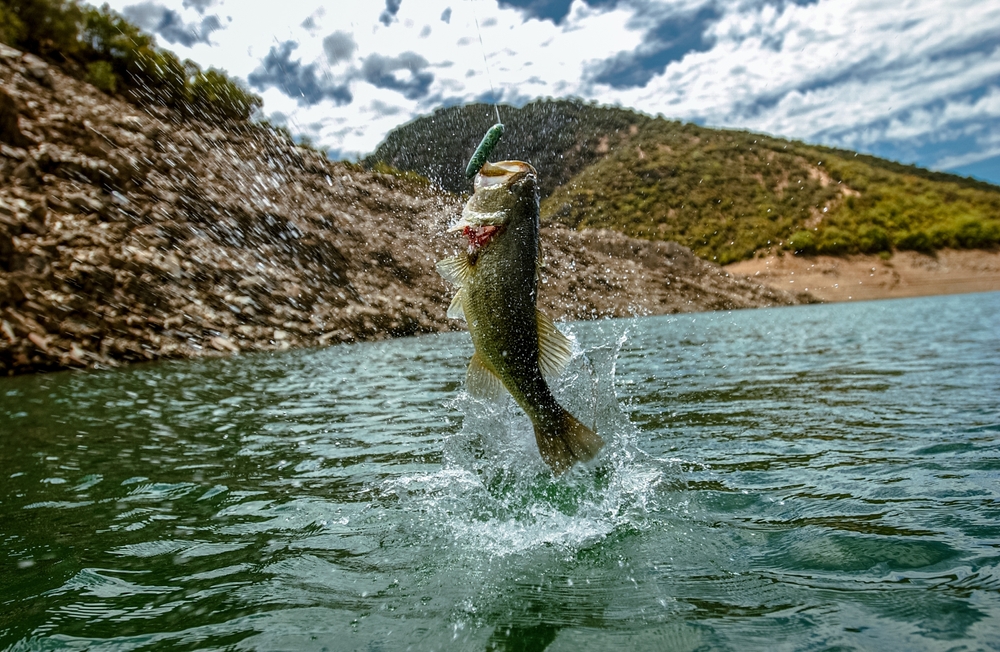
Most of the time, the bass quickly snaps and pulls the lure in within a split second. They’re not trying to fight or eat anything. They’re just making a problem go away as fast as possible.
Because it’s so quick, there are a lot of things that might be missed or you might not expect.
Since the bass isn’t really trying to eat, they are more likely to spit your lure out just as fast as they sucked it in. They’re not as likely to swim around with it and tug your line all over the water, giving you ample opportunity to set the hook.
Also, since it’s a quick snap, you might not get a lot of cues to set the hook even if the bass doesn’t try to spit it out right away.
If you’re usually hesitant to set the hook, it’s worth being a little more confident when you’re triggering reactions. The longer you wait, the more likely it is that the bass is just going to spit it.
2. Troubleshooting Problems
When you first start trying to fish in harder conditions where instinct bites are necessary, you might end up making a lot of unsuccessful casts that make you feel like something is wrong.
First, something might not be wrong at all. The bass aren’t looking to bite anything, and sometimes, you just don’t trigger their instincts on the first try, even if you’ve done everything perfectly. You will have to be persistent.
However, you can make sure you’re matching your lure choices to the conditions we mentioned earlier and doing your best to accurately locate bass, and there are smaller tweaks you can make to see what the bass want.
If the conditions are right for a certain lure, but you’re not getting anything, a simple color change or picking a model that has slightly different features can do the trick.
You can also play around with your retrieval pattern. A major factor in triggering bass reaction strikes is sudden movement. So, somewhat long pauses followed up with a quick twitch can turn a bad day into a highly successful one. If you’re using a straight retrieval or a highly predictable pattern, that might be the problem.
If you’re using hard baits, another mistake anglers make is that they don’t make full use of the structures in the water. The lure makes a lot of noise and vibrations on its own, but you want to run your lure so close to structure that it wobbles around and bangs on it.
Those sudden bangs make a bass kick into action even when it’s completely disinterested in eating. Pay attention to where you’re casting and how the lure comes back to you, and see how close you’re getting to structure. Especially if you’re using a crankbait.
3. Things to Focus on to Improve Your Skills
When you hit the water looking for bass reaction strikes, you want to take a much more focused approach. The details matter more when the bass are stubborn.
Beyond really paying attention to the key points we covered throughout this guide, you’ll also want to make a few conscious decisions to greatly improve your catch rate.
First, leave all your habits at home. Anglers have a really bad habit of getting into routines and sticking to certain things that worked once or twice, and that won’t help when the bass are being complicated.
You want to approach the water like it’s an entirely new place every time. Really pay attention to signs of bass lurking in certain spots, strategize how to approach the structure even if you’ve fished it a lot, etc.
On top of that, you’ll want to avoid distractions. The stereotypical relaxed fishing experience that has you gazing into the distance and daydreaming can ruin your day. Bites are fast and easy to miss.
Finally, get the Bass Forecast app. Information is crucial, and it gives you all the information you need to make good decisions and learn more with each trip.
Reaction Bites are Staples in Bass Fishing
Bass reaction strikes pose some unique challenges, but they’re not something you can avoid. They’re essential several times throughout the year, and they can become the only way to get a bite even during the prime season if the weather is rough.
Try these tips and download the Bass Forecast app to trigger those bass instincts consistently!










.png)
.png)