
Bass Fishing Micro-Adjustments: Small Changes That Create Big Results
Share this bass fishing article with every angler you know!
In the bass fishing world, you’re constantly being told to switch things up. Usually, you’re getting advice to hop on the latest bandwagon and completely change your approach.
However, small adjustments are oftentimes the best way to get amazing results.
Here are some of our best tips for bass fishing micro-adjustments for a variety of situations and styles to help you tackle anything.
Bass Forecast Newsletters
How Small Changes Make a Huge Difference
We’ll be covering several small adjustments you can make to your rig, and it’s fair to wonder how minor changes can make a real difference.
The reason is simple: most fishing gear is lighter and more sensitive than it seems. When a lure weighs just 1/16 of an ounce, even slight changes in line thickness or added weight can noticeably affect its behavior.
With gear this light, there isn’t much margin before performance starts to change.
Micro-adjustments let you fine-tune your setup without overpowering the lure or disrupting its intended action. And these tweaks aren’t limited to lures; they can be made across your entire kit, subtly changing how everything works together.

Micro-Adjusting Lures
The lure is what you’re going to be adjusting most of the time. The typical approach is to set up a rod for a specific type of lure and then choose lures that work well with that setup rather than constantly adjusting your rod equipment.
So, we’ll start with our favorite lure adjustments first.
Topwater Frog Micro-Adjustments That Slay Bass
Topwater frogs are a lot more versatile than a lot of people think, and they allow you to make several micro-adjustments without switching your lure.
First, snipping about an inch off of one of the frog’s skirt-like legs will completely change the action. Instead of having two legs that pull in and out like a swimming frog, the frog will start to “walk” across the surface with a stagger. You make a smooth and lively action look much more like a wounded frog, and in the right conditions, the bass go nuts for it.
You can also shorten both legs. The action ends up looking like a subtle version of the frog’s original action, but on top of being subtler, it also helps minimize short strikes. When you leave the legs long, bass can end up biting down on the skirts instead of getting the hook into their mouth.
The last two micro-adjustments for bass fishing with a topwater frog have to do with filling the frog’s cavity. With just two tiny split shots jammed into the frog’s drain hole, you won’t impact the action or weight in any noticeable way, but you’ll trigger reaction bites due to the knocking sound the weights make.
You can also inject scent products that attract bass into the same drain hole, and they’ll slowly leak out as you pull the frog across the water. That doesn’t impact the weight or action of the frog, either.
Leader Length on Carolina Rigs
The Carolina rig is the main rig that benefits from bass fishing micro-adjustments.
The leader plays a much bigger role in the lure’s action than you might think, and you can make it shorter or longer to greatly change the presentation you’re making in the water.
Just shortening the leader a couple of inches will make your lure follow each rod tug faster, and it’ll drop back to the bottom faster.
On the other hand, the longer you make the leader, the more freedom the lure will have. It’ll still get dragged quickly while you’re moving the rod, but once the weight settles down, it’ll enter a free-fall with more erratic and natural movements.
Both of those options can be used to fine-tune your bass fishing presentation for specific situations. For example, if the bass are trailing your lure, a longer leader will cause the lure to free-fall slowly and erratically for longer, and those sluggish bass have time to catch up. If they’re being a bit more aggressive on the bottom, a shorter leader creates more fast-paced movement.
Hook Style Impacts Flukes
A very small adjustment you can make without retying anything or making permanent changes to your lure is to simply adjust how you hook a soft-plastic to your rig.
The best example of this is a weightless fluke. Usually, flukes are set up to be hooked the same way you set up a Texas rig. However, you can rotate the hook 90 degrees so the hook belly is along one side of the fish, and suddenly, you have a presentation representative of a dead or dying minnow. Just shifting the weight of the hook to one side will make the fluke slowly sink on its side instead of straight down.
You can also hook the fluke through the nose of the lure or right beneath where the spine would be on a real baitfish to allow for a natural presentation that’s less controlled. This is perfect for dead-sticking the lure and letting it fall slowly. However, you are more likely to lose lures since they’re not secured to the hook as well.
This is a small adjustment, but it allows you to present your soft plastic flukes in a variety of very different ways, and it takes almost no time at all to change things up.
If you’re having a hard time getting bites, but conditions are perfect for fishing with soft plastic, these bass fishing micro-adjustments might be exactly what you need to get a bass on the line.
Lure Length and Terminal Tackle Adjustments
It’s always worth keeping a selection of the same lure or weight type with incremental size differences. For example, don’t just buy a bag of 6-inch green worms. Get a 4-inch, 5-inch, 6-inch, and even a 7- or 8-inch bag, as well.
As you’re fishing, you might notice the bass are biting short of the hook. A shorter worm option or a slightly larger hook can take care of that problem and increase your hook-ups.
If your smaller worms aren’t working, just shifting to a worm that is 1-inch larger can make your presentation look like the substantial meal the bass are looking for.
Even small weight differences can have a huge impact. Adding one tiny split shot to the right part of a rig can increase the speed of the lure’s descent through the column, stabilize a lure that you’re dead sticking, or give you more casting distance without greatly impacting your lure’s action in the water.
Most of these little adjustments only take seconds to do on the water, but they can fine-tune your presentation to match what the bass want.
Micro Gear Adjustments That Make a Difference
Gear adjustments that go beyond your rig and lure choice aren’t really things you want to do on the water. They usually take time, or you’re required to buy entirely new gear, and that is not a micro-adjustment.
However, there are a few small things you can do to any rod and reel setup to make it a little more effective.
Electrical Tape
First, back your spool with electrical tape. It’s thin, stretches to be super-tight and self-fusing, and it handles one major problem every angler faces. When you get spooled, it’s difficult to start reeling the fish back in. Worse, it happens more often than you expect when you’re making long casts for big bass.
Backing your spool is a small adjustment to your gear that lets the line dig in and get a grip instead of spinning out until the bass snaps it. If you do this at the beginning of each year when you set up your rods, you won’t have to worry about any unfortunate stories of the one that got away.
Fluoro Leaders
Most experienced anglers already do this, but another small adjustment you can make to any braided line setup you have is to start using fluoro leaders. Fluoro is practically invisible in the water, but it breaks easily if it gets kinked, so you don’t want to use it as your main line.
However, while braided line is super durable, it’s also very visible to fish and humans alike. Taking two minutes and a couple of feet of fluoro line to tie on a leader will make almost any braided setup a lot more successful.
Lighter Lines
You can also switch out your line to something lighter. You sacrifice a bit of strength when you do this, but you gain a lot of casting distance that can help you reach challenging spots, and you get to keep your lure in the water longer with long-distance casts.
When you take into account that most of the bass you’ll be catching are going to be much lighter than 10 pounds, line strength isn’t as necessary as a lot of anglers make it out to be. Even if you’re solely targeting monster bass, good fighting habits allow you to use weaker lines without losing big bass.
Technique Adjustments That Slay Bass
Not every micro-adjustment has to do with your gear. Some of the best adjustments don’t require you to switch anything out, buy anything new, or modify anything. You just have to take a slightly different approach while fishing.
Here are some of our favorite bass fishing micro-adjustments to your technique that really improve your catch rate.
1. Finger the Line
This is a trick primarily used with spinning reels, but you can adjust your hand placement to use it with a baitcaster, too.
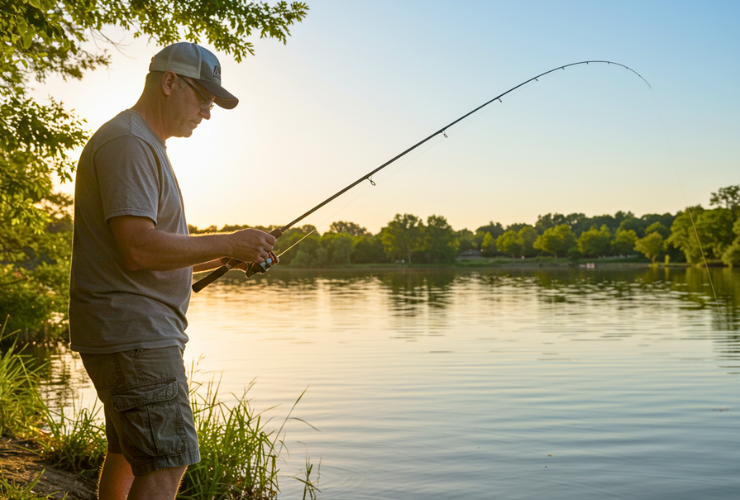
After you cast, use your index finger to lightly put tension on the line. You don’t move your hands off the rod or reel. You extend your index finger and wrap it around the line, almost like you're about to pull a trigger.
This lets you physically feel the vibrations from a fish’s bites.
This adjustment to your technique is very useful for detecting bites when you’re fishing in poor conditions, and the bass are barely biting. When the bites are so subtle they don’t even bounce your rod tip around or noticeably move the line, you’ll feel the line vibrating and gently tugging.
On a baitcaster, you can use your thumb on your reeling hand to do this. It’s a little awkward, but it gives you the same feeling.
2. Add a Spontaneous Pause
Most retrieval methods require you to pause periodically. The average angler tends to focus a lot on timing their pauses exactly, and it can feel wrong or like a mistake to mess that up.
However, adding a bit of spontaneity to your pauses, such as stopping for a second longer on one pause or reeling one less quarter turn, can add a more sporadic and natural appearance to your presentation. Scared fish don’t follow a perfect pattern when they dart around, after all.
Stick to a predictable pattern for the most part. You don’t want to make your entire retrieval method a randomized mess. Just mix it up a little bit.
3. Pause Your Hook Set
Most anglers, from the second they catch their first bluegill to the day they start bass fishing, develop the habit of yanking their rod as hard as possible the second they see activity.
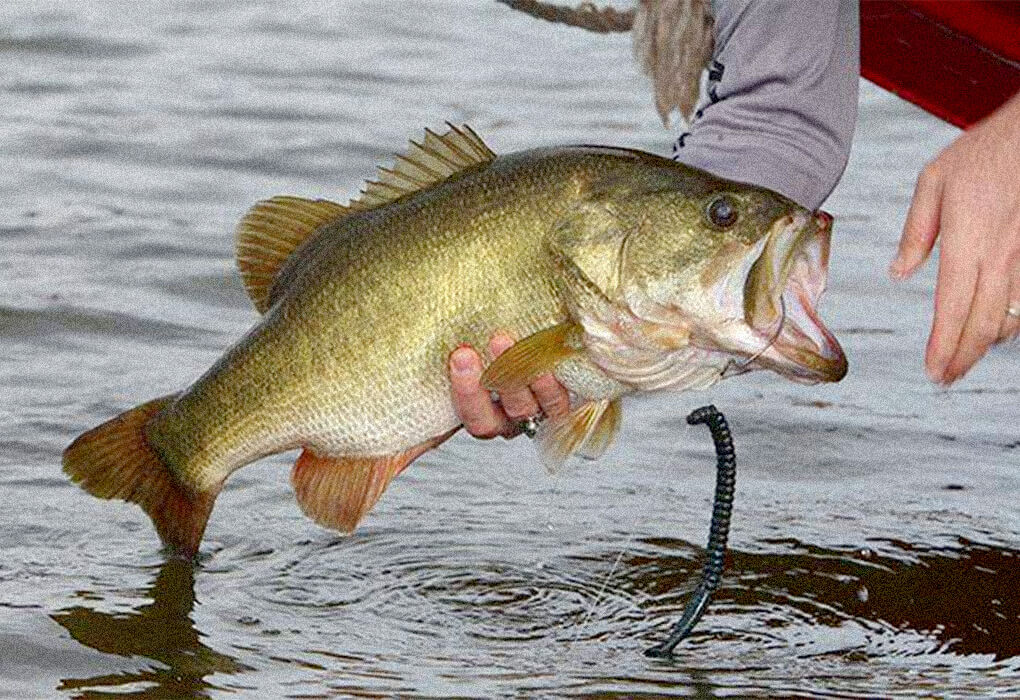
That’s the reason a lot of fish are lost. Either you yank before the hook is fully enclosed in the bass’s mouth, or worse, you yank it so hard you rip it out of the fish’s lip.
Chill out a little bit. When you feel the tug, give it a split second to make sure the bass is hooked, and while you need to yank firmly, don’t overdo it.
Catch More Bass with Small Adjustments
Fine-tuning bass fishing equipment and techniques doesn’t have to be complicated. Micro-adjustments to your gear and your approach are often more useful than making huge changes and hoping something works.
For one last tip, check out Bass Forecast. We’ve got fishing guides and real-time data you need to make adjustments that count.
Download the Bass Forecast app for more advice on bass fishing!



-1739275914.jpg)
.jpg)
.jpg)
.png)
.png)