
The Summer Topwater Bass Fishing Guide: Which Lure, When, and Why
Share this article with every angler you know!
The Summer Topwater Bass Fishing Guide: Which Lure, When, and Why
The walking bait moves across calm water at sunrise. You twitch it. Pause. Twitch it again. Pause longer. The bait sits motionless for two full seconds, perfectly still on the glass surface.
Then the lake explodes.
This is the moment that defines summer bass fishing for many anglers. The build, the pause, the violence. There is nothing else like it in the sport, and the next eight to ten weeks are the peak window for it across most of the country. The fish are aggressive, the windows are predictable, and the right bait in the right hands on the right water produces some of the most memorable fishing of the entire year.
Most topwater articles list lures and tell you to throw them at dawn and dusk. That is technically correct and almost completely useless. The real game is matching the right topwater category to the right water type and the right conditions. Walking bait or buzzbait. Frog or popper. Open water or heavy cover. Calm surface or wind chop. Get those decisions right and topwater fishing becomes the most rewarding pattern of the year. Get them wrong and you spend the morning watching the sunrise without catching anything.
Here is the framework.
Sign up to be notified of new bass fishing articles!
Bass Forecast Newsletters
Why Bass Commit to Topwater in Summer
Bass are predators that hunt by ambush. In summer, several environmental factors line up to make surface presentations one of the highest-percentage ambush opportunities bass get, and they take it.
The Ambush Advantage on Low Light Surface
Bass holding under a calm surface at dawn or dusk look up into a backlit ceiling. Anything on or just under that surface creates a silhouette that bass can track and intercept from below. They have the visual advantage. They have the element of surprise. Prey at the surface is committed to that surface and cannot easily escape downward.
This ambush advantage gets stronger when the surface is calm, when light is low, and when bass have access to cover or structure that lets them position below the surface in a striking lane. Open water with a hard bottom drop, a grass edge with deeper water adjacent, the shaded side of a dock with depth, all of these set up the geometry that makes topwater work.
When the sun gets high and the surface gets bright, the geometry inverts. Bass holding shallow are now visible to everything around them. Prey at the surface can see better and react faster. The ambush advantage disappears, and topwater production drops sharply.
Summer Forage That Drives Surface Activity
Several food sources push bass toward surface feeding in summer. Frogs become abundant in shallow vegetation and around shoreline cover. Bluegill spawn and post-spawn behavior brings them to the surface to chase insects. Shad school near the surface in low light. Even crawfish occasionally move shallow enough to be vulnerable from above.
The combination of bass actively feeding and surface-oriented forage being available creates a window where topwater is not just productive but often the highest-percentage presentation available. The fish are looking up because that is where the food is.
When Topwater Works and When It Does Not
Topwater works at low light, on calm or lightly rippled water, with stable or falling barometric pressure, and on water where bass have ambush positions available. It works best in summer when water temperatures are in the upper sixties through the upper eighties and bass are in active feeding mode.
It does not work well at midday with bright sun and dead-calm conditions, on water that is too cold for bass to commit shallow, or immediately after a cold front when bass push tight to cover and stop chasing. There are exceptions to every rule in fishing, but those are the patterns that hold.
The Four Topwater Categories You Actually Need
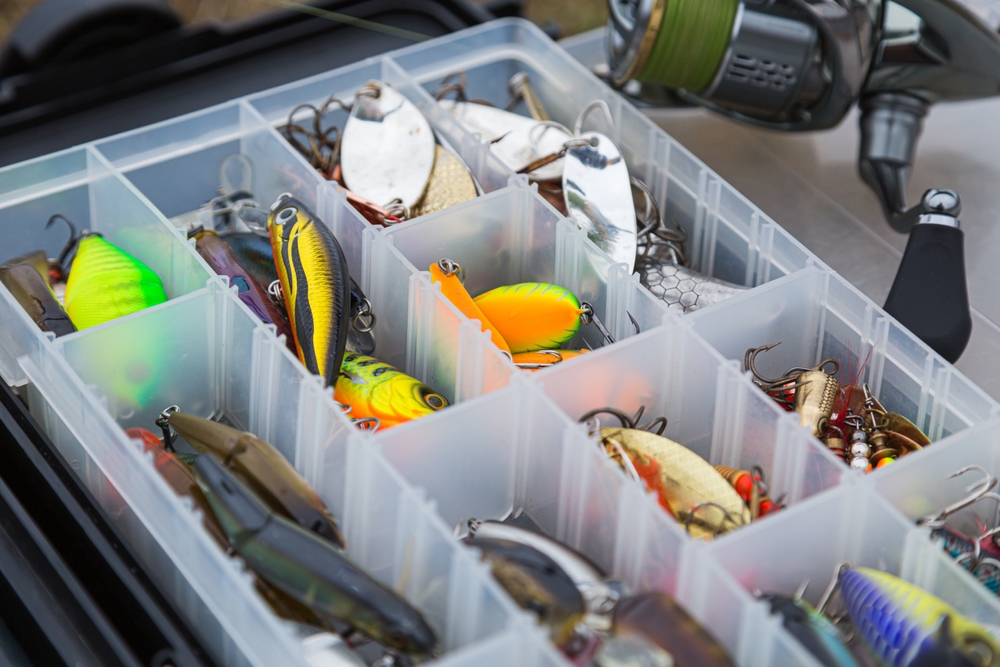
Most anglers carry too many topwater baits and use too few of them correctly. The decision tree is simpler than the tackle box suggests. Four categories, four water types, four sets of conditions. Pick the right category for the water in front of you and the right bait inside that category.
Walking Baits
The dawn open water bait. Walking baits like the Heddon Zara Spook produce on main lake points, shallow flats with depth access, the ends of creek arms, and grass edges with open water adjacent. They are the topwater bait that covers the most water and locates the most fish during a low light window.
The retrieve is the entire game. Tip the rod down, keep the line semi-slack, and twitch the rod with a rhythmic cadence. The bait should walk side to side in a zigzag pattern. Most anglers move the bait too fast. Slow the cadence down and add longer pauses than feel natural. The pause is when bites happen. A walking bait sitting motionless for two to three seconds in front of a tracking bass is more triggering than a constantly moving one.
For pressured water and clearer lakes, downsize to a Lucky Craft Sammy 100. The smaller profile and tighter walking action triggers bites from fish that have seen too many full-size Spooks. For highland reservoirs with very clear water and aggressive smallmouth populations, the Megabass Dog-X Speed Slide produces an aggressive walking action that gets reactions when slower baits get followed but not eaten.
Color selection is simple. Bone, chrome with black back, and shad patterns produce in most conditions. Match the predominant baitfish color in your water and do not overthink it.
Buzzbaits
The cover bait that calls fish from a distance. Buzzbaits like the Booyah Buzz produce along grass edges, shoreline cover, dock shadows, isolated wood, and any shallow cover where bass can hold and ambush. The sustained surface noise carries through the water column and brings fish from beyond visual range to intercept.
The retrieve is constant. Cast, lift the rod tip high, and reel just fast enough to keep the bait planing on the surface. The bait should leave a sustained bubble trail behind the blade. Vary speed minimally during the retrieve. The buzzbait is not a finesse bait. It is a search bait that locates aggressive fish.
The trailer matters more than most anglers realize. A skirted buzzbait alone produces, but adding a Zoom Horny Toad to a War Eagle Buzzbait adds bulk, increases the surface disturbance, and creates a larger silhouette. This combination is especially effective in stained water and on overcast days when bass need a stronger target to commit.
Blade color matters too. White, black, and gold are the three primary options. White for clear water and bright conditions. Black for low light, stained water, and overcast days when contrast against the surface is what bass need to see. Gold for in-between conditions and as a default if you are uncertain.
Hollow Body Frogs
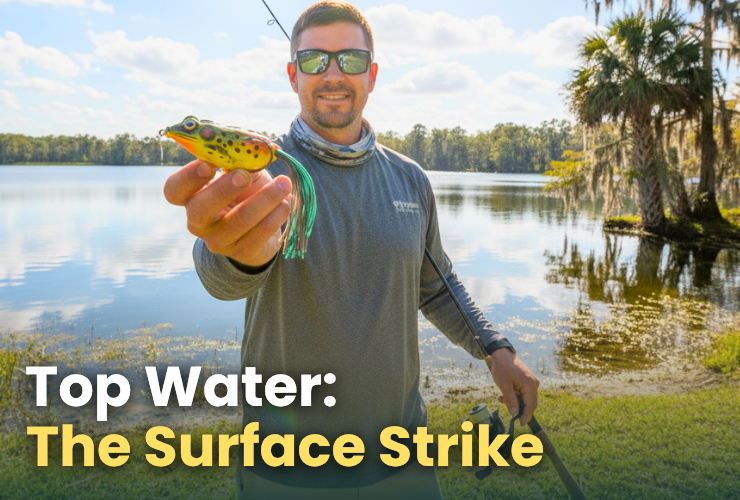
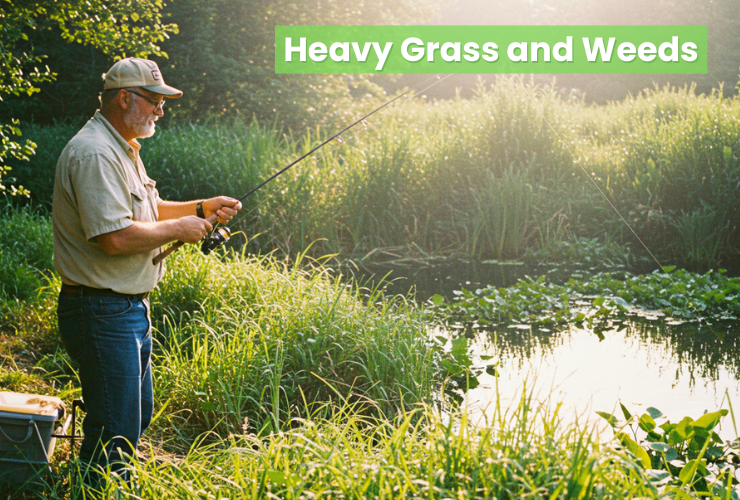
The heavy cover and mat bait. Hollow body frogs like the Booyah Pad Crasher produce over lily pads, matted vegetation, hydrilla mats, slop, and any thick cover that would foul out other topwater presentations. This is the only topwater that can be fished through cover that hides fish from view entirely.
Frog fishing requires heavy tackle. Braided line in fifty to sixty-five pound test, a stout rod with backbone for hookset, and a high-speed reel for picking up slack quickly are standard. The fish will be buried in cover when they strike and you have to move them immediately.
The hookset is where most anglers lose frog fish. Wait. When you see the explosion, do not set immediately. Count to two while you reel down to the fish, then set hard. Setting on the splash pulls the bait away from fish that have not fully committed. The pause feels impossibly long when the explosion is right in front of you. Do it anyway.
For premium presentation in less weedy cover and open pockets within mats, the SPRO Bronzeye Frog 65 walks more cleanly than most hollow bodies and holds up to repeated hooksets on big fish. It is worth the price for serious frog anglers.
Frog colors get debated endlessly. Black is the most consistent producer because it creates the strongest silhouette against the surface from below. White produces in clear water and on bright days. Natural frog and bluegill patterns produce when you can see what the fish are eating and want to match it. Carry black and one other color and you will be covered for most situations.
Poppers and Prop Baits
The targeted presentation for specific cover. Where walking baits cover water and buzzbaits call fish from distance, poppers and prop baits are for specific known targets. A dock shadow you have caught fish from before. An isolated stump in shallow water. A specific grass clump where you saw a bait disturbance. Cast to the target and work the bait in place.
The Rebel Pop-R is the classic. Cast it past the target, let it sit, twitch it once to make a small pop, let it sit again. The retrieve is not about covering water. It is about staying in the strike zone and giving the fish time to commit. Long pauses, small movements, sustained presence in front of cover.
The Yo-Zuri 3DB Popper is the choice for clear water where bass inspect baits before committing. The realistic profile triggers fish that would refuse a more cartoonish bait. It also casts well into wind, which can be useful when other topwater presentations become difficult.
Prop baits like the Whopper Plopper 110 are a hybrid. Steady retrieve through open water with sustained surface noise from the spinning prop. They produce on the same water as walking baits but require less skill in the retrieve. Cast, reel at a moderate steady pace, and let the bait do the work. They are particularly effective in slightly choppy water where a walking bait struggles to maintain action.
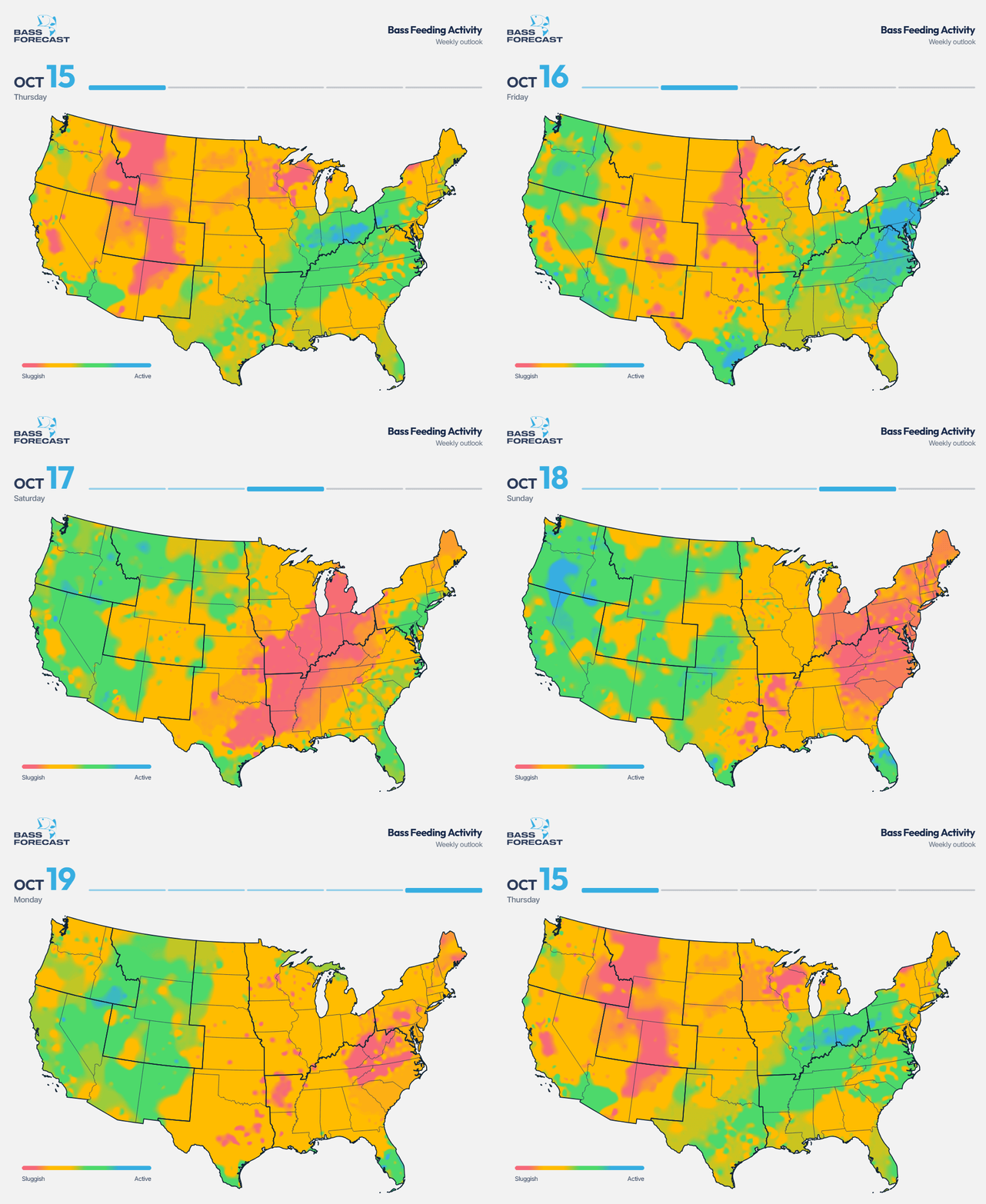
Check your local Bass Forecast ratings and intel report for your specific 10-day outlook, bite time windows, and bait recommendations tailored to your location.
Reading Conditions for Topwater
Not every low light window is the same. The angler who can read the specific conditions of any given morning and choose the right topwater category will consistently outfish the angler who throws the same bait every day.
Wind, the Great Topwater Divider
Wind changes everything about which topwater works. Calm or very light wind favors walking baits and poppers because they require subtle action that gets lost in chop. Moderate wind that creates a light ripple actually helps buzzbaits, frogs, and prop baits because the ripple masks the bait's imperfections and amplifies its silhouette.
Heavy wind makes most topwater difficult except buzzbaits and prop baits, which produce enough noise and movement to remain effective in chop. If the surface is rippled hard enough that you cannot see your walking bait clearly, switch to a buzzbait or put the topwater down entirely.
Direction matters too. Wind blowing onto a bank concentrates bait on that bank and pulls bass with it. Wind blowing off a bank pulls bait away and disperses fish. Fish the windblown bank. The buzzbait or walking bait worked into the wind on the windblown side of a point will produce more than the same bait on the calm side.
Cloud Cover and the Extended Window
Overcast conditions extend the productive topwater window significantly. The same low light geometry that makes dawn and dusk productive holds all day under heavy cloud cover. On a fully overcast day in summer, you can fish topwater from sunrise to sunset and produce throughout the day.
Watch the cloud pattern more than the clock. Heavy overcast moving in on a previously sunny morning often extends a topwater window by hours. Clouds breaking on what was a cloudy morning collapses the window quickly.
Water Temperature and Topwater Commitment
Topwater becomes consistently productive once water temperatures climb into the upper sixties. Below that range, bass will hit topwater occasionally but the percentages drop sharply. The relationship is observational, not a precise temperature switch. Bass become more active and more likely to commit to surface presentations as water warms, and they remain productive through the upper eighties.
When water temperatures push past ninety on shallow Southern reservoirs, the productive window compresses to first light and last light. Bass still feed topwater, just for shorter periods at the temperature extremes. Watch the water temperature trend more than the absolute number.
Pre-Front and Post-Front Conditions
Pre-front conditions with falling barometric pressure, building clouds, and increasing wind often produce some of the most aggressive topwater bites of the entire season. Bass take advantage of the conditions and commit hard to surface presentations.
Post-front conditions with rising barometric pressure, bright clear sky, and dead calm water are the worst topwater conditions of any weather cycle. The combination of high pressure and exposed surface kills the ambush advantage that makes topwater work. Wait until conditions stabilize and let the next pre-front window produce.
When Topwater Shuts Down and What to Throw Instead
Topwater windows are short. The angler who knows when to put the surface bait down and switch to a subsurface presentation catches significantly more fish than the angler who keeps casting topwater through the closing window.
Signs the Window Is Closing
The surface goes calm. The sun climbs above the treeline. The bites stop. Bass that were committing to topwater on the first three casts are now following without taking. The lake feels different than it did thirty minutes ago.
These are signals that the geometry has changed. Bass are no longer in shallow ambush positions. They have either dropped to slightly deeper holding water or pushed tight to specific cover. The same fish that ate the topwater are still in the same general area, but they need a different presentation now.
The Subsurface Follow-Up
The Keitech Fat Swing Impact swimbait on a light head covers the same water at the same speed as a walking bait, just below the surface. When topwater stops producing, switching to a swimbait worked over the same flats and points often produces immediate bites from fish that were tracking the surface bait but not committing.
The Strike King KVD Finesse Swim Jig along grass edges where buzzbait fish were holding picks up the fish that have pushed slightly into cover as the window closes. Swim it parallel to the grass line in the depth range where the topwater bite was happening.
For fish that have pushed all the way to cover, a Texas-rigged Zoom Trick Worm or a finesse jig pitched into the deepest available shade produces the post-window bite. Slow down significantly compared to the topwater retrieve. The fish are no longer chasing. They are holding and waiting for a presentation to come to them.
Regional Breakdown: Where Topwater Is Peaking Right Now
Here is the national snapshot as of June 15. Find your region, identify your peak categories, and match your approach.
Southeast (Florida, Georgia, Alabama, Mississippi, South Carolina, Louisiana) Peak frog and walking bait. Frogs over mats, hydrilla, and pads are at the highest production window of the year. Walking baits at dawn and dusk on main lake points and grass edges. Night topwater is becoming productive as midday heat compresses windows. Florida and Georgia anglers should be on frog water at first light with a walking bait ready when the frog bite slows.
Southwest (Texas, Oklahoma, Arkansas, Louisiana) Peak walking bait and buzzbait. Walking baits over offshore brush and main lake points at low light. Buzzbaits along shoreline cover and grass edges at first and last light. Texas anglers should be on offshore topwater near deep structure during summer windows when bass push to the surface to feed on schooling shad.
Mid-South (Tennessee, North Carolina, Virginia, Kentucky, West Virginia) Peak across all topwater categories. The best topwater window of the entire year is open right now across this region. Walking baits, buzzbaits, frogs, and poppers all producing on the right water. Tennessee River reservoirs are particularly strong for walking bait fish on main lake points and brush.
Mid-Atlantic and Ozarks (Missouri, Illinois, Indiana, Ohio, Maryland, Pennsylvania) Strong across all categories. Highland reservoirs producing walking bait bites on points. Natural lake areas producing buzzbait and frog fish along grass and pad lines. Lake of the Ozarks, Bull Shoals, and similar reservoirs are hitting full topwater stride.
Great Lakes and Upper Midwest (Michigan, Wisconsin, Minnesota, Iowa, New York) Strong and building. Topwater on for both largemouth and smallmouth. Walking baits over rocky smallmouth structure produce explosive smallmouth fish that often jump multiple times on the hookset. Buzzbaits and frogs along largemouth grass produce some of the largest fish of the year. Natural lake topwater is hitting its stride this week.
Northeast and New England (New York, Pennsylvania, New Jersey, Connecticut, Massachusetts, Vermont) Building, strong by month end. Topwater opening as post-spawn feeding window matures. Walking baits and buzzbaits producing in low light on warmer waters. Frog fishing developing as pad and mat cover establishes. By the last week of June this region will be at full topwater production.
West and Pacific Northwest (California, Oregon, Washington, Nevada, Arizona) Strong on lower elevations. California reservoirs including Clear Lake, Folsom, and Castaic are in full topwater swing. Clear-water Western lakes have a tighter low-light window than stained Southern reservoirs, often compressing to forty-five minutes around sunrise and sunset. Higher elevation lakes are just opening topwater.
Rocky Mountains (Colorado, Utah, Wyoming, Montana, Idaho) Early, building. Lower elevation lakes finishing post-spawn and opening topwater. High elevation lakes still in spawn or early post-spawn for most of this region. Topwater fishing will hit peak window in late June through early July depending on elevation.
Angler-Type Breakdown
Bank Anglers
Topwater is one of the most productive bank fishing patterns of the entire year. The fish come to shallow cover during low light and you do not need a boat to reach them. A walking bait on main lake shoreline, a buzzbait along grass and dock shadows, a frog over visible mats at dawn. The exact same patterns that produce from a boat produce from the bank during topwater windows.
Be on the water thirty minutes before sunrise. This is non-negotiable for serious bank topwater fishing. The first hour produces more than the next two combined. Anglers who arrive at sunrise are already too late for the peak window.
Sunset is the second window. Arrive forty-five minutes before sunset and stay until you cannot see your bait. The last fifteen minutes before full darkness often produce the biggest fish of the day.
Kayak Anglers
Kayaks own backwater topwater fishing. Mats, pads, lily pad fields, and protected coves that boats cannot reach quietly produce some of the most explosive frog and buzzbait fish of the entire summer. A Booyah Pad Crasher worked across visible vegetation from a kayak at dawn is one of the year's most productive patterns.
Plan the route before launching. You will be on the water in the dark, navigating to backwater locations that take time to reach. A wrong turn in the dark costs you the prime window. Know the water before the morning of the trip.
Be over fish at first light. This means launching forty-five minutes before sunrise on most waters. The reward is access to fish that boat anglers cannot reach without disturbing.
Boat Anglers
Range is the boat advantage during topwater windows. Run between multiple high-percentage low-light locations to maximize the short morning window. Walking baits on main lake points, frogs in backwater coves, buzzbaits along grass lines, all in the same morning at different stops.
Use the day to find the deep structure that will produce when topwater shuts down. Mark the brush piles, ledges, and offshore structure on your graph during midday so you know where to return for the evening topwater window and where to go when the surface bite closes.
The biggest topwater days from a boat come from having multiple locations dialed in and running between them efficiently. Twenty minutes per spot during the prime window, then move. Stay too long on one location and you miss the window at the next one.
Frequently Asked Questions (FAQ's)
What is the best topwater bait for bass? There is no single best topwater bait. The right answer depends on water type and conditions. Walking baits like the Heddon Zara Spook are best for open water at dawn and dusk on main lake points and flats. Buzzbaits are best for grass edges, shoreline cover, and calling fish from a distance in stained water. Hollow body frogs are the only topwater option for mats, pads, and matted vegetation. Poppers are best for targeted presentations at specific known cover. Match the bait category to your water and conditions rather than asking which single bait works everywhere.
When is the best time of day for topwater bass fishing? First hour of daylight and last hour before dark consistently produce the most aggressive topwater bites of the day. Overcast and windy days can extend the productive window into mid-morning or even all day. The first hour of light is the single most consistent topwater window of any twenty-four hour cycle, and it remains productive across virtually all water types and conditions.
What temperature is best for topwater bass fishing? Topwater becomes consistently productive when water temperatures climb into the upper sixties and remains productive through the upper eighties. The relationship is observational rather than a precise temperature trigger. Bass commit to surface presentations more aggressively in warmer water because of overall feeding activity levels, not because of a specific temperature threshold.
How do you fish a walking bait for bass? Cast past the target. Tip the rod down toward the water and keep the line semi-slack. Twitch the rod with a rhythmic cadence, making the bait walk side to side in a zigzag pattern. Vary the cadence based on how fish are responding. Pause longer when fish are following but not committing. The pause is often when bites happen. Most anglers move walking baits too fast. Slow down and add longer pauses than feel natural.
When should I throw a frog vs. a buzzbait? Frogs for heavy cover where weedless presentations are required: lily pads, matted vegetation, hydrilla mats, and thick slop. Buzzbaits for grass lines, shoreline cover, and open water areas where you need to cover water and call fish from a distance. The two presentations rarely overlap on the same water. The cover dictates the choice.
Why are bass missing my topwater? Most missed topwater bites are angler error. Setting the hook too early on the splash before the fish has fully taken the bait pulls the lure away from striking fish. Retrieving too fast and pulling the bait away from a tracking fish is a close second. Dull treble hooks that bend or fail to penetrate is a distant third. The fix is patience on the hookset, slower retrieves with longer pauses, and replacing trebles when they get bent or dulled.
When does topwater bass fishing season end? Topwater remains productive in most regions through September and well into October as water temperatures stay in the productive range. The window compresses to dawn and dusk during midsummer heat. Productive topwater fishing extends from June through early fall on most bodies of water, with peak intensity from mid-June through August before gradually fading as water cools.
Use the Bass Forecast App to Know What Bait to Throw
Topwater windows are short and condition-specific. Bass Forecast tracks wind, cloud cover, barometric trend, and solunar timing so you know whether tomorrow morning is a frog day, a walking bait day, or a stay-in-bed day before you ever set the alarm.
Download Bass Forecast or use our web app and stop missing the windows that produce.

-1739275914.jpg)
.jpg)
.jpg)
.png)
.png)