
Topwater Bass Fishing: The Art of the Surface Strike
Share this bass fishing article with every angler you know!
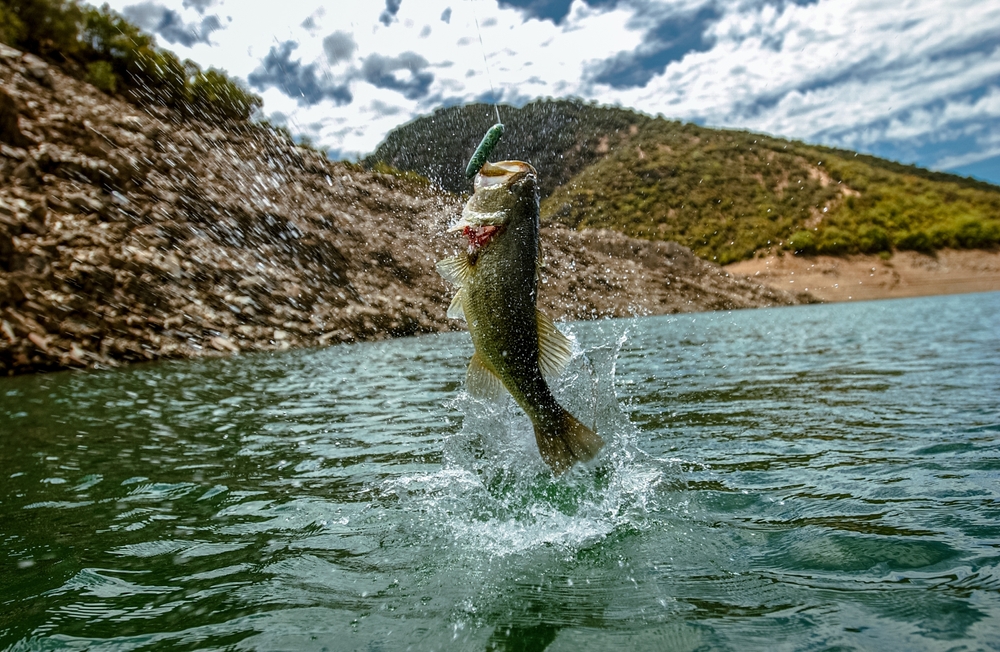
If you’ve never had a largemouth bass detonate on a topwater lure, you haven’t truly lived. It’s part fishing, part heart attack, and part addiction.
This guide breaks down how, when, and why topwater fishing works, using real fish behavior (not just dock talk), and helps you consistently catch more largemouth bass on the surface.
We'll go over verything you need to know about largemouth bass topwater lures, from the science behind the strike to the best setups by region.
Sign up to be notified of new bass fishing articles, tips and tricks!
Bass Forecast Newsletters
Why Topwater?
The Science Behind the Strike
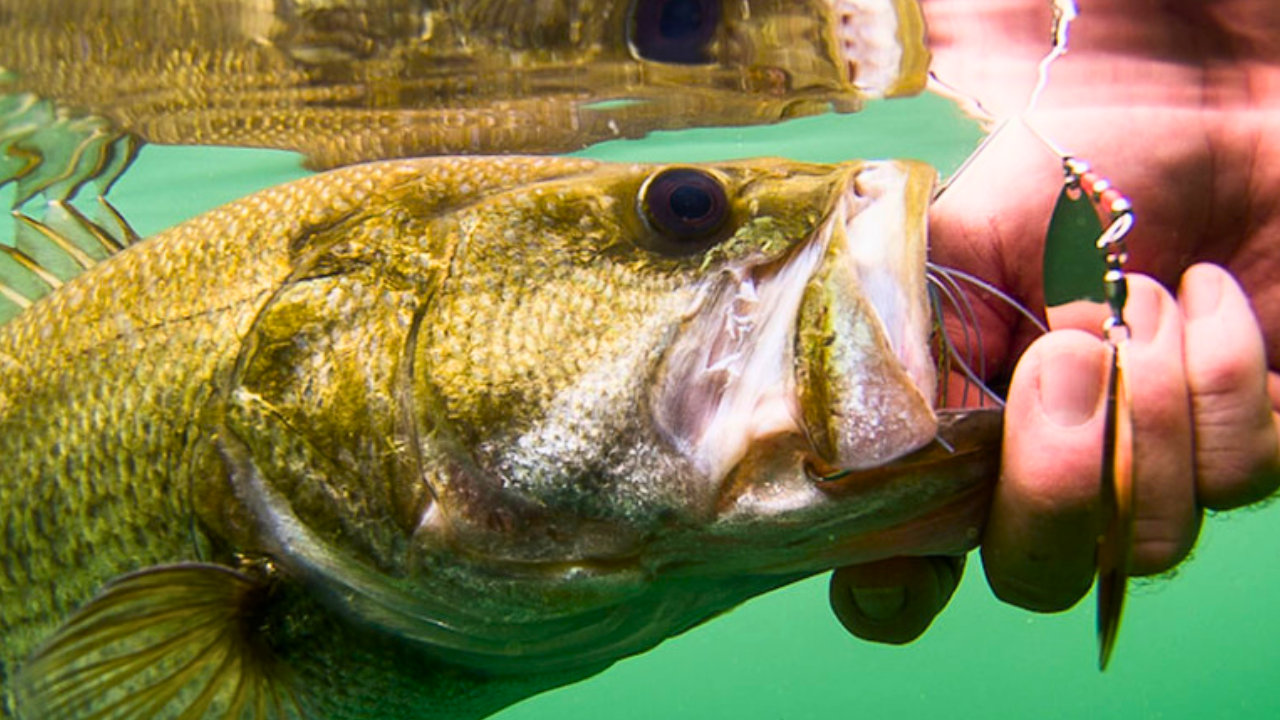
Topwater fishing for largemouth bass (Micropterus salmoides) is the most visually explosive technique in all of freshwater fishing — and there's real biology behind why it works so well. Bass have upward-angled eyes designed by evolution to scan the surface. Their lateral line — a pressure-sensing organ running along their body — detects the faintest surface disturbance from impressive distances. When you work a topwater lure correctly, you're ringing the dinner bell in two languages simultaneously: visual and vibrational.
The key trigger windows for topwater bass action are water temperatures between 65°F–85°F, low-light conditions (dawn, dusk, or overcast days), and calm to lightly choppy surfaces. Overcast skies are a gift, the bite often stretches deep into midday. Calm water is ideal for walking baits, while a slight chop suits plopper-style baits perfectly. As cold-blooded fish, bass in warmer water rev up their metabolism, becoming hungry and aggressive as they look up for easy meals.
Bass Pro Tip: If the water is below 60°F, put the topwater rod down. The fish are lethargic and won't chase. Come back when it warms up, just like you should come back to bed before 5 a.m.
The Addiction is Real
Topwater bass fishing is characterized by the explosive surface strike, a phenomenon that drives anglers to dedicate significant time and resources.
This guide goes beyond basic lure recommendations to delve into the history of surface lures, the scientific principles behind bass strikes, and regional nuances, providing a complete understanding of why bass attack topwater offerings.
The Reel History
Like most great fishing breakthroughs…this one wasn’t planned.
Legend has it that James Heddon was whittling by a pond when he tossed a carved piece of wood into the water—and watched a bass explode on it. Instead of ignoring it like a normal person, he leaned in. Hard.
That moment led to the Dowagiac Minnow, one of the first commercially successful artificial lures. But the real game-changer came in 1922 with the Zaragossa (Zara Gossa)—a lure that unknowingly introduced the world to the “walk-the-dog” action.
At the time, anglers didn’t even realize what they had. They just knew it worked.
Fish science translation: Bass were reacting to erratic lateral movement on the surface, mimicking injured prey, something their brains are wired to attack.
1800s - 1930s
The Accidental Genius
James Heddon's wooden Dowagiac Minnow. The birth of walking the dog with the 1922 Zaragossa.
1930s - 1950s
The Golden Age
Arbogast's Jitterbug and Hula Popper. The 1939 Zara Spook introduces plastic.
1960s - 1990s
Specialized Splashdown
Hollow-body frogs like Snag Proof and high-speed Buzzbaits change the game.
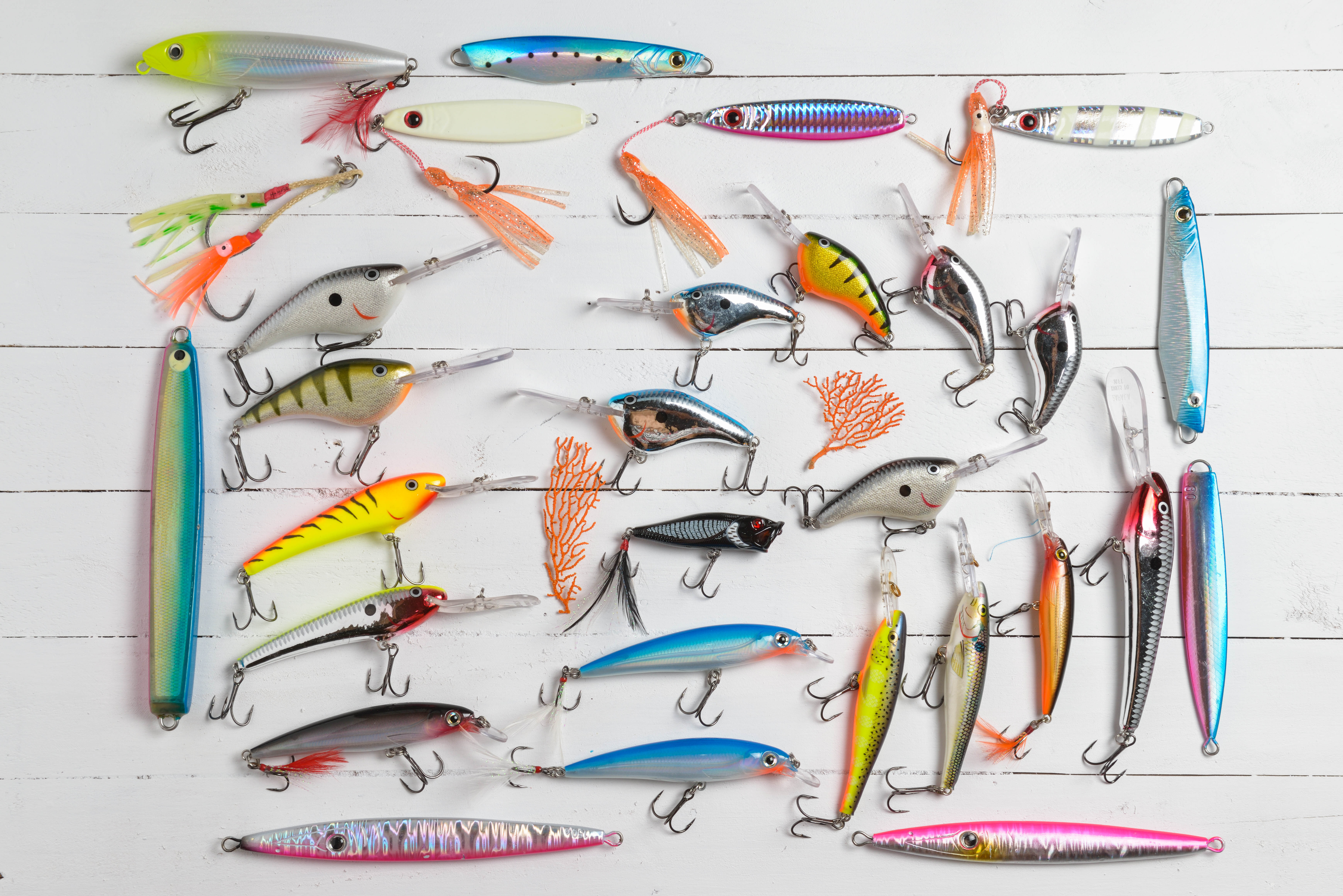
Best Topwater Lures for Largemouth Bass
🐸 Hollow Body Frog: Walks over thick mats, lily pads, and hydrilla with zero snag risk. Strikes are absolutely violent. Top picks: BOOYAH Pad Crasher, Livetarget Frog.
🐟 Walking Bait (Stick Bait): The "walk-the-dog" side-to-side glide is the most universal topwater presentation ever invented. Top picks: Heddon Zara Spook, Yo-Zuri 3DB Pencil.
💥 Popper: Cupped face throws water and sound. Best in calm, clear water near structure. Top picks: Rebel Pop-R, Storm Chug Bug.
⚡ Buzz Bait: A spinning blade churns across the surface creating noise and wake. Deadly in stained water and wind. Top pick: Strike King Tri-Wing Buzz King.
𖣘 Prop Bait: Spinning propellers fore and aft create maximum surface commotion. Deadly on calm mornings over deeper structure. Top picks: Heddon Torpedo, Devil's Horse.
Important life advice: The first time a 6-pound bass blows up on your frog over a lily pad mat, you will drop your rod, yell something inappropriate, and forget to set the hook. We've all been there. Set. The. Hook.
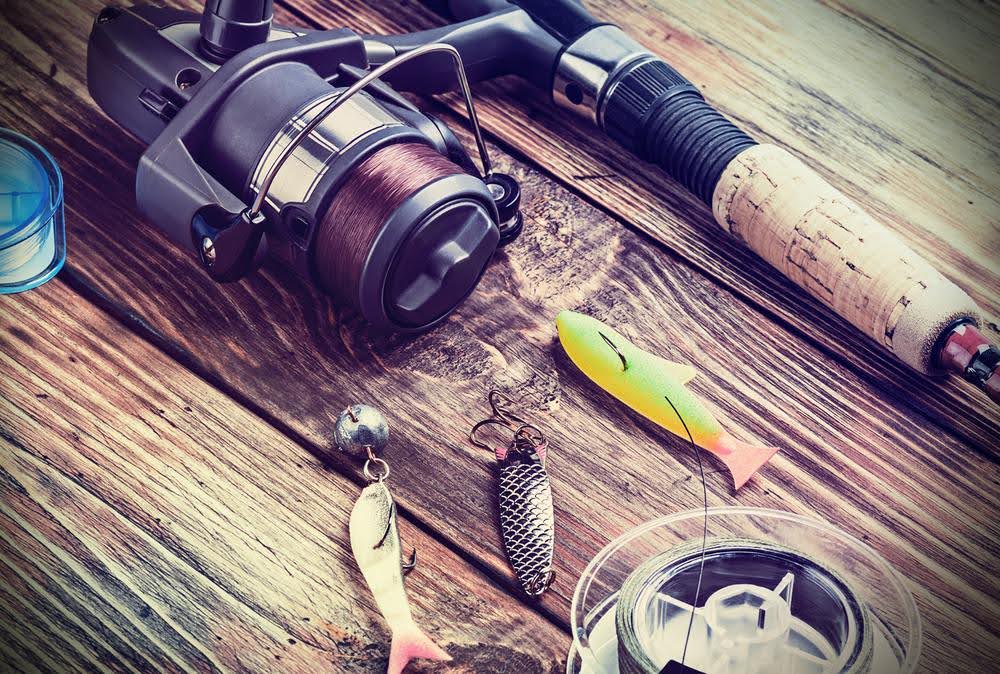
Recommended Topwater Bass Fishing Setup
Rod: 7'–7'4" Medium-Heavy Baitcasting Rod
Reel: Abu Garcia Revo or Shimano Curado — 6.3:1 to 7.5:1 gear ratio
Line (heavy cover): 50–65 lb braided line — zero stretch for instant hooksets through grass
Line (open water): 30 lb braid + 20 lb fluorocarbon leader — braid sensitivity, fluoro invisibility
Hook (frog): Double wide-gap 4/0–5/0, usually factory-installed on quality frogs
Topwater Tactics Bank, Boat and Kayak
Bank Anglers
You don't need a boat to dominate topwater fishing. Bank anglers are actually positioned inside the strike zone — shallow coves, riprap banks, dock edges, and grassy points. Cast parallel to the shoreline, not straight out. Buzz baits cover water fast from a fixed position. A walking bait like the Zara Spook worked toward structure is devastating. Wear dark, non-reflective clothing, keep your shadow off the water, and move slowly. You are the predator now.
Boat Anglers
The boat unlocks the full map — offshore points, submerged creek channel edges, and vast open flats adjacent to deep water. Use electronics to find shallow staging areas before first light, then idle in quietly on the trolling motor. A hollow body frog cast to isolated cover from 40 feet away is a game-changer. Walking baits over open flats at first light produce some of the most violent topwater strikes you'll ever witness. Boat anglers can cover 10x more water — use that advantage strategically, not recklessly.
Kayak Anglers
The kayak is arguably the best topwater platform ever made — and that is not an exaggeration. Low profile, near-silent, and able to access water no boat can reach. Shallow lily pad flats, backwater creek arms, and beaver pond edges are your kingdom. Frog fishing from a kayak through vegetation is a religious experience. Pro tip: Strap your paddle down before you cast. When a 5-pounder demolishes your frog at 6 a.m., you will drop everything. We are not joking. Secure the paddle.
Topwater Bass Fishing by Region
🌲 Pacific Northwest
Underrated and underloved. Lake Roosevelt (WA) and Applegate Lake (OR) hold quality largemouths. The PNW's near-constant overcast skies extend the topwater bite well into midday — nature's gift to the local angler. Walking baits in perch or natural shad colors shine in clear, cool Pacific waters.
🌵 Southwest
Big bass country — brutal heat included. Lake Havasu, Clear Lake (CA), and Lake Mead are legendary fisheries. Summer topwater is a 30-minute window at first light. If you're not on the water before sunrise, you already lost. Hollow body frogs over tule grass and chrome walking baits over open flats are the local playbook.
🌿 Southeast
The promised land. Florida-strain largemouth grow to double-digit weights on lakes like Okeechobee and Kissimmee. Frog fishing is practically a religion here — hydrilla mats, duckweed, and lily pads as far as the eye can see. Year-round topwater opportunities. If you haven't frog-fished the Southeast, you haven't lived.
🏔️ Rocky Mountains
Don't sleep on these fisheries. Pueblo Reservoir (CO) and Lucky Peak (ID) hold solid fish. The topwater season is compressed to June through September — don't even pick up a surface lure until water temps hit 65°F. Clear mountain water demands natural colors and subtle presentations. A Zara Spook in shad is nearly unbeatable here.
🌾 Great Plains
Wind is your enemy — and occasionally your friend. When it lays down on Lake Texoma or Milford Lake, topwater is spectacular. Buzz baits handle choppier conditions better than any other surface lure. Stained water is common across the Plains, so go loud and high-contrast: chartreuse or all-black.
🌽 Midwest
Glacial lakes and river impoundments hold absolute pigs. Rend Lake (IL), Lake Erie backwaters, and the natural lakes of Minnesota and Michigan are standouts. Calm summer mornings on glassy Midwestern water are as good as anywhere in the country. Prop baits and walking baits dominate the clear-water natural lake scene.
🍂 Northeast
Short season, serious fish. Candlewood Lake (CT), Lake Champlain, and the Delaware River system deliver. Cooler water means bass are more deliberate — slow your retrieve down considerably. Pop it. Let it sit. Sit longer. Now twitch it once. That's when they eat. Northeast bass did not come here to be rushed.
Frequently Asked Questions (FAQ)
What is the best time of day for topwater bass fishing? Early morning from first light to 9 a.m. is the prime window, followed by the last hour before dark. Overcast days can extend the bite well into midday. Avoid midday sun on clear, calm summer days — the bass go deep and so should your lure.
What water temperature is best for topwater lures? 65°F to 85°F is the sweet spot. Below 60°F, bass metabolism slows dramatically and surface chasing almost stops entirely. Above 90°F, fish deeper during the day but return to the surface at dawn and dusk.
What line should I use for topwater bass fishing? 50–65 lb braid for frog fishing over heavy cover. For open-water walking baits and poppers, run 30 lb braid with a 20 lb fluorocarbon leader for stealth in clear water.
Why do bass miss topwater lures? Two reasons: setting the hook too early, or retrieving too fast. When a bass blows up — pause. Let the fish commit, feel the weight, then set the hook hard. Your instinct will scream "SET IT NOW." Fight that instinct every single time.
What is the best topwater lure for beginners? A buzz bait. Tie it on, cast it out, reel steadily to keep the blade spinning on the surface. That's literally it. Easy to master, brutal on bass, and endlessly confidence-building.
Can you fish topwater from the bank? Absolutely — and sometimes more effectively than from a boat. Bank anglers are already positioned in the strike zone. Cast parallel to the bank, stay low and quiet, work toward structure. You don't need a boat to catch giants on topwater.
Stop Guessing. Start Catching Download Bass Forecast
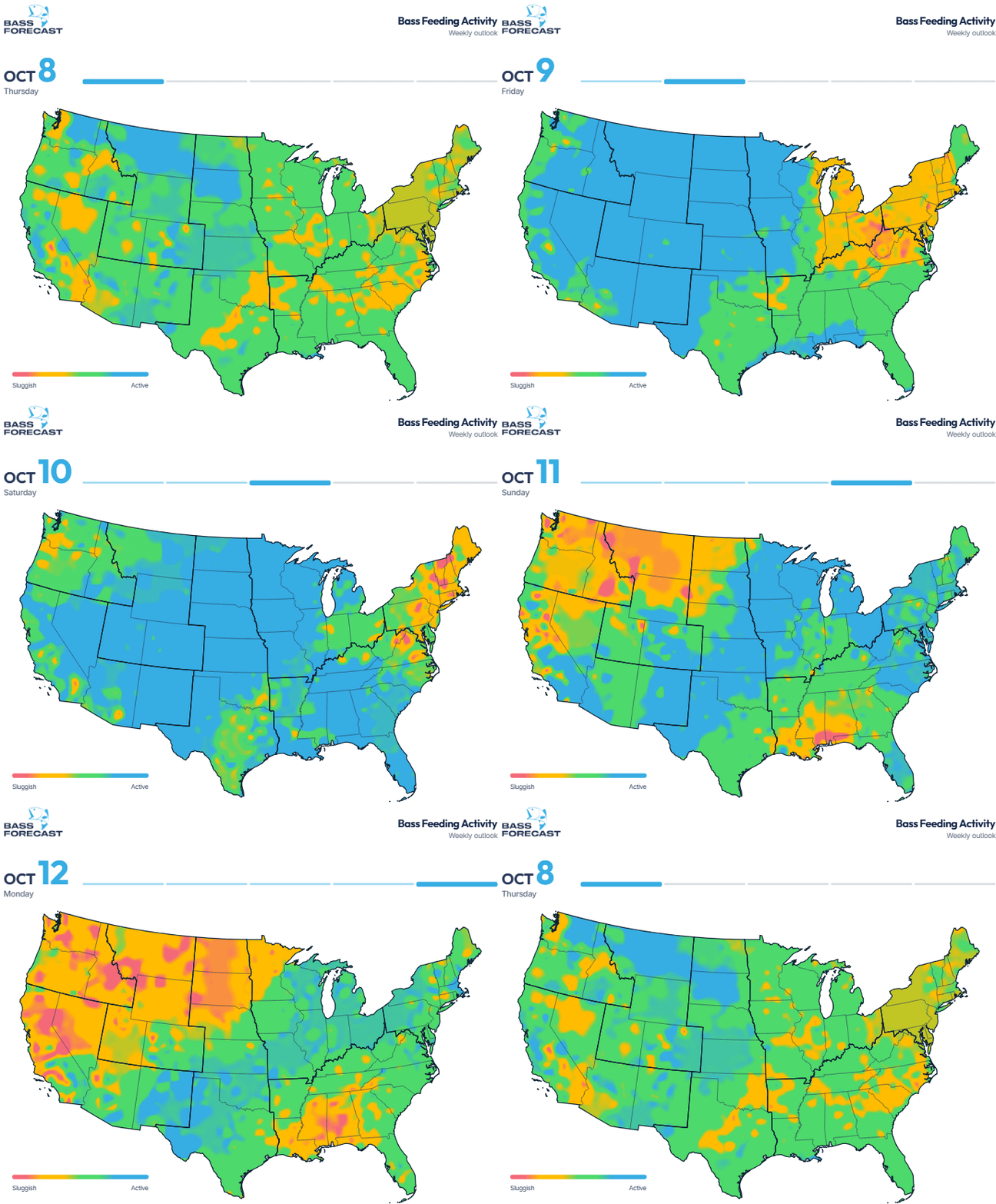
Timing your topwater bite just got a whole lot easier. Bass Forecast is the AI-powered app that tells you exactly when and where bass will be most active, factoring in weather, barometric pressure, moon phases, water temperatures, and seasonal patterns for your specific region.
No more waking up at 4:30 a.m. for a cold, dead bite. Fish smarter, not longer.
🎣 Download Bass Forecast free to start catching trophy bass!
Features include: hourly bass activity forecasts, topwater bite windows, weather and pressure alerts, and full coverage across all U.S. regions. Whether you're a bank angler in the Southeast or a kayak angler in the Pacific Northwest Bass Forecast puts the data in your hand before you ever tie on a lure.

-1739275914.jpg)
.jpg)
.jpg)
.png)
.png)