
Umbrella Rig Bass Fishing: How to Catch Big Largemouth
Share this bass fishing article with every angler you know!
Few lures in bass fishing have caused as much chaos and caught as many fish as the umbrella rig.
When it burst onto the tournament scene in 2011, it was so effective that many tournaments quickly banned it. That’s when you know a lure works.
Why?
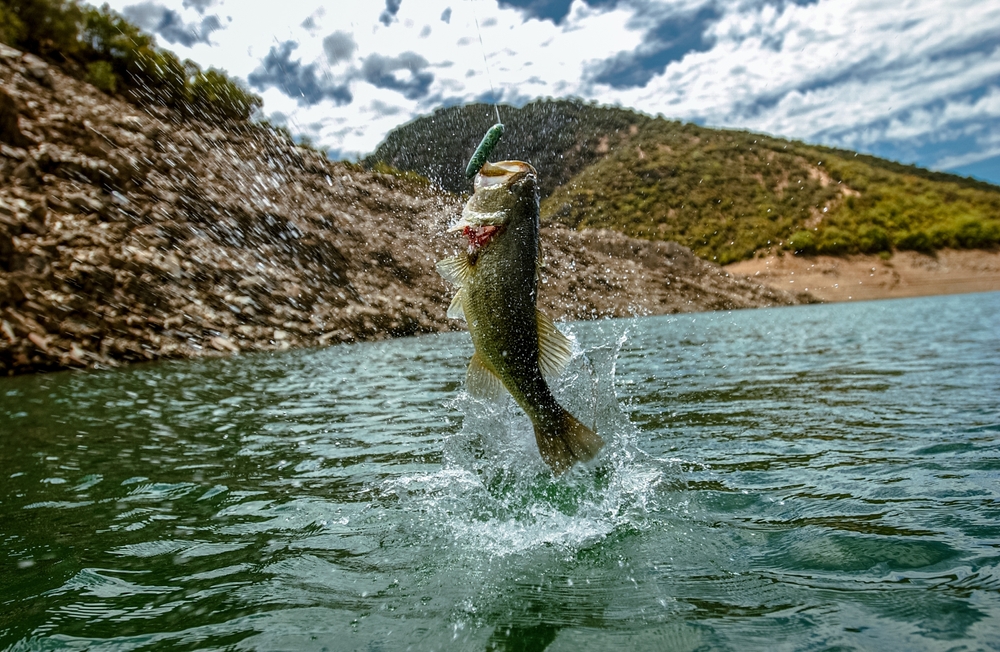
Because an umbrella rig imitates an entire school of baitfish, and largemouth bass are opportunistic predators that love attacking groups of prey.
If you want to target bigger bass and trigger aggressive feeding behavior, the umbrella rig is one of the most powerful tools you can throw.
Sign up to be notified of new bass fishing articles, tips and tricks!
Get the Bass Fishing Playbook Every Week
What Is an Umbrella Rig?
An umbrella rig (often called an Alabama Rig or “A-Rig”) is a multi-wire fishing rig that holds several swimbaits at once, creating the appearance of a small baitfish school swimming together.
Popular versions include:
YUM Yumbrella Rig
Strike King Tour Grade Titanium Umbrella Rig
Hog Farmer Baits Alabama Rig
Typically, the rig contains 3–5 swimbaits, though regulations vary by state.
When retrieved, the wires spread the baits out so they move like a tight ball of baitfish, which is exactly what largemouth bass hunt.
The History of the Umbrella Rig
The umbrella rig exploded in popularity during the 2011 bass tournament season.
Invented in 2009 by Andy Poss and exploded in 2011. The lure gained national attention when professional angler Paul Elias used a prototype Alabama Rig to dominate a major tournament on Lake Guntersville crushing competition with 102 lbs.
The results shocked the fishing world.
He caught massive limits while other anglers struggled.
Within months:
anglers everywhere were throwing umbrella rigs
tackle stores sold out nationwide
several professional circuits banned the lure
Today, the umbrella rig remains one of the most effective big bass presentations ever created.
The Controversy
Dubbed the "Cheater's Chandelier." Banned by B.A.S.S. and MLF elite series to protect the "one-lure" rule.
Why Largemouth Bass Attack Umbrella Rigs (Fish Science)
The success of the umbrella rig comes down to predator behavior and feeding instincts.
Schooling Prey Trigger
Many bass forage species—like shad and minnows—travel in schools for protection.
But to a bass, a baitfish school is basically a floating buffet.
Predators often attack the edges of the group, isolating weaker prey.
An umbrella rig perfectly mimics this behavior.
The Science of the Strike
"It exploits a bass's lateral line system, detecting low-frequency vibrations (1-80 Hz). This creates a sensory illusion that bypasses logic and triggers primal group hunting behavior."
Orexin / Ghrelin Triggers
Serotonin Peaks
Adrenaline Surges
Reflexive Action
Multiple Targets Create Competition
When several baitfish appear at once, bass often strike more aggressively.
Why?
Competition.
The fish instinctively thinks:
"If I don’t eat that baitfish right now, another bass will."
That urgency produces explosive reaction strikes.
Flash and Movement
Multiple swimbaits create:
flash from multiple directions
vibration from several tails
a large visible bait ball
To a bass, this looks like an easy feeding opportunity.
Best Umbrella Rig Techniques
Slow Rolling
The most common and effective retrieve.
Cast the rig out
Let it sink to desired depth
Retrieve slowly
This technique imitates a relaxed school of baitfish cruising through the water column.
Big bass often trail the school before striking.
Countdown Method
Great for suspended fish.
Steps:
Cast
Count seconds while rig sinks
Begin retrieve at desired depth
This allows anglers to target bass holding at specific depths.
Bottom Bumping
In colder water, umbrella rigs can be crawled along the bottom.
This presentation mimics baitfish feeding near the lake floor.
Cold-water bass often prefer slower-moving prey.
Umbrella Rig Tips for Bank Anglers
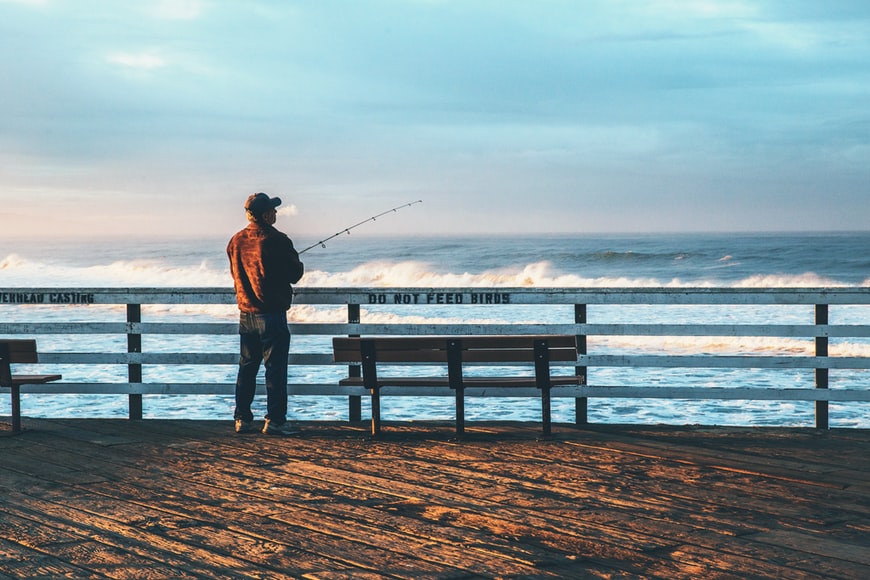
Bank anglers can still fish umbrella rigs effectively, though casting weight is heavier.
Best bank locations
dam faces
long points
deep banks
wind-blown shorelines
Because umbrella rigs represent a baitfish school, they work best where bass are already chasing forage.
Use heavier rods to handle the weight of the rig.
Umbrella Rig Tips for Boat Anglers
Boat anglers get the most versatility with umbrella rigs.
Prime targets include:
suspended fish over deep water
offshore humps
creek channels
baitfish schools on electronics
Use sonar to locate shad balls, then retrieve the umbrella rig through them.
When bass are feeding on schooling baitfish, this presentation can be devastatingly effective.
Umbrella Rig Tips for Kayak Anglers
Kayak anglers can still fish umbrella rigs, but gear matters.
Use:
strong rods
heavier reels
braided line
Kayaks excel at fishing open-water bait schools, especially on small reservoirs.
One warning:
When a big bass hits an umbrella rig in a kayak, it can feel like you just hooked a small submarine.
Hang on.
Regional Umbrella Rig Strategies
Pacific Northwest
Reservoir bass often suspend near baitfish schools in deeper water.
Umbrella rigs excel when retrieved slowly through suspended fish.
Natural baitfish colors work best.
Southwest
Many desert reservoirs contain huge populations of shad.
Umbrella rigs shine when bass are following bait schools near points and ledges.
Fish them deep and slow.
Southeast
The Southeast is the birthplace of the Alabama Rig.
Cold-water winter bass frequently suspend near bait balls, making umbrella rigs extremely productive.
This is where the rig truly shines.
Rocky Mountains
High-elevation reservoirs often feature clear water and suspended bass.
Umbrella rigs can imitate schooling baitfish perfectly in these environments.
Long casts and slow retrieves are key.
Great Plains
Wind pushes baitfish into open water areas.
Umbrella rigs help anglers match the hatch when bass feed on large schools of shad.
Midwest
Large reservoirs and natural lakes often have roaming bass chasing baitfish.
Umbrella rigs are effective in late fall and early winter, when baitfish school tightly.
Northeast
Many natural lakes contain large populations of shiners and alewives.
Umbrella rigs imitate these schooling baitfish extremely well, especially in cool water periods.
Best Gear for Umbrella Rig Fishing
Umbrella rigs are heavier than most bass lures, so gear matters.
Rod
Heavy or extra-heavy
7'3"–7'11"
Reel
High-capacity baitcaster
6.3:1 gear ratio
Line
17–25 lb fluorocarbon
50–65 lb braid
Strong gear helps manage the rig weight and fight large bass.
Use this gear for massive bass attacks
Industrial 7-wire multi-tiered design. Built for durability in heavy cover.
8.0" X-Heavy Rod
80LB Braid
5.4:1 Reel
The versatile standard. Compact frame with 4 willow blades for maximum flash.
7'6" MH Rod
25LB Fluorocarbon
6.3:1 Reel
Titanium wire technology. Always returns to its original shape after a strike.
7'11" Heavy Rod
65LB Braid
6.4:1 Reel
Frequently Asked Questions
What is an umbrella rig for bass fishing?
An umbrella rig is a multi-wire fishing rig that holds several swimbaits to imitate a school of baitfish, triggering aggressive strikes from largemouth bass.
When should you throw an umbrella rig?
Umbrella rigs work best when bass are feeding on schooling baitfish, especially in fall, winter, and early spring.
How many baits can you use on an umbrella rig?
Most umbrella rigs hold 3 to 5 swimbaits, though regulations vary by state.
Always check local fishing rules.
Are umbrella rigs legal everywhere?
Some tournaments and states restrict the number of hooks allowed on umbrella rigs. Anglers should always check local fishing regulations before using one.
Fish Smarter with the Bass Forecast App
Knowing how to fish a lure is important.
Knowing when bass are feeding is the real advantage.
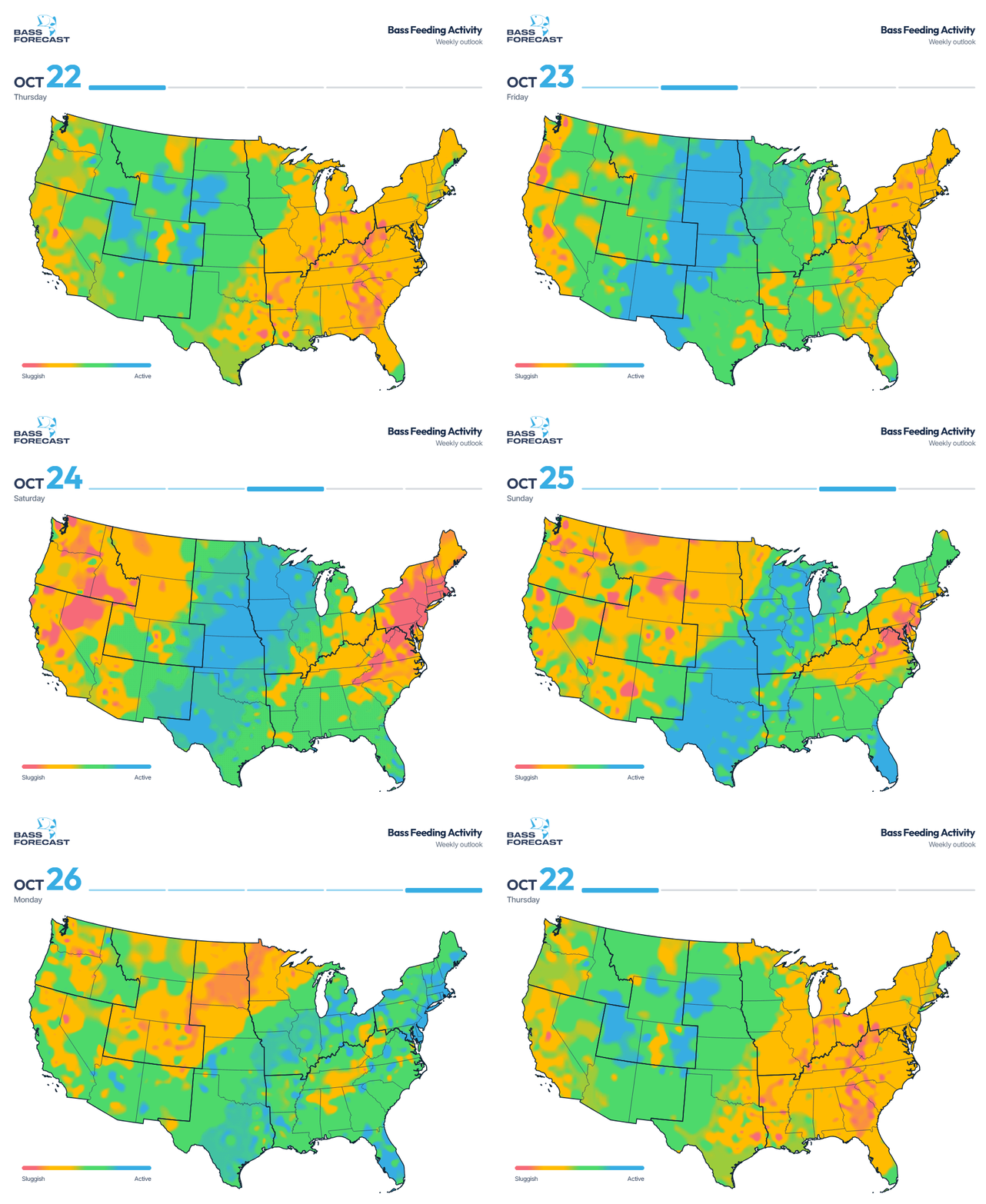
The Bass Forecast app helps anglers plan their trips around peak bass activity.
The app analyzes:
weather patterns
seasonal bass behavior
water conditions
feeding activity levels
Then it tells you:
So instead of guessing what to throw, you can hit the water with a plan.
Because even a school of swimbaits works better when the bass are actually ready to eat.
.png)
.png)