
Chasing the Jumps: How to Find and Fish Schooling Bass in Late Summer
Share this article with every angler you know!
Chasing the Jumps: How to Find and Fish Schooling Bass in Late Summer
You have been on the boat when it happened.
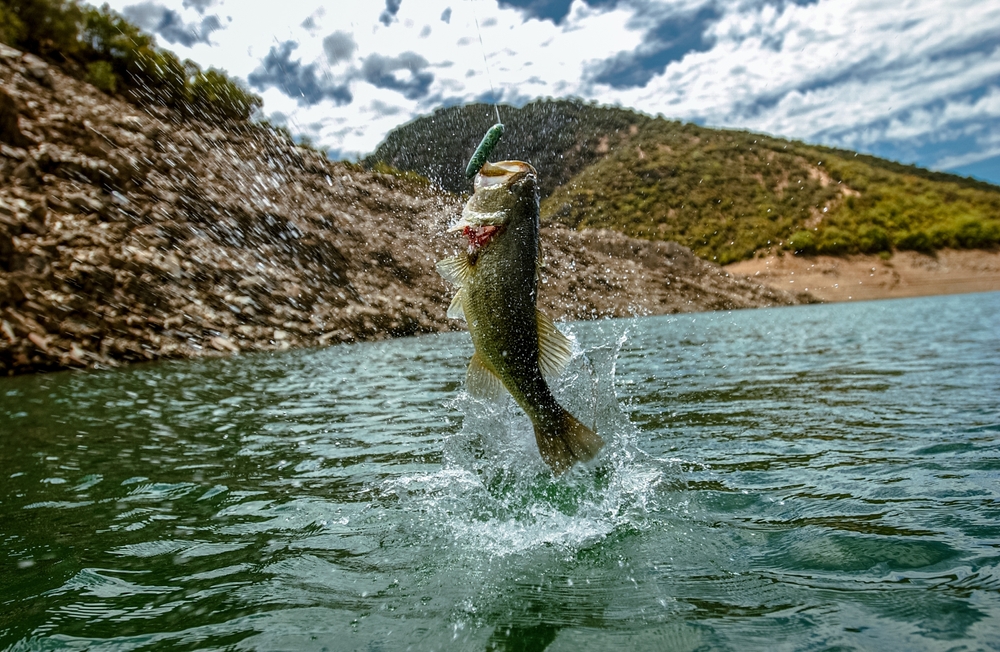
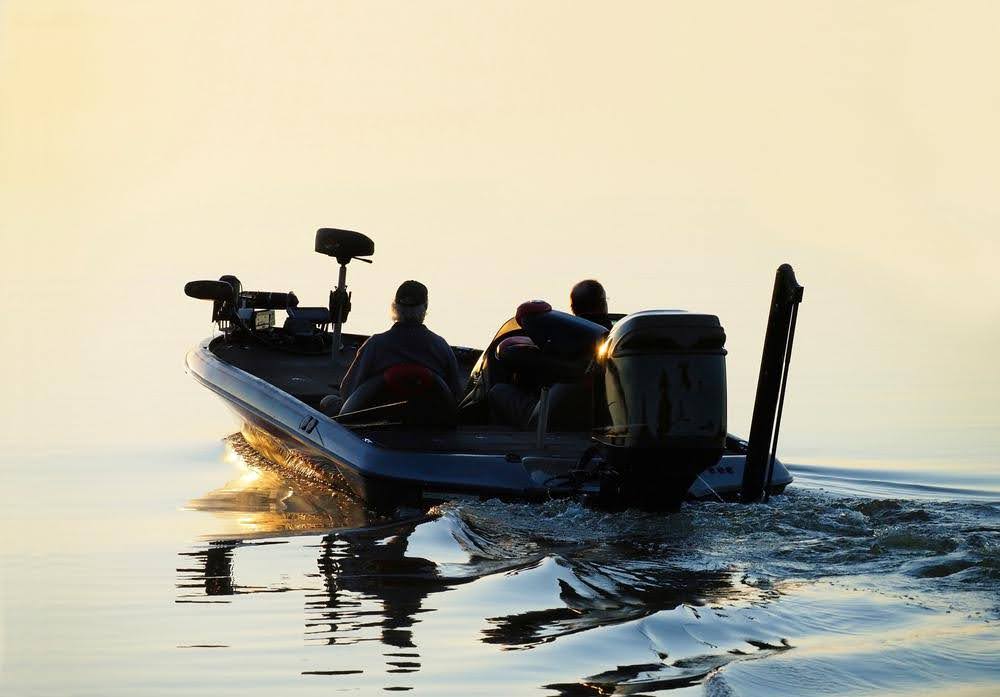
First light on a calm reservoir. Glass water in every direction. Then fifty yards away, the surface erupts. Bass crashing into a school of shad. Baitfish leaping out of the water. The sound of surface strikes carrying across the flat calm morning. You fire a long cast, get one hit, and watch the school move away before you can fire another.
You spend the next thirty minutes chasing other pods of activity. Some are close enough to reach. Most are not. By the time the sun is over the treeline, the activity is gone and you have caught one bass out of what looked like hundreds crashing shad all around your boat.
Schooling bass are not random. They are predictable if you know what to look for.
This article covers where schooling bass hold before they push shad up, what conditions predict schooling activity, how to position on the school without spooking it, and the below-the-school pattern that most anglers miss entirely. Peak schooling season is right now through early September across most of the country. If you have been watching schooling activity happen without being able to fish it consistently, this is the article to change that.
Sign up to be notified of new bass fishing articles!
Bass Forecast Newsletters
What Schooling Bass Actually Are
Schooling bass are bass that hunt in groups by pushing schools of baitfish to the surface where they can be trapped and eaten more efficiently than in open water. The behavior peaks during late summer and early fall on reservoirs and larger lakes with significant shad populations.
Frame this as observed pattern with regional variation. Not every water body produces schooling activity. Not every summer produces the same schooling pattern. What we cover here is the pattern that produces consistently across most productive schooling waters.
Why Bass School on Shad in Late Summer
Shad (threadfin and gizzard on most reservoirs, plus alewife and blueback herring on eastern waters) reach peak population density in late summer. The current year class has grown to a size bass can eat efficiently. The schools are large enough to concentrate feeding activity but not so large that a single bass could satisfy its needs without cooperative hunting.
Bass respond to this abundance by hunting in groups. A single bass chasing a shad school will spook the school in every direction. Multiple bass working the same school corner the shad against the surface where they cannot escape downward. The trapped shad become easy targets and the entire pack feeds simultaneously.
The pattern is efficient. A schooling bass catches significantly more shad per unit of effort than a solo bass chasing individual baitfish. That efficiency is why the behavior emerges in late summer when metabolism is high and calorie needs are elevated.
The Species That School and How They Differ
Largemouth bass exhibit the strongest schooling behavior on most impoundments. Spotted bass school heavily on clearer water reservoirs particularly in the Ozarks and Tennessee River system. Smallmouth bass school on Great Lakes and northern natural lakes over rocky offshore structure, though the pattern looks different than largemouth schooling.
Hybrid striped bass and white bass often mix into largemouth schooling activity on reservoirs that hold both species. The mixed-species schools can produce faster action than single-species schools because more predators are working the same shad concentration.
For this article, the focus is on largemouth and spotted bass schooling on reservoirs and larger natural lakes. That is the pattern that dominates search intent and produces consistently across the country during late summer.
The Typical Window
First hour after sunrise. Last hour before sunset. Overcast midday conditions extend the productive window significantly. Bright sunny midday shuts schooling activity down as bass push back to offshore holding structure.
The dawn window is typically the strongest. Baitfish activity peaks as light penetrates the surface. Bass have been feeding through the cooler overnight hours and continue actively through the transition into daylight. The window closes as light intensity climbs and shad push back to deeper cover.
The dusk window is often shorter but can produce the largest fish of the day. Bass position for evening feeding as light drops and commit aggressively to schooling activity that develops.
Why This Pattern Is Specific to Reservoirs and Larger Lakes
Small ponds and natural lakes without significant open water do not produce true schooling patterns. The behavior requires open water where shad can concentrate and bass can corral them. Small water forces bass into ambush hunting on structure rather than cooperative surface hunting on schools.
Reservoirs with defined channel systems, main lake basins, and significant shad populations produce the strongest schooling. Lake Fork, Sam Rayburn, Lake of the Ozarks, Table Rock, Lake Guntersville, Chickamauga, and similar large impoundments all produce schooling activity reliably during late summer.
Where to Find Schooling Bass Before They Push Shad Up
The single biggest mistake anglers make with schooling activity is chasing surface disturbance instead of finding pre-schooling water. Fish that are already busting shad on the surface will be gone before you can cover the distance to reach them. Fish that are about to push shad up are catchable if you are already in position.
Main Lake Points Near Deep Water
The most consistent pre-schooling structure. Main lake points that extend from shore into deep water and have shad schools passing them daily hold pre-schooling bass reliably. The point provides the ambush position. The adjacent deep water provides the shad highway. Bass stage on the point and push shad up when the school gets close enough.
Look for points with steep drops on both sides, gravel or hard bottom composition, and depth access into the main creek channel or river channel. These points produce schooling activity more consistently than gradual sloping points.
Offshore Humps and Shell Beds
Offshore structure that rises from deep water without connecting to the shoreline. Bass stack on these humps during summer heat and push shad up as schools cross the top of the structure. Shell beds work the same way, with the added attraction of hard bottom that shad-feeding fish gravitate toward.
Great Lakes anglers, Ozark reservoir anglers, and Southern reservoir anglers all know these spots. Electronics identify the structure. Repeated visits identify which humps consistently produce schooling activity and which do not.
Creek Mouths and Channel Swings
The intersections where creek arms meet main lake water. Shad move through these intersections daily as they migrate between backwater feeding areas and open water. Bass position at the intersection and ambush shad concentrations as they pass.
Creek mouths produce best when they have deep water access on the main lake side and hard bottom composition at the transition. Channel swings where the creek channel bends against a bluff or point work similarly.
The Relationship Between Bass and Shad Schools
Understanding this relationship is what separates anglers who fish schooling activity consistently from anglers who chase surface disturbance. Bass do not create shad schools. Shad create bass schools.
Shad move in predictable patterns based on water temperature, oxygen, and food availability. Bass position on structure that intersects those movement patterns. When a shad school passes over bass holding structure, the bass push the school to the surface and feed. The surface activity is the visible consequence of a pre-existing pattern.
Anglers who understand this relationship do not chase surface activity. They position on the structure where schooling activity is likely to develop and wait for shad to bring the bass to them.
The Conditions That Predict Schooling Activity
Not every morning produces schooling activity. Understanding which conditions predict productive schooling saves you from wasted trips and helps you plan around the days that will produce.
Water Temperature Ranges That Favor Schooling
Schooling activity is strongest when surface water temperatures are in the 75 to 85 degree range on most reservoirs. Above 85 degrees, schooling activity often compresses to shorter windows during the coolest parts of the day. Below 75 degrees, schooling activity shifts to fall reaction patterns that look different than the classic late summer topwater schooling.
Some southern waters continue producing schooling activity in low 90s surface temperatures but the productive window compresses to the first 45 minutes of light and often shifts entirely to night fishing during peak heat.
Barometric Pressure Stability
Stable barometric pressure produces the most consistent schooling activity. Rising or falling pressure ahead of and behind fronts disrupts the schooling pattern. Bass become less predictable during pressure changes and may not commit to schooling activity even when shad schools are present.
The best schooling days are the second and third day of a stable weather trend. Fronts moving through kill the schooling bite for 24 to 48 hours after the front passes.
Wind and Cloud Cover
Light wind (five to fifteen miles per hour) improves schooling activity. Wind concentrates shad schools against structure and windblown shorelines, which concentrates bass at those same locations. Dead calm conditions can produce schooling but the fish are more spooky and harder to approach.
Cloud cover extends the productive window significantly. Overcast morning conditions can extend schooling activity into midday. Overcast afternoon conditions can start the evening window earlier. Sunny bluebird days produce the most compressed schooling windows.
The Morning and Evening Light Transitions
The specific light conditions that trigger schooling activity are the transitions rather than the specific times. Sunrise itself is often less productive than the twenty minutes before and after sunrise. Sunset itself is often less productive than the thirty minutes before dark.
The transitions matter because shad respond to light changes by adjusting their depth. As light penetrates the surface at sunrise, shad move from deeper overnight positions toward the surface. As light drops at sunset, shad move from deeper daytime positions toward the surface. Bass position for these movements and school on the shad as they concentrate.
When Schooling Shuts Down
Post-front bluebird conditions shut schooling down for 24 to 48 hours. Extreme heat compresses schooling to very short windows or shifts it entirely to night activity. High sun with no cloud cover pushes schooling into the last minutes of light at each end of the day.
Understanding when not to chase schooling activity is as valuable as understanding when to fish it. A post-front bluebird sky Sunday morning that would have produced schooling activity two days earlier will produce nothing. Skip that trip and save your energy for the next stable weather window.
How to Fish Schooling Bass When You Find Them
Positioning and presentation matter more than bait selection with schooling bass. Even the perfect bait fails if you spook the school before you can present it.
The Long Cast Rule
Cast as far as you reasonably can. Schooling bass are on the surface and can see boats, angler movement, and short casts landing near the school. A long cast lets you present the bait to the school without the school seeing the source of the presentation.
Practice casting distance with schooling baits before you need them. A Chatterbait cast eighty feet with a smooth motion catches fish. The same Chatterbait cast forty feet with the boat too close scares the school.
Position the Boat Between the School and Open Water
The direction you retrieve matters. If you cast toward the school and retrieve back toward your boat, the bait pulls the school toward you. Toward the school if they follow, and toward the boat if they commit. Both directions work against you.
Position the boat so that when you cast to the school and retrieve back, you pull the school away from itself into open water where they cannot regroup easily. Cast beyond the school. Retrieve back toward the boat but only until you are through the school. Then cast beyond it again.
Match Bait Size to the Forage the Fish Are Actually Feeding On
Schooling bass can be dramatically size-specific. If they are keyed on three-inch shad, a five-inch swimbait catches nothing. If they are keyed on five-inch shad, a three-inch swimbait catches nothing.
Watch the shad the bass are pushing up. Estimate the size. Match your bait to that size. Some days bass eat anything that looks like a shad. Other days they refuse everything except the exact size profile of the shad they are feeding on.
How to Work a School Without Breaking It Up
Long casts. Silent retrieves. Do not motor into the school. Do not cast repeatedly into the middle of the surface activity. Cast to the outside edges of the school and pull baits away from the concentration.
Every time you land a fish, the fight and the boatside splashing disrupts the school for a period of time. Sometimes the school reforms in the same location. Sometimes it moves. Either way, expect a rest period between hookups. Do not chase the school if it moves. Wait for the next surface activity nearby.
When to Move On and Find the Next School
If the surface activity has not produced a hookup in five to seven casts, the school has either moved out of casting range or the bass have stopped feeding. Watch for other surface activity elsewhere on the lake. Move to a promising area with binoculars if you have them. Diving gulls are a reliable indicator that shad are being pushed to the surface somewhere within sight.
Some mornings you will fish one school for twenty minutes and catch a limit. Other mornings you will move between five and ten different schools before you find one that produces consistently. Both are normal schooling days.
The Best Baits for Schooling Bass
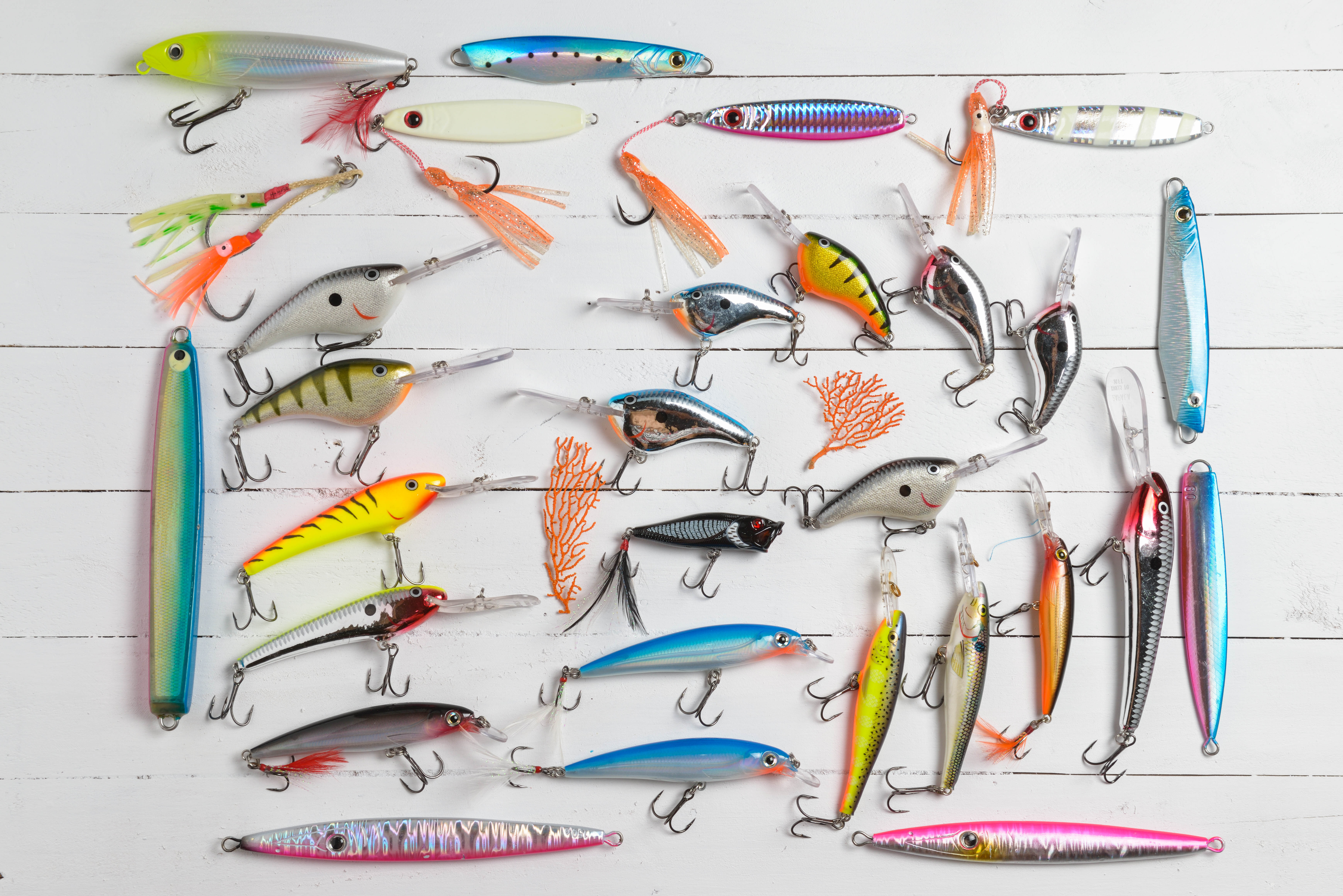
Shad imitations dominate. The specific bait depends on the size of the shad, the light conditions, and the water clarity.
Chatterbaits
The most versatile schooling bait. Chatterbaits produce during morning and evening windows across every water type where schooling activity occurs.
Z-Man ChatterBait Elite EVO HD in Shad Spawn or Sexy Shad. Fifteen inches to eighteen inches deep on a steady retrieve. Vary retrieve speed to find what the fish want. Rip pauses can trigger hits from following fish.
Strike King Thunder Cricket in Chartreuse Shad or White Shad. Similar performance to the Z-Man with slightly different vibration characteristics. Some anglers prefer one over the other. Both catch schooling fish.
Walking Baits
The strongest topwater option when the fish are truly on the surface.
Heddon Zara Spook in Bone or Chrome. Standard size for most schooling applications. Downsize to Zara Spook Jr for smaller shad or clear water conditions.
Berkley Choppo 105 or 120 in Bone Shad or Table Rock Shad. The propeller creates sustained surface noise that calls fish from a distance. Excellent option when the exact location of the school is unclear.
Whopper Plopper 110 in shad patterns for slight chop conditions where walking baits lose effectiveness. Different action than the Choppo, worth having both.
Lipless Crankbaits
The subsurface reaction option. Produces when bass are chasing shad below the surface without pushing them up.
Rat-L-Trap Original in Chrome Blue or Chrome Black. The classic shad-imitating rattlebait. Fast retrieve, occasional pauses, and rip pauses through suspended fish.
LiveTarget Threadfin Shad Rattlebait in Silver Blue Shad. Higher-detail bait for clear water conditions where fish inspect baits more carefully.
Small Swimbaits
For fish that are following larger baits but not committing.
Keitech Fat Swing Impact 3.3 in Green Pumpkin Shad or Hot Minnow. Rig on a swim jig or standard swimbait head. Steady retrieve at the depth where schooling fish are holding.
Big Bite Baits BB Kicker in Threadfin Shad or Baby Bass. Similar application to the Keitech with slightly different tail action.
Jigging Spoons for the Below-the-School Pattern
Covered in the next section as a dedicated topic. Bink's Spoon in Chrome or White and War Eagle Jiggin' Spoon in Silver or Gold are the standard choices.
Buzzbaits for Extended Windows
Not the strongest schooling bait but productive for extending the window on cloudy days or in areas with more cover.
Booyah Buzz in Snow White Shad or Chartreuse Shad. Standard buzzbait retrieve at the depth where surface activity has been happening.
Bill Lewis Buzz Bomb in similar shad patterns. Alternative option with slightly different blade characteristics.
The Below-the-School Pattern That Experienced Anglers Know
This is the tactical secret most schooling articles miss. It produces the largest fish in the school on a regular basis and almost nobody fishes for them.
When to Fish Below the School Versus Casting at Surface Activity
The surface schooling activity happens for a defined window. Fifteen minutes. Thirty minutes. Sometimes forty-five minutes on a good day. Then the surface activity dies down and the school appears to disperse.
The largest bass in the school often stay below the location where the surface activity happened. They pick up injured shad, dead shad, and stunned baitfish drifting toward the bottom. The bigger fish let the smaller bass do the surface hunting and then vacuum up the leftovers.
Most anglers watch the surface activity end and move to the next school. The anglers who catch the biggest fish of the day drop a jigging spoon straight down into the same location where the surface activity was.
How to Work a Jigging Spoon in the Vertical Column
Cast or drop the spoon over the location where the surface activity happened. Let it fall on a semi-slack line. Watch the fall. Bites often happen on the fall when the spoon flutters through the strike zone.
If the spoon reaches bottom without a strike, lift the rod tip sharply to lift the spoon three to four feet, then let it fall back down on a semi-slack line. The lift-fall cadence imitates injured shad drifting through the water column. Repeat the cadence until you get a strike or you have covered the depth range where fish should be holding.
Reading Electronics to Find the Bigger Fish Holding Below
Modern electronics show suspended fish clearly. After surface schooling activity ends, position over the location and look at your electronics. Bigger arches suspended at various depths through the water column are typically the bass that stayed behind. Small arches at specific depths are typically shad.
Target the bigger arches. Drop the jigging spoon to the depth where they are holding. Work the spoon at that depth range rather than fishing the entire column. This is where electronics pay for themselves in schooling fishing.
Regional Schooling Patterns Right Now
Regional breakdown for August 2026.
Southeast (Florida, Georgia, Alabama, Mississippi, Louisiana). Peak schooling season across most southern reservoirs. Lake Guntersville, Lake Seminole, Sam Rayburn, and Lake Fork all producing schooling activity during morning and evening windows. Water temperatures in the low 90s compress the windows but activity remains reliable. Night fishing is a legitimate alternative when daytime windows compress too tightly.
Southwest (Texas, Oklahoma, Arkansas). Peak schooling with strong offshore ledge component. Texas reservoirs including Lake Fork, Ray Roberts, Sam Rayburn, and Lake Amistad all producing. Fish are stacked on offshore ledges and pushing shad up during light transitions. Chatterbaits and lipless crankbaits dominating.
Mid-South (Tennessee, North Carolina, Virginia, Kentucky). Peak season on the Tennessee River reservoirs. Chickamauga, Kentucky Lake, Guntersville, and Watts Bar all producing consistent schooling activity. Grass edges and offshore structure both fishing well.
Mid-Atlantic and Ozarks (Missouri, Illinois, Indiana, Ohio, Pennsylvania). Peak season on Ozark impoundments. Table Rock, Bull Shoals, Lake of the Ozarks, and Beaver Lake all producing offshore schooling activity. Below-the-school pattern is particularly productive on these clear-water reservoirs.
Great Lakes and Upper Midwest. Secondary schooling window on smallmouth waters. Lake Erie, Lake Champlain, and larger Northern natural lakes produce smallmouth schooling activity over rocky offshore structure. Different pattern than largemouth schooling but produces some of the largest smallmouth of the year.
Angler-Type Breakdown
Bank Anglers
Schooling activity is difficult but not impossible from the bank. The most productive bank spots are points that extend into deep water where schooling activity develops within casting range. Rocky points, bridge causeways, and marina walls all produce occasional schooling activity within reach of bank anglers.
Bring a long-casting rod and a Chatterbait or walking bait. Watch for surface activity. If a school pushes shad up within casting range, you have thirty seconds to make a long cast and hope for a strike. Not a consistent pattern from the bank but produces occasionally.
Kayak Anglers
Kayaks are legitimately productive on schooling activity. The stealth approach lets you get closer to schools without spooking them than a bass boat can manage. The slower pace and quiet paddling matches the deliberate nature of schooling fishing.
Launch before dawn. Position on a known pre-schooling structure (main lake point, offshore hump, creek mouth). Wait for schooling activity to develop. Move only when necessary to reach a school within casting range. Kayak anglers who understand the pre-schooling structure pattern can outfish boats on the same activity.
Boat Anglers
Range is the boat angler advantage in schooling fishing. Cover multiple pre-schooling locations. Move between schools as they develop. Bring binoculars to spot surface activity at distance. Use electronics to identify pre-schooling structure and mark the productive locations for return trips.
The most productive boat approach is a rotation. Fish one known pre-schooling location for twenty minutes. If activity does not develop, run to the next known location. Cover four or five spots during the productive window. The angler who commits to a single spot often watches schooling develop elsewhere.
Frequently Asked Questions (FAQs)
What are schooling bass? Schooling bass are bass that hunt in groups by pushing schools of baitfish (typically shad in most impoundments) to the surface where they can be trapped and eaten more easily. The behavior peaks during late summer and early fall on reservoirs and larger lakes. Largemouth and spotted bass exhibit the strongest schooling behavior in bass fishing specifically.
When do bass school? Peak schooling activity happens during the first hour after sunrise and the last hour before sunset during late summer and early fall. Overcast days extend the productive window significantly. Bright sunny midday conditions typically shut schooling activity down as bass push back to offshore structure.
Where do schooling bass hold before they push shad up? Main lake points near deep water. Offshore humps and shell beds. Creek mouths and channel swings. Bass typically hold on structure adjacent to open water where shad schools are moving through, then push up to the surface when the shad concentrate.
What is the best bait for schooling bass? Shad-imitating baits in general. Chatterbaits like the Z-Man ChatterBait Elite in shad colors, walking baits like the Heddon Zara Spook, lipless crankbaits like the Rat-L-Trap, and small swimbaits like the Keitech Fat Swing Impact 3.3 all produce during schooling activity. The specific bait depends on the size of the shad the fish are feeding on and the water conditions.
How do I fish schooling bass without spooking them? Cast long. Do not motor into the school. Position the boat between the school and open water so retrieves pull baits away from the fish rather than back toward them. Keep casts on the outside of the school rather than through the middle. Move slowly and quietly when the boat needs to reposition.
What is the below-the-school pattern? After the surface schooling activity dies down, larger bass often stay below the school picking up injured or dead shad that drift toward the bottom. Dropping a jigging spoon into the depth where the surface activity happened can produce the largest fish of the entire school. Most anglers move on after the surface activity ends and miss the bigger fish holding below.
Do schooling bass bite in the middle of the day? Rarely on sunny days. Bright midday conditions typically push bass off surface schooling patterns and back to offshore holding structure. Overcast midday conditions can extend the productive window significantly. Pre-front conditions with falling barometric pressure can also produce midday schooling activity.
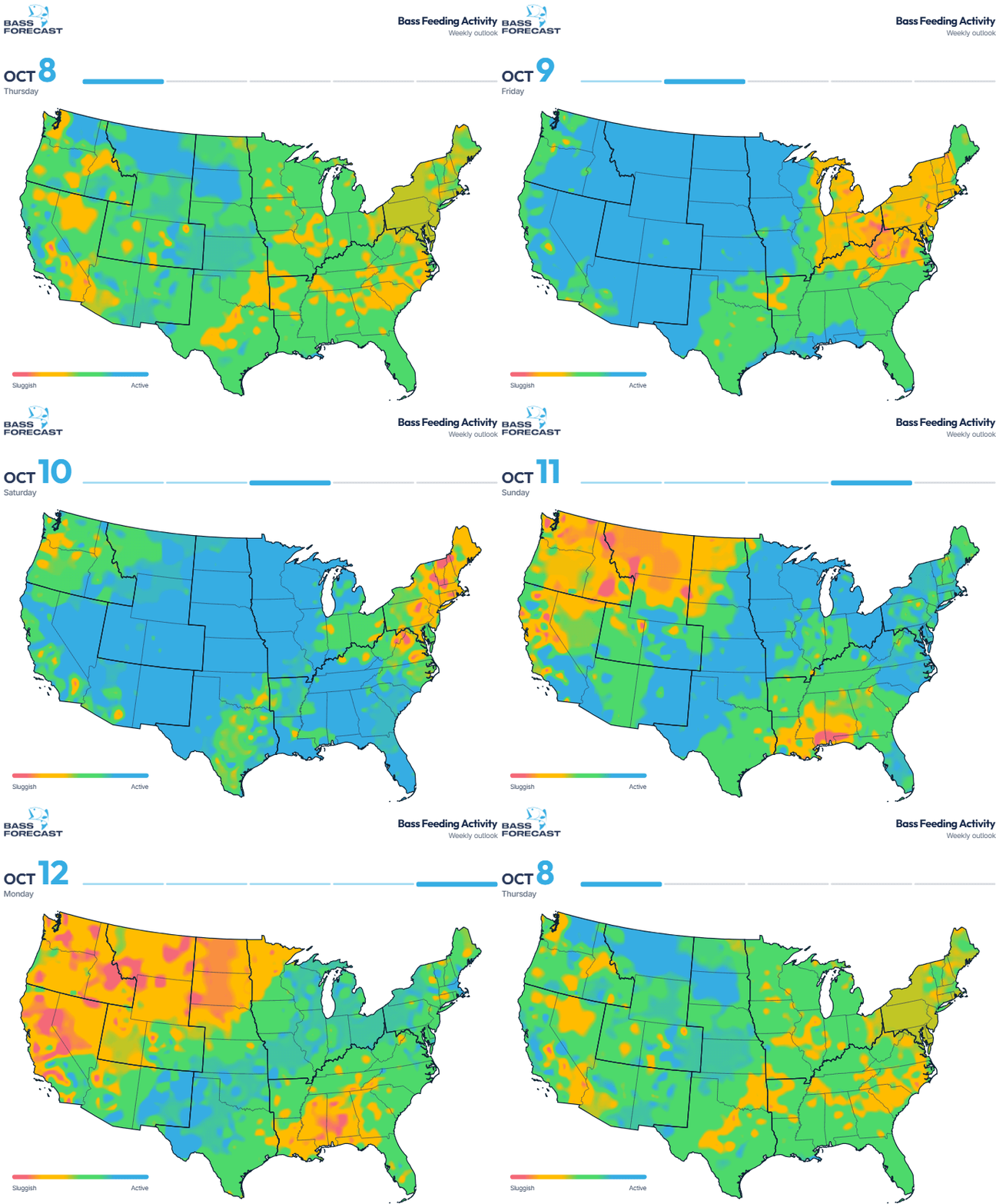
What conditions predict schooling activity? Stable weather trends. Water temperatures in the 75 to 85 degree range on most reservoirs. Wind that concentrates shad schools rather than scattering them. Cloud cover or low-light conditions. Bass Forecast tracks all of these variables for your specific location.
Do smallmouth bass school like largemouth? Yes, on the right waters. Great Lakes smallmouth, natural lake smallmouth, and Ozark reservoir smallmouth all exhibit schooling behavior during summer, typically over rocky offshore structure rather than open water. The pattern is less common than largemouth schooling but produces some of the largest smallmouth of the year when it hits.
Why do schooling bass sometimes refuse baits that look like the shad they are eating? Bass on schooling activity can be dramatically size-specific. If they are keyed on three-inch shad, a five-inch bait catches nothing even if the color pattern matches. Watch the shad the bass are pushing up and estimate the size. Match your bait to the exact size profile of the forage rather than the general species.
Use the Bass Forecast App or Web app
Schooling activity is driven by specific conditions. Water temperature stability. Barometric pressure trends. Cloud cover and light transitions. Wind direction. Bass Forecast tracks all of these for your exact location and gives you the tomorrow-morning forecast so you know whether to set the alarm for schooling activity or sleep in.
Bass Forecast also recommends baits from 22 categories including the topwater, Chatterbait, and lipless crankbait categories that produce during schooling windows.
Download Bass Forecast to plan smarter schooling trips this August.


-1739275914.jpg)
.jpg)
.jpg)
.jpg)
.png)
.png)