
Lipless Crankbait Bass Fishing: A Complete Guide to Catching Largemouth
Share this bass fishing article with every angler you know!
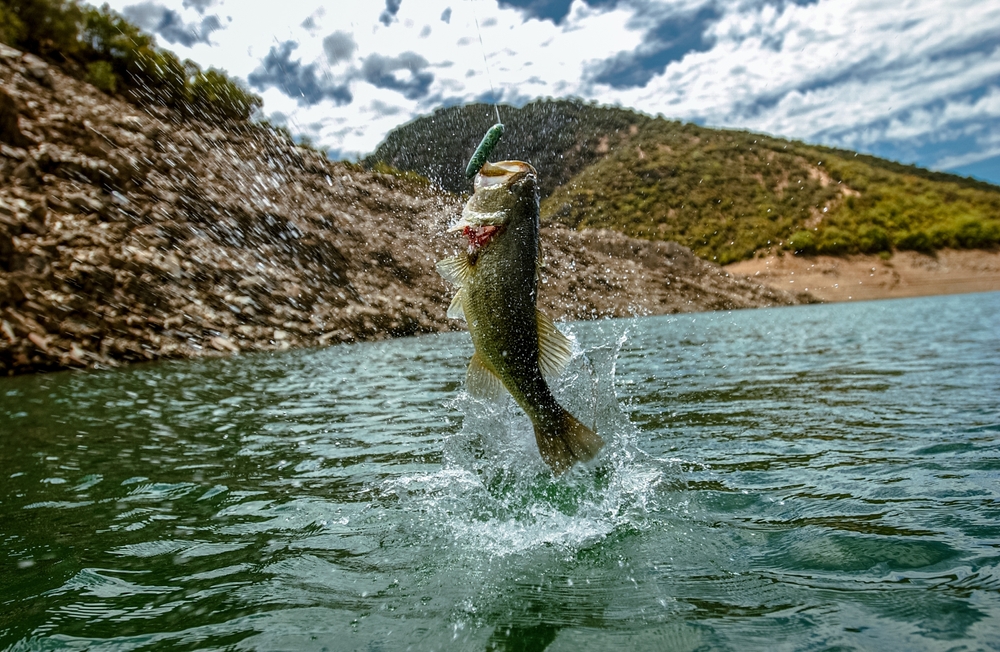
If largemouth bass had a dinner bell, a lipless rattling crankbait would probably be the sound it makes.
Few lures cover water faster, trigger reaction strikes harder, or catch bass year-round like a lipless crankbait. Whether you're fishing a grass flat in Florida, ripping weeds in the Midwest, or yo-yoing deep structure out West, this bait consistently produces.
Let’s break down how lipless crankbaits work, why bass attack them, and how anglers across the country use them to catch largemouth bass.
Be notified of new bass fishing articles, tips and tricks!
Get the Bass Fishing Playbook Every Week
What Is a Lipless Crankbait?
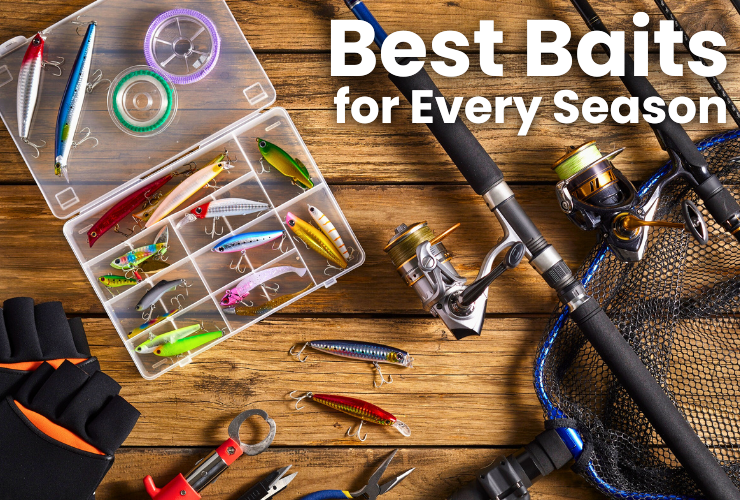
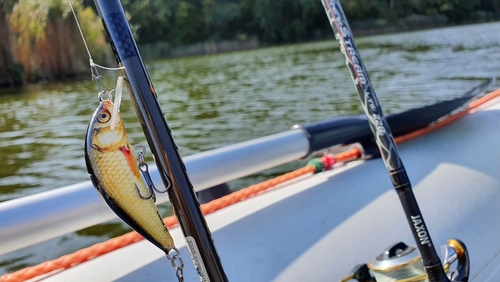
A lipless crankbait is a flat-sided, sinking hard bait that vibrates tightly as it moves through the water. Instead of a diving bill, the lure sinks and runs based on retrieve speed and rod position.
Popular examples include:
Bill Lewis Rat-L-Trap
Strike King Red Eye Shad
Yo-Zuri Rattl’n Vibe
Rapala Rippin' Rap
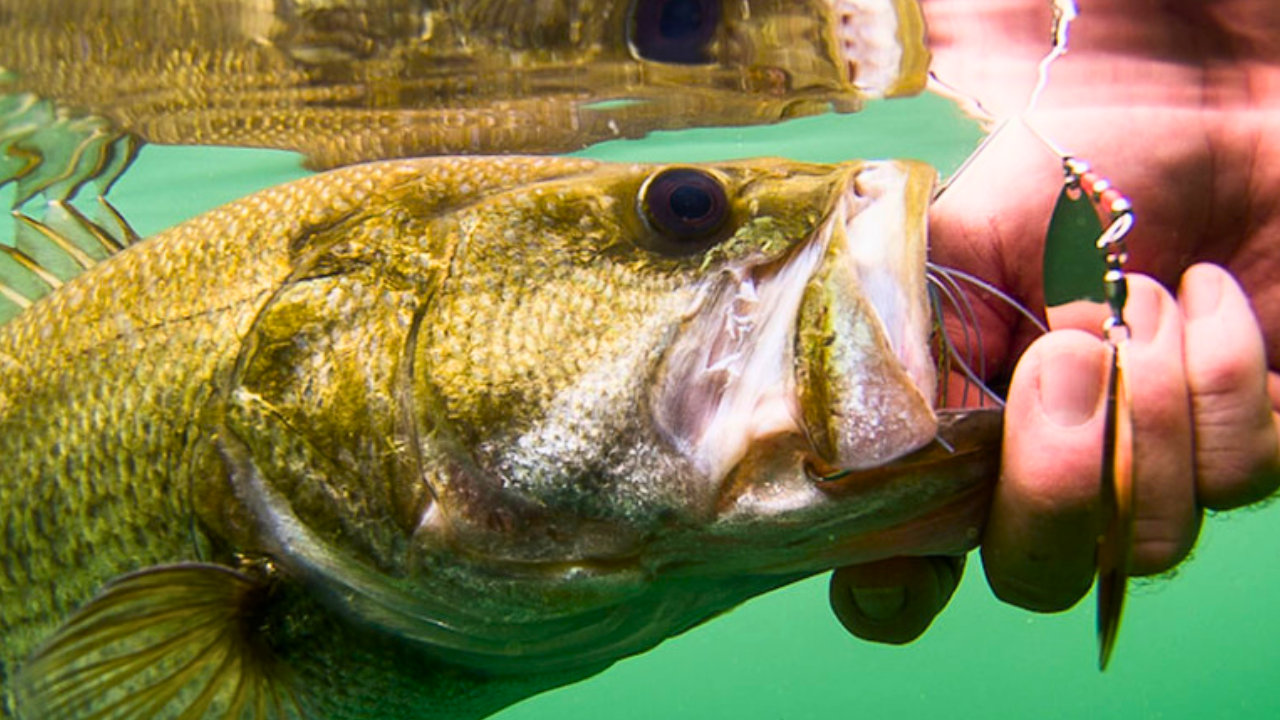
Most contain internal rattles that create vibration and sound, which bass detect through their lateral line, a sensory organ that detects pressure waves in the water.
Translation: even when bass can’t see your lure, they can feel it coming.
The Birth of a Legend
Named after a rattling Ford station wagon, Bill Lewis's Rat-L-Trap changed tournament fishing forever in the late 1960s. #1 Most Influential Lure.
Why Largemouth Bass Love Lipless Crankbaits (Fish Science)
Largemouth bass are opportunistic ambush predators. They respond strongly to three key triggers:
1. Vibration
Lipless crankbaits produce tight, high-frequency vibrations that imitate panicked baitfish like shad, bluegill, or perch.
Bass detect this vibration using their lateral line system, allowing them to track prey even in muddy water or low light.
2. Reaction Instinct
A fast-moving bait triggers what biologists call a predatory reaction strike. The fish hits first and evaluates later.
Basically, the bass brain says:
"That might be food. Eat it before someone else does."
3. Erratic Movement
When a lipless crankbait hits grass, rocks, or wood and suddenly pops free, it mimics injured prey.
To a bass, that’s the underwater equivalent of a free cheeseburger rolling down the street.
Best Lipless Crankbait Techniques
The Straight Burn
Cast and retrieve at a steady pace.
Best for:
covering water quickly
finding active bass
shallow flats
This is the search mode for bass fishing.
Rip Through Grass
One of the most famous lipless crankbait techniques.
Steps:
Cast over submerged grass
Let lure tick vegetation
Snap rod to rip it free
When the lure breaks loose, bass often obliterate it instantly.
This works because the sudden movement looks like escaping prey.
3. Yo-Yo Retrieve
Classic cold water technique.
Let bait fall to bottom
Lift rod tip
Let lure flutter back down
The falling bait imitates a dying shad, a common winter bass meal.
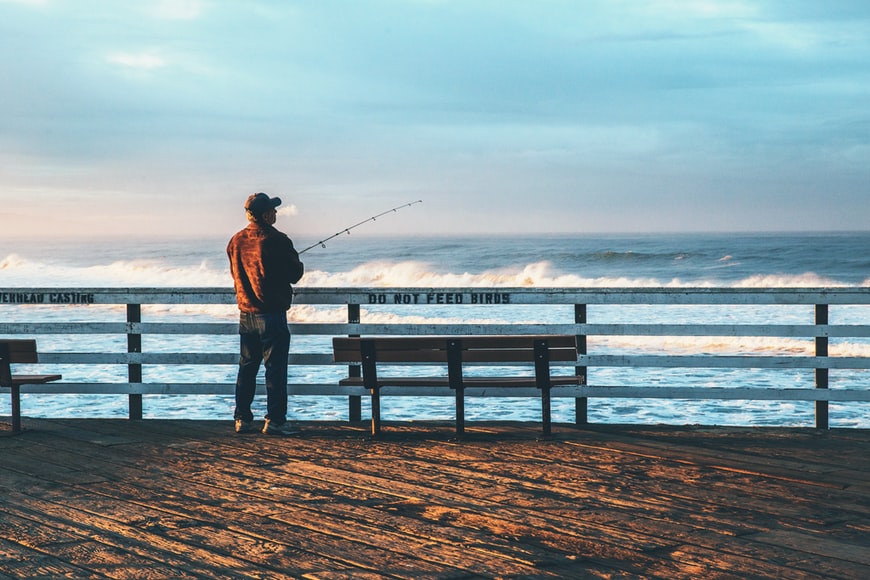
Lipless Crankbaits for Bank Anglers
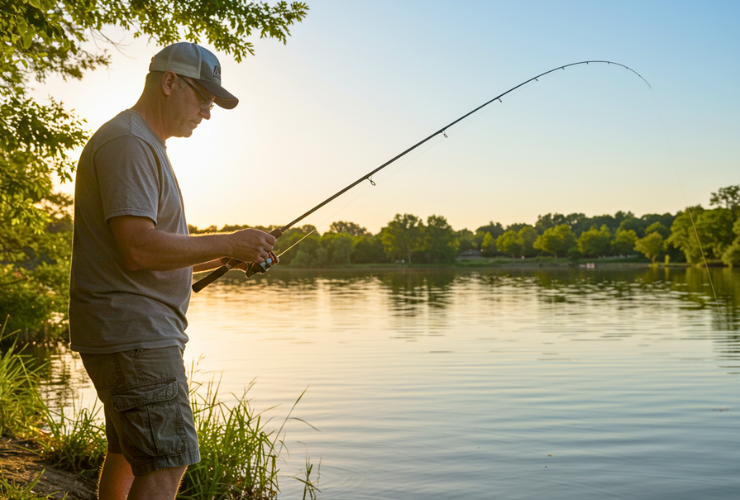
Bank anglers actually have a huge advantage with lipless crankbaits.
Why?
They can fan cast long distances and cover shoreline structure efficiently.
Bank Fishing Tips
Target points, coves, and grass edges
Fish parallel to the shoreline
Use 1/2 oz baits for longer casts
Look for wind blowing into shore
Wind pushes baitfish toward the bank, and bass follow the buffet.
Also, wear sunglasses. Not because you look cool (though you will), but because they help you spot grass lines and structure.
Lipless Crankbaits for Boat Anglers
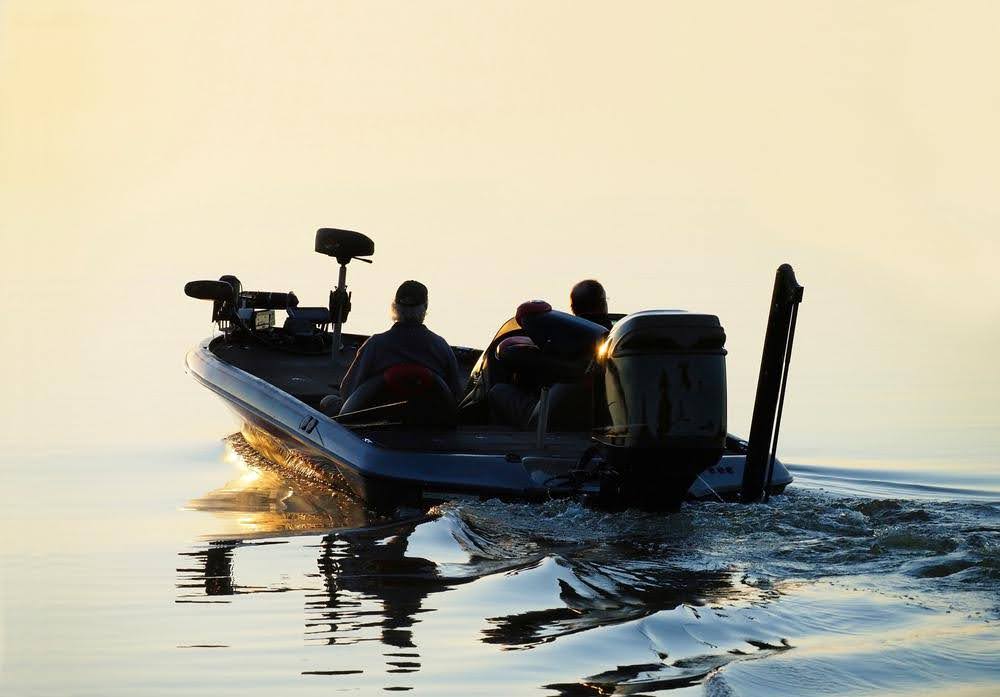
Boat anglers can exploit deeper water and offshore structure.
Key Boat Tactics
Focus on:
submerged grass flats
creek channels
staging areas near spawning coves
submerged points
Use electronics to locate bait balls and grass edges, then run a lipless crankbait through the area.
Pro tip:
Many tournament anglers burn the bait fast, then suddenly stop it to trigger strikes.
Bass often hit right when the lure changes speed.
Lipless Crankbaits for Kayak Anglers
Kayak anglers quietly access water that bigger boats avoid.
That stealth is deadly with lipless crankbaits.
Kayak Strategy
Fish areas like:
shallow flats
weed beds
river current seams
backwater ponds
Since kayaks sit low, you can make long, accurate casts without spooking fish.
Plus, when a big bass hits a lipless crankbait, the kayak sleigh ride begins.
Congratulations, you are now part angler, part watersports enthusiast.
Regional Lipless Crankbait Strategies
Pacific Northwest
Bass often relate to rock structure and cold water forage.
Best tactics:
yo-yo retrieves
chrome or shad colors
deeper water structure
Cold water bass move slower, so slower presentations win.
Southwest
Reservoir bass suspend near points and submerged ledges.
Effective approaches:
long casts across points
burning baitfish colors
targeting windy conditions
Wind creates current that positions bass for feeding.
Southeast
This is lipless crankbait heaven, especially in grass lakes.
Legendary technique:
ripping red lipless crankbaits through spring grass.
During the pre-spawn, bass feed aggressively on crawfish and shad.
Red and craw patterns dominate.
Rocky Mountains
High-elevation reservoirs often have clear water and roaming bass.
Use:
natural baitfish colors
longer casts
deeper retrieves
Focus on structure transitions and drop-offs.
Great Plains
Wind is constant, and that’s a good thing.
Wind pushes plankton → baitfish → bass.
Use lipless crankbaits to cover huge flats quickly.
These lakes are perfect for search baits.
Midwest
Grass lakes dominate here.
Classic pattern:
Rip a lipless crankbait through milfoil or coontail.
Spring and fall are especially productive.
Many Midwestern anglers swear by the gold or chrome Rat-L-Trap style colors.
Northeast
Natural lakes often contain perch, shiners, and bluegill.
Use:
perch patterns
slower retrieves
structure like docks and grass edges
Fall is particularly deadly as bass chase schooling baitfish.
Best Lipless Crankbait Gear
Rod
Medium or medium-heavy
7'–7'4"
Reel
6.3:1 to 7.3:1 baitcaster
Line
Fluorocarbon (10–15 lb)
Braid for heavy grass
A slightly softer rod helps prevent bass from throwing treble hooks.
Final Thoughts & FAQ
The lipless crankbait is one of the most versatile bass lures ever created.
It works:
shallow or deep
cold or warm water
grass, rock, or open water
from bank, boat, or kayak
And perhaps most importantly…
When bass smash a lipless crankbait at full speed, it’s one of the most violent, heart-stopping strikes in fishing.
So tie one on.
Make a long cast.
And hold on tight, because somewhere out there, a largemouth bass is about to make a very bad decision.
Frequently Asked Questions
What is the best time to fish a lipless crankbait for bass?
Lipless crankbaits work year-round, but they are especially effective during spring pre-spawn and fall feeding periods when bass aggressively chase baitfish.
What size lipless crankbait is best for largemouth bass?
The most versatile size is 1/2 oz, which casts far, sinks quickly, and works in most water depths.
What colors work best for lipless crankbaits?
Top colors include:
chrome or silver (shad imitation)
red or craw patterns
gold
natural baitfish patterns
Color choice often depends on water clarity and forage species.
Are lipless crankbaits good for fishing grass?
Yes. Lipless crankbaits are one of the best lures for fishing submerged vegetation, especially when ripping them free from grass to trigger reaction strikes.
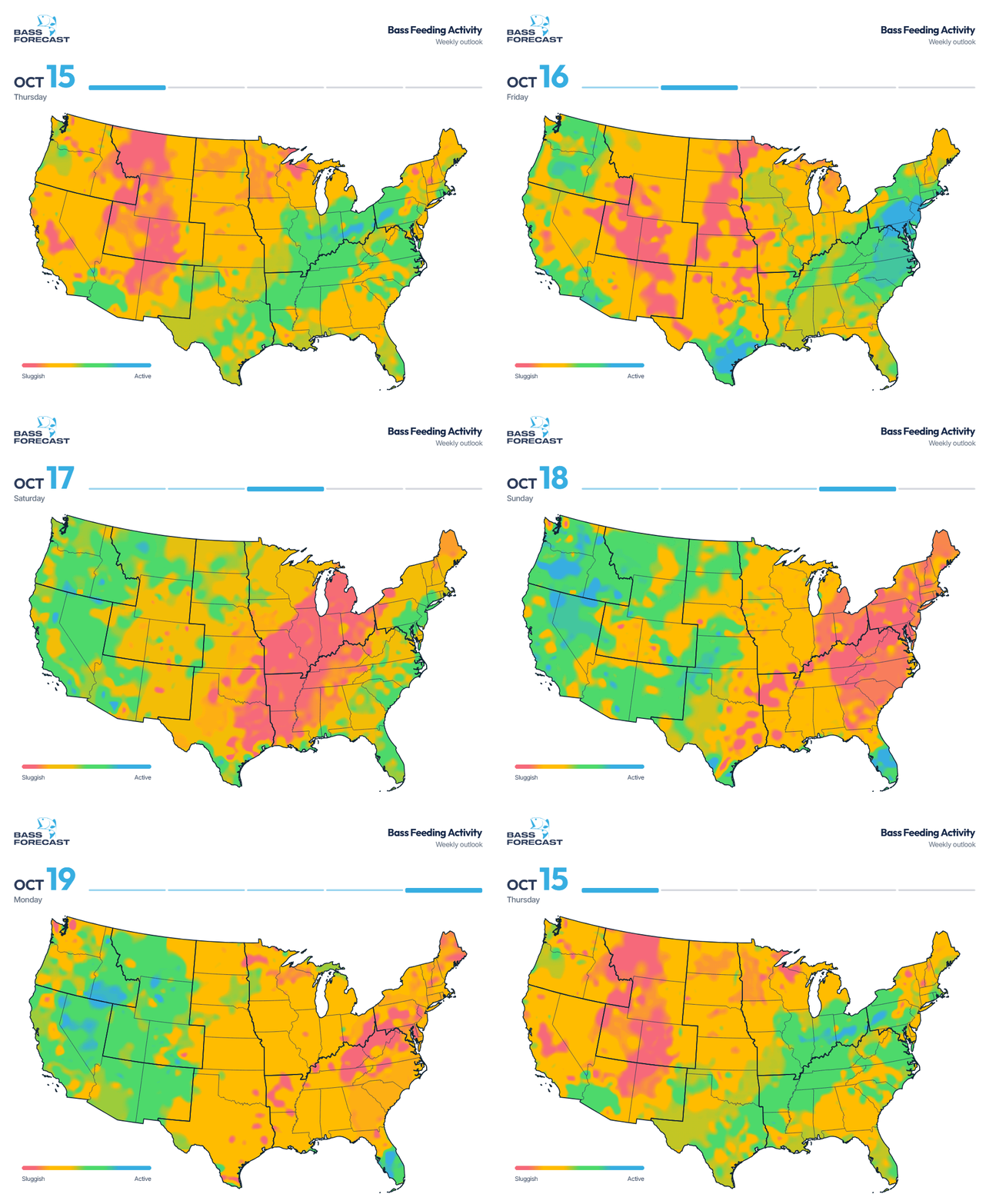
Fish Smarter with the Bass Forecast App
Knowing which bait to throw is important.
Knowing when bass are feeding is even more important.
That’s where the Bass Forecast app helps anglers catch more fish.
The app analyzes:
weather conditions
seasonal bass behavior
feeding activity levels
local fishing patterns
Then it recommends:
the best days to go fishing
the best times bass are feeding
which baits are likely to work
So instead of guessing, anglers can plan trips around peak bass activity and tie on the right lure before they even hit the water
Even the best lipless crankbait in the world works better when the fish actually want to eat.
.png)
.png)
.png)