
The Early Summer Bass Fishing Transition: Where Bass Moved and How to Catch Them
Share this article with every angler you know!
The Early Summer Bass Fishing Transition: Where Bass Moved After the Spawn and How to Catch Them Now
The lake feels different than it did three weeks ago.
The shallow flats that produced spawning bass are quiet. The dock posts that held post-spawn recovery fish are quiet. The shoreline you walked every weekend in May is producing nothing in early June. Same lake, same baits, same time of day. The fish moved again.
They are not where they will be in August either.
This is the early summer transition, the middle ground that frustrates anglers who only know two seasons. The fish are no longer in post-spawn recovery and they are not yet locked into deep summer patterns. They are somewhere in between, on specific structure that bridges the spawning areas they left and the offshore haunts they have not yet committed to. The angler who can read which side of the transition their fish are on catches significantly more than the angler who fishes early June like it is full summer.
Here is what is actually happening, where to find the fish right now, and what to throw when you do.
Sign up to be notified of new bass fishing articles!
Bass Forecast Newsletters
Why Early Summer Is a Transition, Not a Season
Water temperatures across most of the country are climbing into the seventies and pushing toward eighty in southern regions. That climb is doing several things at once that change where bass position and how they behave.
Thermal Stratification Is Beginning, but Not Complete
On larger reservoirs and deeper lakes, warm surface water sits on top of cooler deeper water as summer progresses. Eventually a defined thermocline develops, separating the warmer oxygenated upper layer from the cooler oxygen-depleted lower layer, and bass position relative to that boundary for the rest of the summer.
In early June, the process is starting. Stratification is developing but not yet locked in. Bass have not committed to a single depth range yet. They are testing, shifting between shallow morning feeding and deeper midday holding, following bait and conditions rather than holding to a fixed pattern.
This is what makes early summer different from full summer. By August, the fish are on the structure they will hold for two months. In June, they are still figuring it out, which means they are also more catchable on a wider range of presentations.
Bait Position Dictates Bass Position
Baitfish drive everything in the early summer transition. Shad schools that scattered through the spawn period are reforming and beginning to move toward summer holding areas. Bluegill are wrapping up their own spawn in many regions and becoming more available as forage. Crawfish remain active in rocky areas where water temperatures are favorable.
Bass follow bait. In early June, if you find concentrated baitfish on a main lake point or offshore brush pile, you will find bass nearby. Empty water with no baitfish activity is not holding fish regardless of how good the structure looks on a map.
Why the Transition Timeline Varies Across the Country
A bass in a Florida reservoir on June 8 is in a completely different situation than a bass in a Minnesota natural lake on the same date. Florida fish have been past spawn for over a month and are settled into summer patterns. Minnesota fish just finished spawn two weeks ago and are still in recovery.
The transition is a four to five week process from late post-spawn recovery to full summer pattern. Which week your fish are in depends entirely on your region and the specific body of water you are fishing.
The Three Phases of the Early Summer Transition
Each phase of the transition requires different water and different presentations. Identifying which phase your fish are in is the entire game.
Phase 1: Late Post-Spawn Recovery Into Early Feeding Window
Fish in phase 1 finished spawning relatively recently and are still completing recovery. They are not yet on main lake summer structure. They are holding on secondary cover, the first depth break off spawning flats, and protected structure where they can recover with minimal energy expenditure.
The recovery is winding down for these fish, and the early feeding window is starting to open. This is the transition from full finesse fishing to a mix of finesse and select reaction baits. You will catch fish on a drop shot near dock posts and also on a slow-rolled spinnerbait along the same dock line, and both approaches are right.
Northern and high-elevation regions are largely in phase 1 right now. Anglers in Michigan, Wisconsin, Minnesota, the Northeast, and the higher elevation Western lakes are fishing this phase.
Phase 2: Summer Transition
Phase 2 fish have completed recovery and are repositioning to summer holding water. They are not yet on the deep offshore structure that will hold them in July and August, but they have moved off the post-spawn secondary cover that was producing two weeks ago. They are on main lake points, channel swings near creek arm exits, isolated offshore brush in ten to fifteen feet of water, and the first true summer staging areas.
This is the phase that defines early June for most of the country. Mid-South, Mid-Atlantic, Ozark, and West Coast anglers are fishing phase 2 fish right now. The presentations that work in phase 2 are mid-depth crankbaits, Carolina rigs across transition zones, and offshore brush fishing with bottom contact baits.
Topwater windows are also opening hard in phase 2 regions. The early summer surface bite is starting and the next four to six weeks will produce some of the year's best topwater fishing on these waters.
Phase 3: Early Summer Pattern Beginning
Phase 3 fish have fully transitioned to summer holding water. They are on offshore ledges, deep brush piles, isolated structure in fifteen to twenty-five feet of water, and main lake humps and points adjacent to deeper water. They are feeding aggressively during specific windows and holding deep during the heat of the day.
Southeastern and Southwestern anglers are in phase 3 right now. Florida, Georgia, Alabama, and Texas reservoirs are fishing summer patterns with offshore structure and low-light topwater windows that define summer bass fishing.
How to Actually Catch Transition Fish
Each phase has its own playbook. Match your approach to where your fish are right now.
Phase 1 Baits
The Roboworm Straight Tail Worm on a drop shot is the most consistent producer for fish still finishing recovery. Fish it vertically near secondary cover, dock posts, brush piles, and the first depth break off spawning flats. Phase 1 fish do not chase. Keep the bait in front of them and give them time.
The Strike King Tour Grade Finesse Jig pitched to specific cover produces fish holding tight to dock posts, isolated brush, and laydowns. Light hops with long pauses, work each target thoroughly before moving on.
The Strike King KVD 1.5 squarebill is the moving bait that starts producing as the feeding window opens. Slow-roll it through shallow cover and along secondary points where fish are starting to chase again.
Phase 2 Baits
The Rapala DT-10 is the mid-depth workhorse for phase 2 fish on main lake points and channel swings. Crank it through eight to twelve feet of water, deflect it off cover, and let the rebound trigger reaction bites from transitioning fish.
The Strike King 6XD or 10XD covers the deeper end of phase 2 structure for fish that have moved further along the transition. Work isolated brush, deeper points, and channel breaks where fish are setting up for full summer.
A Carolina rig with a Zoom Brush Hog drags through transition zones at exactly the right pace. Heavy weight to maintain bottom contact, long leader for natural presentation. The Carolina rig is one of the most underrated early summer baits because it covers water without rushing fish.
For natural lake anglers fishing grass edges, the Strike King KVD Finesse Swim Jig along the inside and outside weed lines produces fish that have repositioned from spawn cover to summer grass patterns.
Phase 3 Baits
The Dirty Jigs Casting Jig with a football head is the standard for offshore rock, shell, and ledge structure in twelve to twenty feet of water. Drag it slowly and pay attention to bottom transitions. Phase 3 fish stack on structure changes more than on flat bottom.
The Strike King 10XD and 6XD continue to produce on deeper structure as the season progresses. Bang the bait off brush and ledges and let the deflection do the work.
A heavy Texas-rigged worm or creature bait pitched into offshore brush piles produces fish that have committed to summer holding water. Use a half-ounce or three-quarter-ounce weight to punch through cover and reach fish holding tight in submerged wood.
Topwater Opens in June
Early summer is the start of the year's biggest topwater season, and the fishing that defines summer for many anglers begins right now in phase 2 and phase 3 regions.
Why Bass Commit to Topwater in June
Bass are active feeders in early summer. The post-spawn recovery is complete, water temperatures are favorable for shallow activity during low light windows, and the abundance of surface-oriented prey including frogs, bluegill chasing surface insects, and shad schooling near the surface gives bass repeated opportunities to feed up.
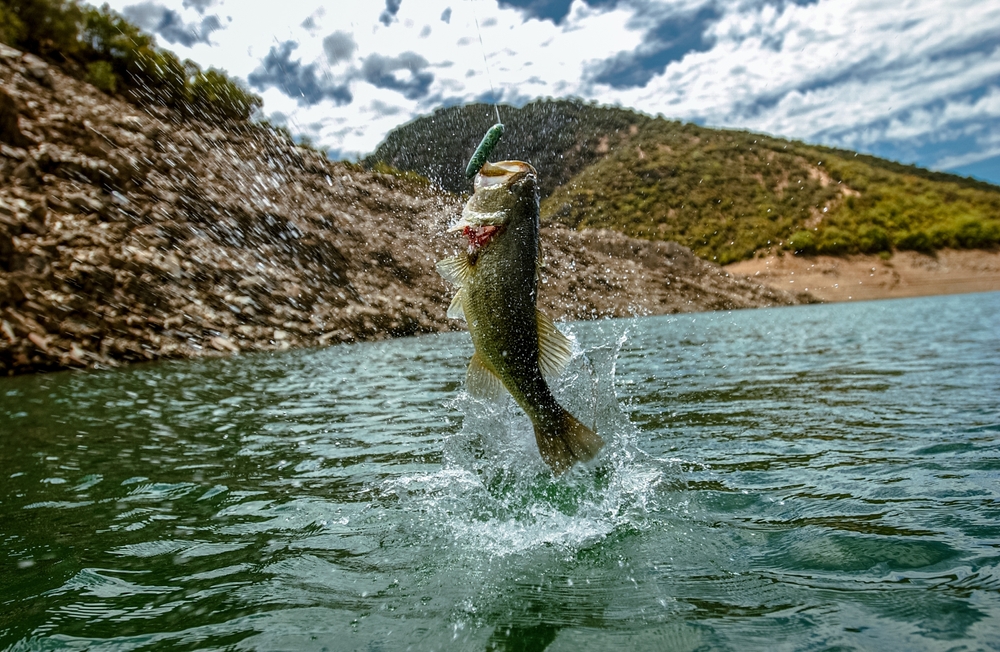
The ambush advantage on a calm dawn surface or a shaded evening grass edge is significant for bass, and they take it. A topwater presentation that imitates struggling prey on a low-light surface produces some of the most aggressive bites of the entire year.
Dawn and Dusk Topwater
The Heddon Zara Spook walked across calm surface during the hour around sunrise and sunset is the early summer standard. Work it on main lake points, shallow flats with depth access, the ends of creek arms, and grass edges. Vary the cadence. Some days bass want a slow walk with long pauses, other days a fast aggressive cadence triggers more bites.
The Booyah Buzz buzzbait worked along grass lines, dock shadows, and shoreline cover at first and last light produces sustained surface noise that bass track and commit to. Buzzbait fishing rewards persistence. Make the same cast multiple times if you know fish are in the area.
Frogs on Mats and Pads
Early summer is when serious frog anglers start their season. The Booyah Pad Crasher is purpose-built for mats, lily pads, and matted vegetation that develops as water warms. Work it slowly across cover, pause it in open pockets, and be ready for the violent strikes that frog fishing produces.
Frog fishing requires heavy tackle and the right hookset. Wait for the fish to fully take the bait before setting hard. The most common frog fishing mistake is setting on the splash rather than after the fish has the bait.
When Topwater Shuts Down
Once the sun gets high and the surface goes calm and bright, topwater production drops sharply. This is the time to transition to the offshore patterns covered in phase 2 and phase 3. The same lake that produced topwater explosions at six in the morning will produce deep cranking and football jig fish from ten to four. Same fish in many cases, different windows.
Topwater opens again at sundown. Plan your day around the windows.
Where to Find Transition Fish Right Now
Location matters more than bait selection in the transition. The fish are on specific structure that connects spawning areas to summer holding water.
Main Lake Points Adjacent to Spawning Coves
The first summer staging area for most reservoir fish is the main lake point at the mouth of the creek arm or cove where they spawned. Bass move from the spawning flat to secondary cover during post-spawn recovery, then push out to the main lake point as they transition toward summer. These points hold fish in early June for two to four weeks before fish move further offshore.
Target the deeper side of the point in eight to fifteen feet of water. Look for any structural feature: brush, rock transitions, isolated stumps, depth changes. Phase 2 fish on main lake points respond well to crankbaits, Carolina rigs, and swim jigs.
Channel Swings Near Creek Arm Exits
Where a creek channel bends close to the bank near the exit of a creek arm, fish hold during the transition between recovery and summer pattern. These channel swings function as travel corridors for bass moving between spawning water and main lake summer structure.
A football jig or deep crankbait worked along the channel swing produces fish that are holding on the structure or moving through it. Pay attention to where the channel intersects with secondary points, brush piles, or rock transitions. The intersections concentrate fish.
Offshore Brush and Submerged Timber
Offshore brush piles in ten to eighteen feet of water are the early summer transition setup. Fish moving from post-spawn recovery toward summer pattern often hold on offshore brush for weeks before pushing deeper.
Use electronics to locate productive brush piles before committing to them. Some hold fish in early June, others do not, and the difference is often a function of how much bait is in the area. A heavy Texas-rigged creature bait pitched into the brush, a deep crankbait deflecting off the outside edge, or a drop shot at the base of the structure all produce.
Grass Lines on Natural Lakes
Natural lakes do not have the creek channel structure that reservoirs offer, but they have grass lines that function the same way during the transition. The outside edge of submergent and emergent vegetation in eight to fourteen feet of water concentrates transition fish on northern natural lakes.
A swim jig along the grass line, a Texas-rigged worm worked into the edges, or a topwater frog over the inside edge during low light all produce. Natural lake bass in early summer are heavily relating to grass.
Regional Breakdown: Where Things Stand Right Now
Here is the national snapshot as of June 8. Find your region, identify your phase, and match your approach.
Southeast (Florida, Georgia, Alabama, Mississippi, South Carolina, Louisiana) Full summer patterns are established. Thermal stratification developed on most reservoirs. Fish are on offshore brush, ledges, and deep structure in fifteen to twenty-five feet of water. Low-light topwater windows produce on shallow flats and grass edges at dawn and dusk. Florida anglers should be targeting offshore hydrilla edges and deep structure during the day, hollow-body frogs over mats in low light.
Southwest (Texas, Oklahoma, Arkansas, Louisiana) Early to full summer transition. Texas and Oklahoma reservoirs are entering ledge fishing season with offshore brush at twelve to twenty feet beginning to produce consistently. Topwater windows at dawn and dusk on main lake points and channel swings are open. Lake Fork, Texoma, and similar large impoundments are setting up for the deep summer pattern that will hold through August.
Mid-South (Tennessee, North Carolina, Virginia, Kentucky, West Virginia) Peak summer transition zone. Fish are moving off post-spawn cover and onto main lake points, channel swings, and offshore brush in ten to fifteen feet. Mid-depth crankbaits, Carolina rigs, and slow-rolled spinnerbaits on transition zones are the call. Topwater is opening in earnest this week and will run strong for the next four to six weeks.
Mid-Atlantic and Ozarks (Missouri, Illinois, Indiana, Ohio, Maryland, Pennsylvania) Transitioning from post-spawn recovery to summer patterns. Fish on main lake points and channel swings adjacent to spawning coves. Mid-depth cranking and Carolina rigs on transition zones produce. Topwater windows at low light are growing. Lake of the Ozarks, Bull Shoals, and similar reservoirs are at the heart of the phase 2 window right now.
Great Lakes and Upper Midwest (Michigan, Wisconsin, Minnesota, Iowa, New York) Late post-spawn with the feeding window opening on many lakes. Fish on weed edges, secondary points, and outside grass lines in eight to fourteen feet of water. This is one of the best fishing windows of the entire year for this region. Smallmouth fishing on rocky structure is also producing strongly in this window. A swim jig or slow-rolled spinnerbait along grass edges produces both species.
Northeast and New England (New York, Pennsylvania, New Jersey, Connecticut, Massachusetts, Vermont) Post-spawn recovery moving into early transition. Fish on first depth break off spawning flats and secondary cover. Finesse presentations still producing but moving baits starting to work consistently. Topwater windows on stable evenings are opening. The post-spawn feeding window is breaking on many waters in this region right now.
West and Pacific Northwest (California, Oregon, Washington, Nevada, Arizona) Low-elevation California reservoirs in summer transition with offshore patterns opening. Higher-elevation Pacific Northwest lakes in late post-spawn. Clear water in Western reservoirs means transition fish run significantly deeper than equivalent Southern reservoirs. Check fifteen to twenty feet on offshore structure rather than the ten to fifteen foot range that produces in stained Mid-South water.
Rocky Mountains (Colorado, Utah, Wyoming, Montana, Idaho) Lower elevations are wrapping spawn and entering early post-spawn. High elevation lakes are still in late pre-spawn or early spawn. The transition framework is forward-looking for most of this region. Spawn and post-spawn tactics still apply for the next two to three weeks before the early summer transition opens here.
Angler-Type Breakdown
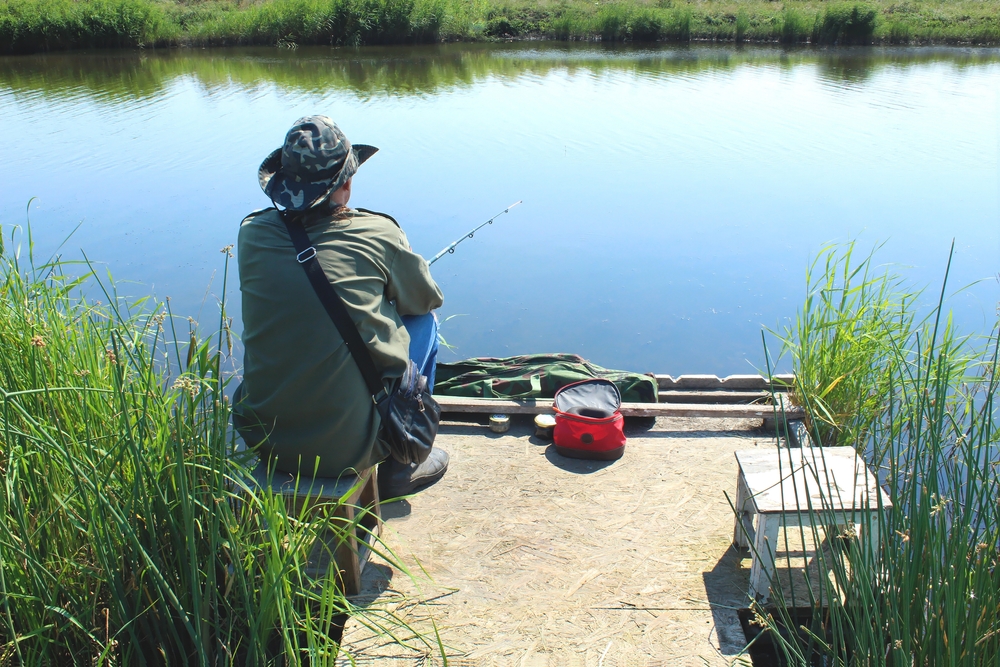
Bank Anglers
The summer transition reopens shoreline opportunities that were limited during the post-spawn grind. Dawn and dusk topwater along main lake banks with depth access produces some of the year's best surface action without needing a boat.
Bridge pilings, riprap, dock shadows, and shallow grass edges all hold transition fish at low light. A buzzbait worked along grass at first light or a walking bait on a familiar bank at sunset can outproduce a boat angler who only fishes midday from the same water.
Midday, shift to deeper accessible structure. Bridge pilings extending into deep water, the deepest available riprap, and dock posts in coves with channel access all hold transition fish through the heat of the day. A drop shot or finesse jig worked vertically at these locations is the consistent producer when topwater shuts down.
Kayak Anglers
Kayaks shine during the summer transition because access to shallow protected coves and backwater areas matters as much in early June as it did during spawn. Topwater windows in protected bays with grass and pad cover produce explosive bites for anglers who can reach water boats avoid.
A frog over mats from a kayak at dawn is one of the most underrated patterns of the early summer. Lily pads, matted vegetation, and the backs of protected coves all hold fish at low light that are not reachable from a boat without significant disturbance.
Midday, shift to shaded structure: overhanging trees, dock shadows on coves with depth access, and submerged wood in slightly stained water. A wacky-rigged worm or finesse jig worked into the deepest shade produces fish through the heat of the day.
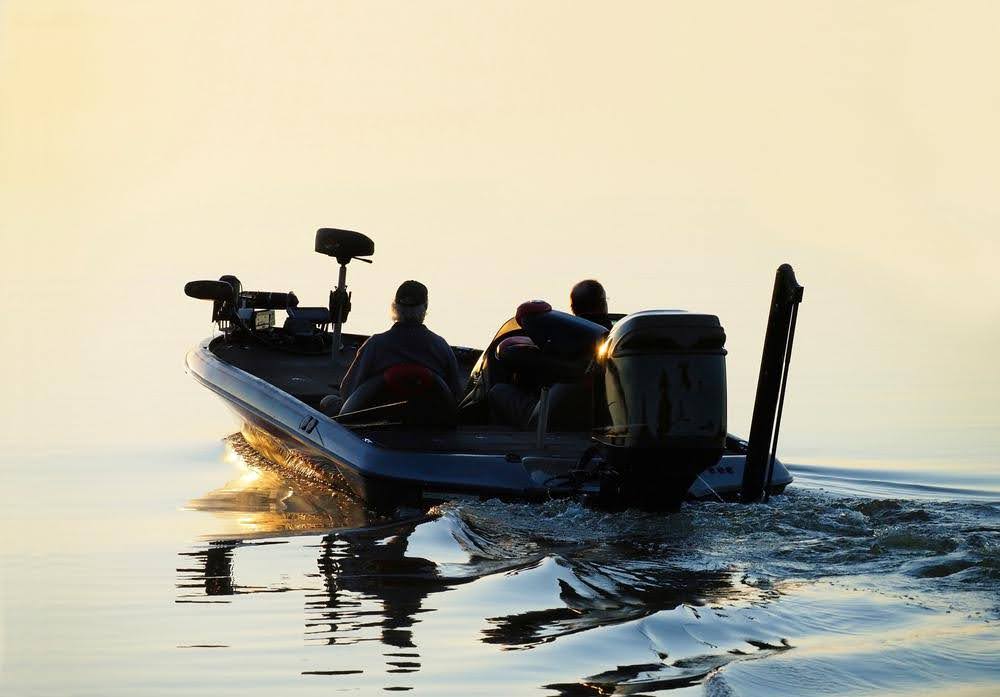
Boat Anglers
The boat advantage in the summer transition is range and electronics. Fish are repositioning to new offshore structure that did not hold them during spawn or post-spawn. The first angler on a productive offshore brush pile in early June often has multiple weeks of consistent fishing before pressure catches up.
Use the graph to find brush piles, ledges, and channel swings holding new groups of fish. Mark the productive locations and run between them rather than fishing averaged structure. A single brush pile holding fifteen fish in ten feet of water is worth four hours. A series of mediocre points holding three fish each is worth nothing.
At dawn and dusk, transition to main lake points and grass edges for topwater. Use the boat range to work multiple high-percentage shallow locations during the short low-light windows.
Frequently Asked Questions (FAQ's)
Where do bass go in early summer? Bass move from post-spawn recovery areas to main lake points, channel swings, offshore brush, and the first true summer structure adjacent to spawning coves. The exact location depends on which phase of the transition your region is in. In phase 1 areas, fish are still on secondary cover near the spawning flats. In phase 2 areas, fish have moved to main lake points and offshore brush in ten to fifteen feet of water. In phase 3 areas, fish have committed to offshore ledges and deep structure in fifteen to twenty-five feet.
When does topwater bass fishing start? Topwater begins producing consistently in early summer as water temperatures climb into the upper sixties and bass move into active feeding mode. The most reliable topwater windows are the hour around sunrise and the hour around sunset. The season runs from early June through September in most regions, with peak intensity in June and July before midsummer heat compresses the productive windows.
What is the best bait for early summer bass? Phase-dependent. Phase 1 late post-spawn fish respond to finesse presentations like a Roboworm drop shot or a Strike King Tour Grade Finesse Jig pitched to specific cover. Phase 2 transition fish respond to mid-depth crankbaits like the Rapala DT-10, Carolina rigs with a Zoom Brush Hog, and swim jigs along grass edges. Phase 3 early summer fish respond to football jigs, deeper crankbaits like the Strike King 10XD, and Texas-rigged baits pitched into offshore brush. Topwater is layered on top of all three phases during low light windows.
Why are bass biting topwater in June? Bass in early summer have completed post-spawn recovery and are feeding actively. The combination of favorable water temperatures, abundant surface-oriented prey including frogs and surface-chasing bluegill, and the ambush advantage that low-light surface conditions provide all support aggressive topwater feeding during dawn and dusk windows. The pattern continues to strengthen through midsummer before peaking and gradually fading in late summer.
How deep are bass in early June? Region-dependent. Southern reservoirs are already in the fifteen to twenty-five foot range typical of full summer. Mid-South and Mid-Atlantic transition fish hold in ten to fifteen feet. Northern lake post-spawn fish are in eight to fourteen feet. Clear-water Western reservoirs hold transition fish deeper than equivalent stained reservoirs at the same latitude.
Are bass still biting after the spawn? Yes, and the early summer transition often produces some of the most consistent fishing of the year for anglers who adjust their approach. The post-spawn recovery slowdown is over for most of the country and bass are actively feeding again, but the deep summer patterns that hold from July through August have not yet fully developed. The middle window between post-spawn and full summer is one of the most productive stretches of the fishing year.
Should I fish deep or shallow in early summer? Both, at different times of day. Deep structure produces during midday when surface conditions are bright and calm. Shallow topwater produces at dawn and dusk when low light gives bass the ambush advantage they exploit through summer. The angler who fishes both windows on the same day during the transition catches more than the angler who commits to a single depth range.
Use the Bass Forecast App to Follow Your Seasonal Bass Pattern
Summer transition fishing rewards anglers who know exactly which phase their fish are in and which conditions trigger the windows. Bass Forecast tracks water temperature, conditions, and seasonal phase data by region so you know whether to plan an early topwater morning or commit to offshore brush before you ever leave the house.
Download Bass Forecast and stop guessing which window is open.



-1739275914.jpg)
.jpg)
.jpg)
.png)
.png)