Bass Fishing Thanksgiving Week: The Last Window Before Winter
Please share this article with every angler you know!
Bass Fishing Thanksgiving Week: The Last Window Before Winter
The 10 days around Thanksgiving are the last productive bass fishing window before winter patterns take over on most waters. Water temperatures sit in the 48 to 62 degree zone across most of the country, which keeps the pre-winter feeding push going on the right days and shuts it down on the wrong ones. This article covers how to fish the window, whether to go on Thanksgiving Day itself, and how to pick the days that produce before the window closes.
Sign up to know the Bass Fishing Playbook every week
Know the Bass Fishing Playbook Every Week
Why the Thanksgiving Window Matters
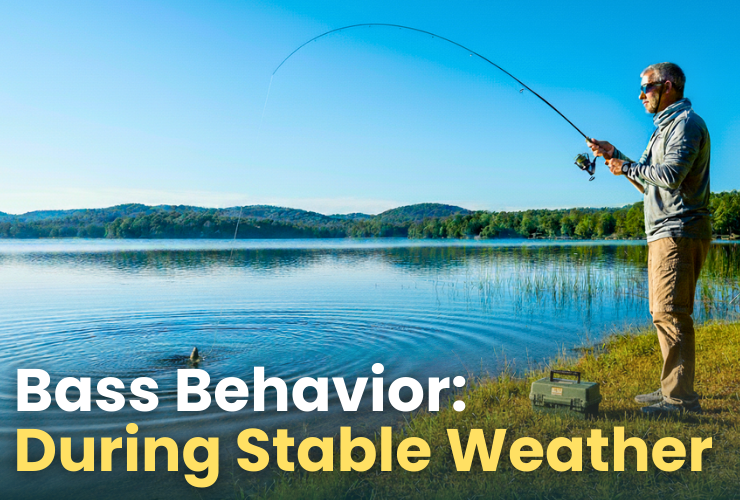
Bass behavior changes around late November for two separate reasons that stack. First, water temperature on most reservoirs is crossing out of the 55 to 64 degree aggressive feeding zone and into the 48 to 54 transition zone where feeding windows compress and bass shift toward slower, deeper presentations. Second, fishing pressure spikes briefly as deer hunters close their seasons and weekend anglers try to squeeze in one more trip, then drops off sharply after Thanksgiving as holiday travel and cold weather pull anglers off the water for weeks.
The combination creates a specific window. The 10 days before and after Thanksgiving are the last stretch where pre-winter feeding behavior AND low fishing pressure AND manageable weather overlap on most waters. Miss this window and you wait until pre-spawn in late February for the next time the three factors line up.
This is not folklore. In-Fisherman's Dr. Hal Schramm has gone on record calling late November one of his favorite bass fishing windows of the year specifically because fishing pressure drops and bass are still feeding. Bassmaster coverage of November tournaments through the 2010s and 2020s consistently features pros describing the week of Thanksgiving as a high-opportunity, low-pressure fishing window. Kentucky Department of Fish and Wildlife has published guidance noting that late November remains "productive on smaller state lakes" even as other fisheries close.
The practical read for anglers: this week and next week are the two most important of the fall. Pick your days carefully.
The 10 Days Around Thanksgiving: What Each Day Does
The 10-day Thanksgiving window splits into three phases based on typical weather patterns. Your water will not follow this exactly because regional weather varies, but the general shape holds across most of the country.
Phase 1: Monday through Wednesday before Thanksgiving (Nov 23-25). Usually the best fishing of the window. Anglers are at work or traveling, water pressure is low, and weather is often stable in the days leading up to Thanksgiving. Fish Wednesday afternoon before you leave for travel if you can.
Phase 2: Thanksgiving Day through Saturday (Nov 26-28). Highly variable. Depends on weather. Thanksgiving Day itself is often productive because nobody is on the water, but cold fronts commonly arrive late in the week. If the forecast shows stable temperatures Thursday morning, Thursday is a strong pick. If a front is rolling through, skip Thursday and fish Saturday after recovery.
Phase 3: Sunday through the following week (Nov 29 and after). The window begins closing. Water temperature trends down, weekend anglers who did not fish Thanksgiving weekend show up for a final trip, and winter patterns start appearing on northern waters. Still fishable but increasingly marginal.
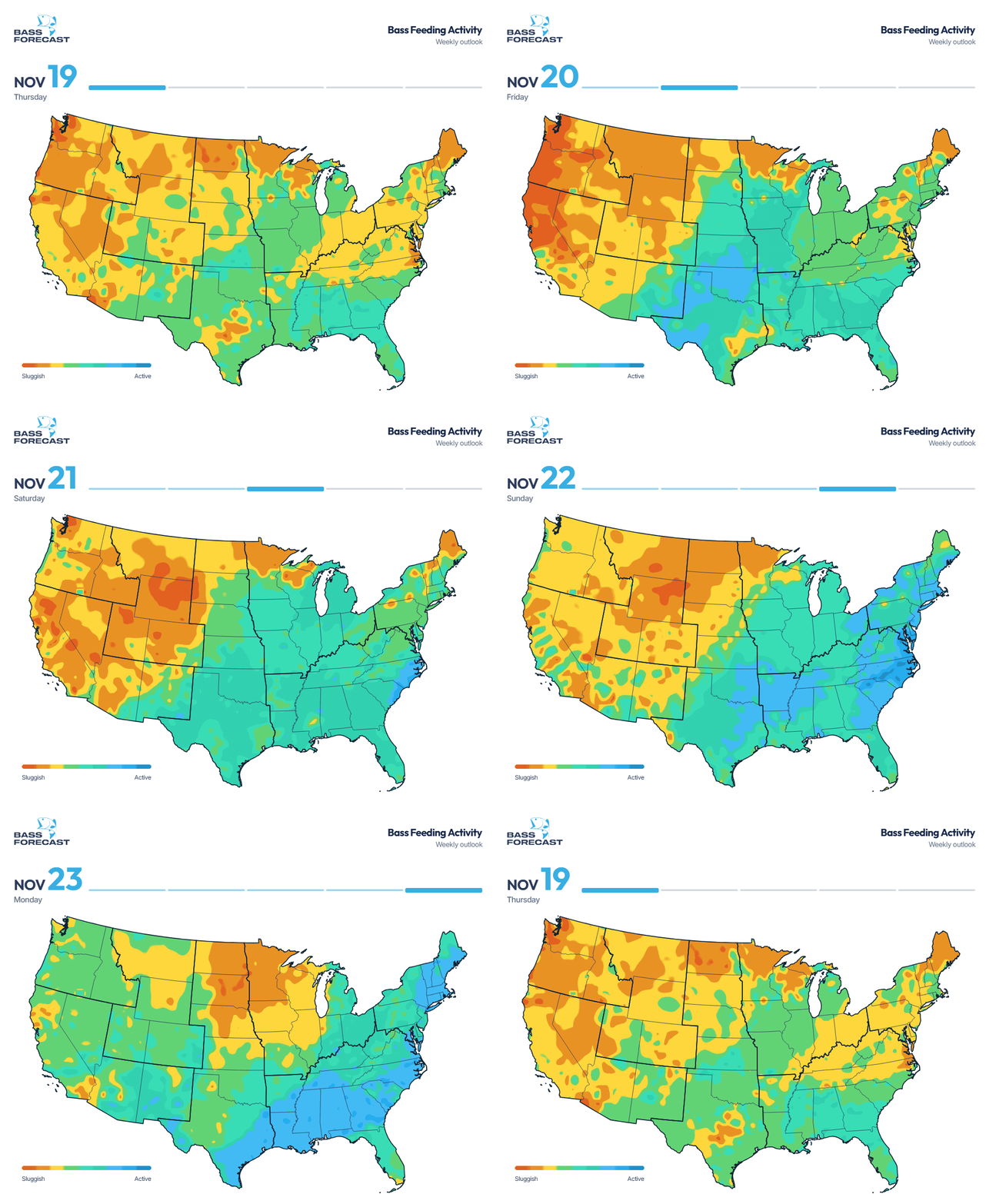
This is where checking the 10-day forecast matters most. The Bass Forecast Rating for your specific water shows which of these 10 days has the best combined conditions (temperature trend, pressure, solunar timing), which lets you pick the 2 to 3 strongest days inside the window instead of guessing. Water temperature trend is the variable to watch most carefully this week.
Search your body of water to get bass fishing intel
Should You Fish on Thanksgiving Day?
The honest answer is that it depends on three things: your water, your weather, and whether you can get there without burning your family relationships to do it.
When Thanksgiving Day is a strong fishing day:
Water temperature is stable or trending slightly up from the day before. Barometric pressure is stable or falling. Overnight lows stay above 35 degrees so shallow water has a chance to warm by late morning. Air temperature by noon is 50 degrees or higher. Light to moderate wind from a southerly direction. No cold front passed through Wednesday night.
When these conditions line up, Thanksgiving Day is one of the best fishing days of the year because the pressure drop is absolute. Nobody is on the water except you. Tommy Biffle has gone on record calling Thanksgiving morning "the quietest the lakes get all year," a sentiment echoed across Bassmaster coverage of holiday-week fishing.
When Thanksgiving Day is a skip day:
A cold front passed through Tuesday or Wednesday night and water temperature is still dropping. Overnight lows below 25 degrees with no afternoon warming forecast. Rising barometric pressure on a bluebird day following a front. Winds above 25 mph from a northerly direction. These combinations shut down the bite enough that the time cost of fishing Thursday morning does not pay off.
The practical move:
Check the Bass Forecast Rating for Thursday against Wednesday afternoon and Friday afternoon. If Thursday is the best of the three ratings, go. If Wednesday afternoon or Friday rates higher, fish those windows and keep Thursday for family. The 10-day forecast tells you this before you have to make the call to your spouse.
The family-management side:
Fish early. 6 AM to 10 AM gets you home for dinner prep and keeps the day intact. Afternoon fishing on Thanksgiving creates more friction than morning fishing. If you have to pick one window, pick the early one even if ratings favor afternoon. Peace at home is worth the ratings gap.
Where Bass Are Right Now
Bass positioning in late November is driven by the final stage of shad migration and the water temperature trend heading into winter. The pattern varies by water temperature zone, but the general framework holds across most of the country.
Transition points between creek arms and main lake. Bass stage at the mouths of creeks where shad are moving out of the main lake. These are the most consistent spots during the Thanksgiving window because the bait concentration is predictable.
Secondary points inside creeks, deeper now than in October. Bass have pulled off the backs of creeks and onto the first secondary point with deeper water adjacent. Look for the point with the quickest drop into 12 to 18 feet.
Rocky main-lake points for smallmouth. Smallmouth on highland reservoirs (Dale Hollow, Pickwick, Table Rock) stack on main-lake rocky points as water drops into the 50s. Jerkbaits, blade baits, and dropshot rigs on the first drop out from the point.
Channel edges on flats. On flats that had bass on them in October, fish the channel edge adjacent to the flat. The bass that were feeding shallow in warmer water are now holding on the edge where they can access shallow feeding opportunities on warming afternoons.
Dying grass edges where grass still exists. Not every water has remaining grass, but where it does, the dying edges hold bass through Thanksgiving and sometimes into early December. Fish the edge with reaction baits and follow up with soft plastics on the first fish.
The Bass Forecast app surfaces water temperature trends and specific location recommendations by region. Opening the app at the start of the week and checking where your water sits relative to these patterns tells you which type of spot to prioritize. Fall bass fishing patterns shift fast this time of year.
What to Throw This Week
Bait choice this week depends on your water temperature zone more than the calendar.
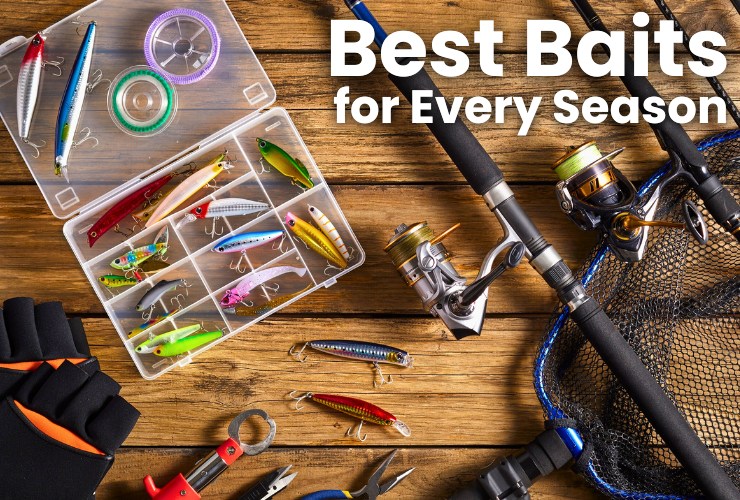
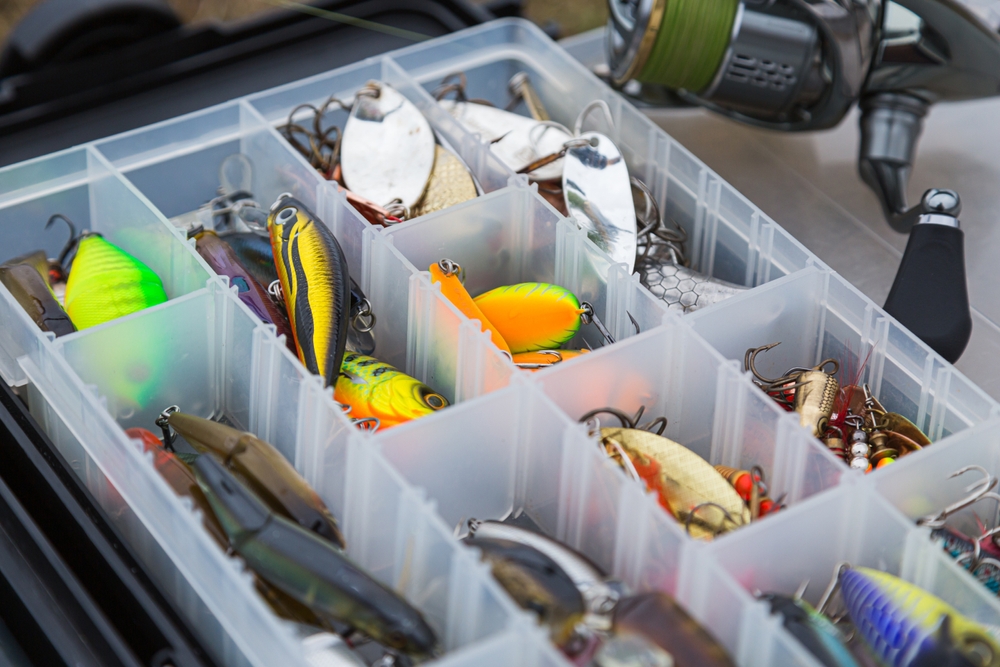
Water temperature 55 to 64 degrees (still in the pre-winter feeding push). Lipless crankbaits, ChatterBaits, and medium-diving crankbaits remain the primary cover-water baits. The Strike King Red Eye Shad in chrome or blue chrome, the Strike King 5XD for deeper points, and ChatterBaits along grass edges and shallow cover.
Water temperature 48 to 54 degrees (transition zone). Slow down. Suspending jerkbaits with 15 to 30 second pauses imitate dying shad and get strikes from bass that will not chase. Jigs with pork or soft plastic trailers dragged on main-lake points. Dropshot rigs on channel edges.
Water temperature below 48 degrees (winter patterns beginning). Finesse-driven. Hair jigs on deep structure. Dropshot with 4 inch worms. Slow-rolled wacky rigged Senkos on slopes adjacent to deep water.
The decision framework: watch the Bass Forecast Rating water temperature readout for your location. The app matches bait category to live conditions, so during a cold front recovery you see the temperature-appropriate baits surface in the recommendations rather than the baits that worked three weeks ago.
From a Boat, From the Bank, From a Kayak
The Thanksgiving window serves all three access types, but how you work it changes.
From a Boat
Boat anglers have the biggest advantage during the Thanksgiving window because electronics give you the water temperature readings and sonar coverage needed to find staging bass on deeper structure. Idle out to creek mouth transitions and use side-imaging to find shad schools suspended at the first break line. Run secondary points inside creek arms methodically.
Run-and-gun works in the Thanksgiving window. If a creek arm is not producing in 30 minutes, leave. The bass are concentrated with the shad; empty water stays empty. Thanksgiving Day specifically is a day when the boat traffic advantage is biggest because almost no other boats are on the water.
From the Bank
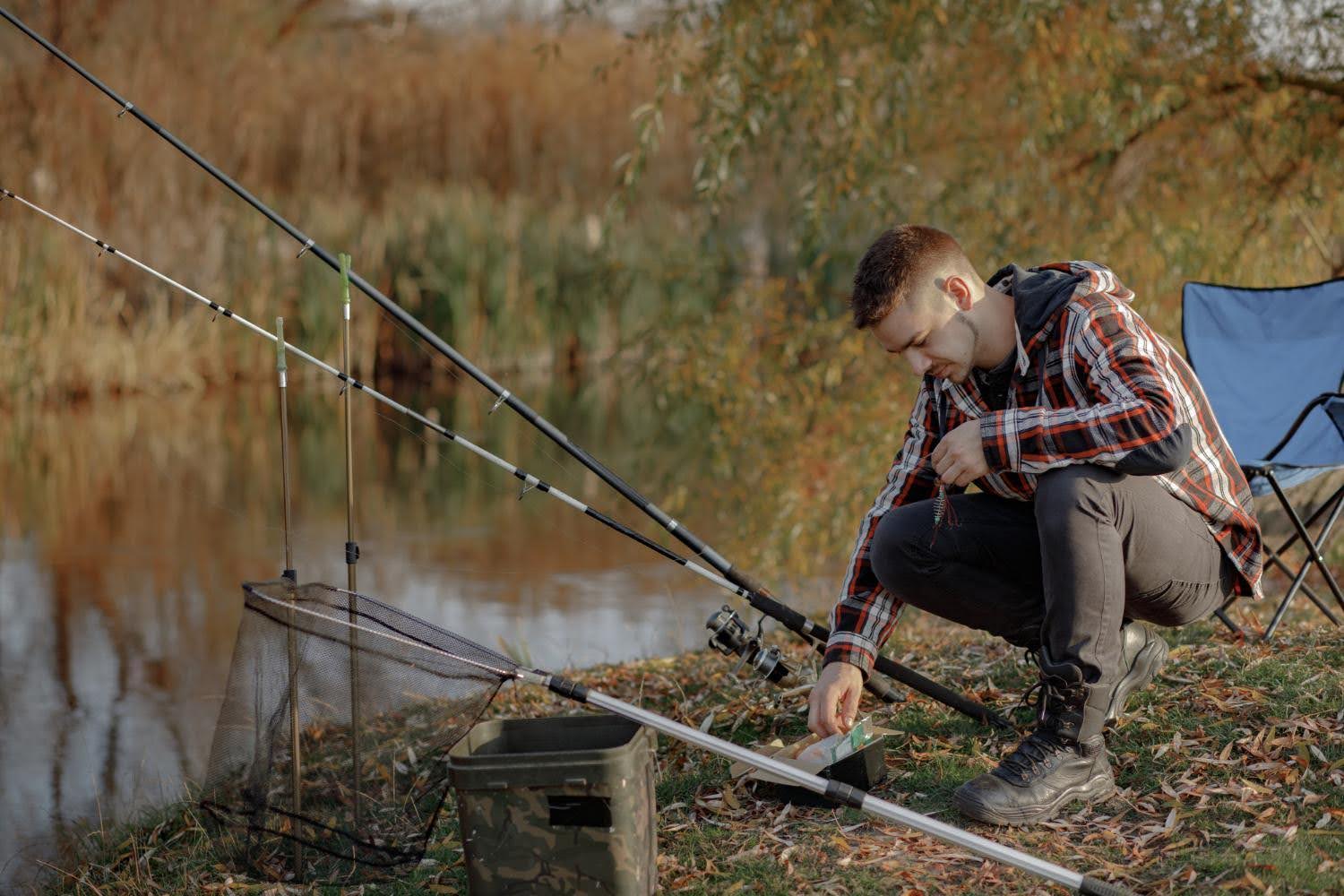
Bank anglers get more of the Thanksgiving window upside than any other time of year because the pressure drop is absolute. Target spots where creek arms meet main lake water at bank-accessible points: boat ramps with adjacent shoreline, roadbed crossings, bridge pilings, and any public access point adjacent to a creek mouth.
Focus on windblown shores where shad have been pushed in and bass are feeding below the surface. Lipless crankbaits and ChatterBaits cover water efficiently from a bank casting position. Shad-pattern soft plastics on a lighter weight work for the follow-up cast when a moving bait draws a swirl but no commit. Dress for the weather; Thanksgiving week temperatures can be brutal on the bank without wind protection.
From a Kayak
Kayakers get the stealth advantage during a window where bass are shallow and spook-prone. With no outboard noise, kayak anglers can slip into shallow creek pockets and the backs of coves where bass are chasing shad without alerting them.
Launch at boat ramps for creek arm access, or small shoreline put-ins for pond fishing. Carry a compact tackle setup: one moving-bait rod, one soft-plastic rod, and one jerkbait rod for when the temperature drops below 55. The kayak-specific downside this week is the cold water safety consideration. November reservoir water in the low 50s is cold enough to be dangerous if you go in. Wear a PFD, dress for immersion not air temperature, and pick protected coves over open water.
Where the Window Stands Across the Country
The Thanksgiving window closes at different points depending on where you fish. Here is where each region stands this week.
Southeast (Guntersville, Chickamauga, Toledo Bend, Sam Rayburn). Water in the low 60s. The window is wide open. Fish aggressively Monday through Sunday; cold fronts here produce shorter shutdown periods and the pre-winter feeding push continues into early December.
Southwest (Lake Fork, Sam Rayburn, Amistad). Water in the 58 to 62 range. Prime window. Lake Fork anglers are deep in the giant pre-winter feeding push with the best trophy potential of the second half of the year.
Mid-South (Chickamauga, Kentucky Lake, Barkley, Pickwick, Dale Hollow). Water in the upper 50s. Prime temperature zone, and cold fronts matter most here. Watch the recovery curve after any front and fish the warming trend.
Mid-Atlantic and Ozarks (Bull Shoals, Table Rock, Beaver, Lake of the Ozarks). Water in the mid 50s. Window is active but closing. Fronts push water into the low 50s and compress feeding windows. Fish Thanksgiving Day and the weekend if conditions allow.
Great Lakes and Upper Midwest (Lake St. Clair, Lake Erie, Mille Lacs, Mississippi River pools). Water in the low 50s dropping into the 40s. Window is nearly closed on most waters. Smallmouth on Erie and St. Clair are catchable on jerkbaits and blade baits in deeper water.
Northeast (Champlain, George, Oneida, Finger Lakes). Water in the upper 40s. Window has largely closed on most waters. Transition to winter patterns is actively happening.
West and Pacific Northwest (Clear Lake, California Delta, Columbia River, Lake Washington). Water in the mid to upper 50s. Clear Lake and the Delta fish longer than most waters; the Thanksgiving window stays open here into early December. California anglers have the longest remaining window.
Rocky Mountains (Lake Mead, Mohave, Powell). Water in the low 60s on the southern desert reservoirs. Still in the back half of the pre-winter feeding push. Mead and Powell anglers have 2 to 3 more weeks of strong water.
The practical takeaway: the Thanksgiving window is wide open in the South and West, closing in the central and northern regions, effectively closed in the Northeast. Check the app for your specific water temperature trend to see where you sit.
The Honest Day-Picking Framework
Not every day in the Thanksgiving window will produce. The 10 days contain a mix of strong days, transition days, and dead post-frontal days. Picking correctly matters more than any bait choice.
Signals that make a day productive:
Water temperature stable or slightly warming from the day before. The strongest November days.
Barometric pressure stable or slowly falling. Rising pressure after a cold front crushes the November bite; falling or stable pressure gets bass feeding. Barometric pressure is the single best leading indicator of bite quality.
Overcast or partly cloudy, light to moderate wind. Bluebird skies with high pressure after a cold front are the worst November days. Overcast with 5 to 15 mph wind is ideal.
Afternoon over morning. Shallow water needs sun to warm. Afternoon windows are almost always better than morning this time of year.
Signals that tell you to skip:
Day one after a cold front with high pressure and bluebird sky
Water temperature actively dropping
Pre-frontal windows that have already turned into post-frontal rising pressure
Dead-calm, high-pressure conditions
The practical move: open the Bass Forecast app at the start of the week. Look at the 10-day forecast rating for your water. Identify the 2 to 3 days with the highest ratings and best temperature trend. Those are your fishing days. Bass Forecast PRO shows the full 10-day forecast, which is the planning tool that matters most during this specific window because it lets you see the next prime day before the weather cycle changes.
THE LAST GOOD WINDOW OF THE YEAR
Common Questions About Thanksgiving Week Bass Fishing (FAQ's)
Is Thanksgiving week good for bass fishing?
Thanksgiving week is one of the best bass fishing windows of the year on most waters. Water temperatures sit in the 55 to 64 degree zone across much of the country, which keeps the pre-winter feeding push going. Fishing pressure drops dramatically as anglers travel for the holiday, leaving lakes quiet and bass unpressured. The combination produces some of the best catch rates of the second half of the year for anglers willing to pick the right days.
Should you fish on Thanksgiving Day?
Fishing on Thanksgiving Day is strongly worth it if three conditions align: water temperature stable or warming from the day before, no cold front passing through Wednesday night, and air temperatures above 50 degrees by late morning. When these conditions line up, Thanksgiving Day is one of the quietest fishing days of the year with excellent bite potential. Fish early (6 AM to 10 AM) to preserve family time and avoid the afternoon friction that comes with fishing during holiday prep.
What is the best day to fish during Thanksgiving week?
The best day to fish during Thanksgiving week is usually the day with the most stable or slightly warming water temperature, stable or slowly falling barometric pressure, and overcast or partly cloudy skies. For many anglers this is the Tuesday or Wednesday before Thanksgiving or the Saturday after. The 10-day forecast rating in Bass Forecast shows which specific day this week has the strongest combined conditions for your water.
Will bass bite the day after Thanksgiving?
Bass bite well the day after Thanksgiving on most waters because fishing pressure is still very low and water temperature often stabilizes after the Thursday weather pattern. Black Friday anglers who skip the crowds and fish instead frequently report strong bite activity. The exception is when a major cold front rolls through late Thursday or Friday morning and knocks water temperature down 5 to 7 degrees.
What water temperature should I fish in late November?
The most productive water temperature range in late November is 55 to 64 degrees Fahrenheit, where bass are in the pre-winter feeding push. Below 55 degrees, feeding windows compress and bass shift toward slower, deeper presentations. Above 64 degrees, bass are still in early fall patterns rather than the pre-winter mode. Match your bait category and retrieve speed to the actual temperature reading, not the calendar date.
What baits work best for Thanksgiving week bass fishing?
In 55 to 64 degree water, shad-pattern lipless crankbaits, ChatterBaits in shad colors, and medium-diving crankbaits like the Strike King 5XD cover water efficiently and match the pre-winter shad feeding pattern. In 48 to 54 degree water, slow down with suspending jerkbaits worked on 15 to 30 second pauses, jigs with pork trailers dragged on main-lake points, and dropshot rigs on channel edges. Match the bait category to the water temperature on your specific lake.
Where do bass hold in late November?
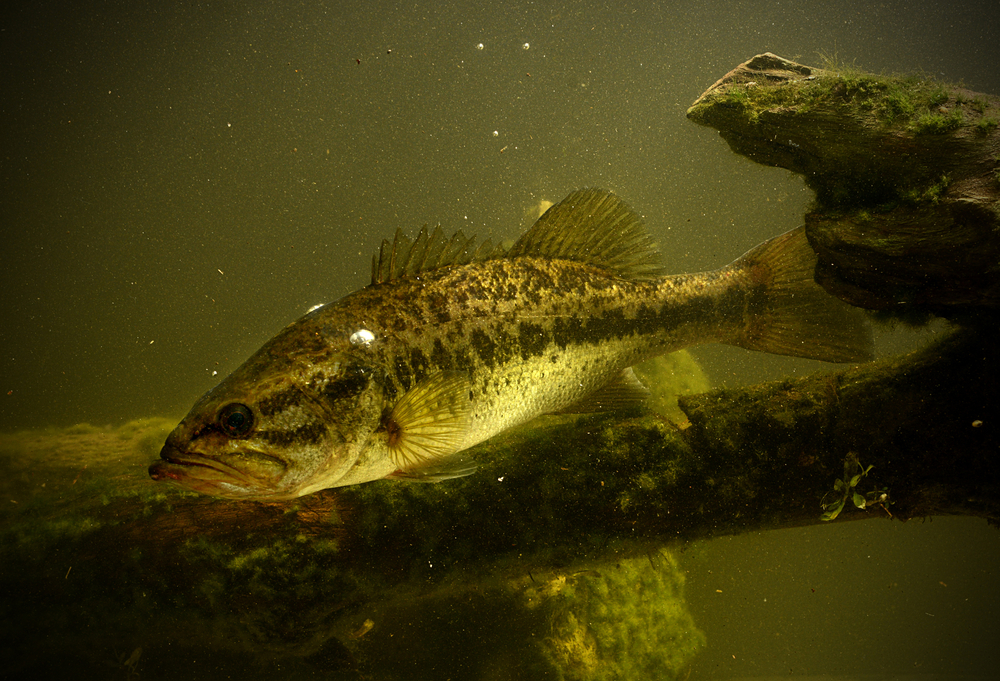
Late November bass hold at transition points between creek arms and main lake, on secondary points inside creek arms (deeper now than in October), on channel edges adjacent to shallow flats, on rocky main-lake points for smallmouth on highland reservoirs, and along dying grass edges where grass remains. The specific spot shifts as water temperature drops, so patterns that worked last weekend may not work this weekend.
Why do bass stop biting after Thanksgiving?
Bass do not stop biting after Thanksgiving on most waters. The bite shifts character as water temperature drops into the 48 degree range and below, moving from an aggressive pre-winter feeding push to a slower, deeper, more selective winter pattern. Anglers who use the same bait categories and retrieve speeds that worked in October and early November report the bite "stopped." Anglers who shift to suspending jerkbaits, jigs, and finesse presentations continue catching bass through December on most waters.
How cold is too cold to bass fish in late November?
Air temperature itself is not the deciding factor; water temperature is. Bass remain actively feeding into the upper 40s on most waters. When water temperature drops below 42 degrees, bass shift into true winter patterns that require specific finesse approaches to catch. For angler comfort, air temperatures below 25 degrees with wind are often harder on the angler than on the fishing; dress appropriately and the fishing often remains viable.
How do I know when conditions are right during Thanksgiving week?
The combination that produces the best Thanksgiving week fishing is stable or warming water temperature, stable or slowly falling barometric pressure, overcast or partly cloudy skies, and a light to moderate southerly breeze. The combination that kills the bite is day-one post-frontal conditions with bluebird sky, high pressure, and dropping water temperature. Bass Forecast combines these signals into the daily Bass Forecast Rating for your location, letting you see at a glance which days this week will produce.
What is the last good bass fishing day before winter?
The last good bass fishing day before winter depends on your region. In the Southeast and Southwest, the window stays open into early December and the "last day" is usually in mid-December on most reservoirs. In the Mid-South and Mid-Atlantic, the last reliably productive day is typically late November to early December. In the Northeast and Great Lakes, the window has largely closed by Thanksgiving week. Watch water temperature trend on your water; when readings drop below 48 degrees and stay there, the pre-winter window is closed and winter patterns begin.
Get the 10-Day Bass Forecast for Your Water
The Thanksgiving window is 10 days long. The good fishing days inside it are fewer. The question is which days. This article has given you the framework. The app gives you the answer for your water.
Bass Forecast puts water temperature trends, barometric pressure shifts, and the daily Bass Forecast Rating for your exact location in one place. 22 bait types matched to live conditions. GPS-specific solunar feeding windows accurate to the minute. The 10-day forecast lets you see which days this week and next will produce, so you can pick your trip around the strongest ratings instead of guessing.
Free to download. Today and tomorrow's forecast free on the free tier. Bass Forecast PRO unlocks the full 10-day forecast and every bait recommendation every day, which is the version you want for the Thanksgiving window because you need to see past Thanksgiving Day to plan the weekend trip.
Plus Bass Forecast PRO comes with the Partner Perks bundle and discounts.
The perks pay for the subscription on day one.
Use code HOOKEM to start your free 7-day trial of Bass Forecast PRO this week.
Download Bass Forecast for iPhone or Android →
Or use the web app at my.bassforecast.com →
10 days. One window. Pick your day and go fish.