How Matt Robertson Won $1.25M on a Brutal Fall Fishery
Share this article with every angler you know!
How Matt Robertson Won $1.25 Million on a Brutal Fall Fishery (And What It Teaches Every Angler)
Matt Robertson of Kuttawa, Kentucky just won the largest first-place purse in professional bass fishing history. $1.25 million. On Old Hickory Lake. During what every local angler and tournament organizer called the toughest week of the year to catch a bass.
The World Bass Enterprises Champions tournament wrapped up Saturday, October 31. Robertson weighed 56 pounds, 1 ounce over three days, including a 20 pound, 2 ounce bag on the final day. He beat 59 of the best bass anglers on the planet, including the top 25 from the Major League Fishing Bass Pro Tour and the top 25 from the Bassmaster Elite Series. Between them, those 50 anglers represent nearly every modern tournament bass fishing champion.
Only one of them put together three good days on a lake that was in full fall transition.
That matters for every weekend angler reading this, because the lesson from Robertson's win is not "buy a better crankbait" or "upgrade your electronics." The lesson is that fall transition fishing is punishingly hard for everyone, including anglers who have won millions of dollars doing it, and the ones who still catch fish during these windows are the ones who read conditions correctly.
Here is what Old Hickory Lake taught the fishing world last week, and what every angler can take from it heading into November.
Know the Bass Fishing Playbook Every Week
The Fishery Was Set Up To Punish Anglers
Old Hickory Lake sits on the Cumberland River northeast of Nashville. It is a long, narrow highland reservoir with limited current, deep channels, and the classic bass fishing structure of main-lake points, bluff walls, and submerged timber.
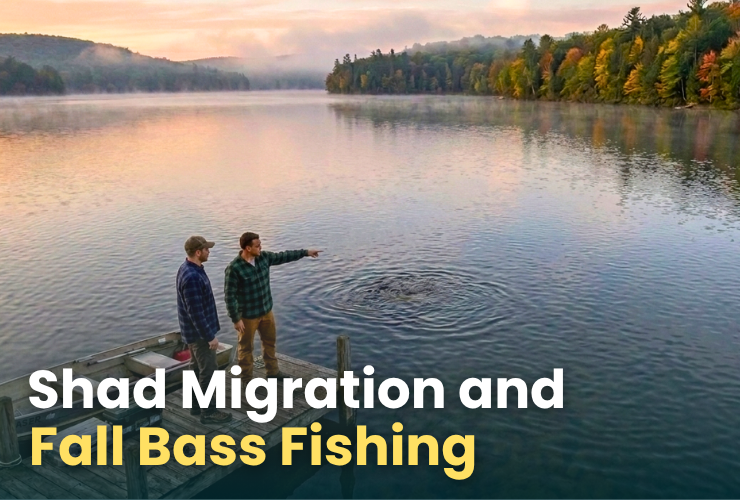
In late October and early November, Old Hickory is in one of the most challenging patterns of the year. Water temperatures are falling from the mid-70s into the low 60s. Shad are moving between main lake and creek arms. The thermocline is breaking down. Some sections of the lake are already past their fall peak and sliding toward late-fall patterns, while other sections still read early-fall. Bass are scattered, aggressive one day and lockjawed the next, and the window where they feed hard shrinks to short bursts.
Local Tennessee anglers interviewed before the tournament said directly that this time of year on Old Hickory is "not the easiest thing" and would be "a true test." That is a polite way of saying what every veteran knows: fall transition reservoirs grind down anglers who are used to fishing with confidence in spring and summer. Even the pros struggle.
The tournament format forced the point. Three days of competition over a five-day event with weigh-ins open to the public. No breaks for weather. No retreating to easy water. The anglers who placed well had to produce in whatever conditions showed up.
Why Fall Transition Breaks Even The Best Anglers
The thing that makes fall transition fishing so difficult is not any single condition. It is that the conditions change too quickly for most anglers to keep up.
Water temperature can drop six to eight degrees in a week. Barometric pressure swings from highs to lows every two to three days as fronts move through. Shad schools reposition every afternoon. The best spot on your lake Thursday morning holds nothing Thursday afternoon because the wind flipped from south to north. The jig pattern that produced Saturday goes dead by Sunday because the water temperature crossed 60 degrees overnight.
Most anglers try to solve this by picking a pattern they trust and sticking with it. That is how you lose a fall tournament, or waste a fall weekend. The patterns that work in October are not the patterns that work in November. The patterns that work on Thursday are not necessarily the patterns that work on Saturday.
What separates pros like Robertson is not that they catch fish on every pattern. They catch fish by reading the water that day and adjusting faster than everyone else. The same ability is available to any angler willing to pay attention to conditions before they launch the boat.
For weekend anglers trying to understand why bass behavior shifts so dramatically during this window, the broader context of fall bass fishing patterns explains how temperature, forage movement, and bass metabolism interact across the entire season. Robertson's win is one data point. The pattern knowledge behind it applies everywhere.
What Robertson's Pattern Tells Us About Tough Fall Water
Robertson is a Kentucky Lake specialist by background. His home water is a highland reservoir with a lot in common with Old Hickory. He has built his tournament career on fall and winter patterns on exactly this kind of water.
What anglers who have followed Robertson's career know about his typical approach:
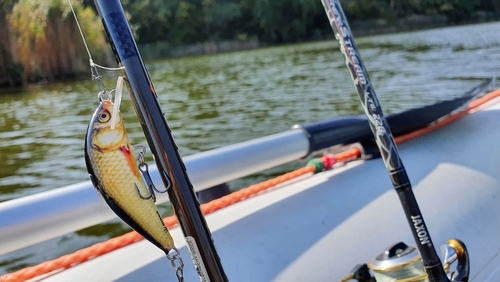
He fishes reaction baits that cover water. When fish are scattered during transition, Robertson has made a career of covering more water than his competitors with baits that trigger reaction strikes rather than feeding strikes. Lipless crankbaits in particular have been a signature pattern for him since he was a kid fishing with his grandmother on Kentucky Lake.
He adjusts speed before changing baits. A lot of fall anglers burn through their tackle box when fish stop biting. Robertson has publicly talked about slowing down a crankbait retrieve by half or doubling the pause before changing to a different lure. Speed is the first adjustment, not the last.
He targets shad concentrations rather than specific structure. In fall transition water, the shad move and the bass follow. Finding the bait is more important than finding the "best" piece of structure. Robertson's history shows him running water looking for shad activity more than sitting on marked waypoints.
He trusts his home-water instincts. Old Hickory Lake fishes similarly to Kentucky Lake in late October. The highland reservoir structure, the shad migration pattern, the barometric sensitivity. For Robertson, the tournament was closer to a home game than it was for most of the field. He fished what he knew would work rather than trying to copy a hot bait off social media.
Every one of those approaches is available to weekend anglers. Not the sponsorship money, not the Garmin electronics, not the custom tackle. The thinking.
The Three Fall Transition Principles Every Angler Can Apply
Here are the lessons from Old Hickory Lake that scale to any weekend water.
Principle 1: Fish the day, not the pattern.
The angler who shows up Saturday morning and fishes the same way they fished three weeks ago in early fall will catch nothing. The angler who shows up with no plan and reads the water catches fish. The specific baits and locations matter less than the willingness to adapt within the first 30 minutes based on what the lake is telling you.
Check the water temperature on the sonar before your first cast. Note the wind direction. Watch for shad activity. See which banks have bait pushed against them. The lake will tell you where to start if you read it.
Principle 2: Find the shad, find the bass.
In fall transition water, shad are the entire story. The shad migration from main lake into creek arms, pockets, and flats is what drives bass behavior across the Southeast, Midwest, and Mid-South. Where the shad concentrate, bass concentrate. Where the shad move, bass follow.
Our dedicated breakdown of the fall shad migration explains the biology of why shad move when they do and how to use that movement to find bass that otherwise seem scattered.
Weekend anglers who ignore shad activity and fish based on where they caught bass in July will struggle through November. Anglers who follow bait get rewarded.
Principle 3: Read the conditions before you decide which day to fish.
This is where tournament pros separate from everyone else, and it is the single biggest lever a weekend angler has to improve catch rates during fall transition.
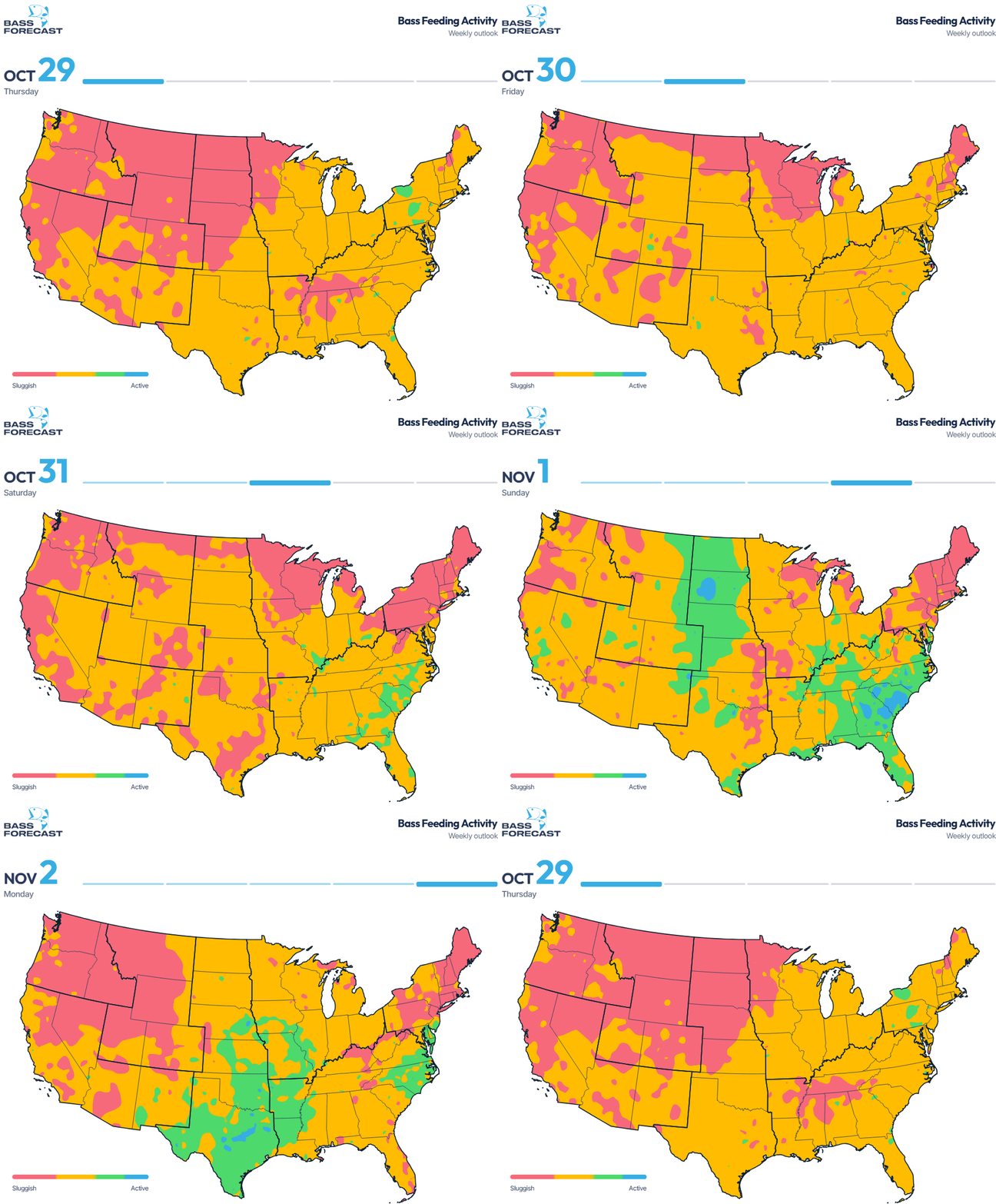
Barometric pressure, wind direction, cloud cover, water temperature trend, and solunar timing combine to make some days exponentially better than others. During the Champions tournament, the daily ratings on the Bass Forecast system showed exactly this pattern. Some days were rated TOUGH across the entire Southeast. Other days were rated GOOD or EPIC in specific regions. The anglers who placed well fished through the hard days and capitalized on the better ones.
For weekend anglers who do not get paid to fish every day, the lesson is even more direct: pick your fishing days around the forecast instead of around your calendar. A GOOD-rated Saturday will outproduce a TOUGH-rated Sunday on the same water by a wide margin, and both days usually show up in a given week during fall transition.
Why Weekend Anglers Should Care About A $1.25 Million Tournament
If you are not a tournament angler, it might feel like the Champions tournament has nothing to do with your Saturday morning on a 200-acre reservoir with a pond-prowler bass boat and a Senko. The connection matters more than it looks.
What professional fishing tournaments do is strip the game down to its essentials. Fifty of the best anglers in the world had three days to catch bass on a known-tough fishery. No excuses. No "I just needed another day to find them." Whatever each angler brought to the lake, that is what they had to work with.
The results are a controlled experiment in what actually matters during fall transition. The anglers who placed well shared certain approaches. The anglers who struggled shared certain mistakes. You can learn more about fall fishing from one professional tournament on a tough fishery than from a dozen YouTube videos filmed in prime conditions.
Robertson won because he adjusted to what the lake was doing that week, not because he had a better bait or a bigger boat. That is a lesson any angler can apply to their home water this coming weekend.
THE $1.25 MILLION FALL TRANSITION LESSON
Common Questions About The Champions Tournament and Fall Transition Fishing (FAQ's)
Who won The Champions tournament 2026?
Matt Robertson of Kuttawa, Kentucky won the inaugural World Bass Enterprises Champions tournament on October 31, 2026. He weighed 56 pounds, 1 ounce over three days on Old Hickory Lake near Nashville, Tennessee. His first-place prize was $1.25 million, the largest first-place payout in professional bass fishing history.
How much is The Champions bass tournament purse?
The Champions tournament total purse was $3.25 million, the largest in bass fishing history. First place paid $1.25 million. Second place paid $500,000. Third place paid $300,000. The remaining top 5 finishers received $200,000 and $100,000 for fourth and fifth place.
What is fall transition in bass fishing?
Fall transition is the period from early October through mid-November when bass behavior shifts dramatically as water temperatures drop from summer highs into the mid 50s. Shad move from main lake into creek arms, bass follow the bait, and feeding patterns compress into shorter windows. The lake can shift from early-fall to late-fall patterns in a single week.
Why is fall transition bass fishing so hard?
Fall transition is difficult because conditions change too quickly for most anglers to keep up. Water temperature can drop six to eight degrees in a week. Barometric pressure swings from highs to lows every few days. Shad schools reposition daily. The pattern that produces Thursday often fails Saturday. Even professional anglers struggle during this window.
What baits work best for fall transition bass fishing?
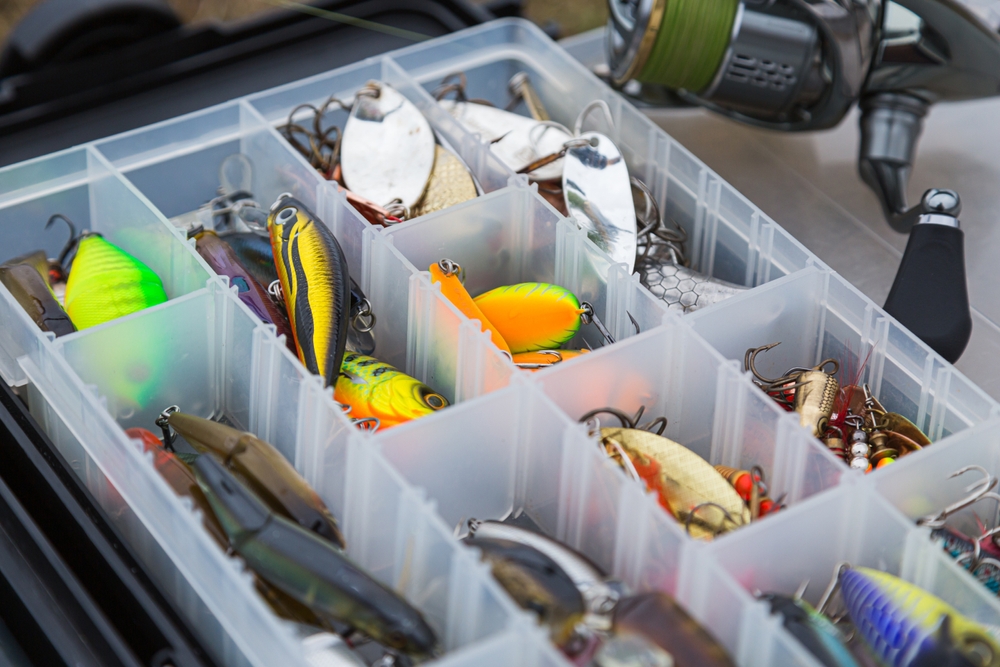
Reaction baits that cover water work best during fall transition. Lipless crankbaits, spinnerbaits, Chatterbaits, and medium-diving crankbaits imitate the shad that bass are chasing. In late-fall water (below 60 degrees), jerkbaits and blade baits become productive. The specific bait matters less than matching the shad size and color.
How did Matt Robertson win The Champions on tough Old Hickory Lake?
Matt Robertson is a Kentucky Lake specialist whose home water fishes similarly to Old Hickory. He is known for lipless crankbait patterns and reaction-bait tactics on highland reservoirs. His career has been built on fall and winter fishing on exactly this kind of water. His win on Old Hickory reflected both home-field pattern recognition and the ability to adjust daily to changing conditions.
What is Old Hickory Lake known for in bass fishing?
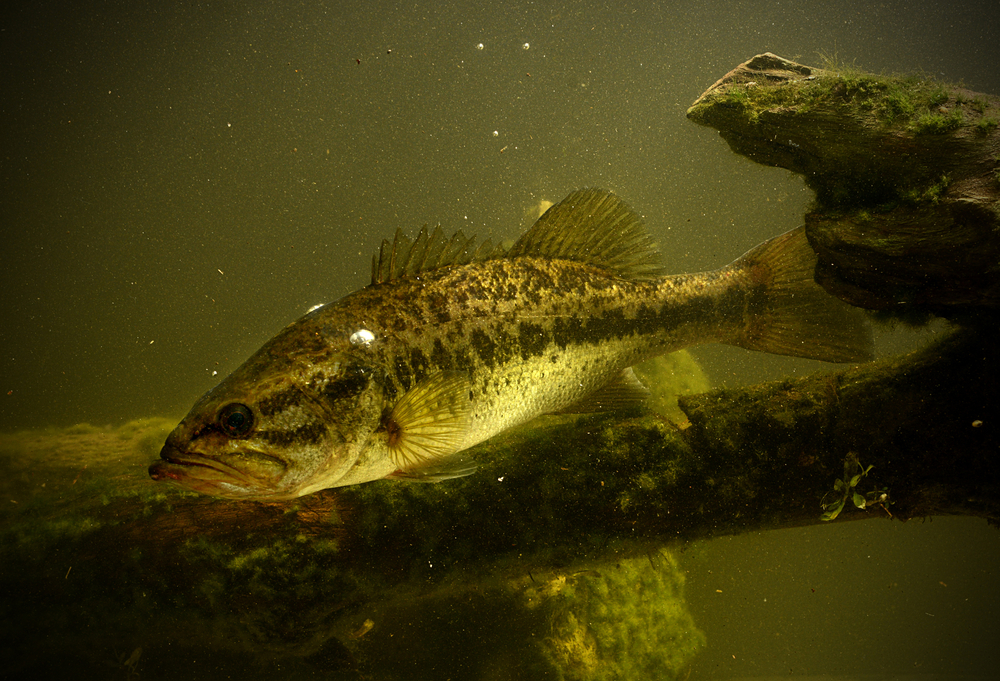
Old Hickory Lake is a Cumberland River impoundment northeast of Nashville, Tennessee. It is a long, narrow highland reservoir with limited current, deep channels, and classic structure including main-lake points, bluff walls, and submerged timber. The lake holds largemouth bass, smallmouth bass, and spotted bass. In late October and early November, it is in full fall transition and is considered a challenging bite.
Who is Matt Robertson the bass angler?
Matt Robertson is a 36-year-old professional bass angler from Kuttawa, Kentucky. He grew up fishing Kentucky Lake and has built his career on highland reservoir patterns in fall and winter conditions. He is known for lipless crankbait tactics, reaction bait fishing, and multiple major tournament wins including Bassmaster Nation events, Elite Series events, FLW BFL tournaments, and now The Champions.
When was the WBE Champions tournament held?
The World Bass Enterprises Champions tournament was held October 28 through November 1, 2026. The three days of competition took place October 29-31. The final day Pro-Am tournament was held November 1, 2026 at Percy Priest Lake with the top 15 finishers from the main event plus celebrities and legendary anglers.
How can weekend anglers apply tournament pro tactics to fall transition fishing?
Three principles translate directly. First, fish the day's conditions instead of a pre-planned pattern. Second, find shad activity to find bass. Third, pick your fishing days around the forecast instead of your calendar. Reading conditions is the single biggest lever a weekend angler has to improve catch rates during fall transition.
How Bass Forecast Helps You Fish Fall Transition Like The Pros Do
Fall transition is the season where conditions decide outcomes. The Bass Forecast app and Web App tracks water temperature trends, barometric pressure, wind direction, solunar timing, and cloud cover for your exact location, then combines them into the daily Bass Forecast Rating.
Weekend anglers who check the BFR before planning their trips consistently catch more fish than those who fish whenever is convenient. During fall transition specifically, the difference between fishing a GOOD day and a TOUGH day on the same water can be the difference between catching 10 bass and catching one.
Bass Forecast PRO users see the full 10-day forecast, which means you can plan an entire weekend around the day when conditions line up on your water. You can also see the specific baits and locations recommended for the conditions, which solves the "fish the day, not the pattern" problem automatically.
The $1.25 million Robertson won on Old Hickory came down to reading conditions and adjusting. Bass Forecast does the condition reading for you. The adjustment is still your job.
Download Bass Forecast on iOS or Android or use the Web App and plan your fall transition weekends around the days that will actually produce.