Do Bass Have Teeth? Yes - Here's What You Need to Know
Share this article with every angler you know!
Do Bass Have Teeth?
Yes. Here's What You Need to Know
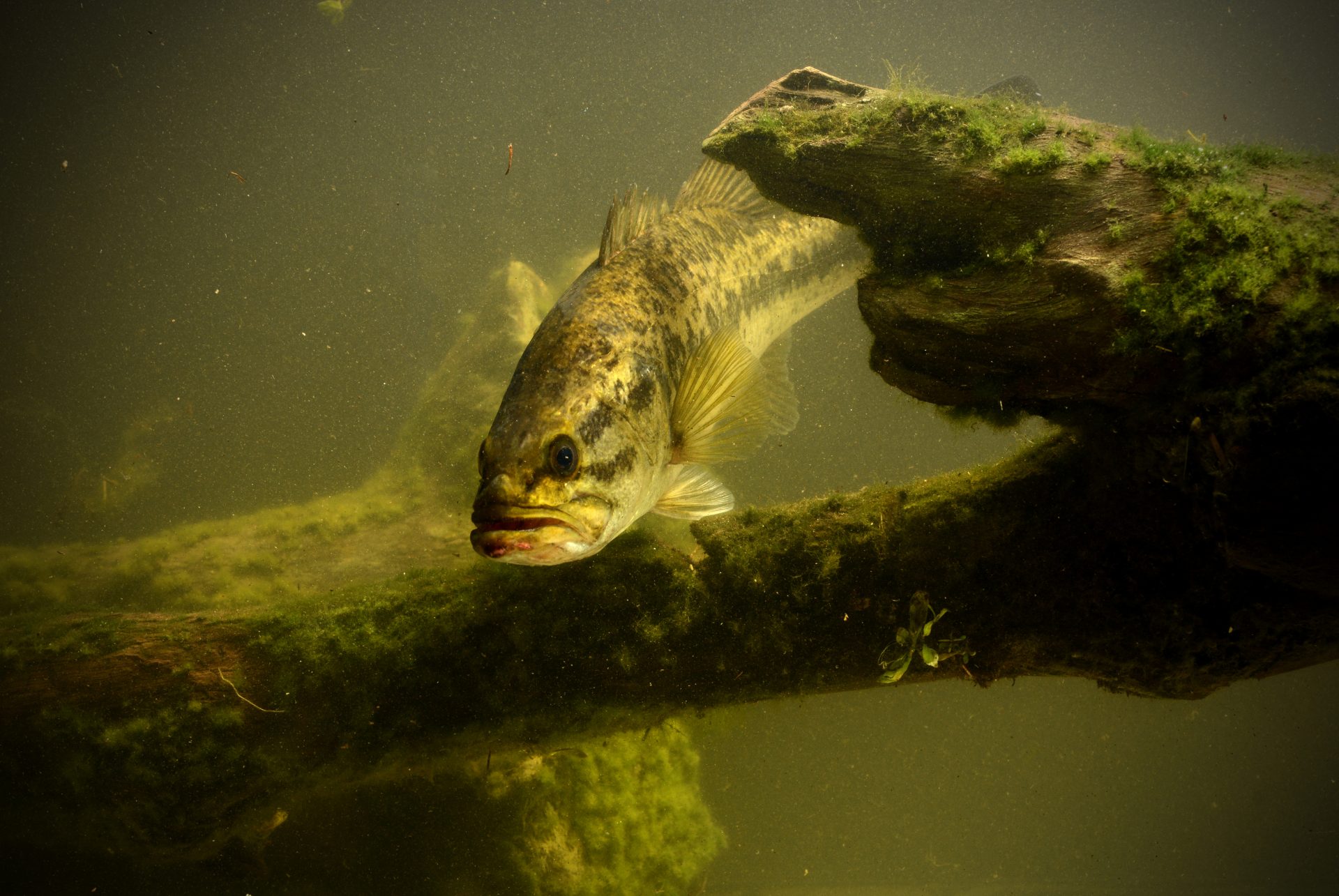
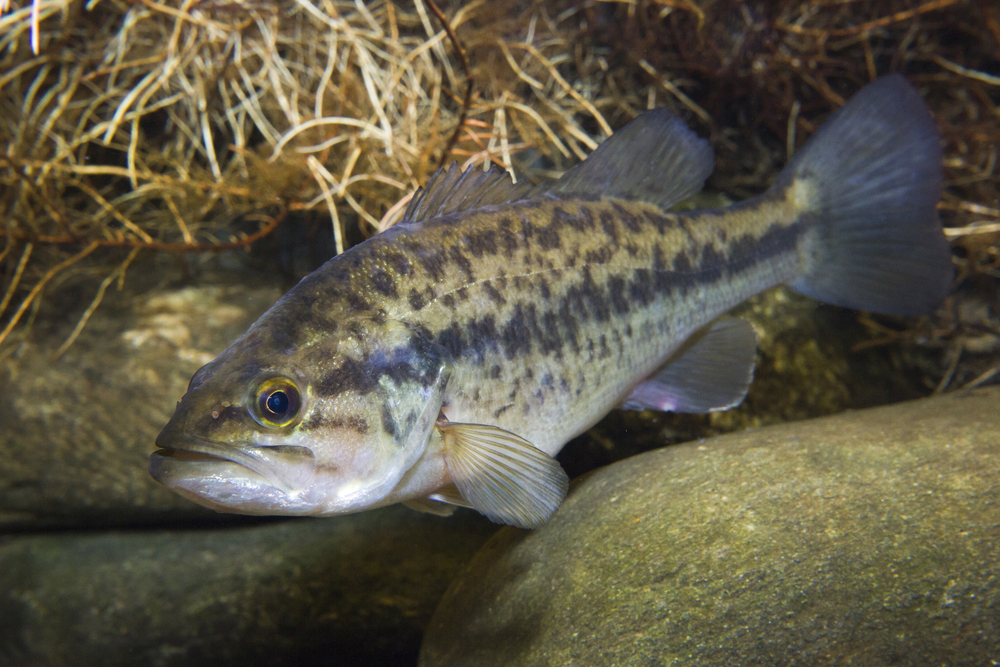
Yes, bass have teeth. All bass species have small, bristle-like teeth that cover the top and bottom of their jaws, the roof of their mouth, and the back of their throat. The teeth are not fangs. They are not sharp like a pike or muskie. They feel more like sandpaper or rough grip tape when you run your thumb across them.
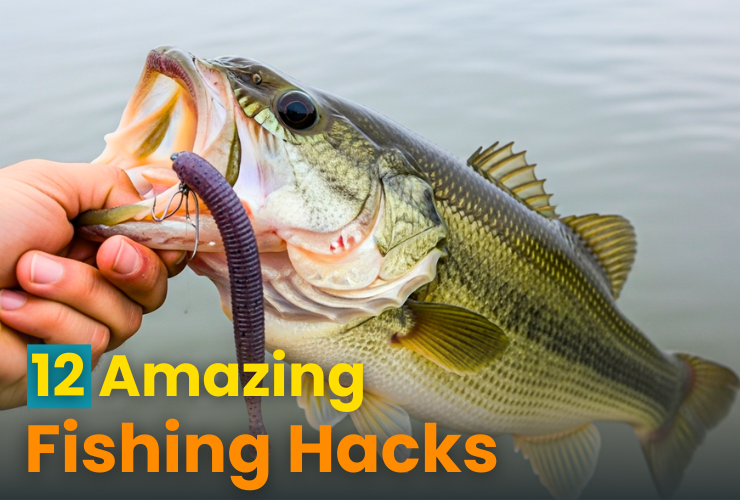
Most anglers encounter bass teeth the first time they lip-grip a bass and feel a slight scratch on their thumb. That rough feeling is real, and it is why bass fishermen often develop what is affectionately called "bass thumb" after a day on the water catching lots of fish. This article covers what bass teeth actually look like, where they are located, how they feel, and whether you need to worry about them when handling your catch.
Sign up to be notified of new bass fishing articles!
Get the Bass Fishing Playbook Every Week
Yes, Bass Have Teeth: The Short Answer
Bass have three different types of teeth. The main teeth that cover the jaws are called cardiform teeth. These are tiny, closely packed teeth that look and feel like coarse sandpaper. Behind the main teeth, bass have vomerine teeth on the roof of their mouth and pharyngeal teeth deep in their throat.
None of these teeth are sharp in the way most anglers imagine. You will not get bitten by a bass the way you could by a pike, muskie, or walleye. Bass teeth exist to grip and orient prey rather than to cut or tear it. Bass swallow their food whole, so they do not need slicing or tearing teeth.
When anglers ask "do bass have teeth," they are usually really asking whether a bass can hurt them during handling. The short answer is no. The teeth can scratch skin and leave your thumb feeling raw after many catches, but they will not do serious damage.
Where Bass Teeth Are Located
Bass have teeth in three distinct locations inside their mouth. Each location serves a different purpose in the way bass feed.
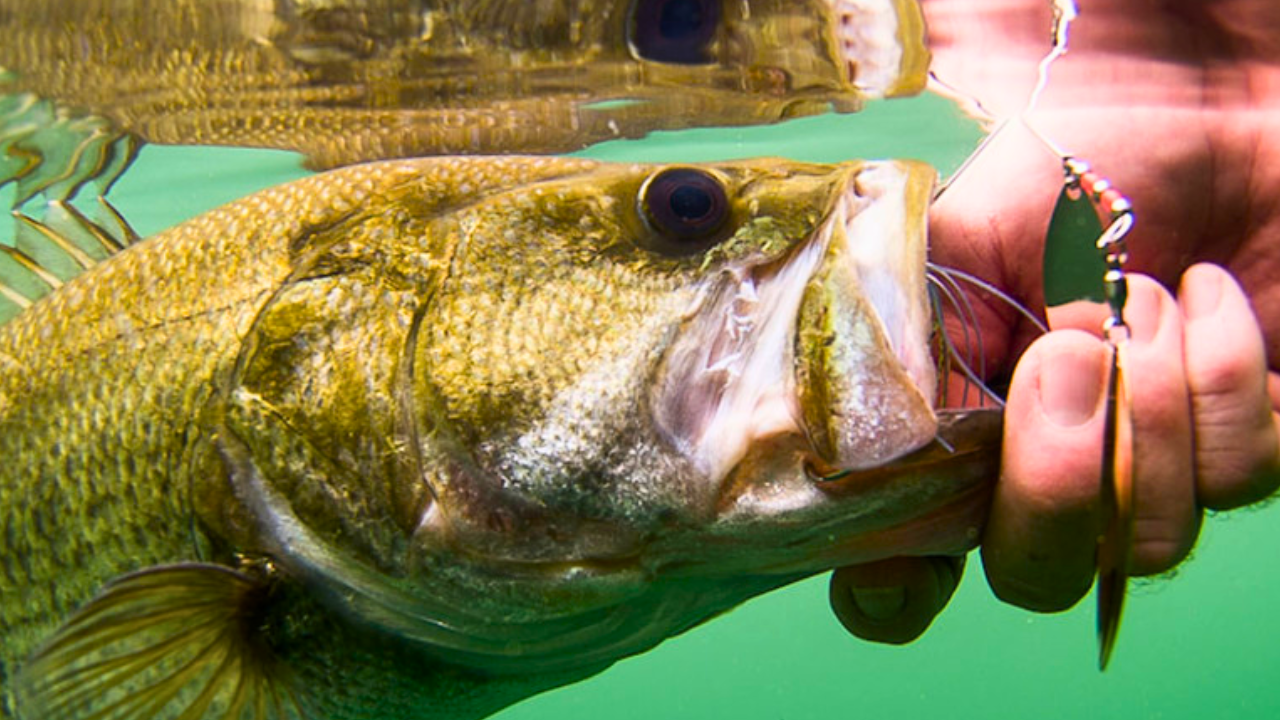
Cardiform teeth are the main teeth that line the upper and lower jaws. These are the teeth you feel when you lip-grip a bass. They form a continuous row of tiny bristles that look almost velvety from a distance, and up close you can see that they are hundreds of individual tiny teeth packed tightly together, which is one of the more unusual details in largemouth bass anatomy that most anglers never actually examine.
Vomerine teeth sit on the roof of a bass's mouth. If you open a bass's mouth and look at the top, you will see a small patch of teeth near the front. These teeth help hold prey in place while the bass positions it for swallowing.
Pharyngeal teeth are located deep in the throat, where you cannot see them without opening the bass's gill plates. These teeth are stronger and more crushing in nature. They help the bass break down softer prey as it moves into the digestive system.
What Bass Teeth Feel Like
The best comparison for bass teeth is coarse sandpaper. Not the fine finishing grade. More like the rough grit you use to strip paint off wood. Some anglers describe the feeling as similar to rough grip tape on a tennis racket or baseball bat.
When you lip-grip a bass, your thumb goes against the inside of the lower jaw where the cardiform teeth are. If you catch one bass, you probably will not notice the sensation at all. If you catch 20 bass in a single trip, your thumb will likely feel raw and tender by the end of the day. The condition is universal enough that bass anglers have a name for it: bass thumb.
Bass thumb is not an injury. It is just irritation from repeated contact with the sandpaper-like teeth. Most anglers consider it a sign of a good day on the water.
Do Bass Teeth Hurt Humans?
Bass teeth can scratch your skin and occasionally draw a small amount of blood, but they do not cause real injury. The teeth are too small, too dull, and too uniform to tear flesh or cause bleeding beyond a surface scratch.
Compare this to pike or muskie, which have long, sharp canine teeth capable of serious damage. Compare it to walleye, which have smaller but still pointed teeth that can draw real blood. Bass are among the safest freshwater fish to handle with bare hands.
The main scenarios where bass teeth cause discomfort are repeated handling (bass thumb from a high-catch day), lip-gripping a very large bass that bites down harder than usual, or sliding your finger across the teeth in the wrong direction (toward the throat scrapes more than away from it). None of this is the same as whether bass actually bite humans in an aggressive sense, which is a different question about intent rather than tooth structure.
Species Differences: Teeth Across Bass Species
All major bass species have similar tooth structure, but there are small differences worth knowing.
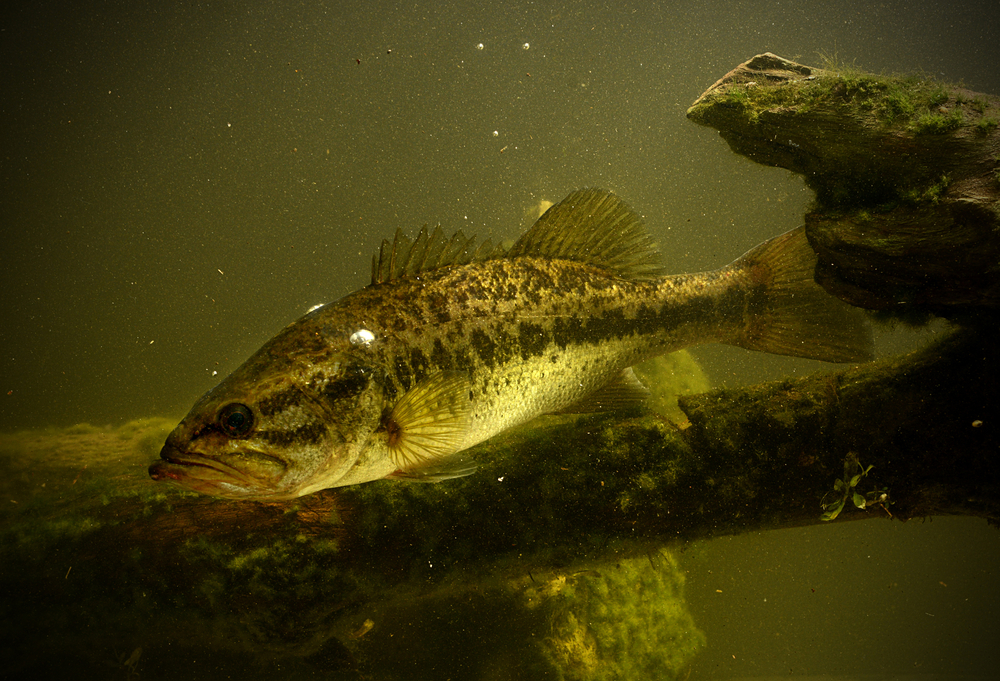
Largemouth bass have the cardiform teeth, vomerine teeth, and pharyngeal teeth described above. The teeth are small and uniform. Nothing stands out as sharp or pointed.
Smallmouth bass have the same tooth structure as largemouth bass, which is one of the few areas where smallmouth and largemouth bass are nearly identical despite their many differences in habitat, body shape, and fighting style. The teeth are no sharper despite the smallmouth's reputation as a harder-fighting fish, and if you handle both species regularly you will not feel a meaningful difference in their teeth.
Spotted bass also share the same tooth structure. Spotted bass are closely related to largemouth and smallmouth, and their mouths reflect that.
Striped bass have slightly different teeth than black bass species. The teeth are still small, but they tend to be slightly more pointed. Striped bass can scratch harder than largemouth, but they still will not cause serious injury during normal handling.
White bass and hybrid striped bass have teeth similar to striped bass. Expect a slightly rougher scratch than largemouth or smallmouth, but nothing dangerous.
Why Bass Have Teeth
Bass have teeth because they are predators that catch and swallow live prey. The teeth serve three main purposes.
Gripping prey. When a bass strikes a shad, bluegill, crawfish, or lure, the cardiform teeth hold the prey in place. The teeth are not for cutting. They are for preventing escape during the fraction of a second between the strike and the swallow.
Orienting prey. Bass almost always swallow their prey headfirst. The pattern prevents fins and spines from catching in the throat on the way down. The teeth and tongue work together to rotate prey into the correct position before swallowing.
Processing softer prey. The pharyngeal teeth deep in the throat crush and process softer food items as they move toward the digestive tract. These are the only bass teeth that do any real breakdown of food.
Bass do not chew. They do not shred. They catch, orient, and swallow whole. The tooth structure reflects that feeding strategy.
How to Lip-Grip a Bass Safely
Lip-gripping a bass is the standard way to land and handle the fish. The technique is safe and does not harm the bass when done correctly.
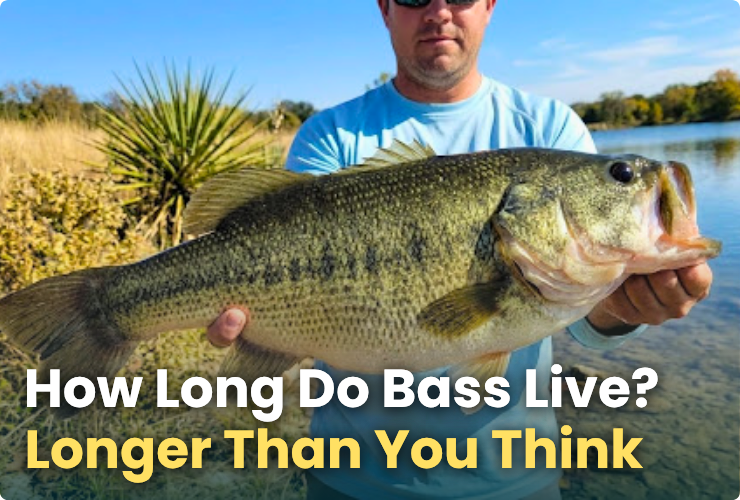
Standard lip grip: Place your thumb inside the bass's lower jaw and curl your index finger under the chin. The teeth will contact your thumb but will not cause real injury. Hold the bass vertically for small to medium fish or support the belly with your other hand for larger fish.
Why this works safely: The bass cannot generate significant jaw pressure in this position. The teeth are small enough that even if the bass bites down, the pressure is more like a firm pinch than an actual bite.
When to use mechanical lip grippers: For very large bass, mechanical lip grippers protect your thumb from repeated contact and let you handle the fish without touching the inside of the mouth. They also keep the fish in position for a cleaner photo.
Protecting the bass: Never hold a bass by the jaw at an angle that stretches or dislocates the jaw. Hold it straight down or support the body horizontally.
Can a Bass Bite Off Your Finger?
No, a bass cannot bite off your finger. The jaw structure, tooth type, and bite strength make this physically impossible.
Bass teeth are designed for gripping, not cutting. The teeth are too small and too uniform to tear through skin, let alone bone. The jaw itself does not generate enough closing force to crush or sever anything larger than small prey.
For comparison, fish that can cause real finger damage include northern pike (long canine teeth, strong jaws), muskellunge (same as pike but larger), bull sharks and other large saltwater species, and some tropical freshwater species like piranhas. None of these are bass.
The worst a bass will do to your finger is leave a scratch that stings for a few seconds and heals within a day.
Bass Teeth vs Other Freshwater Fish
Understanding how bass teeth compare to other freshwater species puts the safety question in perspective.
Northern pike have long, sharp canine teeth that can tear through skin and cause real injury. Pike handling requires gloves or jaw spreaders. Never put your bare hand inside a pike's mouth.
Muskellunge have teeth similar to pike. Even more care is required because muskie are larger and have longer teeth. Experienced muskie anglers always use jaw spreaders and heavy gloves.
Walleye have small but sharp canine teeth that can draw blood. Walleye teeth are more dangerous than bass teeth but much less dangerous than pike or muskie teeth. Many walleye anglers develop techniques to grip the fish behind the gill plates to avoid the teeth entirely.
Catfish have teeth similar to bass. Sandpaper-like pads inside the mouth. Not dangerous. The real risk with catfish is the sharp pectoral and dorsal spines, not the teeth.
Panfish (bluegill, crappie) have minimal teeth and are completely safe to handle.
Among all freshwater species anglers commonly catch, bass sit near the "safest to handle" end of the spectrum.
What to Do If a Bass Scratches You
Scratches from bass teeth are common and almost always harmless. The appropriate response is simple.
Rinse the scratch with clean water. Lake or river water is fine if that is what you have. Clean fresh water is better if you have it on the boat.
Let it air dry. Most bass scratches close up within minutes and heal within hours.
Watch for unusual signs. Standard scratches heal normally. If a scratch becomes red, swollen, warm, or painful hours later, that could indicate infection and warrants attention. Infection from bass scratches is rare but possible, especially if you have an existing open cut or compromised immune system.
For bass thumb (raw thumb from many catches): Rest the thumb. Rinse with clean water. Apply moisturizer if the skin feels particularly raw. The sensation goes away within a day or two.
Bass handling is one of the safest activities in angling. The teeth are more of a sensory experience than a safety concern.
Use the Bass Forecast App and Web App to know exactly when Bass are biting
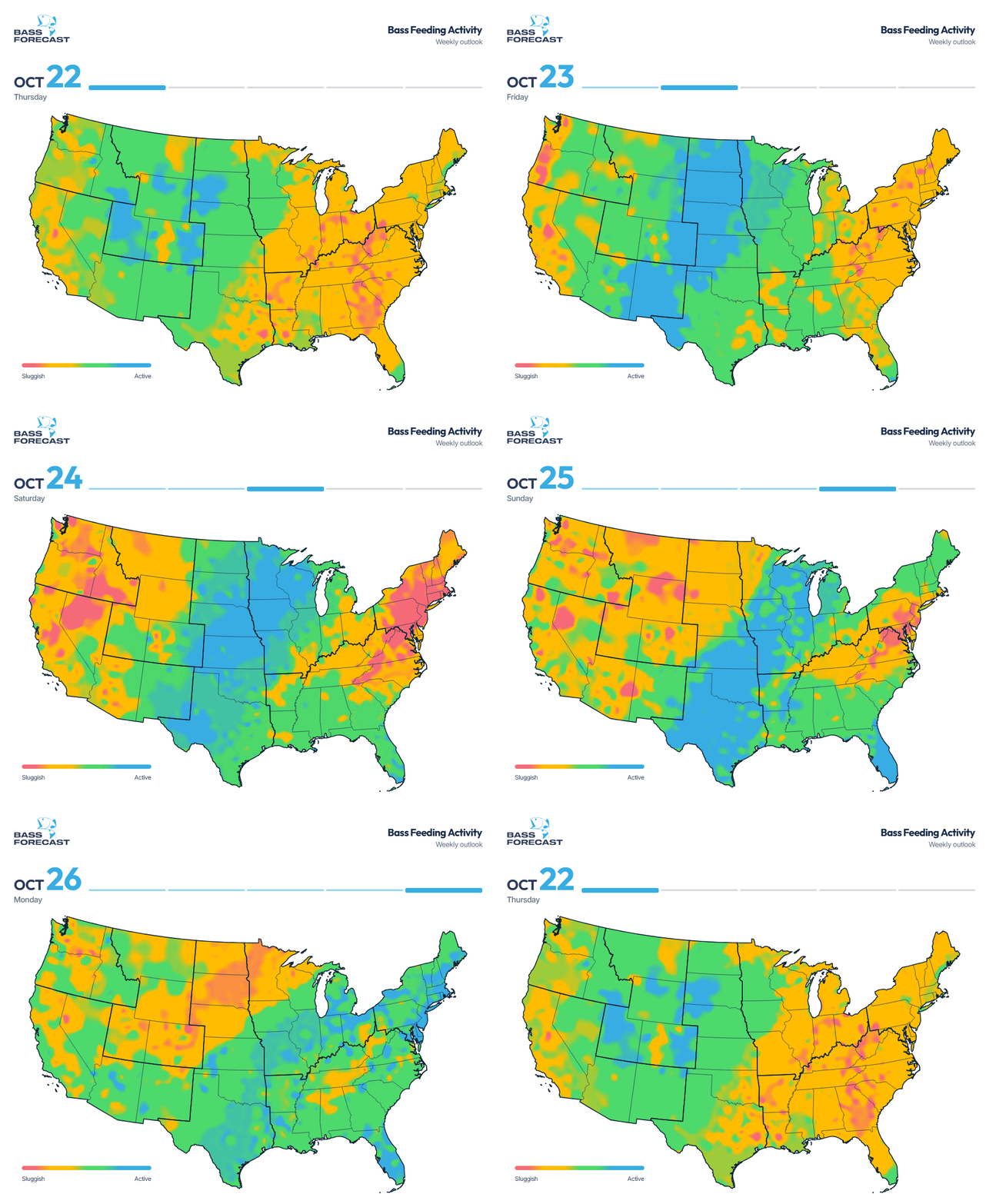
Now that you know bass are safe to handle, Bass Forecast helps you catch more of them to handle. The app tracks water temperature, barometric pressure, wind, and solunar timing for your exact location to show you when bass are most active.
Bass Forecast PRO users see the full 10-day forecast and bait recommendations tied to real conditions. Plan trips around the days bass are feeding and spend more time holding fish and less time wondering where they are.
Download Bass Forecast and spot the next active window on your water.
WHAT ANGLERS ASK ABOUT BASS TEETH
Common Questions About Bass Teeth and Handling (FAQ's)
Do bass have teeth?
Yes, bass have teeth. All bass species have small, bristle-like cardiform teeth lining their upper and lower jaws, plus vomerine teeth on the roof of the mouth and pharyngeal teeth deep in the throat. The teeth are not sharp like pike or muskie teeth. They feel like coarse sandpaper.
Can a bass bite you?
A bass can grip your finger with its teeth, but it cannot cause real injury. The teeth are too small and too uniform to tear skin. The jaw is not strong enough to cause damage. The worst you will experience is a mild scratch that heals within hours.
Can a bass bite off your finger?
No. Bass teeth and bass jaw strength make this physically impossible. Fish capable of causing serious finger injury include northern pike, muskellunge, and some saltwater species. Bass are not among them.
What do bass teeth look like?
Bass teeth look like a continuous velvety strip lining the upper and lower jaws. Up close, the strip is actually hundreds of tiny individual teeth packed tightly together. The teeth are white or cream colored and uniform in height.
Why do bass have teeth?
Bass have teeth to grip prey during the strike, orient prey headfirst for swallowing, and process softer food in the throat. Bass do not chew their food. They catch and swallow prey whole. The teeth exist to prevent escape, not to cut or tear.
Do largemouth bass have teeth?
Yes, largemouth bass have teeth. Cardiform teeth on both jaws, vomerine teeth on the roof of the mouth, and pharyngeal teeth in the throat. All of the teeth are small and bristle-like.
Do smallmouth bass have teeth?
Yes, smallmouth bass have teeth. The tooth structure is nearly identical to largemouth bass. Smallmouth are not more aggressive in a way that makes their teeth more dangerous.
Do striped bass have teeth?
Yes, striped bass have teeth. The teeth are slightly more pointed than black bass teeth, so striped bass can scratch harder when handled. The teeth are still not dangerous and will not cause serious injury.
How do you safely lip-grip a bass?
Place your thumb inside the lower jaw of the bass and curl your index finger under the chin. The teeth will contact your thumb but will not cause real injury. Hold small to medium bass vertically. Support the belly of larger bass with your other hand to prevent jaw stress.
What is bass thumb?
Bass thumb is the raw, tender feeling on your thumb after lip-gripping many bass in one day. It is caused by repeated contact between your thumb and the sandpaper-like cardiform teeth. The sensation is not an injury. It goes away within a day or two and is considered a sign of a good day of fishing.
Are bass teeth sharp?
Bass teeth are not sharp in the sense of being able to cut or tear. They are closely packed and bristle-like, with a texture similar to coarse sandpaper. The teeth can scratch skin but cannot slice through it.
Can bass teeth draw blood?
Bass teeth can occasionally draw small amounts of blood from a scratch, especially on thin skin or over repeated handling. Significant bleeding from a bass is extremely rare and would only happen with pre-existing cuts or very thin skin.