
How Long Do Bass Live? The Science of Bass Age, Growth, and Lifespan
Share this article with every angler you know!
How Long Do Bass Live?
The Science of Bass Age, Growth, and Lifespan
Most largemouth bass live 10 to 16 years in the wild. Some reach 20 years or more. A few documented bass have made it past 23.
That is longer than most anglers assume. The 5-pound bass you caught last weekend might be 7 years old. The 8-pound bass your buddy posted on social media is probably over a decade. The 10-pound trophy from a bucket list trip was likely swimming in that lake before you got your first fishing license.
Bass lifespan matters for more than curiosity. It affects how we think about catch and release, how trophy fisheries are managed, how northern and southern bass populations differ, and why fishing pressure on specific waters has long-term consequences.
This article covers how long bass actually live, how lifespan varies by species and region, how biologists measure bass age, and what the science means for your fishing.
Sign up to be notified of new bass fishing articles!
Get the Bass Fishing Playbook Every Week
How Long Do Largemouth Bass Live?
Largemouth bass typically live 10 to 16 years in the wild. The oldest documented largemouth bass have reached 23 years.
The range exists because largemouth bass lifespan varies significantly by region, water quality, forage availability, and fishing pressure. A largemouth in a cool northern lake with limited angling pressure can live substantially longer than a largemouth in a warm southern reservoir with heavy pressure.
The upper end of the lifespan range (18 to 23 years) is uncommon but documented. Minnesota and Wisconsin fisheries agencies have aged bass well past 20 years using otolith analysis. Northern latitudes consistently produce the oldest documented bass.
The lower end of the range (7 to 10 years) is typical for heavily pressured southern fisheries where bass grow fast and die younger.
How Long Do Smallmouth Bass Live?
Smallmouth bass typically live 10 to 15 years in the wild, with some reaching 20 years or more.
Smallmouth bass follow a similar lifespan range to largemouth but with slightly different regional variation. Northern smallmouth populations in the Great Lakes, Upper Midwest, and Canada regularly produce fish past 15 years. River smallmouth in cooler watersheds also tend toward the longer end of the range.
Southern smallmouth populations in Tennessee, Kentucky, and other mid-southern waters tend to live 10 to 12 years on average due to warmer water and higher metabolic rates.
The oldest documented smallmouth bass have reached 26 years in northern waters.
How Long Do Spotted Bass Live?
Spotted bass typically live 7 to 10 years, shorter than largemouth or smallmouth.
Spotted bass have the shortest lifespan among the three major bass species that anglers target. The reasons are tied to their native range (warmer southern waters), their faster metabolism, and their smaller maximum size.
Spotted bass that live past 10 years are uncommon but do exist in cooler reservoir systems and well-managed waters.
Why Northern Bass Live Longer Than Southern Bass
Water temperature drives the lifespan difference.
Cooler water slows a bass's metabolism. Slower metabolism means slower growth, longer lifespan, and generally larger maximum size over time. This is a consistent biological pattern across many fish species.
Warmer water accelerates metabolism. Faster metabolism means faster growth, shorter lifespan, and generally smaller maximum size as the fish reaches its potential faster and dies younger.
A largemouth bass in a Wisconsin natural lake might take 10 years to reach 20 inches. A largemouth bass in a Texas reservoir might reach 20 inches in 4 to 5 years. The Texas bass grew faster but will likely die younger.
This is why bass fisheries in Minnesota, Wisconsin, and Michigan produce fewer trophy bass but older trophy bass. And why Florida and Texas fisheries produce more trophy bass but at younger ages.
Neither pattern is better. They are different biological responses to different environmental conditions.
Are Older Bass Hungrier Right Now?
What Fall Means for Trophy-Age Fish
Older bass are not necessarily hungrier in fall. They just need more.
A 10-year-old bass has significantly higher absolute caloric needs than a 3-year-old. The older fish is larger, has more mass to maintain, and needs more fuel to sustain itself. In fall, that caloric demand collides with two biological realities that work in anglers' favor.
Water temperatures reset into the optimal feeding range. Summer heat forces bass into stress-conservation patterns where feeding compresses to short windows. As water drops into the mid 60s to mid 70s across most regions through fall, bass metabolism moves into the range where feeding becomes most efficient. Older bass that have been coasting through summer at low activity levels respond to this reset.
Pre-winter preparation drives sustained feeding across every age class. The pattern is well documented across regions and lake types. Older bass participate in this feeding window as aggressively as younger bass, often more so because of their higher caloric needs.
Individual variation still matters. Not every trophy-age bass feeds aggressively through fall. Pressure, water quality, forage availability, and specific weather patterns all affect individual fish behavior. Some older bass become increasingly selective and pattern-committed as they age, which can make them harder to catch even when actively feeding.
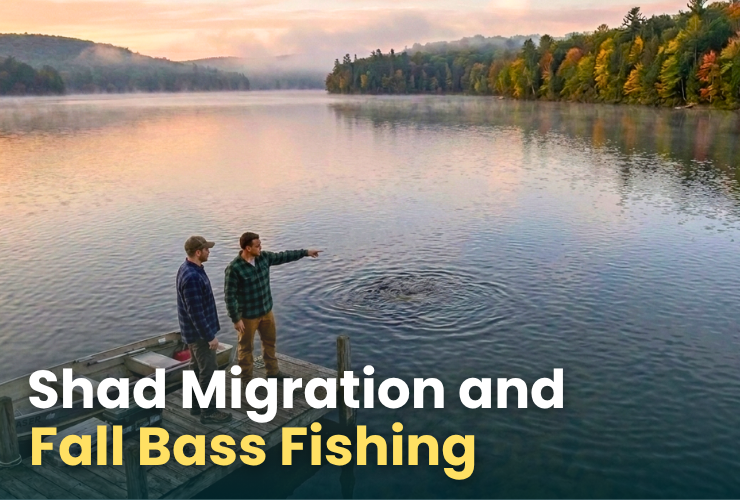
The practical observation across guide reports, tournament results, and recreational fishing data is that fall produces a disproportionate number of trophy catches. Late September through mid November consistently delivers more giant bass to the net than any other time of year across most of the United States. The feeding window extends longer than any other season. Older bass concentrate in specific zones where shad and other forage are abundant. Cooling patterns often trigger aggressive reaction bites that larger profile baits exploit effectively.
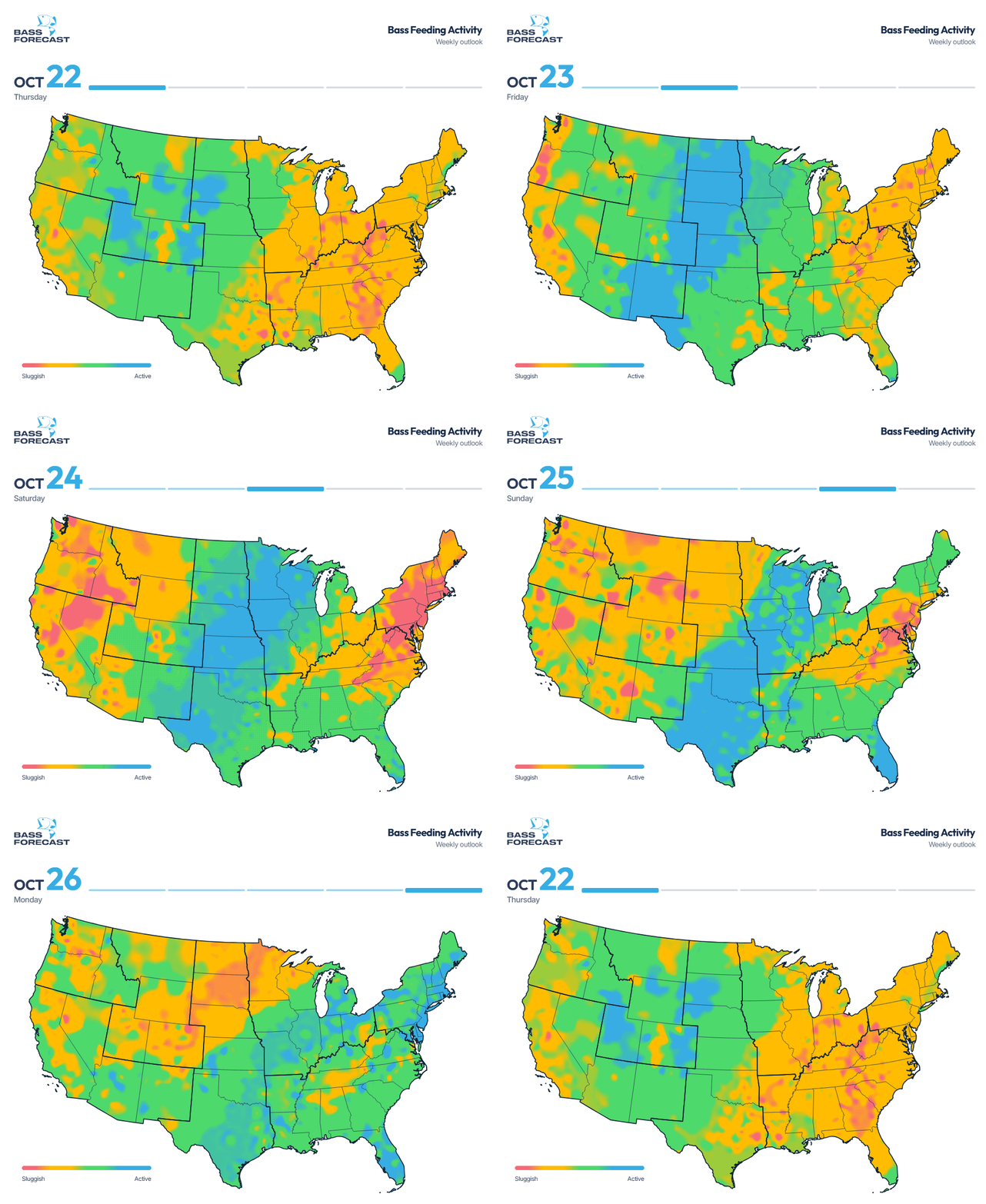
What this means right now depends on your region. Northern anglers are already in post-migration patterns where the biggest bass of the year concentrate on specific water. Mid-South anglers are entering the strongest feeding window of the fall. Southern anglers are still 2 to 4 weeks from peak but conditions are improving weekly.
Bass Forecast tracks trends and solunar timing that identify when the heaviest feeding windows hit on your specific water. The 10-day forecast on Bass Forecast PRO shows the pattern developing before it becomes obvious.
How Bass Grow Over Their Lifetime
Bass growth is fastest in the first few years of life and slows significantly after sexual maturity.
A typical largemouth bass growth curve in average conditions:
Year 1: 4 to 8 inches
Year 2: 7 to 11 inches
Year 3: 10 to 14 inches
Year 5: 14 to 18 inches
Year 7: 16 to 20 inches
Year 10: 18 to 22 inches
Year 15: 20 to 24 inches
Year 20+: 22 to 26+ inches
These ranges vary dramatically by region, water quality, and forage availability. Florida strain largemouth in a well-managed warm-water fishery can reach 20 inches in 4 years. Northern largemouth in a cool natural lake might take 8 to 10 years to reach the same size.
Female bass grow larger than males. Nearly all trophy bass over 8 pounds are female. Males typically max out at 4 to 5 pounds in most fisheries.
How Do Biologists Determine the Age of a Bass?
Fisheries biologists use two primary methods to age bass.
Scale analysis. Bass scales have growth rings called annuli. Each ring represents a growth period, similar to tree rings. Biologists examine scale samples under magnification and count annuli to estimate age. Scale analysis works well for younger bass but becomes less accurate as fish age.
Otolith analysis. Otoliths are small ear bones in a fish's skull. Like scales, otoliths have growth rings that correspond to age. Otolith analysis is more accurate than scale analysis for older bass because the rings remain clear and distinct throughout the fish's life. Otolith analysis requires sacrificing the fish, so it is used primarily by biologists for research and population management, not by anglers.
Length-weight relationships combined with regional growth data can also provide age estimates, though less precisely than scale or otolith analysis.
Why Trophy Bass Are Old Bass
The connection between bass age and trophy size has significant implications for fishing.
A 7-pound bass is almost always 7 or more years old. A 10-pound bass is almost always 10 or more years old. The world record largemouth, caught by George Perry in 1932 at 22 pounds 4 ounces, was estimated to be between 10 and 15 years old at the time of catch.
This means every trophy bass caught is a specimen that has survived for a decade or more. It has avoided natural predators, survived environmental challenges, and in most waters, avoided or survived previous catches by other anglers.
The ecological implication is that catch and release matters more than many anglers realize. A single trophy bass harvested from a fishery removes a decade of growth potential that cannot be quickly replaced. Lakes that produce consistent trophy bass are lakes where older bass have been protected over many years.
This is why many premier bass fisheries have slot limits, trophy regulations, or voluntary catch-and-release cultures. The science of bass lifespan is the reason.
What Affects How Long a Bass Lives?
Multiple factors influence individual bass lifespan.
Water temperature. Cooler water extends lifespan. Warmer water shortens it. This is the single biggest regional variable.
Water quality. Clean oxygenated water supports longer bass lives. Polluted or low-oxygen water reduces lifespan.
Forage availability. Consistent food supply supports healthy growth and longer life. Food scarcity or boom-bust forage cycles create physical stress.
Fishing pressure. Heavily pressured fisheries have lower average bass ages because fish are more likely to encounter angler-related stress or mortality. Even in catch-and-release fisheries, repeated catches add stress.
Catch and release mortality. A percentage of released bass die from handling stress, hook injury, or exhaustion. Studies estimate 10 to 35 percent catch-and-release mortality depending on water temperature, handling methods, and other factors. Hot water significantly increases mortality.
Natural predation. Larger predators including osprey, otters, alligators, and larger fish prey on bass, particularly younger smaller individuals.
Spawning stress. The spawning process itself is physically demanding. Repeated spawning cycles contribute to cumulative wear on the fish.
What Bass Lifespan Means for Anglers
Understanding how long bass live changes how you think about several aspects of fishing.
Trophy bass are decades of growth. The 8-pound bass you caught represents a decade or more of survival. Respect that in how you handle and release the fish.
Northern and southern fisheries behave differently. A trophy fishery in Minnesota operates on different timelines than one in Florida. Northern fisheries build trophies slowly over many years. Southern fisheries produce trophies faster but burn through them faster too.
Catch-and-release has long-term population effects. Fisheries managed with catch-and-release cultures produce larger average bass over time because older bass accumulate in the population. Fisheries without this culture rarely produce consistent trophies.
Hot weather handling matters. Bass caught and released in water above 80 degrees experience higher mortality. If you fish southern waters in summer, handle fish quickly and release them with care.
Fishing pressure compounds. A single catch does not reduce bass lifespan significantly. Hundreds of catches on the same water across years does. Spread pressure across waters when possible and respect regulations that protect older fish.
ABOUT BASS LIFESPAN AND AGE
Common Questions About How Long Bass Live (FAQ's)
Frequently Asked Questions
How long do bass live?
Largemouth bass typically live 10 to 16 years in the wild, with some reaching 20 years or more. Smallmouth bass live 10 to 15 years, sometimes longer. Spotted bass have shorter lifespans at 7 to 10 years. The oldest documented bass have reached 23 to 26 years in northern waters.
How long do largemouth bass live?
Largemouth bass typically live 10 to 16 years. The specific lifespan depends on region, water temperature, water quality, forage availability, and fishing pressure. Northern largemouth populations consistently live longer than southern populations due to cooler water and slower metabolism.
What is the oldest bass ever recorded?
The oldest documented largemouth bass have reached 23 years in northern waters including Minnesota and Wisconsin. The oldest documented smallmouth bass have reached 26 years. These are exceptional cases, not typical lifespans.
How can you tell the age of a bass?
Biologists age bass primarily through scale analysis and otolith analysis. Scales have growth rings called annuli that can be counted under magnification. Otoliths (ear bones) also have growth rings and provide more accurate age estimates for older fish. Length-to-weight ratios combined with regional growth data provide less precise age estimates without sacrificing the fish.
How big is a 10 year old bass?
A 10-year-old largemouth bass typically measures 18 to 22 inches, though this varies significantly by region. Northern largemouth may be slightly smaller at 10 years. Southern largemouth in warm productive waters can reach larger sizes at the same age. Florida strain largemouth often reach 20+ inches by age 8.
Why do northern bass live longer than southern bass?
Water temperature drives the difference. Cooler northern water slows bass metabolism, which extends lifespan but reduces growth rate. Warmer southern water accelerates metabolism, which increases growth rate but shortens lifespan. This is a consistent biological pattern across fish species.
Do bass stop growing?
Bass grow throughout their lives but growth slows significantly after sexual maturity (typically age 2 to 4). Older bass continue to grow slowly, which is why the largest bass are also usually among the oldest in the population. Growth never fully stops in healthy bass.
How long does it take to grow a trophy bass?
A trophy largemouth bass (typically defined as 8 pounds or larger) usually takes 8 to 12 years to grow in most waters. Florida strain largemouth in optimal conditions can reach trophy size faster. Northern largemouth require longer growth periods but can reach larger ultimate sizes.
Are big bass always old bass?
Yes. Almost without exception, trophy bass over 7 or 8 pounds are 7 or more years old. The world record largemouth was estimated to be 10 to 15 years old at catch. Bass genetics, environment, and food supply determine growth rate, but the biological reality of fish growth means significant size always correlates with significant age.
Does catch and release affect how long bass live?
Properly released bass typically survive and continue to live and grow. However, studies estimate 10 to 35 percent catch-and-release mortality depending on water temperature, handling methods, hook injury, and other factors. Hot water, deep hook sets, and extended fight times all increase mortality. Repeated catches on the same fish accumulate stress over time.
What is the lifespan of a female bass compared to a male?
Female bass typically live longer and grow larger than males. Nearly all trophy bass over 8 pounds are female. Male bass typically max out at 4 to 5 pounds in most fisheries. The lifespan difference is tied to the biological investment in reproduction and the differing growth patterns between sexes.
Use the Bass Forecast App and Web App
Bass Forecast tracks water temperature, oxygen conditions, and other variables that affect bass health across your specific water. Our app recommends baits and timing based on current conditions, which helps you fish more efficiently and reduce the number of catches needed to have a good day.
Bass Forecast PRO users get the full 10-day forecast with regional water temperature trends that affect bass behavior across the seasons.
Download Bass Forecast to fish smarter and release healthier bass.





.png)
.png)