
Smallmouth Bass Fishing in August: Peak Season Patterns and Baits
Share this article with every angler you know!
Smallmouth Bass Fishing in August: What Changes and How to Catch Them
You fish smallmouth water. You have been reading bass fishing content online and applying what you learned. The results have been inconsistent. Some trips produce. Others feel like the fish are on a different lake than the one you are fishing.
The problem is that most bass fishing content is written about largemouth. Smallmouth are a different species with different patterns, different forage, different habitat preferences, and different presentations that catch them. Applying largemouth tactics to smallmouth water works about half the time, which is exactly why your results have been inconsistent.
August is peak smallmouth season across the northern range. Great Lakes, Upper Midwest, Northeast, Ozark reservoirs, Pacific Northwest. Water temperatures are in the smallmouth sweet spot. Fish are actively feeding on peak forage patterns. If you fish smallmouth country, the next six weeks offer some of the best fishing of the entire year.
This article covers what makes smallmouth different, where they hold in August, how they feed, and what actually catches them right now.
Sign up to be notified of new bass fishing articles!
Bass Forecast Newsletters
What Makes Smallmouth Different From Largemouth
Frame these as species-level differences rather than absolute rules. Every lake has exceptions. But the pattern across smallmouth water is consistent enough to build a fishing strategy around.
Different Habitat Preferences
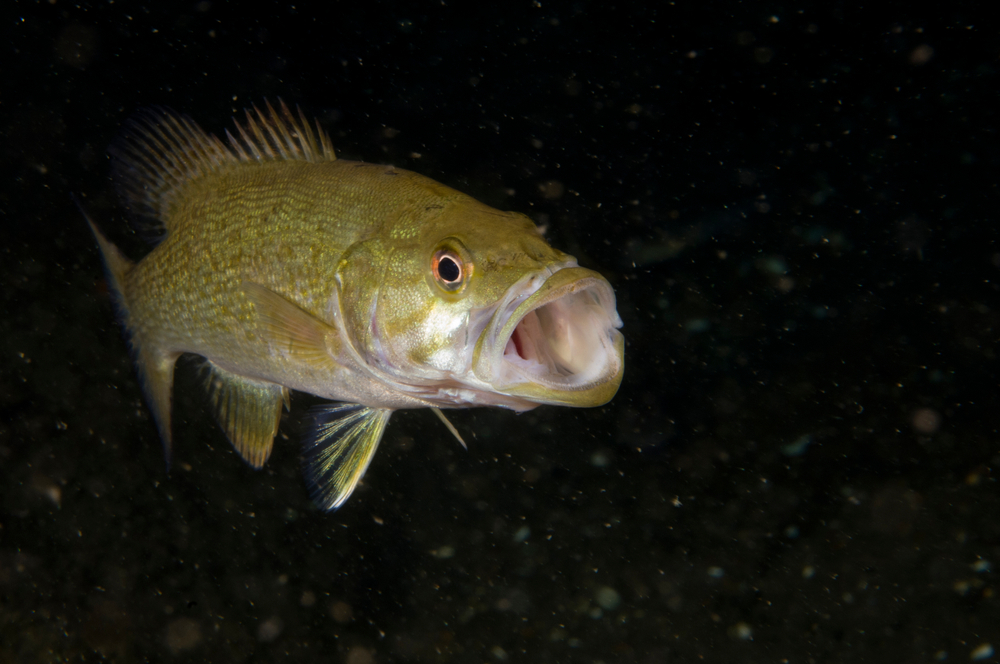
Smallmouth prefer rocky structure. Largemouth prefer vegetation. That single difference drives most of the tactical adjustments you need to make when switching between species.
Smallmouth relate to gravel and rock like largemouth relate to grass. Rocky main-lake points, offshore rock structure, gravel flats, boulder fields, and rocky shoreline transitions are the primary smallmouth habitat. Vegetation matters on some smallmouth waters but it is secondary to rock.
Cooler water is a smallmouth preference. Where largemouth thrive in the low 80s and can handle low 90s, smallmouth prefer 65 to 75 degrees and get uncomfortable above 80. This is why the Great Lakes, northern natural lakes, and cool-water reservoirs are the strongest smallmouth waters in America.
Current is a smallmouth advantage. Rivers, tailrace areas, and lakes with significant current sources hold smallmouth exceptionally well. Largemouth tolerate current but do not seek it. Smallmouth actively hunt current seams.
Different Forage Patterns
Smallmouth eat crayfish and baitfish above almost everything else. Largemouth eat crayfish and baitfish too, but they also readily eat frogs, bluegill, small bass, and larger prey items that smallmouth generally ignore.
The practical impact of this is bait selection. Crawfish-imitating tubes, Ned rigs, jigs, and finesse worms produce on smallmouth. Frog imitations produce less consistently. Small paddle tail swimbaits matching shad or emerald shiners produce on smallmouth. Large swimbaits and glide baits designed to imitate bluegill produce less consistently.
Different Fighting Behavior
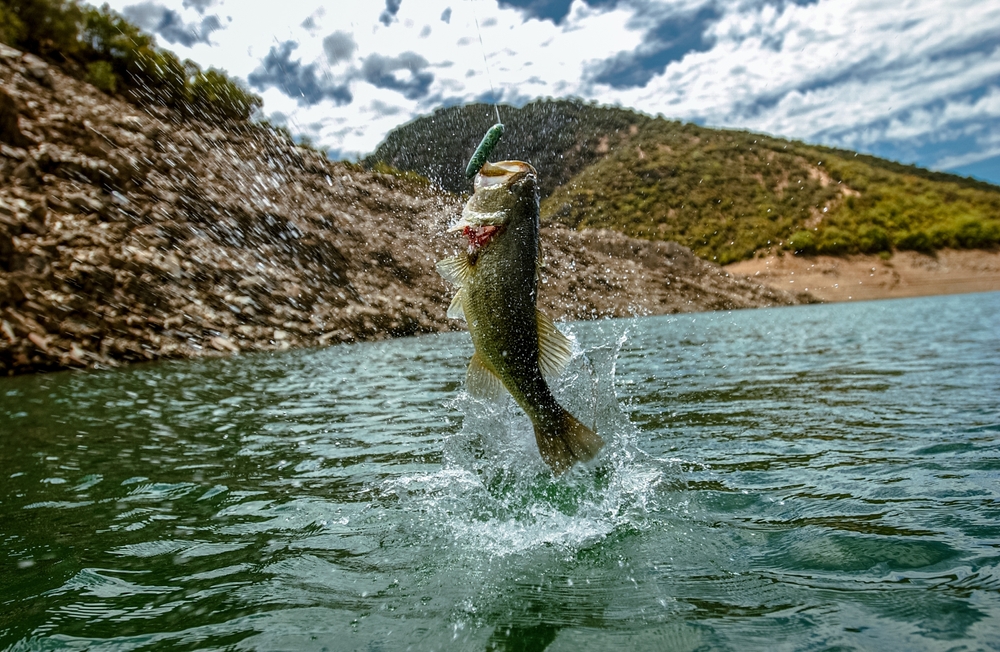
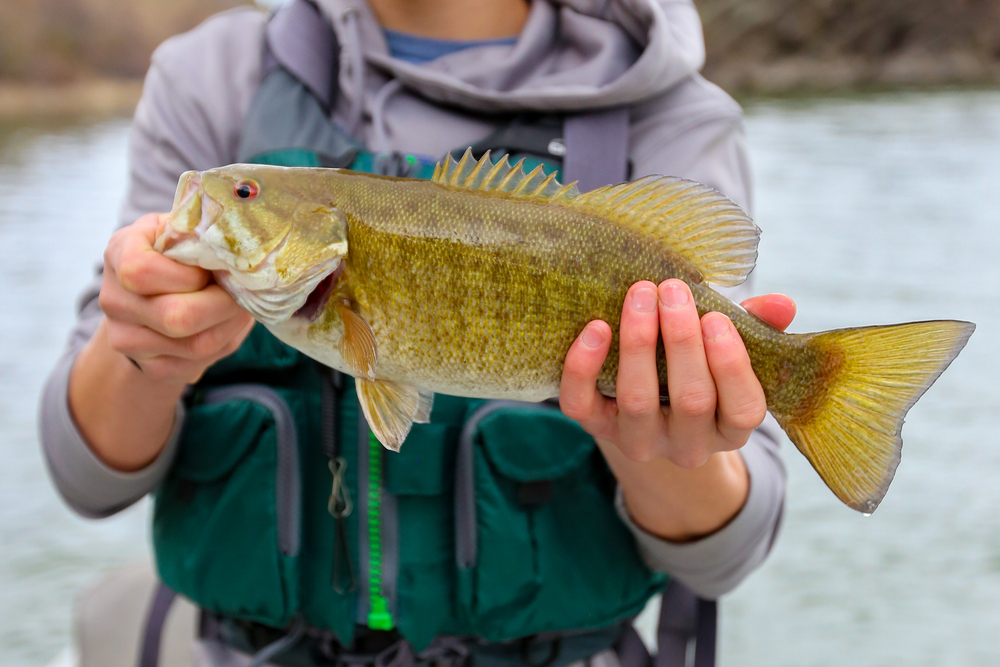
Smallmouth fight harder than largemouth pound for pound. That is a widely reported observation across anglers who fish both species. Smallmouth jump repeatedly on the hookset, make sustained runs, and often refuse to quit until they are boatside or in the net.
The practical impact is tackle. You need lighter line and more sensitive rods to detect finesse bites, but you also need enough backbone to fight a smallmouth that is trying to break every knot in your setup. It is a different tackle balance than largemouth fishing.
Different Tackle Requirements
Lighter line. Longer rods for finesse. Smaller hooks. Faster reels. Different overall setup than the heavy tackle that dominates largemouth fishing.
The typical smallmouth angler carries medium-light spinning rods in the 7 to 7'2" range for finesse fishing, 6 to 10 pound fluorocarbon or braid with fluorocarbon leader, and hooks in the size 1 to 2/0 range for drop shot, Ned rig, and small swimbait applications. Compare that to the medium-heavy baitcasting setup with 20 pound fluorocarbon that a largemouth angler might use for a Texas rig, and the tackle philosophy difference is clear.
Where Smallmouth Hold in August
August smallmouth patterns are specific and predictable across the northern range. Water temperatures are in the target range. Fish have settled into summer holding water and are actively feeding.
Rocky Main-Lake Points and Drop-Offs
The most consistent smallmouth structure across every water type. Points that extend from the shoreline into deeper water with rocky composition hold smallmouth reliably from spring through fall. In August, look for points that offer both depth access and adjacent flats where smallmouth can move up to feed.
The transition zones where the point drops into deeper water are the specific holding zones. Fish position on the deeper edge and move up onto the point to feed during productive windows.
Offshore Rock Structure
Humps, saddles, isolated rock piles, and reefs in open water hold concentrated smallmouth populations during summer. This is where electronics become the difference between finding fish and casting empty water. Smallmouth on offshore rock stack in groups and the group can be twenty feet away from the exact structure feature you need to find.
Great Lakes anglers, Ozark reservoir anglers, and northern natural lake anglers all fish offshore rock during August. The specific depth varies by water body. Great Lakes smallmouth might hold in 18 to 30 feet. Ozark reservoir smallmouth might hold in 20 to 35 feet. Natural lake smallmouth might hold in 15 to 22 feet. The pattern is the same across water types. Find the offshore rock, mark the fish, and work them methodically.
Current Seams and River Systems
Smallmouth thrive in current. Rivers and current-influenced sections of larger lakes hold smallmouth throughout August because current maintains cooler water temperatures and delivers concentrated food.
The specific holding water is the seam between current and slack water. Smallmouth position in the slack water and dart into the current to feed. Look for eddies behind boulders, current breaks below dams, and channel edges where fast water meets slow water.
Deep Grass Edges and Transitions
On natural lakes with significant grass, smallmouth hold along the outside edge of the grass where it drops into deeper water. The grass produces baitfish and the deeper water provides thermal refuge. Smallmouth work the edge back and forth.
This pattern is less common than the rock-oriented patterns but produces exceptionally well on the right waters. Northern natural lakes in Minnesota, Wisconsin, and Michigan with mixed rock and vegetation offer this pattern reliably.
The Thermocline Factor on Deep Lakes
On lakes deep enough to develop thermal stratification, the thermocline defines summer smallmouth positioning. Fish hold at or just above the thermocline depth where temperature and oxygen levels are optimal.
Locating the thermocline depth on your specific water is one of the highest-value pieces of information you can have for summer smallmouth fishing. Most sonar units can identify it clearly. Once you know the depth, target structure at or just above that depth range and ignore everything below it.
How Smallmouth Feed in August
Frame as observed pattern with regional variation. Different lakes have different peak windows and the specifics adjust to local conditions.
The Morning Schooling Window
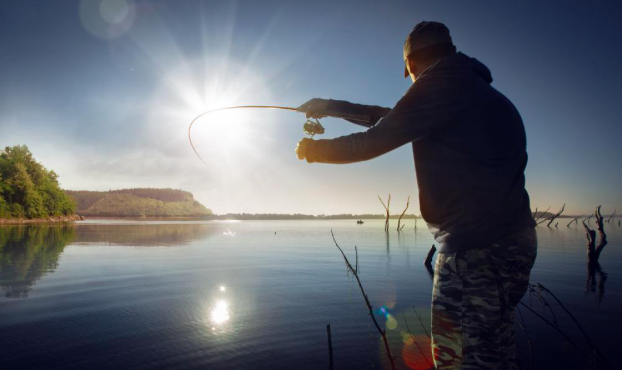
The first two hours of light produce the most aggressive smallmouth feeding activity on most waters. Smallmouth push onto rocky flats and shallow points to feed on baitfish and crawfish. Topwater walking baits and small swimbaits produce during this window across every water type.
The window compresses in extreme heat and lengthens in cooler conditions. On a cool August morning with air temperatures in the 60s, the window can extend to three or four hours. On a hot morning with air temperatures already in the 80s at sunrise, the window may close in ninety minutes.
The Offshore Midday Holding Pattern
By mid-morning, smallmouth push back to offshore structure at or above the thermocline. Drop shot rigs, tube baits, and Ned rigs on offshore rock produce the midday fish. The presentation slows significantly compared to morning topwater. Bass are not moving to eat during midday. They are eating what comes into their strike zone.
The most common tactical error is trying to fish midday smallmouth with the same aggressive presentations that worked at dawn. Slow down. Fish the same structure repeatedly. Give the bait time to sit in the strike zone.
The Evening Surface Window
The last hour of daylight opens a second surface window as smallmouth push back onto rocky flats to feed. This window is shorter and less reliable than the morning window but produces some of the largest fish of the day when it hits.
Some waters produce night fishing after the surface window closes. Rocky shorelines with immediate depth access produce night smallmouth on hollow body frogs, dark colored jigs, and spinnerbaits worked slowly. Not every smallmouth water fishes well at night but the ones that do offer exceptional fishing during peak heat weeks.
Post-Front Adjustments
Smallmouth handle cold fronts differently than largemouth. Where largemouth often go negative for 24 to 48 hours after a front, smallmouth adjust faster and may fish well within 12 to 24 hours of the front passing. The key is that smallmouth relocate rather than shut down.
After a front, smallmouth often push tighter to structure and deeper than they were pre-front. Fish that were on 15-foot rock might move to 22-foot rock. The bite tightens up and becomes more finesse-oriented, but the fish keep feeding. Do not skip a smallmouth trip because a front passed through. Adjust depth and presentation and keep fishing.
The Best Baits for August Smallmouth
Named products across the primary smallmouth categories. Match the bait to the water type, depth, and window you are fishing.
Drop Shot Rigs
The most productive smallmouth technique across every water type. A finesse worm suspended above a small weight, worked slowly at the depth where fish are holding.
Roboworm Straight Tail Worm in Morning Dawn, Aaron's Magic, or Oxblood Light. Six-inch length for most applications. Nose-hook on a size 1 or 1/0 Owner Mosquito Light hook. Tungsten drop shot weight in 1/8 to 3/8 ounce depending on depth and wind.
Work the drop shot vertically over marked fish, or cast it and drag it along offshore rock. The bait should stay elevated above the weight and quiver in place with subtle rod movement.
Ned Rigs
The everyman smallmouth technique. Small, simple, and productive across every water type.
Z-Man Finesse TRD in Green Pumpkin, Coppertreuse, or Bama Craw on a Z-Man ShroomZ jig head. Weight selection depends on depth. 1/10 ounce for shallow, 1/6 ounce for medium depth, 1/4 ounce for deeper water.
Drag the Ned rig slowly across rocky bottom with occasional hops and pauses. The buoyant ElaZtech material stands the tail up off the bottom, which is a visual smallmouth cannot ignore. Ned rigs produce when nothing else does.
Tube Baits
The classic smallmouth bait. Still one of the most productive techniques on rock structure.
Strike King Coffee Tube in green pumpkin or brown craw pattern. Berkley PowerBait Tubes in smoke or watermelon. Rig on an internal jig head sized to match depth. Bounce the tube along rocky bottom with short hops. The tube skirt flares on the drop and pulses on the pause, imitating crayfish behavior.
Small Swimbaits
The reaction bait category for smallmouth. Small paddle tail swimbaits imitate baitfish that smallmouth key on across every water type.
Keitech Swing Impact in 2.8 or 3.3 inch sizes. Colors include green pumpkin shad, hot minnow, and pro blue. Rig on an appropriate jig head sized to depth. Steady retrieve or vary with occasional pauses. Vary retrieve speed to find what smallmouth want on a given day.
Topwater Walking Baits
The dawn and dusk category. Smallmouth on rocky flats commit aggressively to walking baits during low light windows.
Heddon Zara Spook Jr in bone or chrome patterns. Smaller than the standard Zara Spook and matched to the size of forage smallmouth are eating. The Berkley Choppo in bone shad or table rock shad produces on smallmouth that ignore walking baits. Sustained surface noise triggers strikes from a distance.
Jerkbaits
Transition light producer. Cloudy days, dawn and dusk windows, post-front conditions all reward jerkbait presentations.
Rapala Shadow Rap in ghost or perch patterns. Berkley Stunna in ayu or threadfin shad. MegaBass Vision 110 in French Pearl or Wagin Onegi for premium jerkbait applications. Twitch-twitch-pause cadence. Vary the pause length to find what smallmouth want.
Deep Crankbaits
The offshore reaction bait for hard-bottom smallmouth. Bang the bait off rock and let the deflection trigger reaction bites.
Strike King 6XD for 15 to 18 foot depths. Strike King 8XD for deeper applications. Colors include citrus shad, sexy shad, and chartreuse craw. Long cast, aggressive retrieve to get the bait to depth, then slower retrieve through the strike zone with contact against rock structure.
How to Fish Specific Water Types for Smallmouth
Different water types produce different smallmouth patterns. Match your approach to the water.
Great Lakes Shallow Rock
Lake Erie, Lake Champlain, Lake St. Clair, Lake Ontario, and the St. Lawrence River lead this category. Rocky flats in 8 to 20 feet of water hold concentrated smallmouth populations throughout August.
Drop shot fishing dominates the pattern. Tube baits work exceptionally well on the rocky flats. Small swimbaits produce during transition light windows. Topwater walking baits produce during the dawn and dusk windows on the shallowest rocky flats.
Great Lakes anglers use electronics heavily. Marking fish and positioning over them is standard practice. Wind and wave management is a real factor on Erie, Ontario, and Champlain during August weather patterns.
Highland Reservoirs
Table Rock, Bull Shoals, Norfork, Center Hill, and similar highland reservoirs across the Ozarks and Tennessee River system offer strong smallmouth fishing during August. Deep offshore rock in 20 to 35 feet of water holds the summer populations.
Deep crankbaits and drop shots dominate the midday pattern. Topwater during the dawn window on rocky main-lake points. Football jigs on the deepest rock structure. This is the pattern that most closely mirrors offshore largemouth fishing but with different bait selection.
Northern Natural Lakes
Minnesota, Wisconsin, and Michigan natural lakes offer some of the most productive smallmouth fishing in America during August. Rocky shorelines, mid-lake humps, and grass edges all hold fish depending on the specific water body.
The variety is what makes northern natural lakes special. You can fish topwater on rocky flats, drop shot on offshore humps, and Ned rig along grass edges all on the same day on the same lake. Multiple productive patterns coexist.
Rivers and Current Systems
The Susquehanna, upper Mississippi, St. Lawrence, Columbia, and Snake River systems all offer exceptional river smallmouth fishing during August. Current maintains water temperatures in the smallmouth range even during heat waves and delivers concentrated forage.
River smallmouth fishing centers on current seams and eddies. Tubes, Ned rigs, and small swimbaits produce reliably. Topwater during dawn and dusk on slower sections. The pattern is less about finding structure and more about reading current.
Small Clear-Water Fisheries
Small lakes and reservoirs with clear water produce excellent smallmouth fishing during August but require finesse presentations. Water clarity that lets fish see everything means downsized baits, lighter line, and slower presentations produce more consistently than aggressive tactics.
Drop shots with smaller finesse worms. Ned rigs with natural colors. Small tubes. Topwater only during the darkest windows of dawn and dusk. These are the waters where anglers who fish light tackle out-produce anglers who bring bass boat setups.
Regional Smallmouth Fishing Right Now
Regional breakdown for August 2026.
Great Lakes and Northeast. Peak season. Lake Champlain hosting the Bassmaster Elite this week is not a coincidence. Water temperatures are in the smallmouth sweet spot. Rocky flats producing on drop shots and tubes. Deeper humps producing on drop shots and Ned rigs. Topwater during the dawn window. If you can fish Lake Erie, Lake St. Clair, Lake Champlain, Lake Ontario, or the St. Lawrence River in the next four weeks, this is the window.
Upper Midwest Natural Lakes. Peak season with less pressure than the Great Lakes. Northern Minnesota, Wisconsin, and Michigan natural lakes are fishing exceptionally right now. Multiple patterns work on the same water. Less angler traffic than tournament-caliber Great Lakes waters means smallmouth respond to a wider range of presentations.
Mid-Atlantic and Appalachian Rivers. Strong window through August. Susquehanna, Delaware, and Potomac systems produce river smallmouth reliably. Current-focused fishing. Tubes and Ned rigs on current seams. Topwater during low light on slower sections.
Ozark and Highland Reservoirs. Deep offshore rock patterns dominating. Table Rock, Bull Shoals, and Norfork producing on deep crankbaits, drop shots, and football jigs. Fish are in summer holding water and staying there. Electronics-heavy pattern.
Pacific Northwest. Columbia River system and smaller waters producing strong smallmouth. Elevation dependent for higher elevation lakes. Lower elevation waters in full summer pattern. The John Day River, Snake River, and Columbia produce exceptional river smallmouth during August.
The Smallmouth Versus Largemouth Tackle Rotation
For anglers who fish both species. What changes when you switch on the same trip.
Line goes lighter. From 15 or 20 pound fluorocarbon on largemouth to 6 or 10 pound fluorocarbon or braid with fluorocarbon leader on smallmouth. Smallmouth in clear water spook off heavier line.
Rods get more sensitive. Medium-heavy baitcasting for largemouth power fishing shifts to medium-light spinning for smallmouth finesse fishing. The rod needs to detect subtle bites and telegraph the shake of a drop shot or Ned rig.
Hooks get smaller. Size 3/0 or 4/0 EWG hooks for largemouth Texas rigs shift to size 1 or 2/0 finesse hooks for smallmouth drop shot and Ned applications.
Bait size shifts down. Large creature baits, ribbon-tail worms, and full-size soft plastics shift to compact worms, small tubes, and 2.8 to 3.3 inch swimbaits.
What stays the same. Focus on structure. Attention to conditions. Reading the productive windows. Fundamental bass fishing skills transfer between species.
Angler-Type Breakdown
Bank Anglers
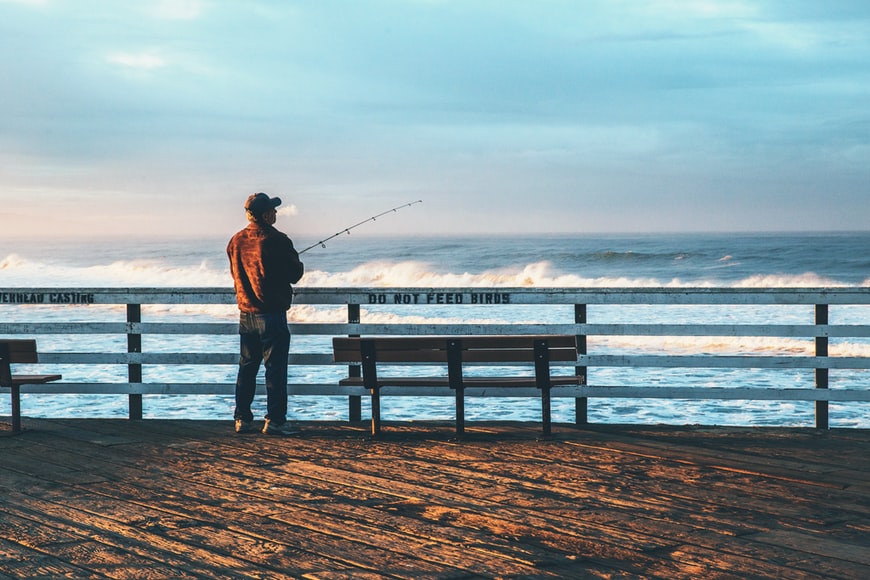
Smallmouth are exceptionally bank-accessible during August. Rocky shorelines that hold smallmouth are often the same shorelines anglers can reach from shore. Bridge pilings, riprap, rocky points extending from shore, and shoreline transitions all produce smallmouth from the bank.
A drop shot rig or Ned rig fished from the bank on a rocky shoreline produces smallmouth reliably during August. Cast parallel to the shoreline rather than perpendicular. Work the bait slowly along the rocks. Move down the shore every dozen casts.
Kayak Anglers
Peak kayak season on smallmouth water. Kayaks reach the offshore rock structure and current seams that produce smallmouth without the traffic and noise of bass boats. Great Lakes kayak anglers, Upper Midwest natural lake anglers, and river kayak anglers all benefit from August timing.
Bring electronics if possible. Marking offshore rock structure and returning to specific spots is what separates productive kayak smallmouth fishing from casting empty water. Wear a PFD and check wind forecasts before launching, particularly on Great Lakes waters.
Boat Anglers
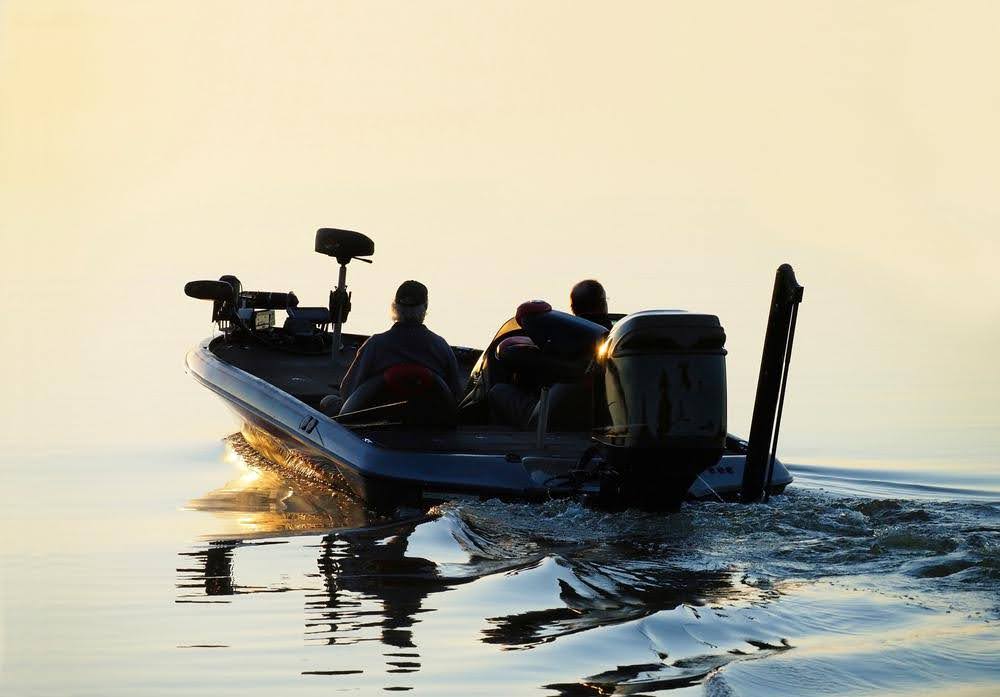
Electronics-heavy August pattern. Find the offshore rock, mark the fish, position over them, and work them methodically. Great Lakes anglers with quality electronics identify smallmouth on humps and reefs from a distance and fish them systematically.
Range is the boat angler advantage. Cover multiple offshore structures on the same trip. Move from one hump to another. Fish rocky flats during low light windows and offshore structure during midday. The boat angler who works the pattern on multiple locations on the same day catches significantly more smallmouth than the angler who commits to a single spot.
Frequently Asked Questions (FAQs)
Where do smallmouth bass live in August?
Rocky main-lake points and drop-offs, offshore rock structure like humps and saddles, current seams on river systems, and deep grass edges on natural lakes. On deep lakes with a thermocline, smallmouth typically hold at or just above the thermocline depth. In the northern range including the Great Lakes and Upper Midwest, August is peak smallmouth season and fish are actively feeding across all of these structure types.
What is the best bait for smallmouth bass in August?
Drop shot rigs with Roboworm Straight Tail worms, Ned rigs with Z-Man Finesse TRD, tube baits, small swimbaits like Keitech Swing Impact 2.8 or 3.3, and topwater walking baits like the Heddon Zara Spook Jr during dawn and dusk windows. Jerkbaits produce during transition light conditions. The specific bait depends on the water type, depth, and forage base on your specific lake.
How is smallmouth fishing different from largemouth fishing?
Smallmouth prefer rocky structure and cooler water. Largemouth prefer vegetation and warmer water. Smallmouth feed heavily on crayfish and baitfish. Largemouth eat those but also frogs, bluegill, and larger prey. Smallmouth respond well to finesse presentations. Largemouth reward faster reaction baits and heavy cover techniques. Anglers who fish both species carry different tackle rotations and adjust presentations for each.
Where are the best smallmouth lakes in the United States?
Lake Erie, Lake St. Clair, Lake Champlain, Lake Ontario, and the St. Lawrence River lead the Great Lakes and Northeast. Table Rock, Bull Shoals, Norfork, and Center Hill lead the Ozark and highland reservoir waters. Northern natural lakes in Minnesota, Wisconsin, and Michigan offer exceptional smallmouth fishing. The Susquehanna River, upper Mississippi River, and Columbia River system offer river smallmouth fishing.
When is peak smallmouth season?
Peak season varies by region. In the northern range including the Great Lakes and Upper Midwest, peak season is July through September with August often the strongest month. In southern smallmouth waters like the Ozark reservoirs and Tennessee River tributaries, peak season is spring and fall with a summer offshore pattern in between.
Do smallmouth bass fight harder than largemouth?
Most anglers who catch both species regularly consider smallmouth pound-for-pound the harder fighter. Smallmouth jump repeatedly, make sustained runs, and often refuse to quit until they are boatside. Largemouth fight with initial power but tend to give up faster than an equivalent-size smallmouth. This is a common observation across anglers rather than a rigid biological rule.
What tackle do I need for smallmouth bass?
Lighter tackle than largemouth in most applications. Medium-light to medium power spinning rods for drop shot and Ned rig fishing. 6 to 10 pound test fluorocarbon or braided line with a fluorocarbon leader. Smaller hooks in the size 1 to 2/0 range for finesse presentations. A medium power baitcasting setup with 10 to 15 pound test for jerkbait, topwater, and moving bait applications.
What water temperature is best for smallmouth bass?
Smallmouth prefer cooler water than largemouth. The sweet spot is typically 65 to 75 degrees. Water above 80 degrees pushes smallmouth to deeper cooler water or into current sources where oxygen levels stay elevated. Water below 60 degrees slows smallmouth metabolism significantly, though winter smallmouth fishing still produces on the right techniques in the southern range.
Can I catch smallmouth from the bank?
Yes. Rocky shorelines, bridge pilings, riprap, and rocky points extending from shore all produce smallmouth reliably during August. A drop shot rig or Ned rig fished parallel to the shoreline along rocky bottom is the most productive bank technique. Work the bait slowly and move down the shore between casts.
Do smallmouth bite at night? Yes, on the right waters. Rocky shorelines with immediate depth access, lighted bridges and docks, and current-influenced areas produce smallmouth after dark. Not every smallmouth water fishes well at night, but the ones that do offer exceptional fishing during peak heat weeks. Dark colored spinnerbaits, jigs, and hollow body frogs are the standard night smallmouth baits.
Use the Bass Forecast App and Web App
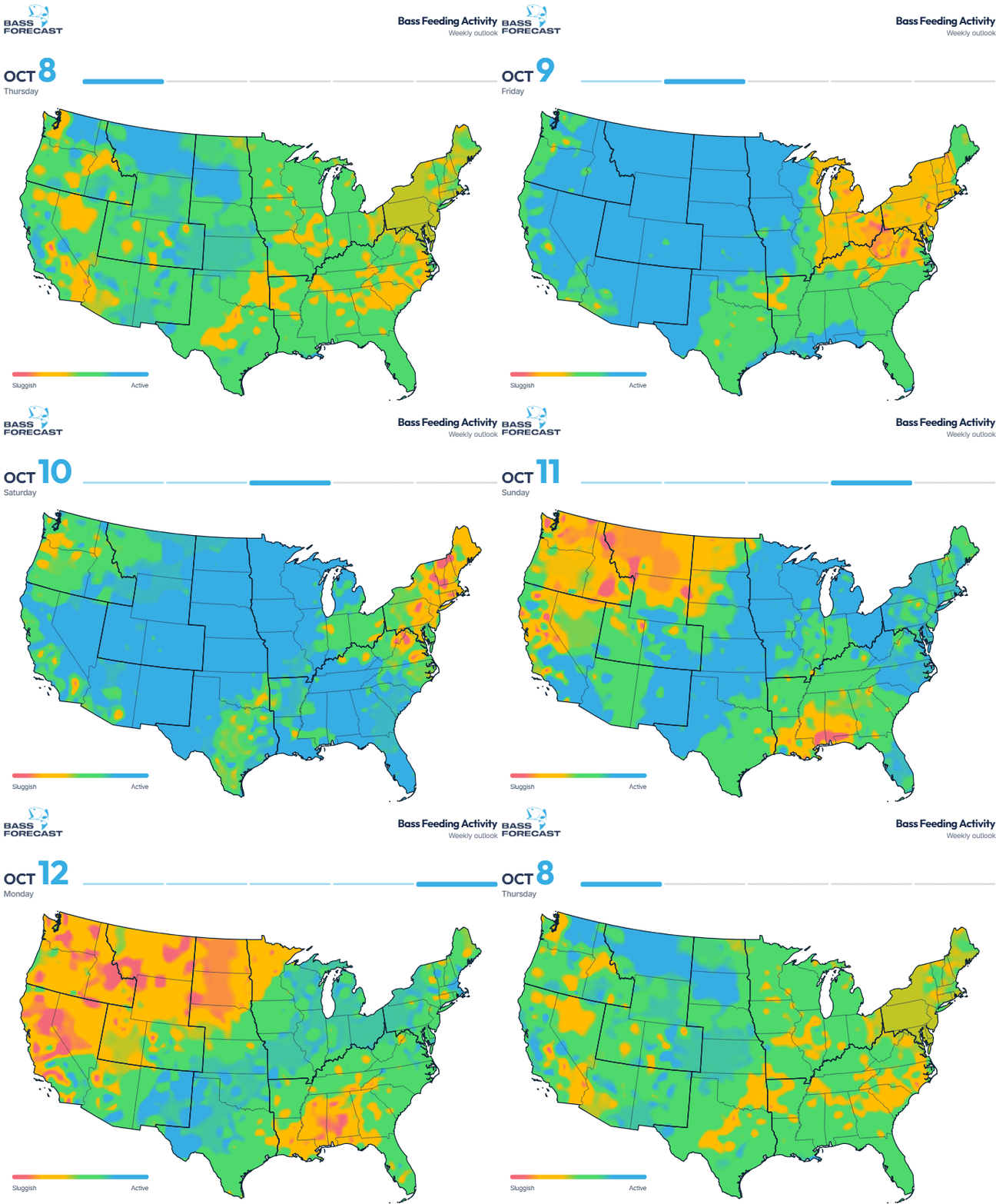
Smallmouth fishing rewards anglers who understand the conditions that drive their behavior. Bass Forecast tracks water temperature, barometric pressure trends, wind direction, and solunar timing for your exact location. Great Lakes conditions change fast and smallmouth respond to those changes. Check tomorrow's forecast before you commit to the trip.
Bass Forecast also recommends baits from 22 categories based on your current water conditions, including the drop shot, Ned rig, and topwater categories that dominate smallmouth fishing.
Download Bass Forecast to plan smarter smallmouth trips this August.



-1739275914.jpg)
.jpg)
.jpg)
.png)
.png)