
The Bass Spawn Explained: Stages, Behavior, and How to Find Fish All Spring
Share this bass fishing article with every angler you know!
What is the Spring Bass Spawn?
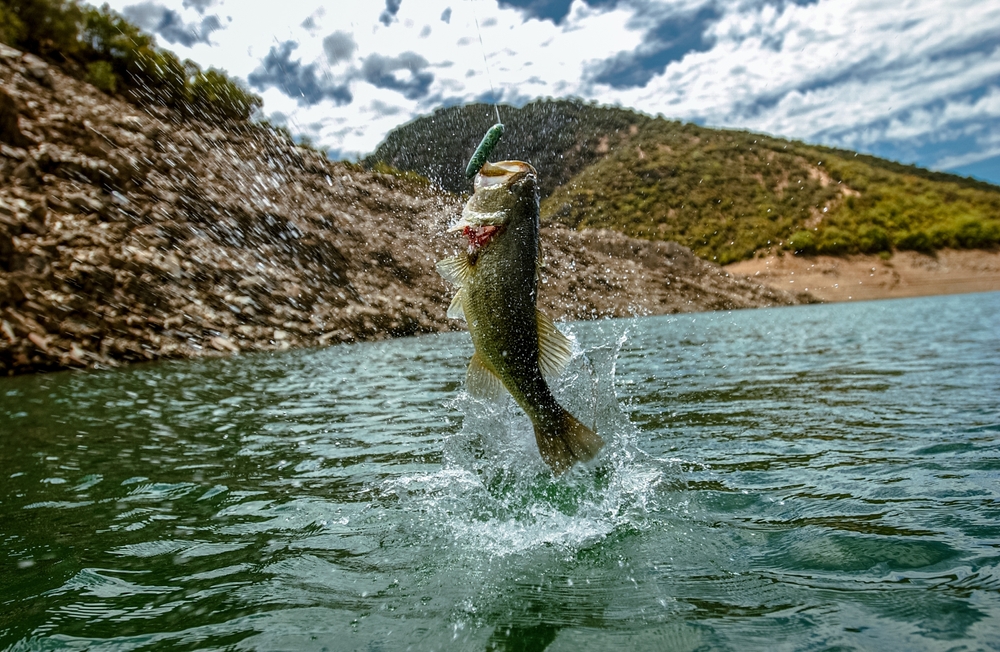
Every spring, largemouth bass go through one of the most predictable and exploitable behavioral events in freshwater fishing. The spawn is a three-phase seasonal cycle driven by water temperature, photoperiod (day length), and instinct older than your grandfather's tackle box. Understanding each phase gives you a legitimate edge over every angler who's still just "chucking and winding."
Sign up to be notified of new bass fishing articles, tips and tricks!
Get the Bass Fishing Playbook Every Week
The Three Phases of the Bass Spawn
Phase 1: Pre-Spawn (Water Temps 48°–62°F)
This is the feeding frenzy before the main event. As water temperatures climb out of winter lows, bass move from deep wintering structure toward shallower staging areas: secondary points, channel swings near flats, and submerged creek arms.
The science: Bass are cold-blooded, meaning their metabolism is governed by water temperature. As temps rise, their metabolic rate increases and they need to eat more to fuel the energy demands of reproduction. Translation: they're aggressive, they're hungry, and they're not playing games.
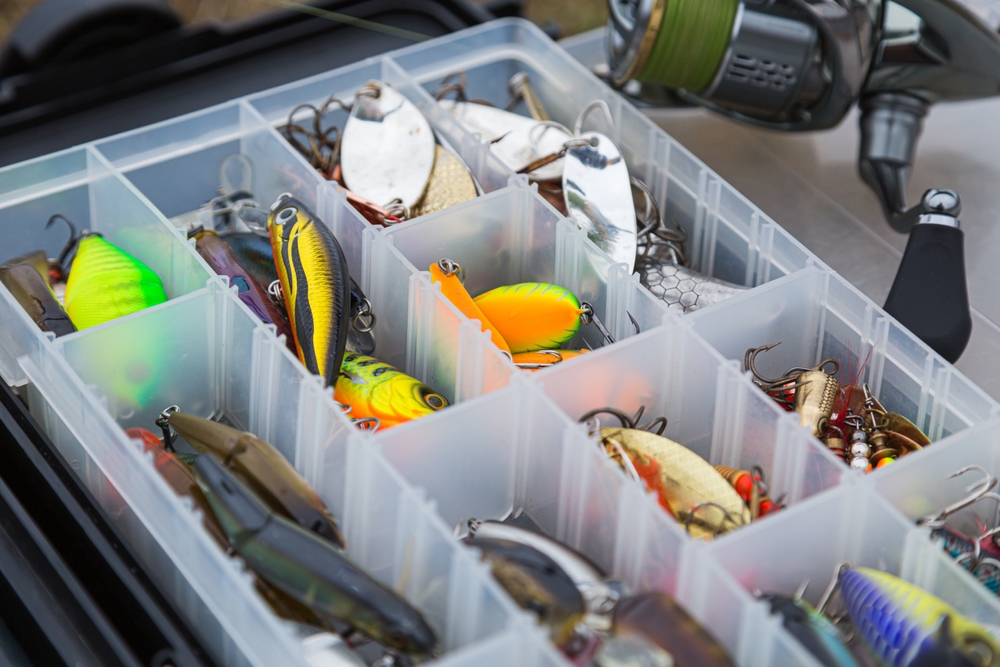
What to throw: Big swimbaits, deep-diving crankbaits, and large profile jigs dominate here. The Strike King 6XD and Rapala DT-10 cover the mid-depth transition zones perfectly. A 3/4 oz. Evergreen Flat Force football jig dragged over rocky transitions is basically a cheat code.
Phase 2: The Spawn (Water Temps 62°–75°F)
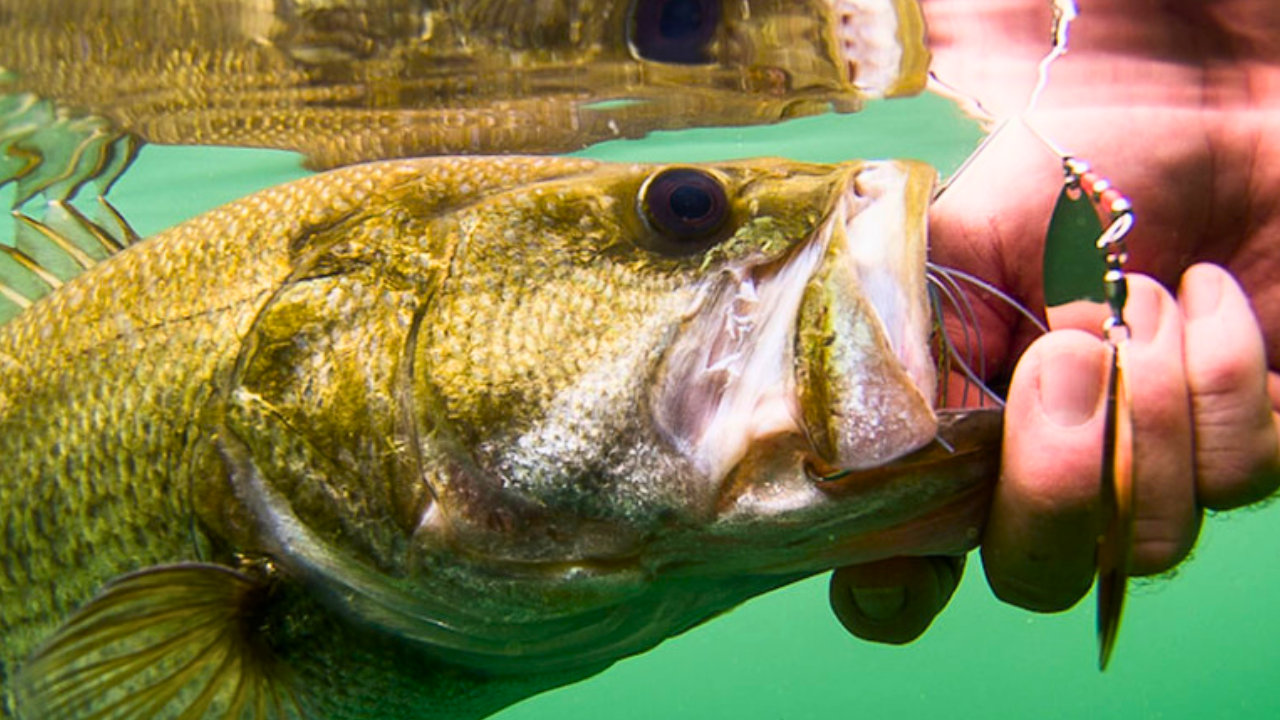
Bass are now officially on the beds. Males fan out shallow nests in hard-bottom areas like gravel, sand, and shell beds, usually in 1–6 feet of water. Females move in briefly to deposit eggs, then largely retreat to nearby deeper water while males guard the nest.
Here's the part that makes anglers argue at the boat ramp: bass on beds are not feeding, they're defending territory. You're not fooling a hungry fish; you're annoying a protective parent. It's basically poking a bear with a soft plastic finesse worm until it bites you out of pure rage. Relatable, honestly.
What to throw: Sight-fishing setups shine here. A white or red Zoom Trick Worm, a Reaction Innovations Sweet Beaver in watermelon red, or a YUM Dinger fished weightless directly over the bed with minimal movement. The less you move it, the more it drives them insane.
Phase 3: Post-Spawn (Water Temps 75°F+)
This is the "everyone is tired and cranky" phase. Males are still guarding fry near the bed. Females have retreated and are recovering, often suspended or sitting lethargic in slightly deeper water near the spawning flats.
Don't sleep on this phase. Once females recover, typically 7–14 days, they go on a serious feed to replenish. A slow-rolled swimbait like a Keitech Swing Impact FAT on a light swimbait head along the first depth break off spawning flats is devastatingly effective.
Regional Timing Guide:
When Does the Bass Spawn Happen Near You?
Bass spawn timing varies significantly by geography. Here's a breakdown:
Region | Typical Spawn Window |
|---|---|
Southeast (GA, FL, AL, TX) | February – April |
Southwest (CA, AZ, NV) | March – May |
Pacific Northwest (WA, OR) | April – June |
Midwest (IL, MO, OH, IN) | April – June |
Great Plains (KS, OK, NE) | April – May |
Northeast (NY, PA, MA) | May – June |
Rocky Mountains (CO, UT, ID) | May – July |
Southeast: Bass in Florida and Georgia can spawn as early as February. Lake Okeechobee bass in the reeds are bed-fishing legends. A white Zoom Fluke slow-rolled over mats during pre-spawn is money.
Southwest: California's clear-water reservoirs like Castaic and Shasta demand finesse approaches. Drop-shotting a Roboworm Straight Tail Worm in morning dawn over gravel points is a go-to pre-spawn technique.
Pacific Northwest: Bass in Washington and Oregon reservoirs like Banks Lake experience later, compressed spawns. Cold, clear water means natural-colored baits and lighter line. A green pumpkin Senko on 8 lb fluorocarbon handles business.
Midwest: Illinois and Missouri lakes like Rend Lake and Table Rock see textbook spawns in May. A vibrating jig like the Z-Man ChatterBait around emerging vegetation during pre-spawn is a proven regional favorite.
Great Plains: Wind-blasted Kansas and Oklahoma reservoirs warm fast. A pre-spawn lipless crankbait like the Bill Lewis Rat-L-Trap in chrome/blue ripped through 8–12 feet is pure reaction bait gold.
Northeast: Spawns on Connecticut or New York reservoirs can push into June. Smallmouth share the water but largemouth follow similar thermal cues. A Senko in any brown/green tone fished weightless on 10 lb braid is a northeast classic.
Rocky Mountains: High-elevation fisheries in Colorado and Utah see late spawns. Bigger, slower presentations work. A 4-inch curly tail grub on a shaky head over rocky flats near dam faces produces when you'd least expect it.
How to Fish the Spawn:
By Angler Type
🎣 Bank Anglers
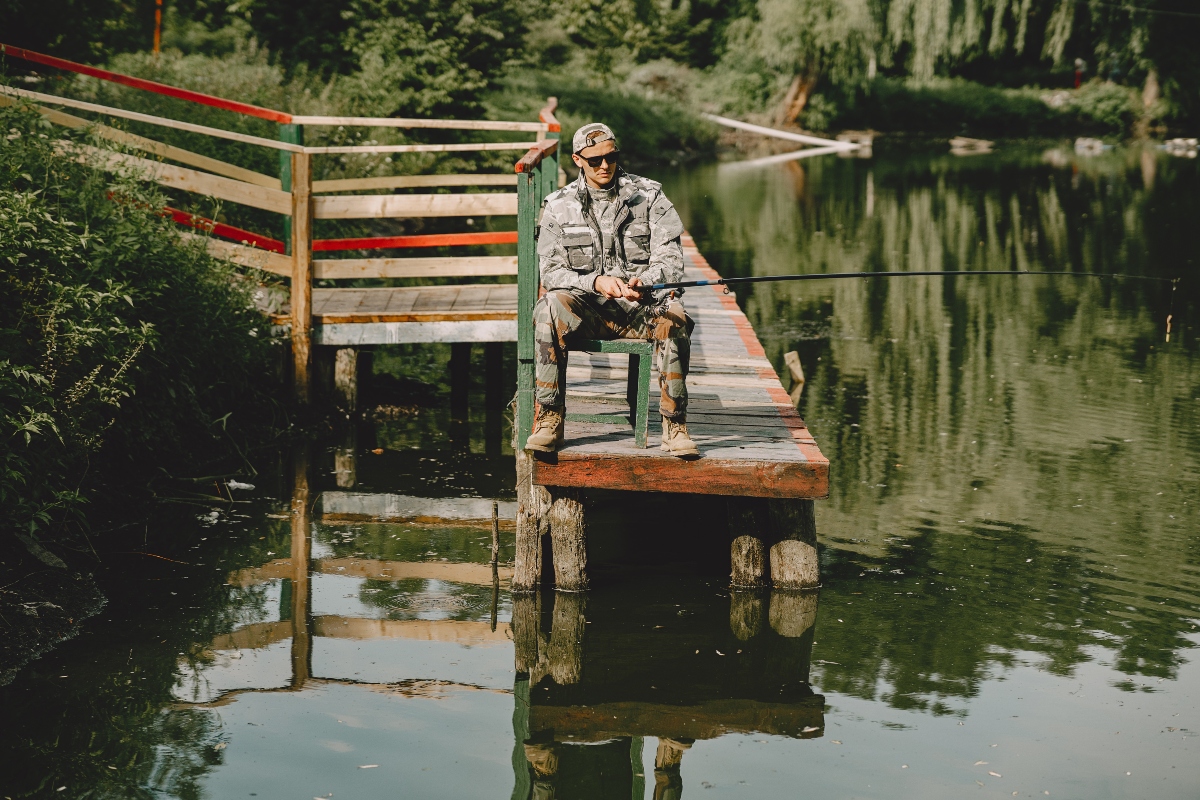
You have a serious advantage during the spawn. Shallow fish are your fish. Focus on protected coves with hard bottoms, ditches that drain into flat pockets, and riprap near boat ramps. Walk the bank slowly, polarized glasses on, looking for saucers. Fish a weightless YUM Dinger or Trick Worm parallel to the bank with minimal movement. Cover water, stay quiet, and stay low to the ground. The fish hear you more than you think.
🚤 Boat Anglers
Your edge is efficiency. Use your trolling motor to systematically work spawning flats, idle through slowly, and mark beds visually with buoys or waypoints before fishing them. Pre-spawn, run main lake points with a Rapala DT-6 or Strike King 5XD before moving shallow. Post-spawn, your sonar becomes critical. Find suspended females on the first main-lake depth break off spawning bays and work them with a swimbait or a wacky-rigged Stik-O.
🛶 Kayak Anglers
You are the stealth weapon. No trolling motor hum, lower profile, and you can slide into skinny spawning pockets that boats can't touch. A kayak during the spawn is an unfair advantage, and we fully endorse unfair advantages. Keep your setup simple: a spinning rod with a weightless worm and a baitcaster with a vibrating jig covers 90% of what you'll encounter. Anchor quietly in position once you find beds rather than drifting over them repeatedly.
Spring Spawn FAQ:
Bass Fishing Questions Answered
Q: What water temperature do largemouth bass spawn at?
Largemouth bass begin spawning when water temperatures reach 62°F and peak activity typically occurs between 65°F and 75°F. Males move shallow first to build nests, with females following once temps stabilize.
Q: How long does the bass spawn last?
The full spawn cycle, including pre-spawn, spawn, and post-spawn, can last 6 to 10 weeks depending on your region and how stable the weather stays. A cold front can pause the spawn and reset fish to earlier behaviors quickly.
Q: Should you fish for bass on beds?
Yes, but practice catch-and-release. Bed fishing is legal in most states and a deeply traditional spring technique. Releasing the male back to the nest quickly gives the fry the best chance of survival and protects future fish populations.
Q: What is the best bait for spawning bass?
Weightless soft plastics like the Zoom Trick Worm, YUM Dinger, and Reaction Innovations Sweet Beaver are top producers. For sight fishing beds, slower and more subtle is almost always better.
Q: Why won't a bass on a bed eat my bait?
Bed fish are defending territory, not feeding. Presentation and patience matter more than the bait itself. Leave the bait sitting still directly on or near the nest and wait. Most anglers move the bait too fast and too often.
Q: When is the best time of day to fish the bass spawn?
Early morning and late afternoon produce the most active fish, especially during pre-spawn and post-spawn. Midday can actually be productive for sight fishing beds since the sun angle makes nests easier to spot in clear water.
Q: Do all bass in a lake spawn at the same time?
No. Bass in deeper or shadier areas of a lake may spawn weeks later than bass in shallow, sun-exposed coves. This staggers the spawn across the lake and means you can find fish in different phases simultaneously.
Final Thoughts:
Respect the Spawn, But Fish It Smart
The spawn is the most exciting time of year to be a bass angler. Fish are visible, predictable, and catchable in ways they simply aren't the rest of the year. Practice catch-and-release during the spawn, especially with bed fish, since releasing males back quickly protects the next generation of fish you'll be chasing in a few years.
Study the water temps. Learn your local lake's staging areas. Match your approach to the phase. Do all that, and spring bass fishing stops feeling like luck and starts feeling like strategy.
And when you're standing knee-deep in a cold cove at 6 AM with polarized glasses on, staring at a bass the size of a small toaster sitting on a pale saucer of gravel, you'll understand exactly why we do this every single spring.
Know Exactly When the Spawn Hits Your Lake
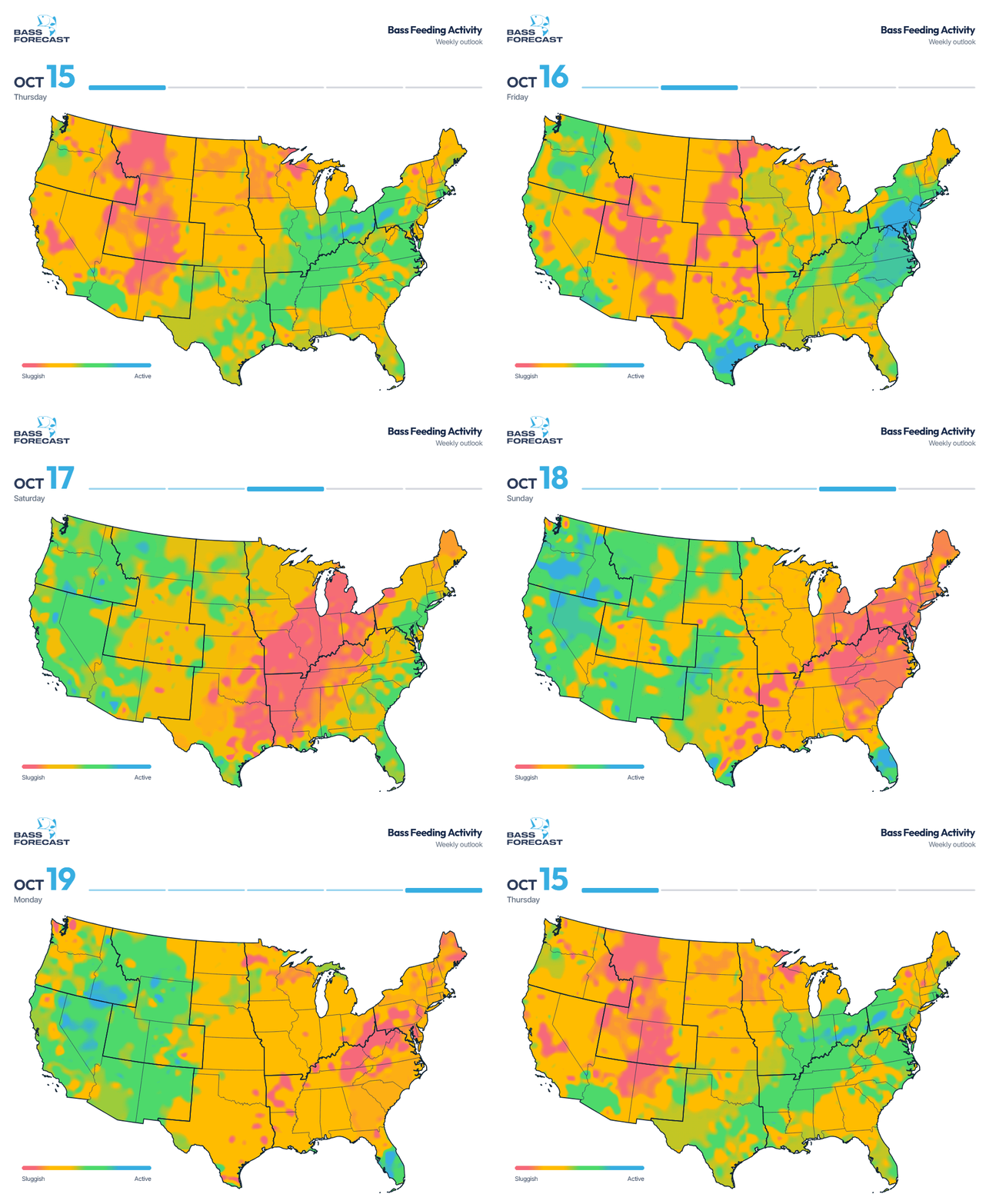
Timing is everything during the spawn, and that's exactly where the Bass Forecast app becomes your secret weapon.
Bass Forecast tracks real-time water temperature data, weather conditions, and solunar activity that directly trigger each phase of the spawn in your specific region. Instead of guessing whether bass are pre-spawn staging or already locked on beds, Bass Forecast tells you where fish are likely to be and when they're most active, so you show up on the right day, at the right time, fishing the right depth. Whether you're a bank angler planning your Saturday morning or a boat angler targeting a multi-lake season, this app takes the guesswork out of spring fishing and puts more fish in your hands.
Download it now at bassforecast.com and stop guessing when the bite turns on.





.png)
.png)
.png)