
Spring Bass Spawn Fishing Right Now: Where Every Region Stands
Share this article with every angler you know!
Spring Bass Spawn Fishing Right Now: Where Every Region Stands and What to Do About It
Right now, as you read this, an angler in Florida is fishing a drop shot in eight feet of water trying to coax a post-spawn female that has not eaten a full meal in two weeks. Five states north, an angler in Tennessee is sight fishing a bed in two feet of water, working the same plastic worm for the fourth straight hour. And in Minnesota, an angler is burning a lipless crankbait across a warming flat, loading up on pre-spawn fish that have not seen a bait since October.
Same species. Same date. Completely different game.
The bass spawn is not a single event. It is a wave that rolls north across the country over the course of six weeks, leaving a different set of conditions and a different set of tactics in every region at any given moment. If you are fishing based on what someone in another part of the country just posted online, you are probably fishing wrong.
Here is where things actually stand, region by region, as of mid-May.
Sign up to be notified of new bass fishing articles!
Kniow the Bass Fishing Playbook Every Week
Why the Spawn Does Not Happen All at Once
Water temperature is the primary trigger for spawning behavior in largemouth bass. When water temps climb into the mid-50s to low 60s Fahrenheit and day length reaches a certain threshold, the hormonal chain that drives spawning behavior activates. The fish move shallow, build nests, spawn, and recover. Then they get on with their lives.
The reason that process plays out over six weeks nationally rather than six days is geography. Florida bass are dealing with water temperatures that have been in the 70s for weeks. Minnesota bass are just watching their lakes shake off ice-out temperatures. The same calendar date means something completely different to each of them.
Why One Lake Can Have Three Phases at Once
Here is the part that trips up a lot of anglers even within the same region: a single body of water can have fish in pre-spawn, spawn, and post-spawn simultaneously.
South-facing protected coves warm faster than north-facing exposed shorelines. Shallow dark-bottomed creek arms warm faster than deep main lake water. A fish that lives in the warm back end of a secondary creek arm in Ohio may already be on a bed while a fish holding on the main lake point two hundred yards away is still staging in ten feet of water.
This is why the angler who covers the whole lake beats the angler who commits entirely to one approach. More on that below.
The Three Phases and What Each One Requires From You
Before the regional breakdown, here is the condensed tactical playbook for each phase. Find your region below, identify your phase, and come back to this section for the approach.
Pre-Spawn: The Fish Are Feeding and They Are Looking for a Fight
Pre-spawn bass are the most catchable fish of the entire year. They are actively feeding to build energy before the spawn, they are moving shallow on warming trends, and they will commit to reaction baits that a post-spawn fish would ignore entirely.
Location: staging areas adjacent to spawning flats. Secondary points, channel swings near coves, the first depth break off shallow gravel or clay banks. Fish are using these areas as transition zones between their winter depth and the spawning flat.
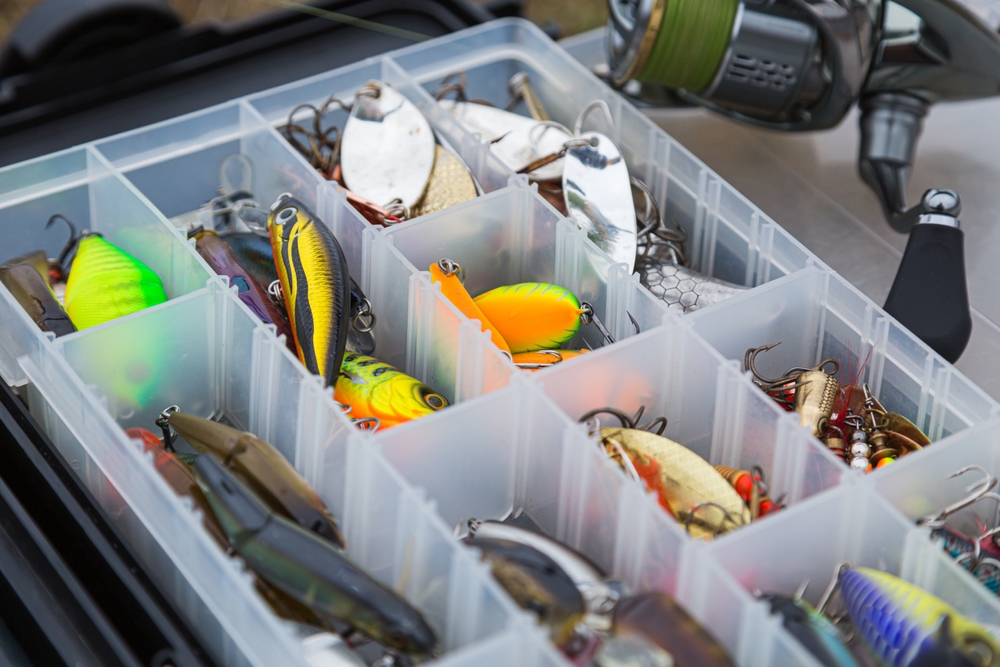
The Strike King Red Eye Shad is the go-to pre-spawn bait. Burn it across warming flats, rip it through submerged grass, yo-yo it off the bottom near staging points. Reaction bites from pre-spawn fish are some of the most violent of the entire season.
The Strike King KVD Finesse Spinnerbait slow-rolled along weed edges and depth transitions is the calmer alternative when fish are not fully committed to chasing. The Rapala DT-6 covers fish staged slightly deeper in the six to ten foot range before they commit to moving shallow.
Cover water. Present moving baits. If a fish is pre-spawn and the temperature is right, it will find your bait.
Spawn: The Fish Are on Beds and They Are Not Eating
Spawning bass are not feeding. Their metabolism and hormonal state have redirected every biological priority toward reproduction. What you are triggering is aggression and irritation, not hunger. That distinction changes everything about how you present a bait.
Location: shallow protected flats with hard bottom and access to nearby depth. Gravel, shell, and clay are the preferred substrates. Two to six feet in stained water, potentially eight to twelve in clear water.
The Berkley PowerBait Maxscent Flat Worm is the standard. Cast past the bed, drag the bait onto it, and leave it there. When the fish fans it away, bring it back. Repeat until the fish picks it up to remove it from the nest. That is how most bed fish get caught.
The Z-Man Finesse TRD on a light Ned rig head is the patient option for stubborn fish that will not react to a larger profile. The Zoom Finesse Worm on a shaky head is the middle ground, just enough action to look alive, not so much that it threatens the fish into fleeing rather than striking.
Slow down. Then slow down more. Set the hook when you feel weight, not a strike. Bed fish rarely run.
Post-Spawn: The Fish Are Alive, They Are Just Not Interested
Post-spawn bass are in recovery mode. Females have expelled eggs and their bodies are rebuilding. Males may still be guarding fry near the bed location. Neither group is actively hunting and neither will chase.
Location: the first available depth and structure adjacent to the spawning flat. Dock posts, brush piles, submerged laydowns, the channel edge at the base of the spawning cove. Fish have not gone far. They have just gone down and closed the door.
The Roboworm Straight Tail Worm on a drop shot is the most consistent post-spawn producer. Vertical presentation, subtle action, bait stays in front of the fish without requiring movement. Place it near the structure and wait.
The Dirty Jigs Casting Jig is the call for fish that have pushed to offshore structure, hard-bottom points, and shell beds adjacent to spawning flats. A football head stays in contact with the bottom and covers ground methodically when fish are scattered across the staging area rather than stacked on a single piece of cover.
Patience is the entire game in post-spawn. These fish will eat again. They just need a reason.
Where Your Region Is Right Now
Here is the national snapshot as of mid-May. Find your region, and match your approach to the phase above.
Southeast (Florida, Georgia, Alabama, Mississippi, South Carolina, Louisiana) Post-spawn. The spawn wrapped up weeks ago for most of this region and females are in recovery near the first depth break adjacent to spawning flats. Males in some areas are still guarding fry near bed locations. A drop shot or Ned rig fished vertically near dock posts, brush piles, and submerged laydowns off the flat edge is the starting point. These fish will gradually transition to summer patterns over the next few weeks as water temperatures continue climbing.
Southwest (Texas, Oklahoma, Arkansas, New Mexico) Late spawn with post-spawn activity beginning on some waters. Texas and Oklahoma reservoirs are in varying stages depending on the body of water and its elevation. Lake Fork and Texoma still have active bed fishing in secondary coves with hard bottom. The window is closing, but anglers who can locate remaining active beds in protected creek arms still have productive sight fishing available. Work the transition: if beds in shallow areas look abandoned, move to the first staging depth and fish post-spawn tactics.
Mid-South (Tennessee, North Carolina, Virginia, Kentucky, West Virginia) Transitioning from spawn to post-spawn. Some fish are still on beds, particularly in the warmest, most protected secondary coves on larger reservoirs. Others have already dropped off and are staging in adjacent structure. Both tactics apply here simultaneously depending on the specific water. Start with a scan of known spawning flats, and if beds look inactive, transition immediately to post-spawn finesse presentations at the base of those same flats.
Mid-Atlantic and Ozarks (Missouri, Illinois, Indiana, Ohio, Maryland, Pennsylvania, New Jersey) Peak spawn. This is the highest concentration of active bed fishing in the country right now. Protected secondary creek arm pockets, inside cove points, and hard-bottom flats in two to four feet of water are loaded on most reservoirs and natural lakes across this region. If you have been waiting for the right time to sight fish a bed, you are in it. Work the Maxscent Flat Worm slowly and stay on fish that show any defensive response. The window peaks this week and begins tapering within ten days.
Great Lakes and Upper Midwest (Michigan, Wisconsin, Minnesota, Iowa) Just entering spawn in the warmest, most protected areas. Southern-facing bays and dark-bottomed coves on natural lakes are seeing first beds in the warmest sections of the warmest lakes. Pre-spawn feeding is still very much active on the main lake and less protected areas. This is the best of both worlds for anglers willing to read the water. Check protected bays for bed activity first. If fish are not yet on beds in a specific area, work staging structure adjacent to that bay with a spinnerbait or lipless crankbait. The pre-spawn feeding window here is still open and fully active.
Northeast (New York, Pennsylvania, New Jersey, New England) Late pre-spawn moving into early spawn. Water temperatures are in the high 50s to low 60s across most of the region. Pre-spawn feeding is aggressive and the first beds are forming in the most protected, warmest areas of each lake. This is arguably the most productive fishing window of the entire year for Northeast anglers. The fish are shallow, they are hungry, and they have not been pressured since last fall. A Red Eye Shad or a spinnerbait worked across warming flats right now will produce some of the best fishing of the season. Do not sleep on this window. It closes within two to three weeks.
West and Pacific Northwest (California, Oregon, Washington, Nevada, Arizona) Elevation-dependent. Low-elevation California reservoirs including Clear Lake, Folsom, and Castaic are at or near peak spawn. Higher elevation lakes in Northern California, Oregon, and Washington remain in pre-spawn. The important nuance for Western anglers is depth. Clear water in California reservoirs means spawning fish run significantly deeper than the same species in a stained Tennessee reservoir. Check for beds in six to twelve feet before concluding fish have not moved shallow. A bed in clear water at ten feet looks like a bed in stained water at three feet to the fish. Adjust your search depth accordingly.
Rocky Mountains (Colorado, Utah, Wyoming, Montana, Idaho) Pre-spawn at lower elevations, with some reservoirs in Colorado's Front Range and Utah's valley lakes approaching the early spawn window. High-elevation reservoirs remain in cold-water transition and will not see spawn activity until late May or June. Water temperature is the only reliable timing indicator in this region. Watch the thermometer, not the calendar. When water temps in your specific body of water reach the mid-50s consistently, pre-spawn feeding windows open and the tactically productive spring season begins.
What to Do When Your Lake Has Fish in Multiple Phases
The national snapshot above is a regional average. On any individual body of water, especially large reservoirs, you may find fish in two or even three different spawn phases simultaneously depending on which section of the lake you are fishing.
This is not a problem. It is an advantage.
Reading Location Cues for Each Phase
Pre-spawn fish are in transition zones. Look for them on secondary points adjacent to spawning coves, on channel swings near the back of creek arms, and on the first hard structure between deeper winter holding areas and the spawning flat. Water temperature in these staging areas is slightly cooler than the spawning flat itself. If fish are here, they have not fully committed to the flat.
Spawning fish are on the flat itself. Protected secondary coves, inside creek arm pockets, and hard-bottom areas in two to six feet of water. If you can see them and they are not moving much, they are on beds.
Post-spawn fish are below the flat. The channel edge at the base of the cove, dock posts in the first available depth off the spawning area, laydowns along the drop from flat to deeper water. If fish are in this zone and not responding to moving baits, they have already finished spawning.
Structuring the Day Around Multiple Phases
The most productive approach on a multi-phase lake in mid-May is to fish the pre-spawn in the early morning when the most aggressive fish are in feeding mode, transition to bed fishing during the mid-morning hours when sight conditions are best and the sun angle allows you to see the bottom clearly, and then work the post-spawn staging areas in the afternoon when pre-spawn fish have pushed back down and post-spawn fish are most likely to respond to a finesse presentation.
This is not three separate trips. It is one trip through the same lake organized by time of day and location. Start on a staging point near the best spawning coves with a spinnerbait. Transition to the flat itself with a bed fishing setup when the light is right. Finish on the drop with a drop shot.
The angler who can execute all three phases in a single day on a single lake in mid-May is fishing the most versatile and productive stretch of the entire year.

Angler-Type Breakdown
Bank Anglers
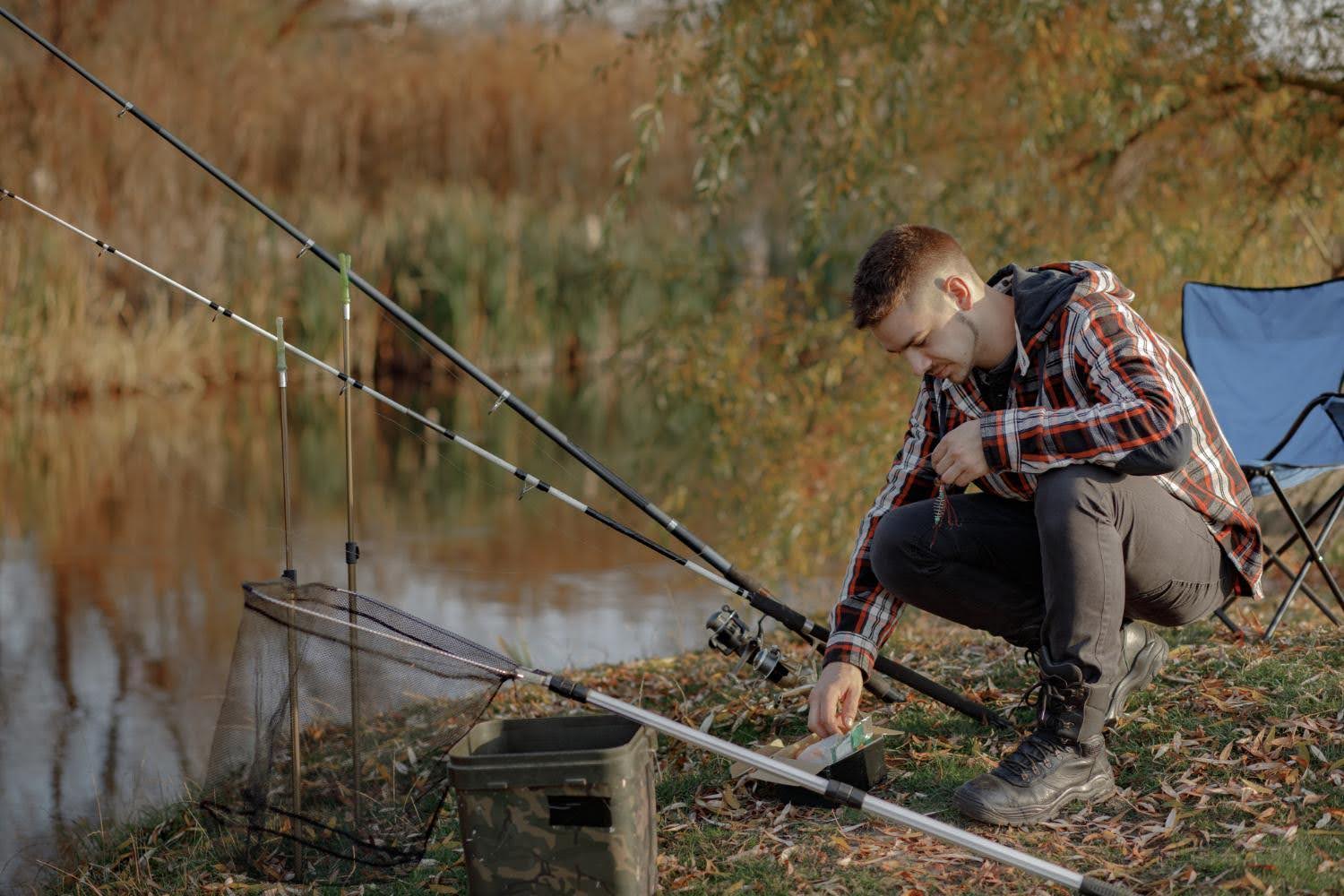
Spawn season is one of the most naturally productive times of year for bank anglers because the fish come to you. The same shallow water that makes the spawn happen is the water you can reach from the shoreline. You do not need a boat to find spawning bass. You need polarized glasses, light footsteps, and the patience to look before you cast.
The tactical key is matching your approach to your regional phase. A bank angler in the Mid-Atlantic right now who is working a spinnerbait across a flat is doing the right thing. A bank angler in Georgia doing the same thing is fishing the wrong tactic for fish that are no longer in a chasing mood. Find your region above, identify your phase, and fish accordingly.
Slow down when walking any productive bank during May. Bass beds are often visible from the shoreline before they are visible from the water. Stop, look, and plan your cast before you wade through a spawning area and clear it out.
Kayak Anglers
Kayaks are purpose-built for the spring spawn across all three phases. The low profile and quiet approach that makes a kayak effective in post-front conditions makes it equally effective approaching spawning flats where shallow fish spook easily. A boat with a trolling motor pushing a wave across a two-foot flat clears beds that a kayak slides over without disturbing.
In the Great Lakes and Northeast right now, kayaks are the ideal tool for accessing natural lake spawning flats that do not see regular boat traffic. Protected bays and backwater areas on natural lakes that would take a boat twenty minutes to navigate quietly take a kayak two minutes and leave no footprint.
Pre-spawn fishing from a kayak: cover ground along flat edges and staging structure with a spinnerbait or lipless crankbait. Spawn fishing: approach nose-in from the open water side and cast parallel to the flat. Post-spawn fishing: access protected backwater coves where recovering fish hold in shallow, still water.
Boat Anglers
The boat's advantage in mid-May is range, and the angler who uses that range intelligently will consistently outfish the one who commits to a single area. On any large reservoir or natural lake right now, different sections of the same body of water are in different phases. The southern end of a lake may have post-spawn fish. The northern end may have fish that are just beginning to think about beds.
Run the lake before committing. Idle through several different cove types and note what you find. Active surface disturbance, fish visible in shallow water, and bed depressions on hard bottom sections tell you where the most active phase is concentrated. Then commit fully to that area rather than averaging your effort across conditions.
In the Mid-Atlantic and Midwest right now, the most productive boat pattern is to locate the creek arms with the most active beds in the warmest, most protected sections of the lake and park there. The fish density during peak spawn in the right creek arm is high enough that moving is rarely the answer.
Frequently Asked Questions (FAQ)
When do bass spawn in my state?
Water temperature is the primary trigger, not the calendar date. Bass generally begin spawning when water temperatures reach the mid-50s to low 60s Fahrenheit. That happens in February and March in the Deep South, April and May in the Mid-South and Mid-Atlantic, May in the Midwest and Great Lakes, and late May through June in the Northeast and Rocky Mountains. Elevation matters significantly within any state. A low-elevation California reservoir may spawn six weeks before a high-elevation lake in the same state.
Are bass spawning right now in May?
Yes, across most of the country in some phase. As of mid-May, the Southeast is post-spawn, the Mid-South and Southwest are late spawn, the Mid-Atlantic and Ozarks are at peak spawn, the Great Lakes and Northeast are entering spawn, and the Rocky Mountains are approaching pre-spawn at lower elevations. Find your specific region in the breakdown above.
How do I know what spawn phase the bass are in on my lake?
Water temperature is the most reliable indicator. Pre-spawn typically begins in the mid-50s, peak spawn in the low to mid-60s, and post-spawn as temperatures push into the upper 60s and beyond. Behavioral cues confirm the phase: fish chasing bait aggressively in shallow water is pre-spawn, fish visible on beds is spawn, fish suspended near structure off the edge of flats is post-spawn.
Can bass be in different spawn phases on the same lake?
Yes, and it is common on any large body of water. South-facing protected coves warm faster than exposed main lake shorelines. Dark-bottomed shallow areas warm faster than deep clear water. A single reservoir can have post-spawn fish in one creek arm, peak spawn activity in a second, and pre-spawn fish staging on the main lake simultaneously. The multi-phase section above covers how to fish this situation.
What is the best bait for bass during the spawn
It depends entirely on the phase. Pre-spawn: reaction baits that cover water, including lipless crankbaits, spinnerbaits, and medium-diving crankbaits. Spawn: finesse presentations worked slowly on or near the bed, including soft plastic worms, Ned rigs, and shaky heads. Post-spawn: vertical finesse presentations near staging structure, including drop shots and light jigs. The phase dictates the approach more than any single bait choice.
How long does the bass spawn last?
On a given body of water under stable conditions, the active spawn period typically lasts two to three weeks. Cold fronts can pause and extend the process significantly. The national spread from the earliest spawning regions to the latest is roughly six weeks, which is why the same calendar date produces completely different conditions in Florida versus Minnesota.
What is the single most important thing to know about fishing the spawn?
Match your tactics to your phase, not to what someone else is posting about online. The angler in Tennessee fishing bed fish and the angler in Wisconsin burning a spinnerbait are both doing the right thing because they are fishing the conditions in front of them. Reading your regional phase correctly and adjusting your presentation accordingly is worth more than any specific bait recommendation.
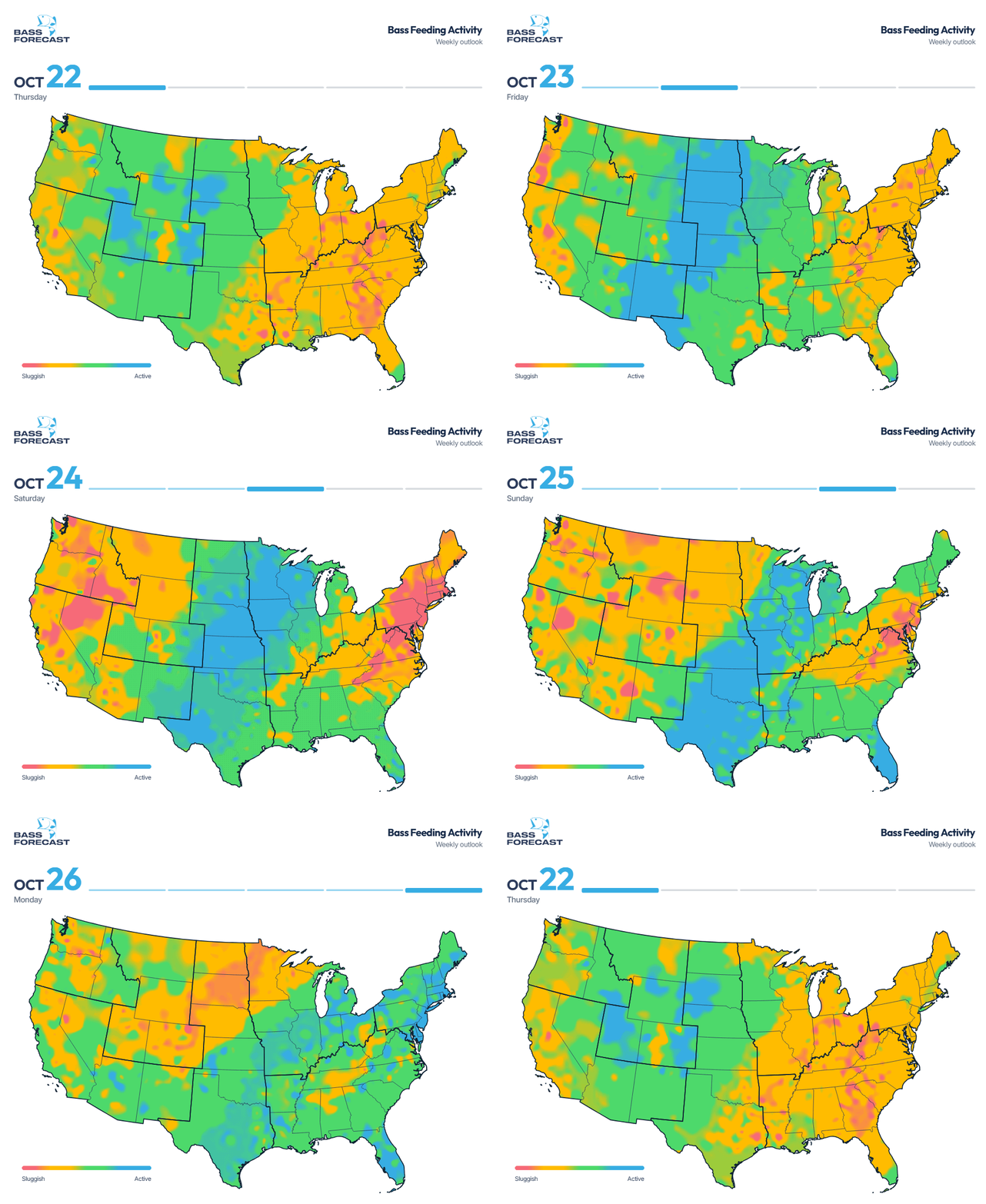
Use Bass Forecast to know when your region is in spawn
Spawn timing moves fast. The pre-spawn window that is open in the Northeast this week closes in two weeks. The bed fishing that is peaking in the Mid-Atlantic right now begins tapering down. Bass Forecast tracks water temperature trends and spawn stage conditions by region so you know exactly what phase your lake is in before you make the drive, and whether the window you are planning around is opening or closing.
Download Bass Forecast and stop arriving at the lake one week too late.






.png)
.png)