
How Cold Fronts Delay the Bass Spawn and What to Do
Share this article with every angler you know!
The Spawn Was Going Great.
Then the Weather Happened.
You checked the water temp Thursday. Sixty-three degrees. Fish were moving shallow, beds were forming, and you had big plans for Saturday. Then a cold front rolled through Friday night and dropped everything back to fifty-six degrees. Your plans did not change. The bass did.
Cold fronts are the single biggest disruptor of the largemouth bass spawn, and understanding exactly what they do to fish behavior is the difference between a frustrating blank day and a productive one when the weather refuses to cooperate.
Sign up to be notified of new bass fishing articles!
Get the Bass Fishing Playbook Every Week
What a Cold Front Actually Does to Bass Biology
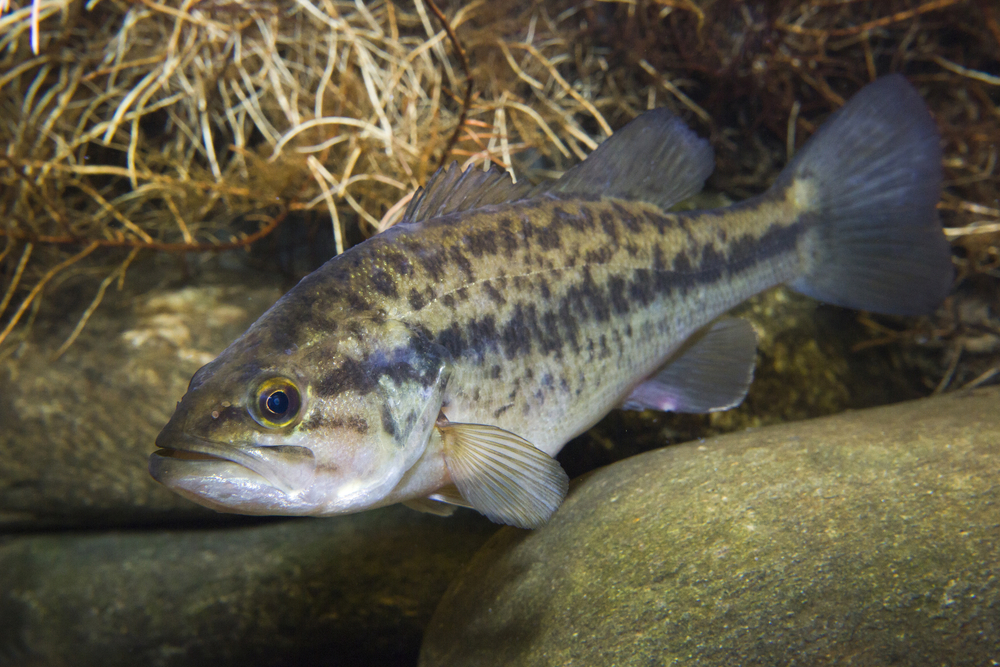
Largemouth bass are ectothermic, meaning their body temperature mirrors the water around them. When water temperature drops, so does everything else: metabolism, digestion rate, nerve response, and the hormonal triggers that drive spawning behavior.
The spawn is governed by a hormone called gonadotropin, which surges as water temps climb and day length increases. A cold front that drops water temperatures even five to eight degrees can suppress that hormonal surge and essentially hit the pause button on the entire spawn cycle.
Here is what that looks like in practice:
Pre-spawn fish that were staging shallow retreat back to deeper transitional structure. They do not stop existing. They just move and slow down.
Fish already on beds will abandon nests if the temperature drop is severe enough, typically more than eight to ten degrees in a short window. The male tucks into nearby cover and waits.
Post-spawn females that were beginning to recover and feed become lethargic and suspend, making them extremely difficult to locate and even harder to trigger.
A cold front does not erase the spawn. It delays it. And when the water rebounds, the fish pick up almost exactly where they left off.
How Long Does a Cold Front Delay the Spawn?
This depends on the severity of the front and your region. A mild front that drops water temps three to four degrees might only set things back three to five days. A hard front in the Midwest or Northeast that crashes temps ten degrees and brings sustained wind and cloud cover can delay the spawn by two to three weeks.
The recovery rule most experienced anglers follow is simple: for every degree the water temperature dropped, expect roughly one day of slow fishing before conditions normalize. It is not a perfect formula, but it holds up more often than not.
Regional Impact:
Cold Fronts Hit Differently Depending on Where You Fish
Southeast: Florida and Georgia bass deal with cold fronts regularly in February and March. Shallow, dark-bottomed lakes and reservoirs recover quickly. A front that shuts down Lake Okeechobee for three days might only affect a Georgia farm pond for one.
Southwest: Desert reservoirs in Arizona and Nevada lose heat fast but gain it back fast too. Elevation matters significantly. A cold front at Saguaro Lake is a different animal than one at higher-elevation reservoirs in New Mexico.
Pacific Northwest: Cold fronts during the already-compressed spawn window in Washington and Oregon can be devastating. Recovery is slow. Patience is not optional here.
Rocky Mountains: High-elevation fisheries have almost no margin for cold front disruption. The spawn window is already narrow. A late-season cold snap in Colorado or Utah can push fish back into winter patterns entirely.
Great Plains: Kansas and Oklahoma reservoirs are exposed and wind-driven. Cold fronts hit hard and fast. The saving grace is that these lakes warm back up quickly when the sun returns.
Midwest: Illinois, Missouri, and Ohio lakes see some of the most volatile spring weather in the country. Bass here are conditioned to weather swings, but a sustained cold front in May can pause the spawn right at its peak.
Northeast: Late-spring cold fronts in New York, Pennsylvania, and New England are common and can be brutal. Water temps that finally climbed to sixty degrees in late May can crash back to the low fifties in a matter of days. Post-front fishing here requires a serious gear shift toward finesse.
What to Do When a Cold Front Stalls the Spawn
This is where most anglers make their biggest mistake. They keep fishing the same way they were before the front hit and wonder why nothing is working. Cold front bass require a completely different approach.
Slow everything down. This cannot be overstated. A bass with a suppressed metabolism is not going to chase a fast-moving bait. Everything you throw should be moving at roughly half the speed you think is necessary. Then slow it down again.
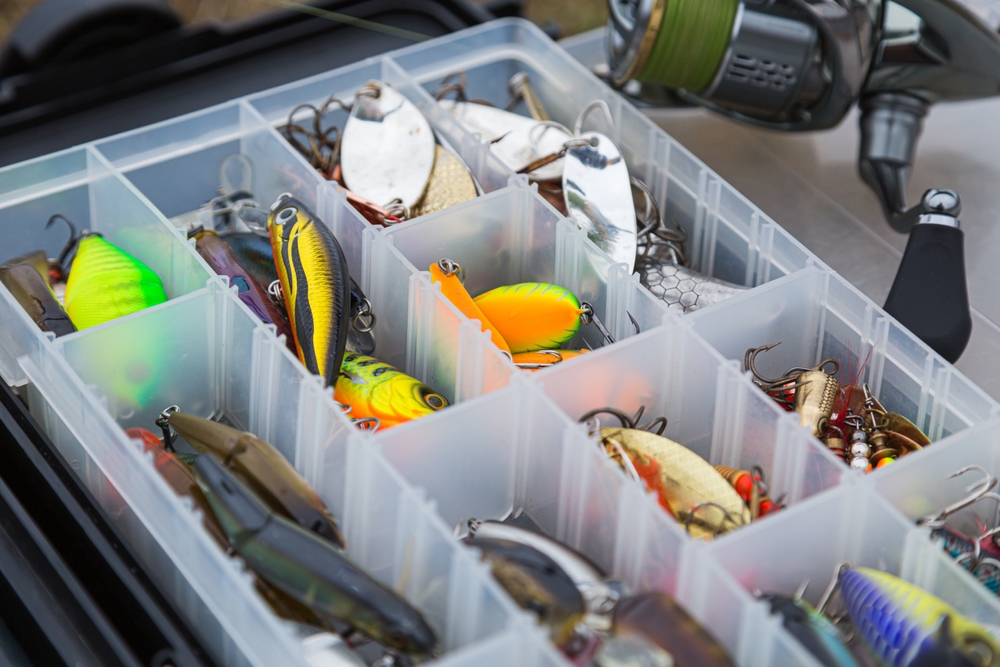
Go finesse or go home. A drop shot with a Roboworm Straight Tail Worm in a natural color, a Ned rig with a Z-Man TRD, or a shaky head with a Zoom Finesse Worm are post-front weapons. These presentations keep bait in the strike zone longer with minimal effort required from the fish.
Follow the fish back to their pre-front locations. Secondary points, channel swings near spawning flats, and the first depth break off shallow coves are where retreating fish go. Work these areas methodically with a football jig like a Dirty Jigs Casting Jig or a slow-rolled swimbait on a light head.
Fish sunny banks and dark-bottomed pockets first. These areas absorb heat fastest after a front passes and are the first places water temps rebound. Bass do not wait for the whole lake to warm up. They move to the warmest water available, and smart anglers get there first.
Target midday instead of dawn. On post-front days, the old early morning rule goes out the window. Water temps are coldest at first light and warmest in the early afternoon. Sleep in, eat a real breakfast, and hit the water around 10 AM when the sun has had time to work.
For Bank Anglers
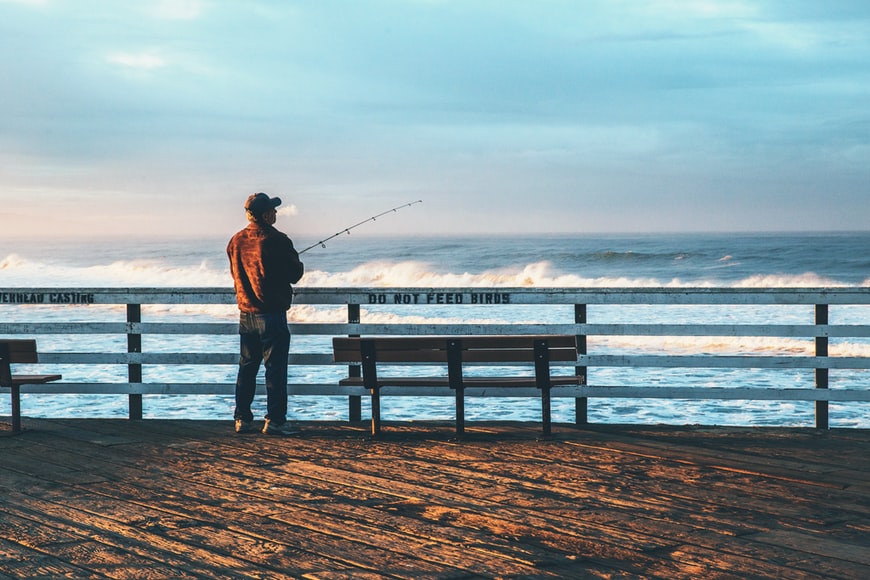
Focus on shallow, south-facing banks that receive maximum sun exposure after a front. Rocky riprap absorbs and holds heat better than soft mud banks. Work a Ned rig or a weightless Senko painfully slowly along these areas and do not leave until you have thoroughly covered every foot of it.
For Boat Anglers
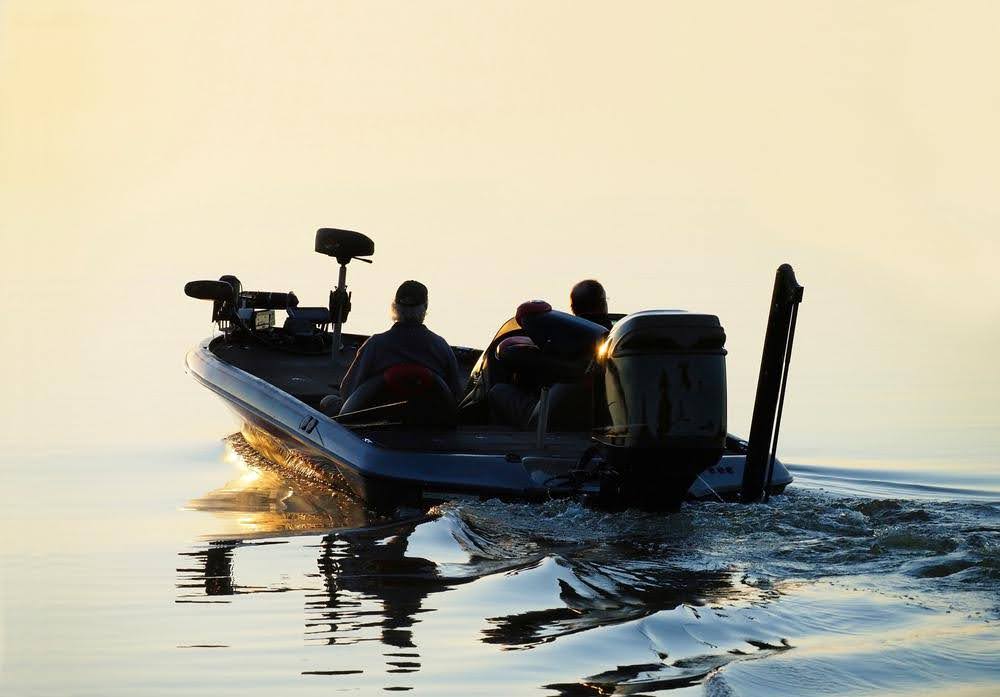
Use your electronics to locate fish that have pulled off the flats. Post-front bass tend to stack on the nearest hard structure with depth access. A Garmin or Lowrance with LiveScope makes this job significantly faster. Once you locate them, finesse is your best friend.
For Kayak Anglers
Your stealth advantage matters even more after a cold front. Spooked, lethargic fish that ignored a trolling motor might still respond to a quiet kayak approach. Work protected coves with dark bottoms and minimal wave action. A drop shot or a wacky-rigged Senko on light fluorocarbon from a kayak is a deadly post-front combination.
Frequently Asked Questions
How does a cold front affect largemouth bass during the spawn? Cold fronts suppress the hormonal triggers that drive spawning behavior in largemouth bass. A significant temperature drop can cause pre-spawn fish to retreat to deeper water, push fish off active beds, and slow feeding activity across all phases of the spawn.
How long does it take bass to recover after a cold front? Recovery time depends on the severity of the front. A mild temperature drop of three to four degrees may slow fishing for three to five days. A hard front that drops water temps ten or more degrees can delay the spawn by two to three weeks.
What baits work best for bass after a cold front? Finesse presentations work best after a cold front. Drop shots, Ned rigs, shaky heads, and weightless soft plastics fished very slowly are the most effective approaches when bass are lethargic and inactive following a weather event.
Do bass abandon their nests during a cold front? Yes. If water temperatures drop sharply during the spawn, male bass will often abandon nests and seek nearby cover until conditions stabilize. The eggs may not survive a significant temperature drop without the male guarding them.
When is the best time to fish after a cold front during the spawn? Midday is typically the most productive window after a cold front, as water temperatures are warmest in the early afternoon. South-facing banks, dark-bottomed coves, and rocky areas that absorb solar heat are the first places bass become active again.
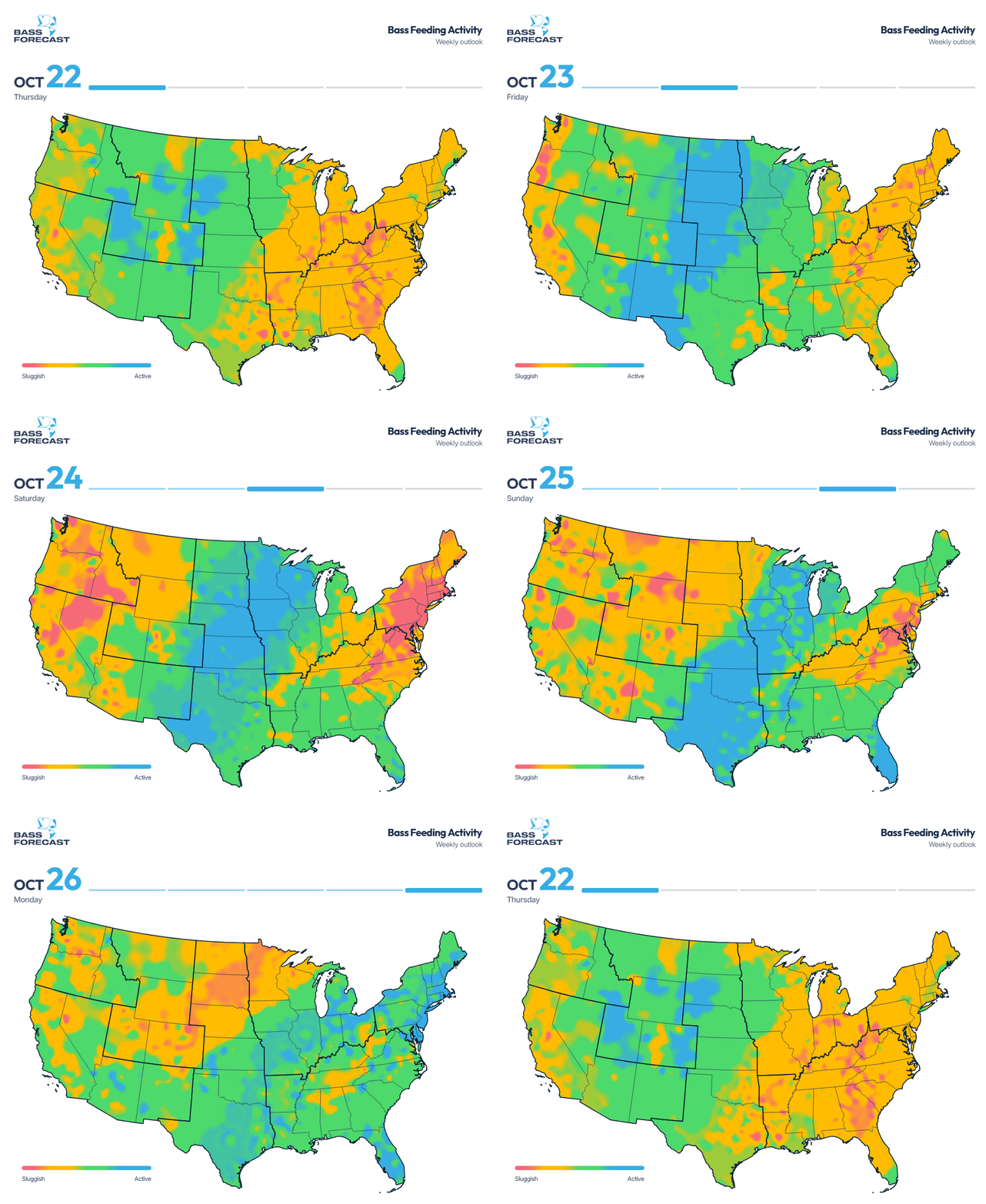
Can you predict when a cold front will affect the bass spawn? Yes. Monitoring barometric pressure, water temperature trends, and incoming weather systems gives anglers advance warning of cold fronts. Apps like Bass Forecast track these variables in real time and show how conditions are likely to affect fish activity in your specific area.
Know What the Weather Is Doing Before You Go
Cold fronts do not show up unannounced. They are trackable, predictable, and manageable if you have the right information before you leave the house. The Bass Forecast app monitors barometric pressure changes, water temperature trends, and incoming weather systems to tell you exactly how conditions are affecting fish activity in your area. Instead of showing up the day after a front and wondering where all the fish went, Bass Forecast helps you plan around the weather so you are on the water when the bite rebounds, not when it is dead.
Download it at bassforecast.com or your favorite app store and stop letting cold fronts ruin your fishing trips.






.png)
.png)