
Staying Safe and Comfortable While Winter Bass Fishing: Gear, Clothing, and Hypothermia Risks
Winter fishing is one of the best ways for you to test your skills as an angler. From your first slog trying to figure out a trick worm to finally mastering the fall turnover, nothing is quite as challenging as consistently getting bites in the winter. Most anglers don’t even try.
However, while it’s a great way to expand your skills and push yourself, it also comes with unique challenges. The fish aren’t the only ones impacted by the frigid cold.
Today, we’re going to go over everything you need to know to stay safe and comfortable during winter fishing, from common problems and safety tips to the best gear for winter bass fishing. Then, you can conquer what most consider to be the sport’s biggest challenge.
The Biggest Safety Threats for Winter Bass Fishing
Before we dive into the things you need to do to avoid issues, it’s important to go over what you’re really facing. Some threats are obvious, but others, unfortunately, cause a lot of damage every year, and most people don’t expect them. Underestimating these issues is one of the biggest mistakes in winter bass fishing.
1. Unexpected Cold
This is something you’re going to deal with, whether it’s your first time or your hundredth time fishing in the winter.
You might get up one day, notice that the weather actually isn’t too bad, and you get ready for a 50-degree day on the water. Except, you get to the lake, and you’re freezing.
The temperature tends to be a lot colder near the water. Wind cuts across the surface and lowers the temperature a lot, and you have to keep in mind that you will get wet. Even if you’re really careful, you’ll handle any fish you catch, re-tie your rigs, and probably grab handfuls of junk you accidentally hook into. Once you’re wet, your body gets a lot colder.
If you follow all our tips throughout this article, this is the smallest problem you’re going to have. You’ll be caught off guard mentally because you can never really prepare yourself for that sudden temperature drop, but you’ll be ready with the right gear to ensure it doesn’t cause any real problems.
2. Lack of Mobility and Dexterity
Your body doesn’t work as well when you’re really cold. You’ll notice this in your fingers first. While you’re likely a master with your reel if you’re even contemplating winter fishing, you’ll suddenly have problems with those basic movements you’ve done countless times before.
Your fingers aren’t the only things affected, though. Your feet, joints, and everything else stop working as well, and you don’t have as much control over your body. Your fine motor skills also tend to get a bit less refined.
These are all things that you probably expect, but it’s the impact that they can have on your safety that is really important.
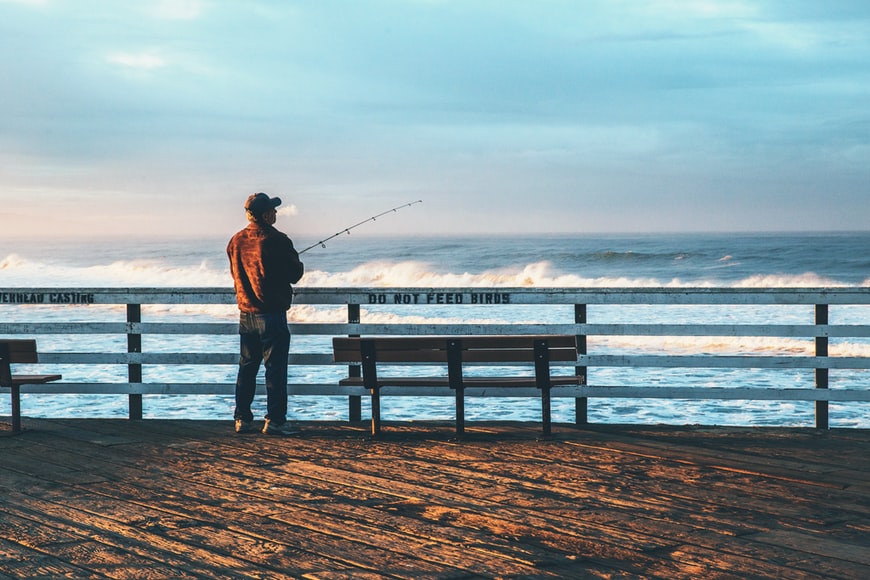
Whether you’re on a boat, a rocky shore, or hanging over a pier, you can easily fall if you’re not careful. That’s true any time, but it’s much worse when the water is frigid, and your body isn’t as mobile as it normally is. The risk is higher, and the consequences are more serious.
3. Frostbite
Frostbite is usually a problem if you’re exposed to seriously cold temperatures. However, fishing in the cold makes it a bit easier to develop.
Like we said in previous sections, you’re going to get wet. Specifically, your fingers are almost certain to get wet. With low temperatures, wind blowing chills across the water, and wet fingers, you can get frostbite even in temperatures that would otherwise be fine. It might be 45 degrees out, but when your fingers are constantly wet and the wind is blowing, it’s like sticking your hands in snow. If you’re fishing in icy conditions, this is a serious threat.
4. Hypothermia
Hypothermia is serious, and like every other issue we’ve covered, it happens a lot more easily on the water.
Hypothermia is actually a much bigger problem than you think. People suffer from it even in the summertime in some situations. Divers frequently have to protect themselves from hypothermia.
While you won’t be diving to go bass fishing, there are several situations where you can get too cold without noticing it until it’s too late. Whether it’s a chill blowing across the surface and you’re not dressed properly, or you take a tumble into the water and keep fishing in wet clothes, you can end up with hypothermia even on a nice winter day.
Hypothermia can be deadly, and it can sneak up on you. Luckily, it’s fairly easy to avoid.
5. Overexertion
Finally, this is one that’s not as widely known. It’s a lot easier to overexert yourself in the winter.
In the summer, if you’re training for a marathon or doing a lot of yard work, you tend to get extremely sweaty, you start slowing down, and you can feel that you need a break. Unfortunately, the cold temps of winter somewhat mask the signs of overexertion.
You won’t sweat or feel dehydrated, and since movement keeps you warm, you’ll feel incentivized to keep going.
This is why it’s pretty common for people to have heart attacks or other health issues while shoveling snow. They just don’t notice they’re pushing themselves too far.
Luckily, bass fishing isn’t super strenuous. However, it can get you into some situations that are a lot more physical, and you need to be mindful of how hard you’re pushing yourself when that happens.
Staying Safe During Winter Bass Fishing: Safety Practices
The most important thing you have to keep you safe is your mindset and your understanding of the situation you’re in. It’s more important than clothes, fancy gear, or any of that other stuff.
So, we’re going to go over a few of the key things you need to know before you ever consider heading out and trying some winter bass fishing strategies.
1. Caution is Required
Simply being cautious is one of the best things you can do. Your motor skills aren’t as good, things can be slippery because you’re around water, and it’s easy to push yourself too hard physically.
Being mindful of that and just putting a little more thought into everything you do can dramatically lower your risks. Overconfidence is one of the best ways to ensure you deal with a serious problem during your fishing trip.
2. Communicate
A lot of things can happen on the water, no matter what time of year it is. Sadly, we always hear about anglers falling off their boats in remote areas, disappearing into reservoirs, and similar things that just come with being on the water. In the winter, that’s a bigger problem.
You have to consider the fact that you will likely be alone on the water. Very few people fish in the winter, and it’s not uncommon for you to have the whole lake to yourself. That’s great for finding spots, but it means there’s no one around to help.
It’s also easier for accidents to happen in the winter. So, it’s more likely that you can end up in a bind.
Tell someone you trust where you’ll be and when you plan to be home. If you don’t arrive on time or check in, and they can’t contact you, they know to call for help. This also means you shouldn’t ignore phone calls or spend too much time on “one more cast” though.
3. Stay Close to Your Vehicle
If you can, try to stay within a mile or two of your vehicle. It’s tempting to get in your boat and sail way out into the lake, but if something happens, your vehicle is like your home base. You have heat, shelter, a way to get out, and hopefully some supplies.
If you fall in and need new clothes, you’ll want to be able to get to your vehicle within 15 to 20 minutes at most.
Of course, prepping your boat properly can give you a bit more leniency with this rule.
4. Avoid the Water
If it’s possible, always try to avoid getting wet. Any water that gets on you will make the cold a lot worse and a lot more dangerous. If something does get wet, you need to address the problem immediately.
Staying Safe During Winter Bass Fishing: Clothing
Clothing is the next most important tool you have to keep you safe. Since your biggest threat is the temperature, and clothing helps keep you warm, it’s worth it to invest in some good winter-worthy clothes.
Here is the must-have gear for winter bass fishing.
1. Warm Underlayers
Do not get on the water with just pants, a shirt, and a jacket. Layer up. Buy some nice thermals that cover your whole body, and wear those under your clothing. This also includes wearing two pairs of socks.
2. A Full-Body Main Layer
This isn’t the time to wear a T-shirt and blue jeans. A full sweat suit, or at least a long sweatshirt and warm pants, is going to be best. Regardless of what you wear, it needs to cover your arms and legs fully.
3. Winter Jacket, Gloves, and Head Covering
Your top layer is going to be crucial because it’s what’s going to shield you from the cold the most.
A basic outfit needs to include a high-quality winter jacket. Preferably, it will have a water-resistant material on the outer layer, and it will have an insulated hood.
Gloves are a must-have. Some anglers like fingerless gloves to preserve their dexterity, but you need something. Even if you don’t have fancy options, get some gloves on. Try not to get knitted or woven gloves wet, too. They’ll be worse than having bare hands.
Then, you need a head covering. Most of your heat escapes through your head. A traditional winter hat or a beanie that covers your ears will work just fine.
4. Extra Clothing
Even if you have a pretty perfect outfit for the weather, grab a waterproof bag and throw a spare set of clothes in it.
We understand if you can’t pack a whole extra jacket or other heavy items, but just having a dry set of base layer clothing can help you safely get back to your car after a plunge.
5. Optional: Advanced Winter Fishing Clothes
This is optional, and it can be pricey, but a lot of the pros rely on professional winter fishing clothing.
These are essentially streamlined outfits designed to keep you insulated, and they’re typically waterproof.
You’ll see a lot of anglers wearing these during the winter and fall bass fishing tournaments, and they will help you stay safe and comfortable.
You can find a lot of different options for both advanced gear and simple winter staples at Tackle Warehouse.
Staying Safe During Winter Bass Fishing: Special Winter Safety Gear
Besides warm clothing and bass baits for winter, there are some special items that we highly recommend including in your gear for winter bass fishing.
1. Hand Warmers
Our top recommendation is to get a couple of hand warmers.
You can buy cheap, disposable warmers for a couple of bucks. If you do, we recommend getting several of them. Activate the warmers, put them in your pockets, shoes, and anywhere else that you’re prone to getting cold. Don’t forget to keep some extras on hand for when they cool down.
You can also invest in a refillable option. Zippo sells these, and we’re sure other brands have them, too. You fill them with lighter fluid, light them, and then close the warmer. They’re very durable, and you have heat as long as you have fuel. Still, these are more expensive.
2. GPS Tags
This one might sound a little paranoid, but you can afford to go out a lot further in your boat if you toss an Apple Air Tag or similar device in your pocket before you head out. That way, if you fall into cold water, have car problems in the cold, or something else happens, the trusted individual you told to check on you can see exactly where you’re at.
3. Electrolyte Drinks
You can get dehydrated in the winter and not even know it since you’re not sweating. It sneaks up on you.
Keep some electrolyte drinks on you to ensure you’re properly hydrated, and you greatly reduce your risk of strain-induced heart attacks, dehydration sickness, lack of motor skills, and other issues that stem from dehydration.
4. A Charged Phone
Finally, one of the most important pieces of gear you can have is a fully-charged phone. You can contact help, find your way out if you get lost, and look up information on the fly. You’re on your own a lot of the time, so phone access is crucial.
Stay Safe and Master Winter Bass Fishing
The team at Bass Forecast encourages anglers to test themselves in the winter, but we do want you to be safe. So, gear up properly, follow basic safety practices, and catch your first winter bass!
For more resources for bass finishing, download the Bass Forecast app.


-1739275914.jpg)
.jpg)
.jpg)
.png)
.png)