
The Winter Grind for Giant Largemouth Bass
Share this bass fishing article with every angler you know!
The Winter Grind for Giant Largemouth Bass
Don't let the frost fool you, December bass fishing isn't a shutdown; it's a stealthy goldmine for those in the know. Far from the old-school myth of total inactivity, this month flips the script, drawing trophy-sized bass into tight, predictable clusters as cold fronts push them deep and dormant.
December bass fishing is a viable and rewarding pursuit, contrary to the belief that it shuts down. Cold water concentrates larger bass, offering opportunities for dedicated anglers.
Bass, being cold-blooded, experience a metabolic slowdown below 50°F, leading to energy conservation and slower feeding habits. Success in December relies on slow presentations in deep-water sanctuaries.
Key advantages of December fishing include reduced competition and the potential to catch large, undisturbed fish.
Get notified of new bass fishing articles, tips and tricks!
Bass Forecast Newsletters
Shattering the Winter Myth:
The Rise of Bass Fishing Year-Round
For generations, winter bass fishing was dismissed as futile, anglers clung to the notion that bass retreated into a deep, dormant hibernation as temperatures plunged, rendering the season a total washout. Rods gathered dust in garages, and dreams of trophy catches were shelved until the first thaw of spring.
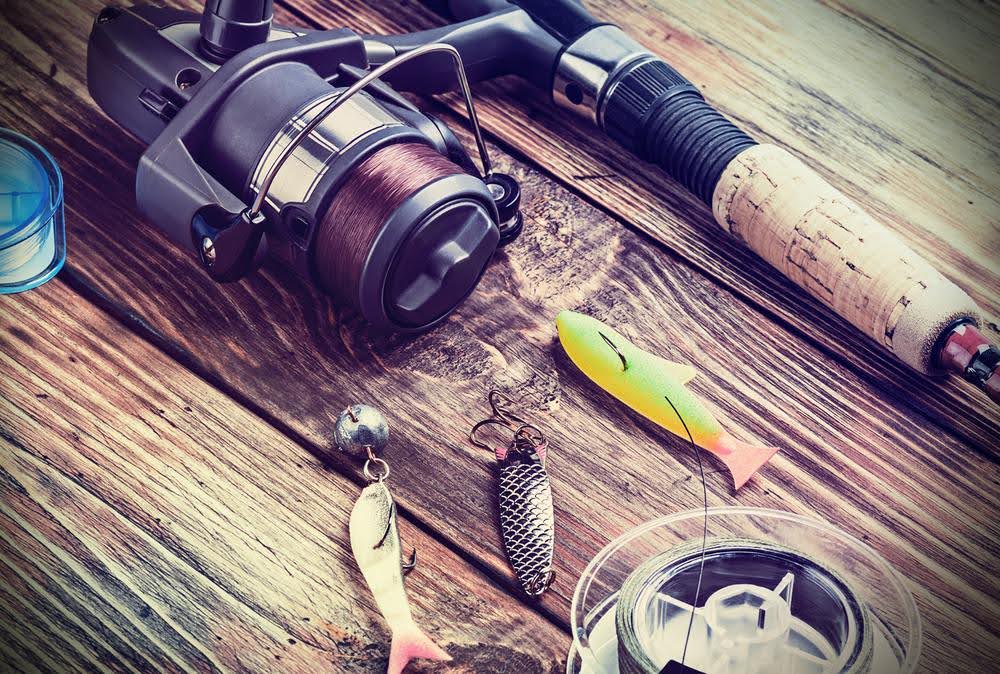
That all changed in the late 20th century, igniting a seismic revolution fueled by high-stakes competitive tournaments and bold trailblazers who refused to bow to the cold. Breakthroughs in lightweight reel designs, precision-engineered lures, and nascent sonar systems shattered the hibernation fallacy, revealing a hidden world beneath the ice.
What these pioneers uncovered was game-changing: bass may slow their roll in the chill, conserving energy with lethargic swims, but their hunger never truly sleeps, they're opportunistic feeders, primed for the savvy angler who knows where and how to tempt them.
Cold-Hard Truth: Current Wisdom & Lingering Debates
Bass metabolism is drastically reduced in cold water, leading to shorter, less frequent, and less aggressive feeding windows. Largemouth bass require easy, high-calorie meals presented with minimal energy expenditure.
Modern winter bass fishing emphasizes finesse techniques and targeting deep, structurally complex, and thermally stable water.
Patience is an absolute necessity.
Lingering Debates:
Lethargy vs. Quick Strikes: Some seasoned anglers believe bass retain a capacity for quick strikes, suggesting presentations might sometimes be too slow.
Lure Color: The critical importance of lure color versus its role as an angler's confidence booster remains debated.
Region-by-Region:
Your December Playbook for Lures & Locating Bass
Pacific Northwest: The Salmon Scapegoat
Habitat & Key Factor:
Deep, frigid reservoirs and rivers (10-90 feet). Largemouth favor deep vegetation, submerged timber, and dock shadows. Smallmouth patrol rocky points and flats. Midday sun can warm waters, increasing activity.
Lure Selection:
Finesse jigs (1/4oz) in dark colors.
Ned Rigs and shaky heads.
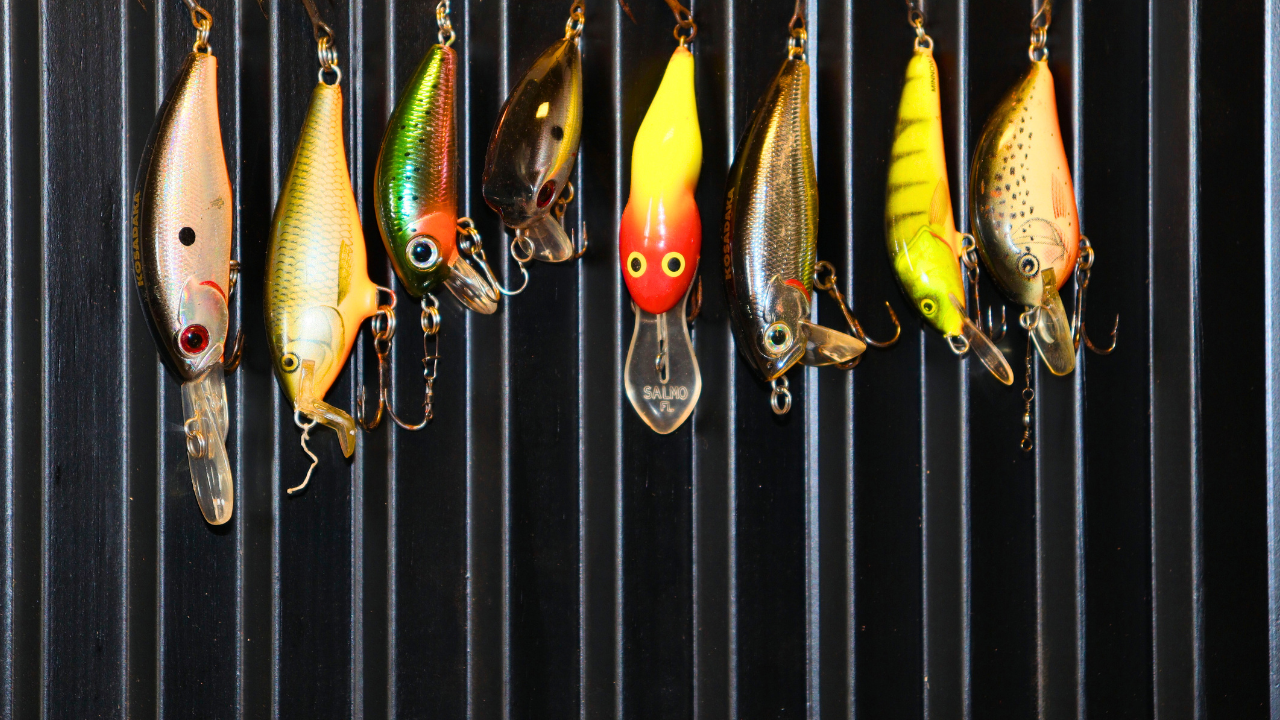
Suspending jerkbaits for deep reach and long pauses.
Blade baits and jigging spoons for vertical presentations.
Small swimbaits with underspins.
Live minnows or worms.
Access Considerations:
Bank Anglers: Target steep drop-offs, hard-bottomed creek ledges, and sun-drenched rock piles.
Boat Owners: Fish finders crucial for identifying deep-water structures. Vertical jigging effective.
Kayak Enthusiasts: Prioritize safety (dry suit, PFD). Use topographic maps. Drift slowly, bouncing Ned rigs.

Southwest: Sun-Kissed, Still Slow
Behavior & Location:
Bass seek thermal advantages in shallow pockets basking in sunlight, dark mud bottoms, creek inlets with warmer water.
Lure Selection:
Suspending jerkbaits (Rapala X-Rap, Megabass Vision 110) with 30-60 second pauses.
Finesse jigs (Keitech M2, football, shaky head, Ned rigs) in natural colors.
Blade baits and spoons (Damiki Vault, Hopkins Shorty).
Lipless crankbaits (red, shad) with a yo-yo retrieve.
Finesse soft plastics (worms, creature baits) on Texas or drop shot rigs.
Access Considerations:
Concentrate on deep creek channels, submerged humps, and brush piles.
Southeast: Southern Chill, Big Fish Thrill
Location:
Deep structures – creek channels, points, humps, brush piles, dam faces.
Lure Selection:
Jigs (black/blue, brown) with trailers, especially football jigs for depths >25 feet.
Finesse worms on drop shot or Texas rigs.
Deep-diving suspending jerkbaits.
Blade baits (Silver Buddy) with a yo-yo retrieve.
Lipless crankbaits (December MVP) with yo-yo or slow, steady retrieve.
Miniaturized Alabama rigs with 3-4" swimbaits.
Slow-rolled spinnerbaits (early December, 3-7ft).
Access Considerations:
Vertical jigging over deep schools and dragging bottom baits along submerged structure are effective.
Rocky Mountains: Ice or Open Water?
Conditions:
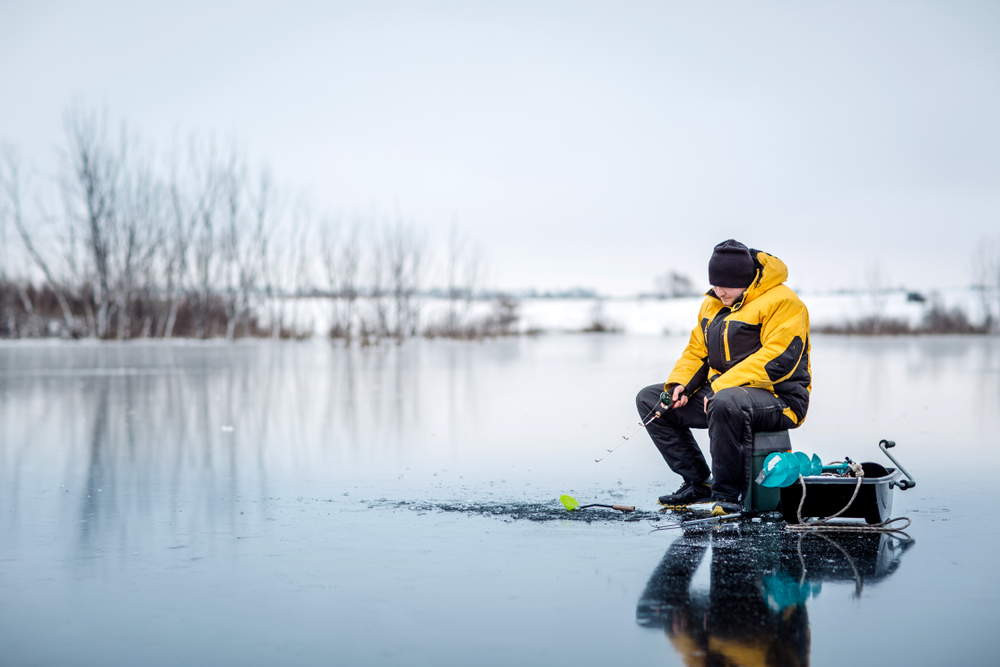
Highly variable. Many lakes are iced over, requiring ice fishing. Reservoirs like Pueblo, CO may offer open water.
Lure Selection:
Finesse jigs (1/4oz).
Suspending jerkbaits.
Tight-wobble/flat-sided crankbaits.
Lipless crankbaits (lift-and-drop).
Blade baits/spoons.
Large swimbaits.
Finesse soft plastics (Ned rigs, shaky heads, doodling).
Access Considerations:
Bank Anglers: Steep banks, riprap, accessible deep zones in small ponds.
Boat/Kayak Anglers: Electronics are crucial for deep fish. Prioritize safety in frigid open water.
Note: Consult local regulations regarding closures (e.g., Rocky Mountain National Park).
Great Plains: Plains Drifters and Deep Divers
Location & Advantage:
Deep, structured areas – river ledges, bluff banks, ditches, humps, backwaters. Typically lower fishing pressure.
Lure Selection:
Suspending jerkbaits (near riprap, bridges, points).
Jigs (football, shaky head with craw trailers).
Blade baits/spoons (flash and vibration for deep fish).
Alabama rigs (mimicking baitfish schools).
Drop shot rigs (for finicky deep bass).
Finesse crankbaits (tight wobble, slow retrieve).
Ned rigs.
Access Considerations:
Bank Anglers: Steepest banks, pond dams, sun-warmed concrete boat ramps, rocky areas, points. Areas with broken or disrupted current.
Boat Anglers: Seek warmer water pockets.
Kayak Anglers: Prioritize safety. Use topographic maps. Employ slow-dragging techniques.
Midwest: The Ice Edge & Beyond
Bass Metabolism & Conditions:
At its nadir. Shrinking ice cover creates variable open-water opportunities. Smallmouth bass populations may thrive due to warming trends.
Lure Selection:
Jerkbaits (suspending, twitch-pause).
Blade baits (flutter).
Lipless crankbaits (yo-yo).
Jigs (finesse, football with subtle trailers).
Spoons (jigging/flutter for vertical).
Wacky worms (free-fall for finicky fish).
Small swimbaits.
Ned rigs.
Access Considerations:
Bank Anglers: Deep access points, steep banks, dock pilings, sun-warmed dark bottoms.
Boat Anglers: Vertical jigging over deep structure.
Kayak Anglers: Slow, methodical approach. Focus on deep channel edges. Fish with a buddy, wear PFD, dress in layers.
Local Controversies & Trends:
Bass lethargy; impact of overfishing vs. climate change. Shorter, less predictable ice seasons. Increased smallmouth populations. Water quality issues and invasive species remain challenges.
Northeast: Frozen Fingers, Hot Bites
Conditions & Target:
Extremely cold (30s-40s), but often less crowded waters. Target smallmouth bass in glacial lakes and deep reservoirs.
Lure Selection:
Finesse: Jigs (football, hair, Ned rigs, tubes), drop shots, shaky heads.
Reaction Baits (modified retrieves): Blade baits (yo-yo), suspending jerkbaits (60-second pauses), lipless/flat-sided crankbaits, casting/jigging spoons, umbrella rigs.
Ice jigs (for colder temps).
Slow-rolled spinnerbait or topwater (unseasonably warm afternoons).
Access Considerations:
Bank Anglers: Smaller lakes, boat ramps, current seams, warm-water pockets.
Boat Anglers: Maximum versatility. Use electronics for deep structure. Vertical jigging.
Kayak Anglers: Stealthy access to tight areas. Drift over channel edges. Millponds can be productive.
Local Opinions & Trends:
Winter fishing is consistent due to reduced pressure. Philosophy: "less flash, more finesse," though some argue bass react faster than believed. Continued focus on deep, vertical structure and finesse. Adaptation to warmer periods. Nuanced understanding of bass mobility.
Looking Ahead: The Future of Coldwater Bass Fishing
Technological Innovation:
Hyper-realistic lures with bio-mimicry and temperature-reactive colors.
"Smart" rods/reels for bite detection or retrieve adjustment.
AI-powered angling assistants for behavior prediction.
Environmental Shifts:
Climate change reshaping ice cover and species distribution.
Increased importance of sustainable materials and conservation efforts.
Overall: Future promises more precise, efficient, and sustainable coldwater bass fishing for those embracing innovation and adaptation.
Embrace the Chill, Catch the Thrill
December bass fishing requires dedication, patience, and adaptation. Rewards include solitude, challenge, and the potential for exceptional fish.
Key principles: slow down, intentional lure selection, understanding the cold-water bass mindset.
With the right approach, trophy fish can be caught after fair-weather anglers have retreated.
Unlock Peak Performance with Bass Forecast
Picture this: pinpointing the hottest bass hotspots, dialing in the perfect lure, and timing your casts like a pro, without the trial and error. What once felt like wizardry is now your everyday edge in angling.
Bass Forecast harnesses advanced AI and pinpoint-accurate, location-specific intel to deliver instant, tailored insights for your chosen waters. Think of it as your personal squad of elite guides, feeding you insider tips to outsmart the fish every time.
Ditch the uncertainty. Reel in bigger hauls starting right now.


-1739275914.jpg)
.jpg)
.jpg)
.png)
.png)