
How to Fish a Jerkbait for Winter Bass: Pause Lengths, Line Choice, and Water Clarity
The jerkbait is one of the most popular winter lures around, and in the right conditions, it’s our favorite. It’s easy to learn once you understand the mechanics behind it, and it is proven to slay bass even when they’re not wanting to bite anything else.
However, with cranks, soft plastics, and a wide variety of other lures taking the spotlight, we know plenty of you haven’t used one, or you haven’t quite figured out how to make magic happen with it, yet.
So, we’re going to go over everything you need to know about jerkbait fishing for winter bass.
The Anatomy and Action of a Jerkbait
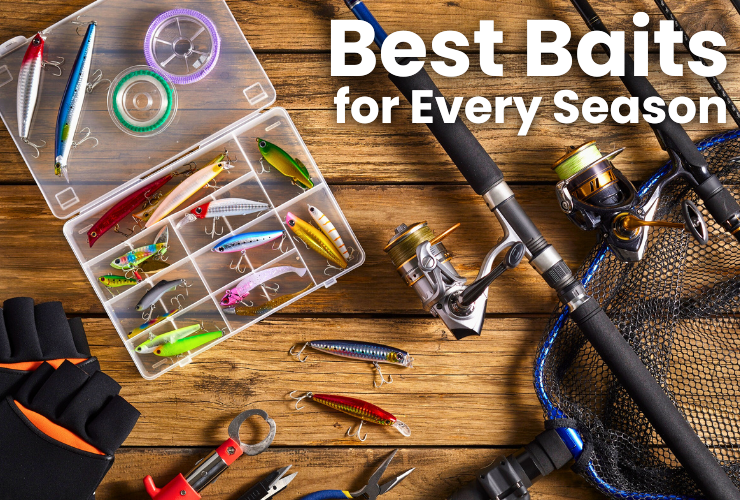
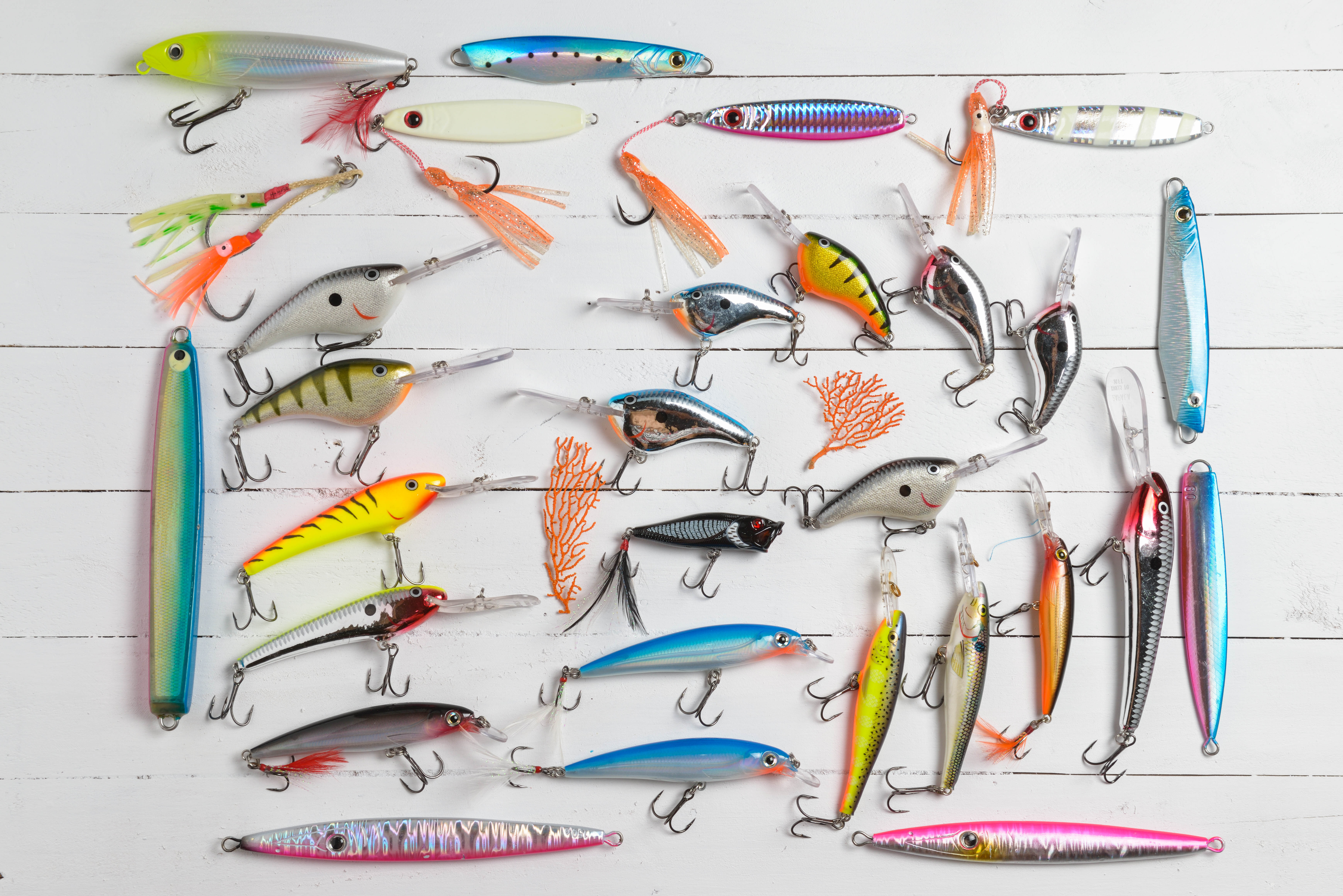
A jerkbait is designed to mimic a dying or stunned bait fish. They all look a little different depending on the make and model, but they do share a lot of the same core design elements.
They’re long and lanky, and they look kind of like minnows without fins. It’s normal for a jerkbait to have two treble hooks, and the tie-on eye is placed right in the “face” of the bait.
A jerk bait is designed to be quickly jerked. It’ll dive to a certain depth, then suspend there. Some can slowly float back to the top. During the jerk, they wobble back and forth quickly like a minnow swimming as hard as it can. Then, the jerkbait’s wobble slows down, and it gently rocks during the pause.
Here are the main types of jerkbaits. You will want to match each to the body of water you are fishing and how deep you think the fish will be. Try to have one of each on hand and experiment until you get it.
* 1. Subsurface/wake baits skim just under the top.
2. Shallow floaters and light suspending baits work 1–5 ft.
4. Mid-depth suspending baits hit ~5–10 ft.
5. Deep-diving jerkbaits reach ~10–20+ ft for colder water or deeper points
Pro Tip. One day you may catch them on deep diving jerkbait, and the next day (especially if the sun warms the water column), the fish may rise up a bit and will hit a mid-depth or shallow floater. The key is to fish just above the fish. If you fish below the fish, you will not get bit.
It’s important to understand what’s going on with the lure in the water because your retrieval method needs to match that action. It’s not a crankbait that you can reel straight back, and it’s not something that you constantly pop.
If you deviate from the intended retrieval pattern, the lure won’t work. Also, it’s pretty common for inexperienced anglers to chuck it out and wonder why it’s just floating on the surface.
Gear for Using a Jerkbait
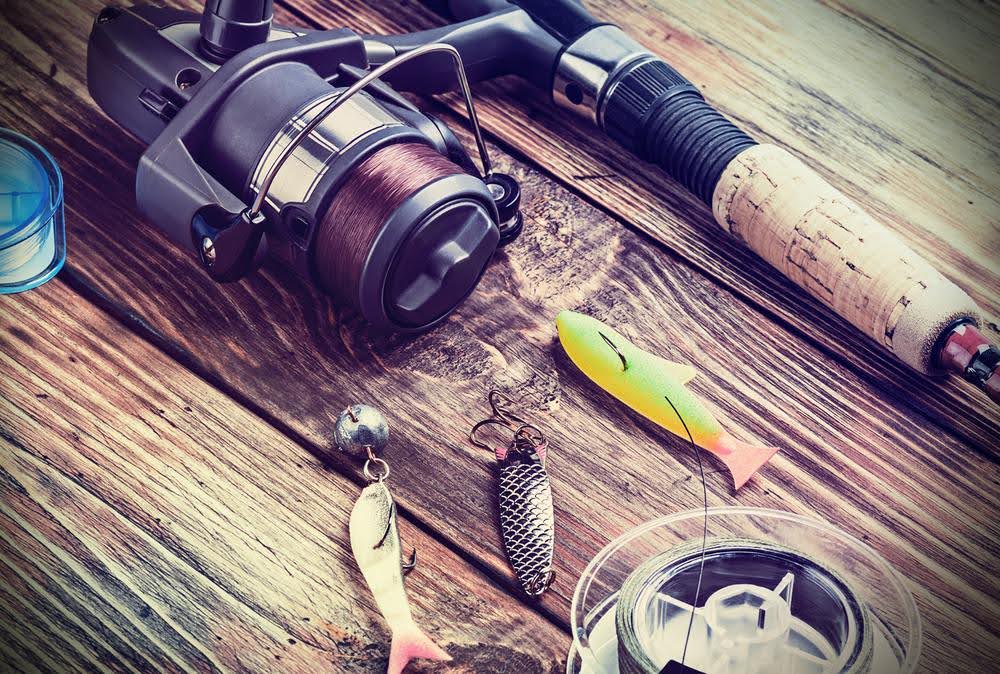
You likely have everything you need except for the bait itself if you’ve been fishing for any meaningful amount of time. It’s not a lure that requires specialized gear.
Just in case you’re not sure, we’ll go over the basics.
Luckily, you just need a medium rod. That’s what most people buy when they grab their first rod. So, even if you’re brand-new to the sport, you probably don’t need to buy a whole new setup just to try a jerkbait. We know the more experienced anglers out there likely have several.
The rod should also have fast or extra-fast action. It’s not required, but it makes the lure more responsive to your pops since the tip locks in sooner and starts dragging the line back immediately. You can get by without it, though.
You can use either a baitcasting or spinning outfit. You will get more casting distance with a spinning outfit. A lot of jerkbaits are a bit on the lighter side. Some do have advanced internal features that increase casting distance even further, too. Although a good spinning reel with the right line can get the job done.
For your line, we recommend using a high-quality mono for your main line and then using a fluorocarbon leader that’s a foot or two long. You rarely want to use fluorocarbon by itself, and braid often is a good choice in the winter due to water conditions, making it easier to see.
Don't go too heavy with your main line. 10 to 14lb test is a normal range for mono, a medium bass fishing setup, and if you go heavier, the line can hold your lure back during casting.
The mono is much stronger in thinner diameters, and you don’t need to put too much thought into it. If you choose braid for your main line despite the visibility issues, try to go with a thinner option. We’ll have an entire section covering our favorite jerkbaits later.
Where Jerkbaits Excel
Jerkbaits are particularly good in clear water when it’s cold out. So, they’re one of the best winter baits.
During the winter, the plant life dies off, and it allows the water to clear up a lot. Even stained water that you can’t see through during the summer can look crystal clear in the middle of winter.
The combination of erratic and subtle movements mimicking a dying fish on its last few bursts of energy really works well in the clear water. Noise and tons of constant vibration from things like crankbaits aren’t necessary in such high-visibility conditions.
With that being said, we typically switch out the bait when the water is a bit murkier. That’s when we grab our football jigs, lipless cranks, and similar lures.
How to Use a Jerkbait for Winter Bass
Using a jerkbait for winter bass fishing is simple. The hardest part is learning how long to pause, when to pause, and how hard to pop the lure when it’s time to move it.
Jerkbaits mostly work the same way. Once you figure out how to use one, you can pretty much use them all effectively. Even the outliers that dramatically change things up just require a few tweaks to the basics.
So, we’re going to cover the basic retrieval pattern, some pause options you have, and tips and tricks we’ve learned along the way.
1: Positioning Yourself and the Lure
First and foremost, before you cast, you need to really pay attention to how you’re positioned and where you’ll be placing the lure.
You’re fishing in clear conditions. If you have decent sight, you should be able to see the fish moving around. Well, guess what? They can see you, too.
You want to limit how much attention you bring to yourself. If you’re fishing from the bank, don’t walk right up to the water before you cast. Stop a good 10 feet from the edge, and make a long cast into the water.
Sure, you’ll lose 10 feet of usable casting distance, but the point is that you’re testing the water to see if the fish are there before you approach.
If you just walk up, there’s a good chance that the commotion you make and your silhouette popping up over the surface will scare the bass off. If nothing bites on that first cast, start slowly walking up.
From a boat, you have the advantage of sonar. Spot the bass as soon as you can, and don’t get in too close. If you can, stay seated as you cast. This reduces your profile, and it keeps you from making noise by standing up and walking around. It sounds really quiet to you, but in the water, every step you make is noticeable.
As for your lure, it’s a lot like anything else. You want to cast beyond your actual target. You have to jerk the lure to bring it down to the right depth. So, try to get at least 10 to 15 feet ahead of the fish, and pull it into them.
This ensures that you reach the right part of the column by the time you reach the fish, and it makes the presentation more natural. Bass aren’t too smart, but they’re usually not too excited if you drop your lure right on top of them like food is falling out of the sky.
2: The Jerk
The jerking motion you have to make to get the lure to work is where it gets its name. It’s really easy to do, too.
Make sure you reel in your slack before you try it. You’ll waste most of your motion if there’s slack in the line.
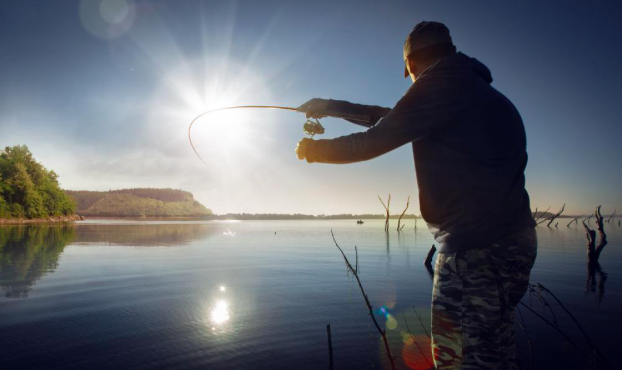
Then, with the rod tip pointed slightly downward toward the water, pop the tip up about 8 inches or so. This is a very snappy motion. You don’t need to swing back like you’re raising an axe or anything.
It’s all in the wrists, and it should be fast and sudden. This is why the extra-fast tip is recommended. A slower tip will keep bending, and it’s a lot like having slack in the line. You have to overcome the bend before the lure pops.
Most experienced anglers use a 1-2-Pause….Jerk-Jerk-Pause cadence, which causes the lure to move erratically from one side to the other before pausing. For example, the 1st jerk may cause it move right, the 2nd jerk, very quickly thereafter, causes it to go the other way. The hit almost always occurs on the pause.
From the resting position right after you’ve cast the lure, you’ll see the lure dive if you did it right.
There aren’t many variations that you can put into your jerking pattern. In warmer weather, you usually want to move faster. So, you would normally jerk it three or four times before you let it pause for a minute.
In the cold winter months, you want to limit it. Pop your rod twice, and then start your pause. Sluggish fish aren’t darting through the water, and your lure needs to match the natural fish around it.
3: The Pause
At first, the pause seems boring. Especially since it’s usually longer in the winter. However, if you’re doing it right, it’s actually a very engaging moment.
Start by reeling in your slack, but be careful not to reel in the lure itself.
The amount of time you want to let the lure sit is going to vary. In the winter, we like to start with 10 seconds. That doesn’t seem like a long time, but most people only pause for a few seconds during warmer periods.
If you don’t get any bass to commit within 10 seconds, wait 20 seconds. After a few failed casts, wait as long as 30 seconds. Beyond that, it’s usually a good sign that either you’re not near any bass, or the bass aren’t interested in the jerkbait.
Do not zone out during the pause. This is usually when the bass will move in to swallow the lure. If you’re staring into space and counting, you’re going to miss subtle bites.
Keep an eye on your line near the water’s surface. If it starts moving in a way that clearly isn’t the wind, it’s time to set the hook. Of course, you can feel heftier bites.
We also recommend keeping a finger on the line by your reel. This is easier with a spinning reel, but you can do it with your cranking hand if you’re using a baitcaster. Just keep your casting hand on the rod for hook-setting power. If you’re touching the line, you’ll feel it vibrate when the bass starts moving with your lure. You have to keep the line tight, though.
Our Favorite Jerkbaits for Winter Bass Fishing
The basic retrieval pattern we covered will work for basically every jerkbait on the market, and you just tweak the finer details to match the situation.
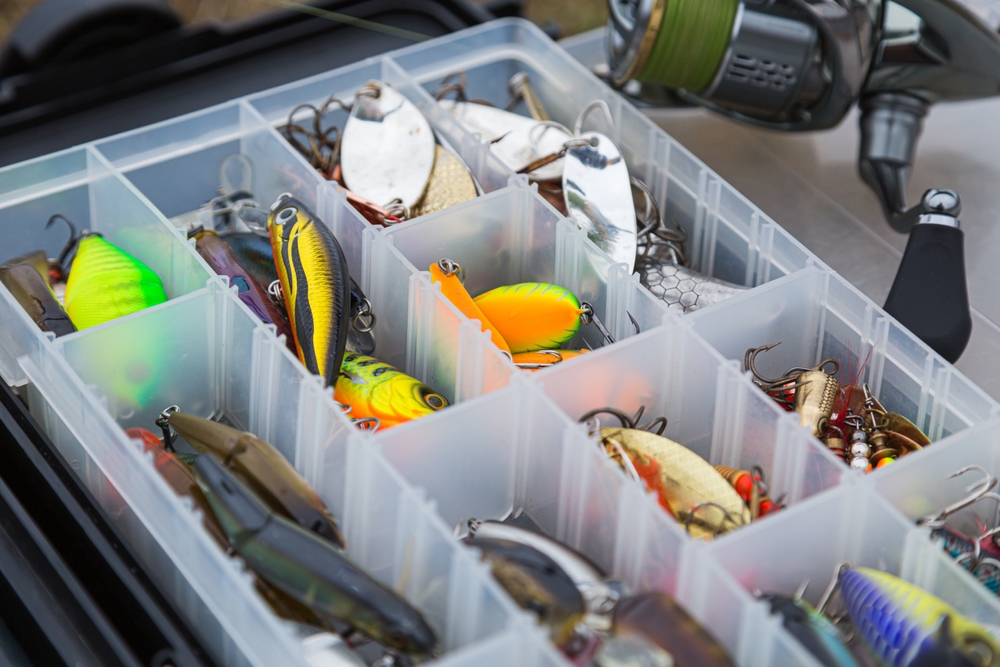
We’re going to list the best jerkbaits for winter bass. If you don’t have any jerkbaits or you’ve only stocked up for summer, these are a great way to start your winter collection.
1: Shimano World Minnow
We love the Shimano World Minnow. It’s a more advanced jerkbait, and that does mean it costs a premium, but it’s worth it.
If you like using a spinning reel, but the lighter weight of a jerkbait makes it hard for you to get good casts, the Shimano helps. It has a “Jet Propulsion” system inside. It’s a weight that slides back to the tail to drag the lure out further, but then the weight balances out to help it operate properly in the water.
It also features Flash and Scale Boost technology that helps it take full advantage of sunlight hitting ultra-clear water. It’s kind of like a disco ball flashing everywhere, and it makes the bass angry enough to bite even when they’re lazy.
Other than that, it’s a well-made lure from a reputable company, and we’re sure you’ll love it.
2: Rapala Husky Jerk
Rapala is a classic brand and a staple in the bass fishing industry. The Husky Jerk is one of their best hard baits, and we use it every year.
It doesn’t have any super fancy features. It’s just made very well, and it’s hand-tuned. It’s less than half the price of the World Minnow, and if you’re on a budget, it’s a great high-quality lure at a low price.
3: Megabass Great Hunting Humpback
The Humpback is an odd jerkbait with a unique profile, but it’s also very versatile. This is a sinking jerkbait that’s designed to plummet through the column quickly. You can reel it, jerk it, or troll with it. So, it’s a good bait to use year-round.
Slay Big Bass with a Jerkbait This Winter
Jerkbaits are some of the best winter baits out there, and the team at Bass Forecast relies on them every year. Tie a jerkbait on this winter and see how effective it is for yourself.
For the most productive winter bass trips, download the Bass Forecast app and make every cast count!



-1739275914.jpg)
.jpg)
.jpg)
.png)
.png)